Category: Blog

  • Iceland Guide – Long Weekend in Reykjavik Stopover

    Iceland Guide – Long Weekend in Reykjavik Stopover

    In August 2014 I took advantage of IcelandAir’s stopover program to spend a long weekend in Iceland on my way from Greece home to Washington. Here’s what I did:

    How I Got There

    IcelandAir offers free stopovers in Iceland on flights between the U.S. and Europe. You can stay for up to 7 nights without having it affect the price of your ticket. It’s easiest to plan and book this directly on the airline’s website, rather than using something like Kayak.

    Where I Stayed

    Kex Hostel: a super hip hostel in a converted biscuit factory, this felt like something right out of Brooklyn. It was industrial-cool, with things like a magnetic wall of words and vintage atlases that you could browse on worn in couches. The rooms were standard hostel-style; bathrooms were small individual rooms. No embellishments, but safe and relatively clean. The hostel’s main space centers around a bar that’s loud and crowded at night — a hangout spot for locals as well as travelers. Location is great — a 2 minute walk from the main drag.

    Day 1: Reykjavik

    Sandholt Bakery: I went to this little bakery and sandwich shop on Laugavegur every morning. There was always a line, but it was worth the wait. The breads were freshly baked and delicious, and they had an area with table seating + WiFi.

    Hallgrímskirkja Church: I have absolutely no idea how to pronounce this one, but it’s one of the top things to do in Reykjavik. You can climb to the top of the brutalist-style building and get that classic view of Reykjavik from above, with colorful houses and rooftops laid out before you.

    The Icelandic Phallological Museum: Yup. If you didn’t realize that Iceland’s a quirky little place (most of the population believes in fairies), you’ll figure it out when you get to the Penis Museum. There are preserved genitalia from all sorts of animals, large and small, plus phallic artwork, some volcanic condoms in the gift shop, and a strange assortment of penis casts from the Icelandic handball team. Don’t miss this, it’s worth an hour of your visit. (And bring cash, it’s cash only.)

    Laugavegur: The main drag in Reykjavik is full of shops and quirky bars. I popped into Hrim, which was a sort of Nordic version of Anthropologie’s home section; Vinbenid, an Icelandic candy shop; and myconcept, an eclectic retro-chic shop.

    Prikid: This corner spot is one of the oldest cafes in Iceland. I stopped for a beer, but it was packed with folks of all ages eating lunch.

    Harpa: This prismatic waterfront concert hall is a photographer’s playground. The glass exterior reflects light both inside and out. I didn’t see a show, but spent over an hour here photographing the amazing reflections, colors and architecture. I could’ve spent the whole day here.

    Bæjarins Beztu Pylsur: If there’s one thing you eat when in Iceland, make it the hot dogs from this little stand near the Harpa. They serve hot dogs topped with ketchup, sweet mustard, remoulade, fried onion and raw onion (order one with all of that), and have been called the “best hot dogs in the world.” Bonus: it’s one of the most budget-friendly things you can eat in Reykjavik.

    Harbor: The harbor is a nice place to wander; aside from the Harpa and hot dogs, you’ll find colorful old fishing boats, a market, some hotels and restaurants and a handful of kiosks selling bird- and whale-watching trips.

    Kex Hostel Bar: This place is packed at night — not just with travelers or hostel guests, but with locals, too. I was able to grab a seat at the bar in the afternoon and read/people watch for a while.

    The Loft: The rooftop bar of this hostel has a great view of all the Laugavegur action. You don’t have to be a guest to come here, and they also have live music.

    Laundromat Cafe: It’s a bar. And a laundromat. Because nothing in Iceland can just be a plain bar, apparently. They also had a pretty impressive library of color-coded books, and an overall hipster vibe.

    Tíu Dropar: This cozy little bar is a favorite among local musicians (which seems to be everyone in Iceland). People might just show up with musical instruments or hop on the piano; the whole (small) bar will quickly get involved with the jam session. 

    Lebowski Bar: As the name suggests, there’s a Big Lebowski-themed bar in Reykjavik. 

    Chuck Norris Grill: Chuck Norris has a restaurant in Iceland.

    Day 2: The Golden Circle

    Kolaportid Flea Market: Knit wool Icelandic sweaters … and hats, and scarves, and a lot of other things. Hakarl fermented shark, which Anthony Bourdain declared the worst thing he’s ever eaten. I wasn’t about to try that, nor did I want to eat horse or whale (also for sale here), but I did notice that it’s cheaper here than at a restaurant.

    Cafe Paris: Instead of eating fermented shark at the flea market, I had my one main sit-down meal here. The menu was familiar dishes (salads, burgers, pasta), not so heavy on the Icelandic specialties. (Yes, only one real meal over the weekend — Iceland’s expensive!)

    Golden Circle: This is the essential tourist circuit to three of Iceland’s most visited and most accessible natural sights: Thingvellir National Park, Gullfoss waterfall, and Geysir hot springs. To save time, I did the afternoon version of the tour. It still lasted about 7 hours, but gave me the morning to explore Reykjavik more. I think the shorter tour was still plenty of time to see everything, though it did start getting dark and we didn’t get back to Reykjavik until 10 or 11 p.m. I booked with Reykjavik Excursions because their website was easy. The customer service wasn’t great, the on-bus WiFi didn’t actually work, and the guide wasn’t very helpful, but it was an easy way to see these sights. I had already booked when I arrived, but my hostel recommended Gray Line instead.

    Thingvellir National Park: This national park is celebrated as the site of the first Icelandic parliament. The more interesting claim to fame, in my opinion, is its position between two tectonic plates. You can actually see where the European and North American plates are moving apart, and a new Icelandic continent is forming. You can even scuba dive in the continental rift, though I didn’t try it.

    Gullfoss: This large triangular waterfall is one of the most popular sights in Iceland. The views from above are impressive, but make sure you walk down to the pointed area to see the water cascading all around you. Watch out: there’s lots of mist — your camera lens will probably get wet.

    Geysir: Ever heard of a geyser? Well this is the namesake: this geothermal fountain gave geysers their name. The actual Geysir geyser doesn’t erupt very often, but nearby is Strokkur, which shoots about 100 feet in the air every 10 minutes. 

    Day 3

    Blue Lagoon: Iceland’s most famous sight, this geothermal pool is the color of antifreeze and stays warm even when the temps plummet. The Blue Lagoon is near the airport so it’s best to tack it on when you arrive or depart (you can coordinate transportation through Reykjavik Excursions). I went in the morning before my afternoon flight home; you can read how to visit the Blue Lagoon here.


    Related Posts

    How to Plan the Perfect Long Weekend in Iceland
     

  • What to Do with 2 Days in Chicago

    What to Do with 2 Days in Chicago

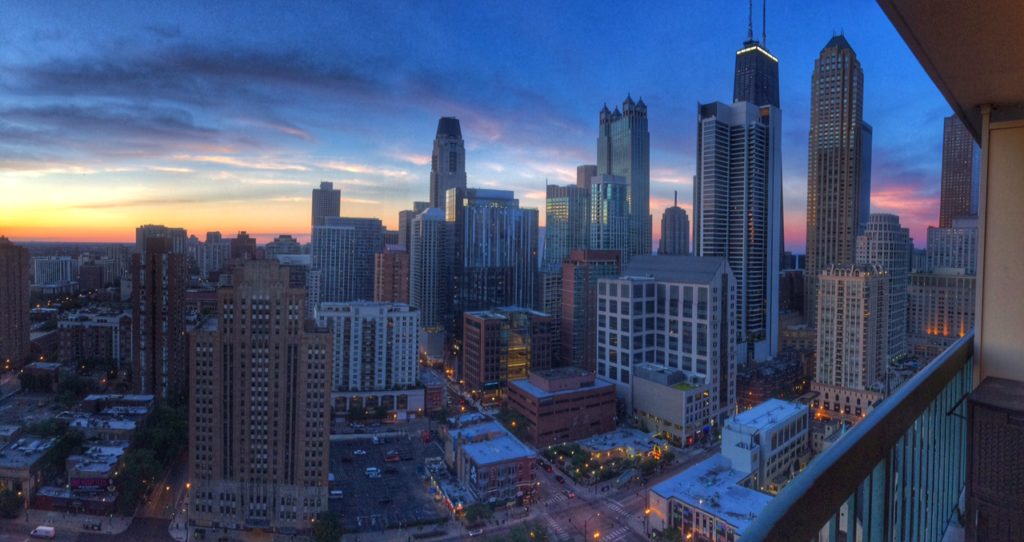
    In August I traveled to Chicago for 2 days. While much of it was spent in meetings, I was able to eat, drink, and see some of Chicago’s finest. Here’s what I did:

    How I Got There

    I snagged a great Wanna Get Away fare on Southwest Airlines. Flew DCA to Midway for $98 round-trip … and only booked it two weeks in advance. (Guess that’s what a Tuesday — Friday schedule gets you!)

    Where I Stayed

    JW Marriott Chicago: The hotel is about a 10-minute walk from Millennium Park, and is blocks from the Willis Tower. It’s a nice upscale city hotel. There’s a large lobby with a bar and lounge area (though it didn’t stay open all that late). It’s in the Loop, so surrounded by businessy spots like Starbucks and take-out lunch restaurants. Rooms were cool, clean, and have those wonderful Marriott beds.

    Chicago Bean

    Day 1

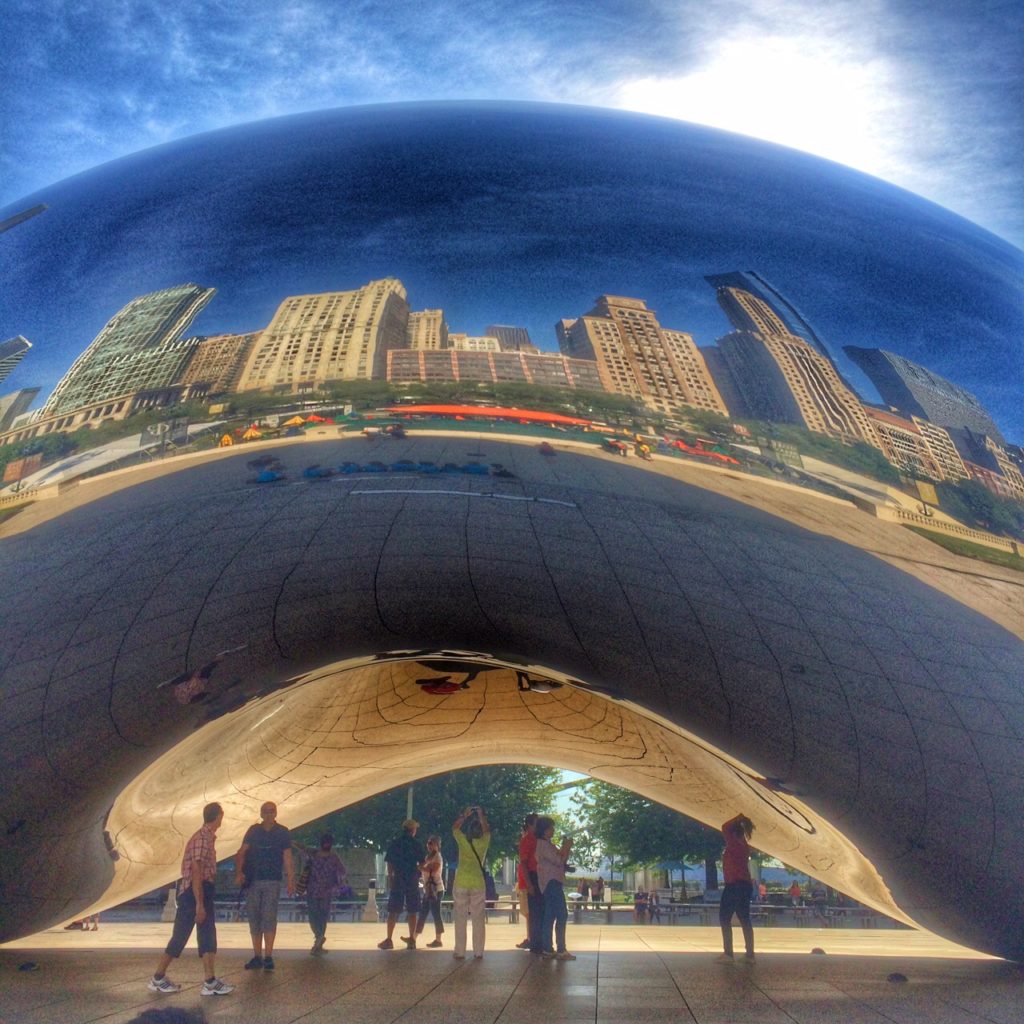
    The Bean: My favorite place to photograph in Chicago. I snuck a visit in before work and snapped some pics of the buildings and blue sky reflections.

    Tortas Frontera: From chef Rick Bayless, this Mexican quick-lunch spot serves hand-crafted sandwiches and a salad with lime-avocado dressing that I never would have ordered had it not been recommended by a colleague. Now I can’t wait to get back and order another one of those salads…

    City Winery Chicago Riverwalk: This whole Riverwalk district is brand new, with bars, restaurants, and more kayak rental shops than I’ve ever seen in a city. The winery was bursting with post-work happy hour-ers, and since you can’t take your drinks beyond a certain point, I just sat on the steps and watched the boats chug along the river a few feet away.

    Parlor Pizza Bar: Pizza in Chicago means one thing: deep dish. Except not at this West Loop hotspot, where Neapolitan pies are as creatively topped as they are named (check out the Cheesus, Mary & Joseph).

    RM ChampagneThis West Loop champagne bar has a great outdoor patio. Twinkle lights, exposed brick, and 12 types of bubbly all help you forget the fact that you’re kind of drinking in an alley. (There’s also a large indoor space.)

    Three Dots and a Dash: My colleagues and I closed out the night at this underground tiki-style bar. It’s known for its cocktails, but I’m even more of a fan of the ceramic tropical mugs that the drinks come in.

    Wrigley Field

    Day 2

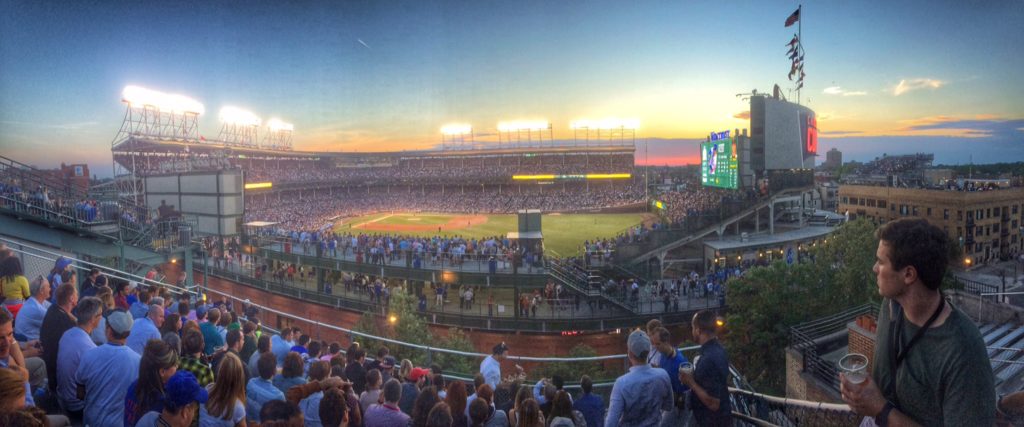
    Wrigley Rooftops: 3643 n. Sheffield: After a day of meetings we took a trolley from the Loop out to Wrigleyville for a Cubs game at the Wrigley Rooftops. New updates to Wrigley Field (a big jumbotron and more public space) has spoiled the view from some of the rooftop venues, but we could see everything but the deep outfield. The rooftops aren’t so much about the baseball, but more about the all-you-can-eat-and-drink deals. The menu included dogs, brats, and some ballpark sides, plus a good selection of wine and beer.

    Cindy’s RooftopThe rooftop bar and restaurant at the Chicago Athletic Association has a prime view overlooking the Bean, Millennium Park, and Lake Michigan. The place has an industrial-chic style and a cocktail menu called the “Potions & Elixirs” list.

    Hangge Uppe: A go-to late night dance party bar, apparently any night of the week. Come here if you want to keep the party going until 4 a.m. Think college dive, not techo club.


  • Planning a Trip to Machu Picchu and Hiking the Inca Trail

    Planning a Trip to Machu Picchu and Hiking the Inca Trail

    It all started with a poster.

    Hiking Machu Picchu had been on my list for a while, but it floated on that level that always got usurped by another destination when it came time to book. Then a few months ago my landlord inexplicably decided to plaster the hallway near my apartment door with a floor-to-ceiling mural of MP. A sign from the Incan gods? Who knows. But there’d be no more putting it off: I’m going to hike the Inca Trail.

    The problem is, the best time for me to hike the trail due to work is not the best time to actually go to Machu Picchu.

    So I’m starting with the research stage. Main question: Is November (Thanksgiving) an okay time to do the trek? Or, because it’s the start of rainy season, will hiking and camping and lugging my cameras for four days at the end of November be a terrible mistake?

    I’ve decided to document my research and the resources I’ve found helpful to plan my trip to Machu Picchu. If you’ve traveled here (especially if it was over Thanksgiving), please share your tips in the comments!

    Machu Picchu Trip Planning Resources

    …listed in order of when I found/read them, not in order of value.

    Notes from People I’ve Talked to

    • Should spend at least 2 days in Cusco to acclimate
    • Salkantay is a longer, harder but apparently less touristy hike
    • A guided group hike should be about $500-600. Plus people recommend a porter, which I’d def do given all my cameras.
    • Since November isn’t high season there’s still time (in June) to book a group. A few people have said its okay to go then, others have said it will be wet.
    • Aguas Calientes is a touristy, but fun town right near Machu Picchu. It feels a bit like a ski resort town.
    • Clilmbing Huayna Picchu is great, but there’s another mountain nearby that isn’t as popular, doesn’t sell out, and overlooks MP and HP to get an often unseen view.
    • Watch what you eat and drink — outside of Lima, a number of people I’ve met have gotten food poisoning (including in Cusco).

    Choosing a Tour Operator

    Booking a tour operator is the first major step when booking your Machu Picchu trip. All trekkers must go with a group, and tickets sell out up to six months in advance — so don’t wait.

    I don’t want to travel with a big international brand; I want something local and Peru-centric. Research and polling friends who’ve done the trek rounded up a healthy menu of options: Llama Path, Andina Travel, Mountain Lodges of Peru, Pachamama Explorers, and SAS Travel. Llama Path, G Adventures, and SAS were the most frequently mentioned, so I settled on SAS, partially because of the company’s stellar online reviews, and partially because it doesn’t seem to offer press trips to bloggers (so the reviews I found seemed more authentic than the glowing accounts from junkets elsewhere).

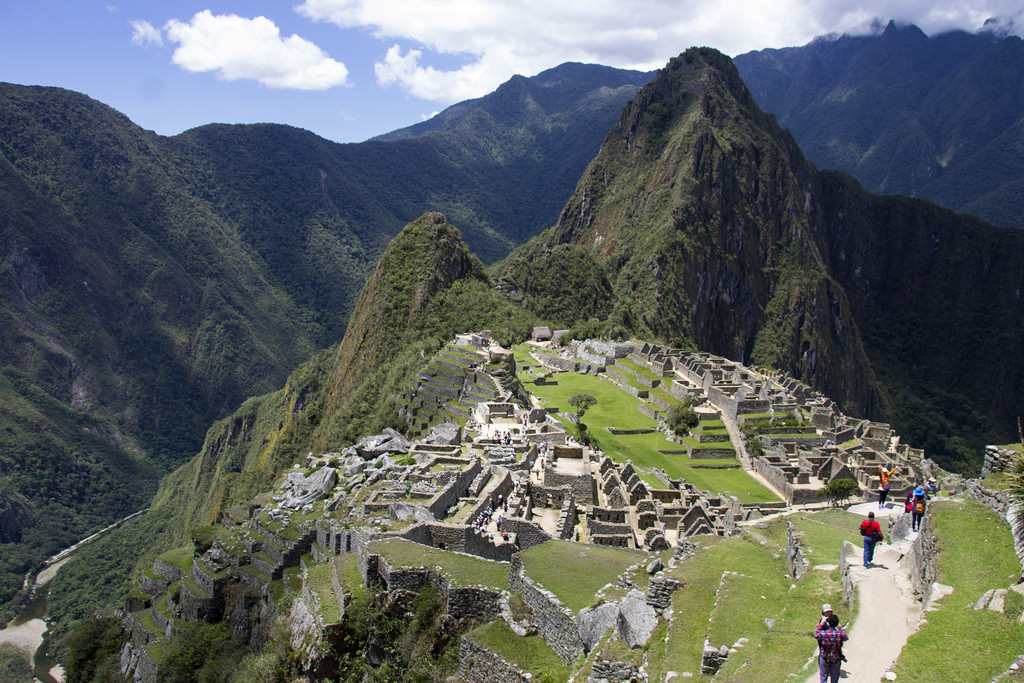
    I’ll be traveling with a friend so in mid-July we booked two spots on the November 22 trek. We opted for the 4-day/5-night trip, which includes a night in Aguas Calientes and a ticket to climb Huayna Picchu (the mountain you see in all the MP pics) the next day. Tickets for this climb are very limited and sell out quickly, so it seemed easier to book it all at once and let the tour company take care of organizing and lodging.

    Total cost for the 4-day/5-night trek, plus a porter to carry my stuff (I lug a lot of camera gear…): $780.

    We booked on a Monday, and that Wednesday sent the info to some friends who were interested in joining. When they looked at the schedule, our trip was gone. Five months out, and not in peak season, and it was still sold out.

    Post trip update

    While I ended up going with SAS Travel, I had a pretty bad experience with the guide on our trek. Wouldn’t recommend them just because of him and the fact that we were supposed to have two guides but only got one.

    Pre- and Post-Trek Travel

    With our trek tickets secured, it was time to book flights. This far out there were still plenty of options. Avianca had the lowest fares, and while the price didn’t vary too much between a multi-city DC>Cusco>Lima route, it ended up working better for us to connect in Lima on the way down as well. We started on Kayak but found that Avianca’s website had more options, so booking directly there allowed us to squeeze in an extra day in Lima on the way home. Bonus: Avianca’s Star Alliance, so I’ll be earning United miles on the trip.

    Total airfare from D.C. (with connections) to Cusco to Lima to D.C.: $1005.

    Next up were hotels. SAS Travel had an arrangement with Hotel Marqueses in Cusco; if you stay here before your trek you can keep your non-hiking gear here while you’re on the Inca Trail. That seemed like a good set-up (and the hotel has good reviews), so we booked a stay here for the 2 nights before our trip. For the return from the trek, we thought we’d treat ourselves with a room at the swanky JW Marriott Cusco, so we booked that. However, once in Cusco we learned that we probably wouldn’t get back from Machu Picchu until 10 or 11 at night, so it seemed like a waste to go big on a fancy hotel. We cancelled the JW Marriott and opted for another night at the Marqueses where our stuff was.

    Preparing for the Trip

    How do you train to hike the Inca Trail? Stairs. A handful of friends who’d done the trip recommended just getting on the stairmaster and staying there. 

    In reality, you can train however works best for you. Stairs will be the most useful; the trail is mostly hiking up and down giant stone stairs. Also practice walking long miles and being on your feet for hours at a time (break in your hiking boots doing this if they’re new). Some days on the trail are like 12-13 hours without many places

    What to Pack to Hike the Inca Trail

    I updated this list AFTER my trek, so it includes some things that I hadn’t read about but were sanity-savers (Wet wips, febreeze, Princess Gummies…).

    • DEET bug spray
    • SPF
    • Hiking Boots (ones with good ankle support)
    • Rain gear (you can buy cheap ponchos in Cusco — these are better than rain coats because they cover your pack too)
    • Bags to protect cameras from rain
    • Polarized sunglasses
    • Hat
    • Water and sweatproof layers (pants and tops)
    • Good hiking socks, like Smartwool
    • Tissues for toilet paper
    • Wet wipes (aka portable shower)
    • Febreeze spray (aka portable laundry)
    • Headlamp
    • Camelpack backpack (much easier than filling up and lugging individual water bottles)
    • Small flashlight to hang in your tent
    • Sleeping bag (you can rent these, but it grossed me out to sleep in the same bag as a bunch of other unshowered strangers — if you do this, bring a sleeping bag liner)
    • Water purification tablets (your crew will boil water from streams, but better safe than sorry)
    • Gatorade powder (hides the taste of water purification tablets)
    • Anti-diarrhea meds 
    • Altitude medicine like Diamox (this is important! Altitude sickness is no joke!) 
    • Advil
    • String or small clothesline with clips (to hang in your tent)
    • Granola bars/snacks
    • Binoculars (if you’re into birdwatching)
    • Playing cards
    • Extra batteries for your camera, or battery pack for your phone (there won’t be any place to charge en route)
    • Camera gear (optional, but here’s what I packed):
      • Canon DSLR
      • Tripod
      • Polarizing filter
      • 18-250 mm lens (to avoid swapping it mid-hike)
      • GoPro
      • GoPro stick mount (for those llama selfies)
      • GoPro head mount (useful for climbing Huayna Picchu)
      • GoPro remote
      • Canon S120 point-and-shoot
      • iPhone
      • Extra batteries (for every camera)
      • Extra memory cards
  • What to do on a 12-hour Paris Layover

    What to do on a 12-hour Paris Layover

    What to do on a long layover in Paris? It can be tricky to leave the airport, even if you have 5 hours. But if you have a really long layover — like my 12-hour gap between flights this August — you can actually squeeze in a lot.

    In 12 hours I was able to hop around to seven of Paris’s top sights, plus scarf down some French food (and vin, of course!), while making it back to CDG with plenty of time to check in for my flight. Here’s how I did it:

    First, travel light. I checked my bags at CDG (about 28 euros for 12 hours) near the train depot. Then I bought a 1-day transport pass for RER trains (including the airport) and hopped on the train into the city.

    Stop 1: Sacre Coeur

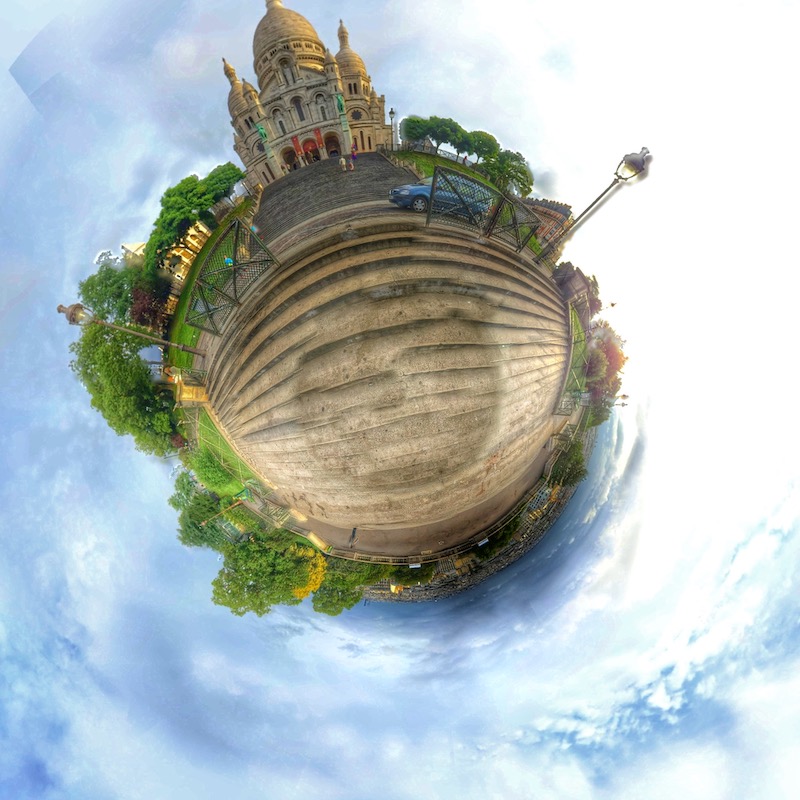
    I got to this hilltop church around sunrise. It was freezing and the church itself wasn’t open yet, but there were very few people around and it was very peaceful. A wonderful view of the city here. I then wandered around the Montmartre streets surrounding the church — most were empty, but some were starting to show signs of life at cafes. Then walked down to stop 2: Moulin Rouge.

    Stop 2: Moulin Rouge

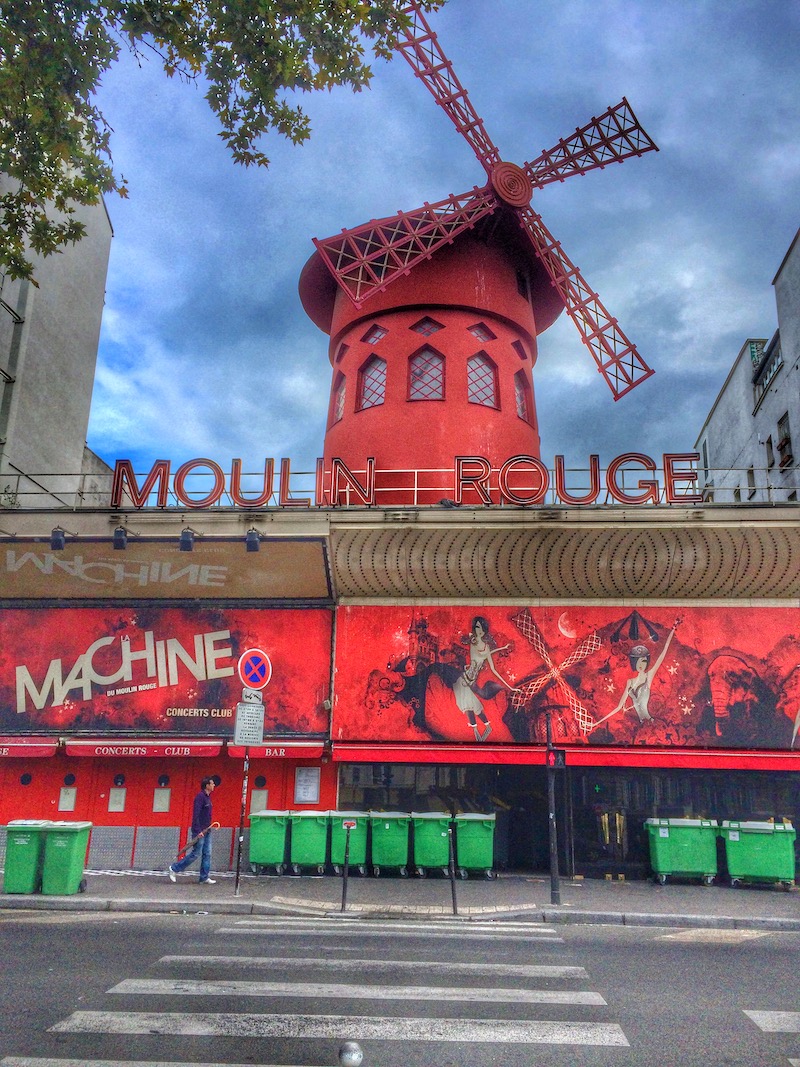
    This was a total fan-nut stop, as I saw the Baz Luhrmann movie like seven times in the theater. It was still super early, nothing was open, but I stood across the street and pretended Ewan McGregor was serenading me.

    Stop 3: Arc de Triomphe

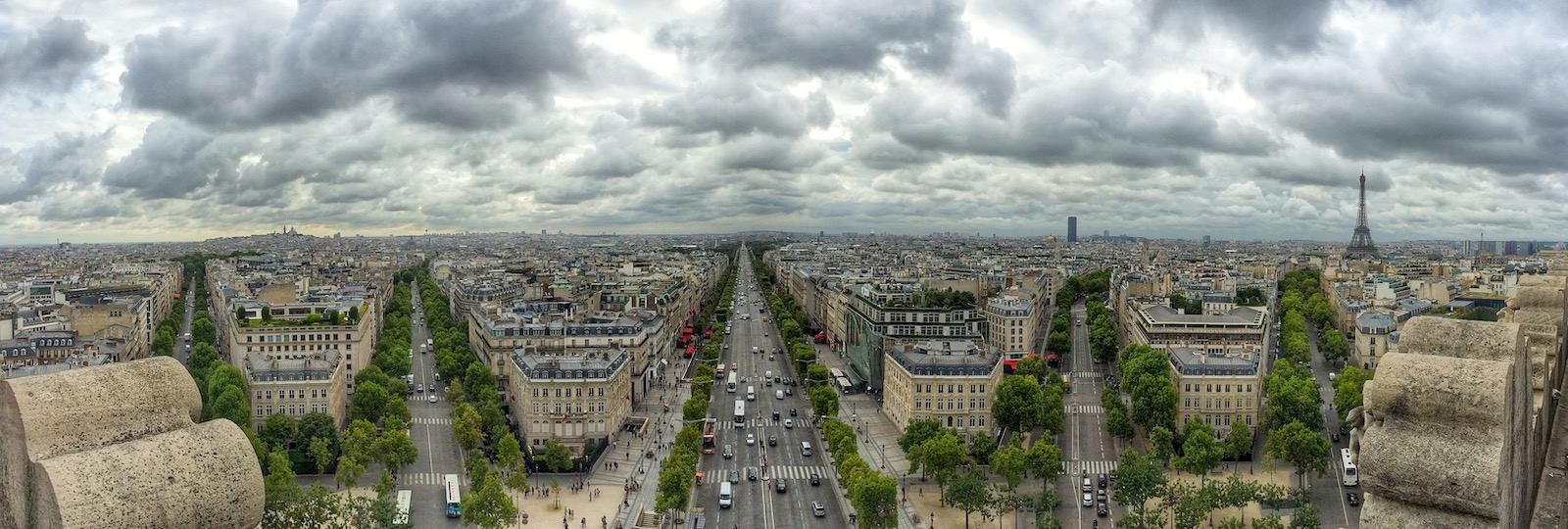
    This was my third trip to Paris, but the first time I’d actually gone to the top of the Arc. That was a mistake. The views from Sacre Coeur, Notre Dame, and the Eiffel Tower are awesome. But the 360-degree view from the Arc, with 12 streets radiating from its base like spokes, feels more connected to the city and is now my favorite Parisian panorama.

    Stop 4: Bastille

    I metroed from the Arc to the Bastille stop and parked myself at one of the standard cafes around the square.

    Stop 5: Canal St-Martin

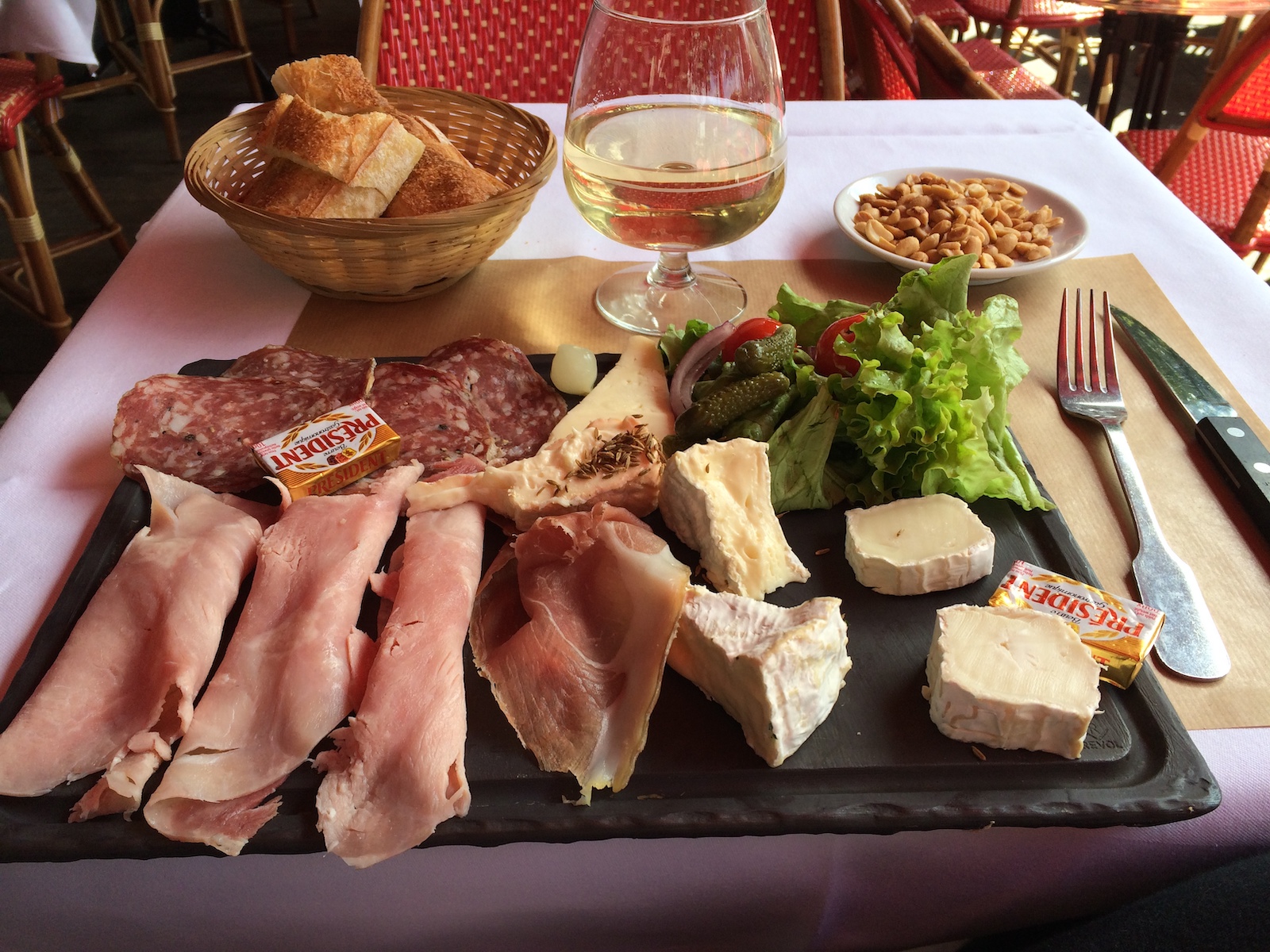
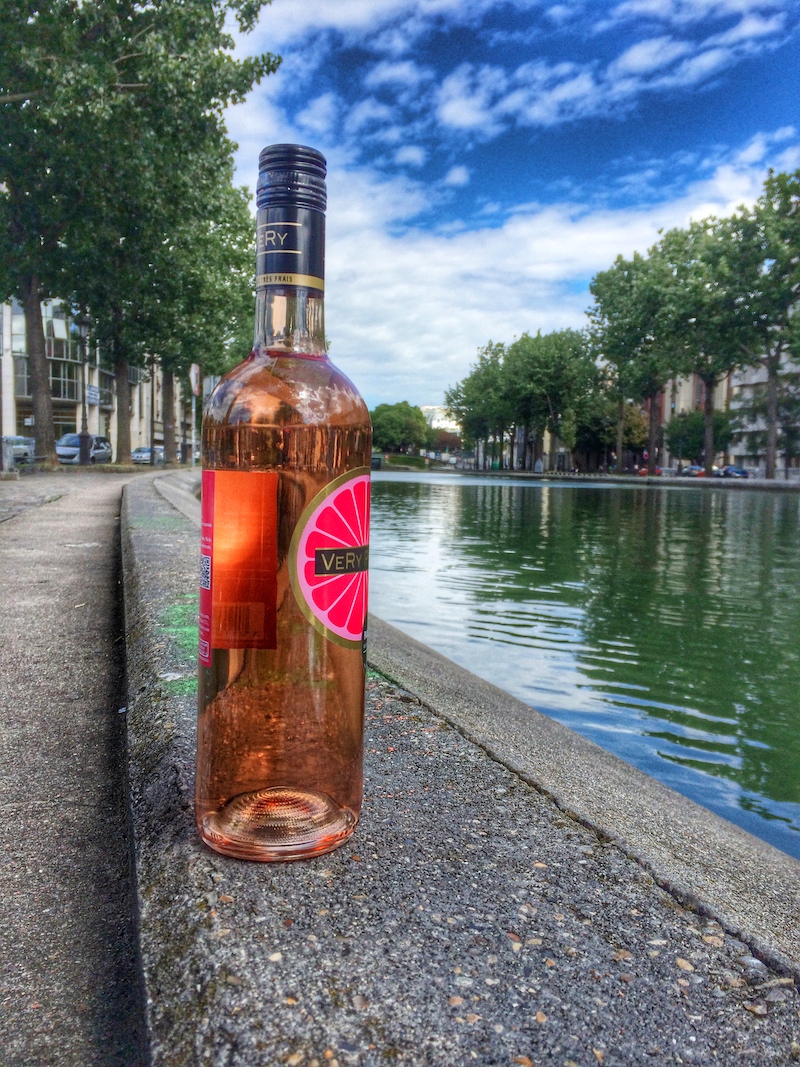
    After gorging on cheese I walked through Bastille up to Canal St-Martin. I had heard Canal St-Martin was the hip “new” Paris hood to visit. It was quiet along the canal; shady trees and bridges crossing over the green water. People were taking walks, but it was early afternoon on a Monday, so things were relatively quiet. I stopped in a supermarket and bought a 5-euro bottle of (not chilled) rose to drink along the water. It wasn’t worth the 5 euros…

    Stop 6: Notre Dame

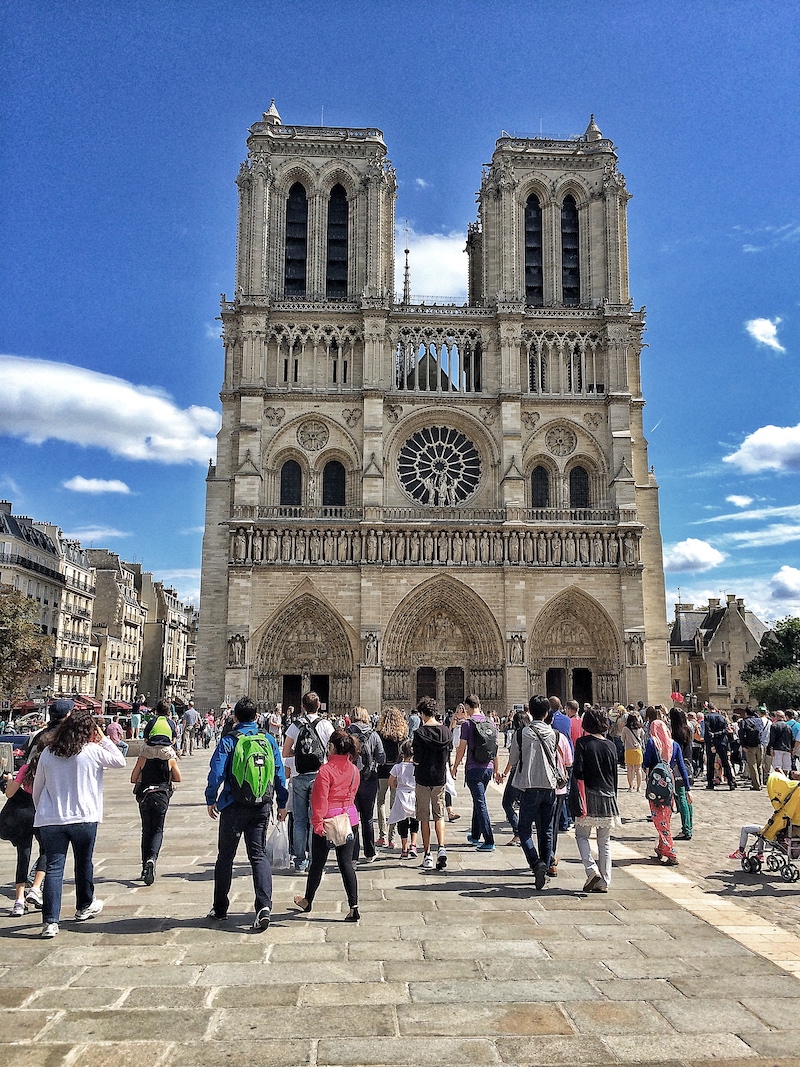
    This is my favorite spot in Paris; it just feels like the center of the world. I didn’t think I’d have time to make it down here from Canal St-Martin on my way back to the airport, but I actually had plenty of time to metro down to the cathedral and wander around Ile de la Cite.

    Stop 7: Seine

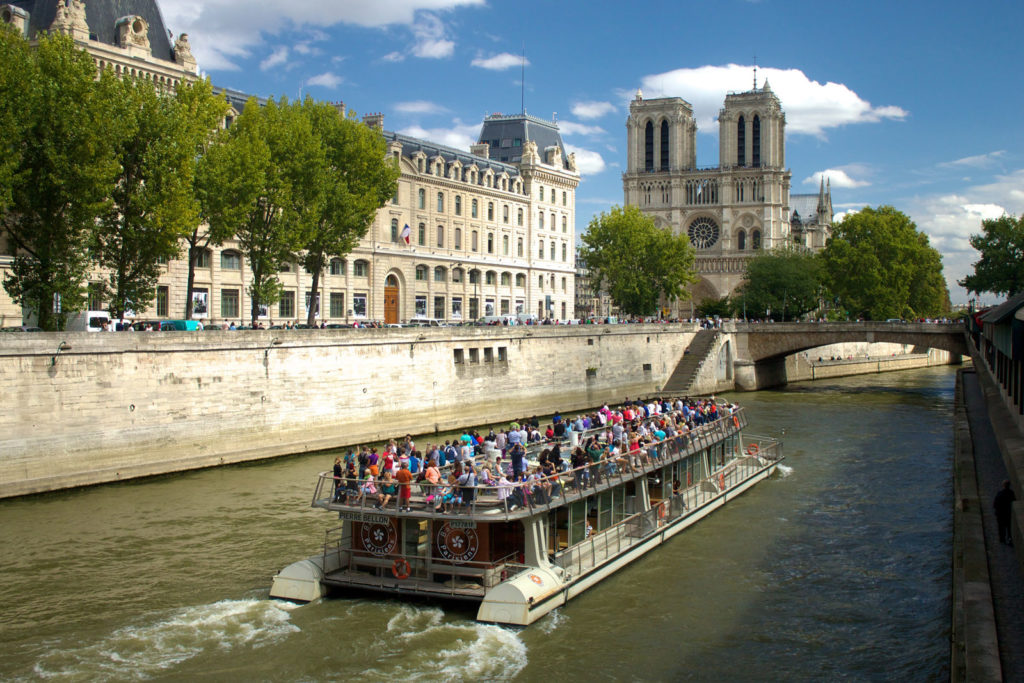
    Before taking the RER back to CDG, I took a walk along the Seine and watched the boats. Hopped on a 3:30 train back to the airport, picked up my bags, and had plenty of time to check in for my 6:50 pm flight.

  • How to Visit Iceland’s Blue Lagoon

    How to Visit Iceland’s Blue Lagoon


    You can’t go to Iceland without seeing the Blue Lagoon. Partially because it’s one of the country’s biggest must-dos, and partially because it’s so close to the airport that it’s just silly how easy it is to squeeze in before or after your flight.
    I spent the morning at the Blue Lagoon before flying home from Reykjavik. I booked transportation through Reykjavik Excursions (the company could work on its customer service but it’s the easiest when it comes to booking online/planning ahead). I left Kex Hostel in downtown Reykjavik at 9:30 am, took a transfer van to the main bus terminal. From there I boarded a coach and set off on the drive to the Blue Lagoon – about 50 minutes from the city. The bus promised free WiFi, but it didn’t work.

    Upon arrival at the Lagoon (you don’t see much except black volcanic rocks at first) there’s a place to drop off luggage. Costs about 500 ISK per bag. There are lockers inside, so check your bags here, but keep a smaller bag with you.

    After checking your bags, continue into the Lagoon complex — you’ll get a glimpse of the electric blue water but not the lagoon itself.

    This is important: buy tickets in advance!! You’ll skip the big line. It’s easy online and there are a lot of different combos. I bought the standard package (35euro) a few weeks in advance, then added on a robe (10 euro) when I checked in — so don’t worry if you want to upgrade once there. I also booked an in-lagoon massage and transportation in advance, all via the Blue Lagoon website.

    Blue Lagoon
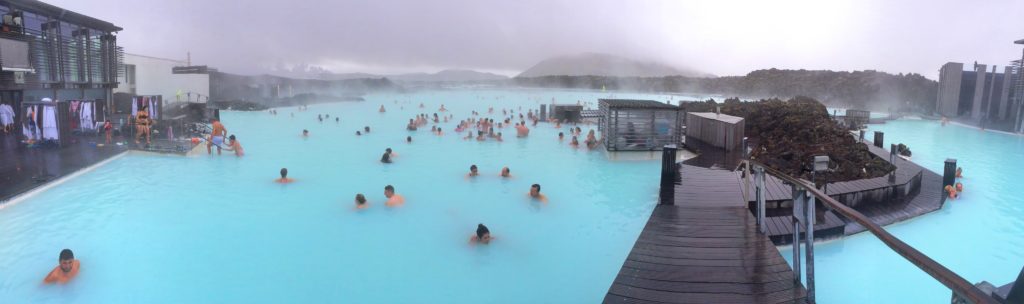
    Blue Lagoon panorama

    When you check in you’ll get a digital wristband, then you go inside and get a locker. The wristband is used to lock your stuff in said locker. I recommend bringing your own flip flops, hair brush, and a small plastic bag to carry a camera out to the lagoon with you. (There were no pockets in the robe and I needed to get my Instagramming in, so I got creative and tied my iPhone in my robe sleeve using the robe’s sash to hide it there while I was actually in the water. A bag would’ve been much easier!)

    After you find a locker, you continue to the locker room’s showers. You’re supposed to shower without your swim suit on, though a few people kept theirs on. Ladies — it’s recommended that you load up your hair with conditioner before getting in the lagoon, as there are a whole lot of minerals in there that don’t play nice with hair. I did that, but it still took 4 days of deep conditioning after my swim to smooth the kinky curls out of my normally straight hair, so I say go skip the cond and go with a shower cap to just save your hair the trouble.

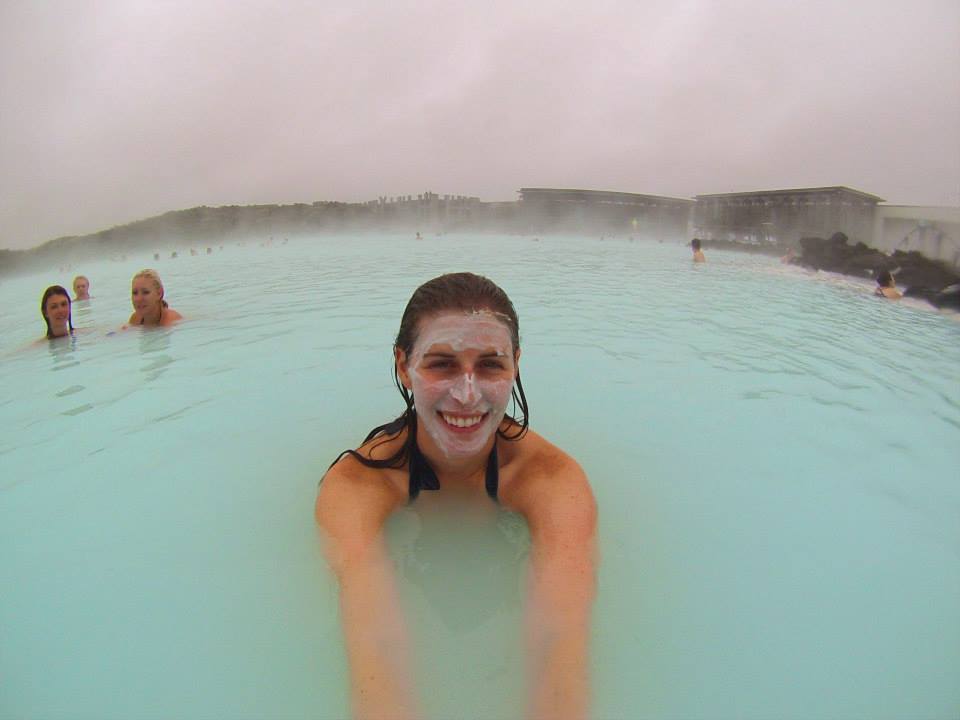
    Head out to lagoon area — the ground can be chilly and slippery, which is why flip flops are ideal. Hang your robe on the racks of hooks (it reminded me of a ski chalet where everyone parks their skis), then… get in! It’s very warm. To the right there’s a bar (don’t worry about money, you just use your wristband to charge stuff and pay when you check out). There are a few small bridges you can swim under. Along the sides to the left/back are silica mud pots — slather it on the give yourself a facial. It’s free. (Some packages also offer an algae mask, but most people just were using the free stuff.)

    10348433_10100817069667645_3062905832280396612_n
    Free silica mud mask

    To the left there are steam rooms, a warm waterfall you can stand under, some nooks, and a water massage area.

    Near the bar a Lagoon employee makes the rounds taking pictures (for free). He emails them to you so you don’t have to bring your camera in the water. (I brought in my waterproof GoPro but was surprised how many stupid people had their pricey DSLRs in there with no protection.)

    I swam around and got a beer at the bar, then put the gray-blue mud on my face. After about a half hour in the water, I moved over to the spa section and got a massage. It was simultaneously wonderful and weird. You float on a soft foam pool raft and are covered with a blanket. The masseuse occasionally dips you under water to keep you warm. It feels like you’re getting a massage in a giant warm bath, but since there’s no resistance from the water and the raft makes back access difficult, it can feel awkward when the masseuse reaches back there.

    The steam rooms near the massage pool are small but weren’t very crowded. There’s also an upstairs relaxation room, which is quiet — actually for a major tourist site/bar/place with kids the whole lagoon was surprisingly quiet.

    At 1 pm I went back inside, showered, dumped the robe, and put on my clothes. Checked out and paid balance (I had paid about $192 up front for the bus, entry, and massage, so the remaining $20 or so covered the beer and robe). There can be a line to get out of the locker area, but I lucked out and had extra time, so checked my email using the hotspot in the cafe. You can also walk up to second level where there’s an outdoor photo viewpoint.


    On the way out, I walked through the very pricey gift shop and went to pick up my luggage. Got to the luggage check about half hour before the bus was supposed to leave so had some time to check email and charge my phone in the one wall outlet while I waited.

    My flight was leaving Reykjavik at 4:50 pm so I took a 2:30 pm bus from the Blue Lagoon to KEF. The ride took about 20 minutes.


  • I Got 193 Emails Pitching Valentine’s Day Travel Stories. Here are 5 Ways to Make Yours Stand Out.

    I Got 193 Emails Pitching Valentine’s Day Travel Stories. Here are 5 Ways to Make Yours Stand Out.

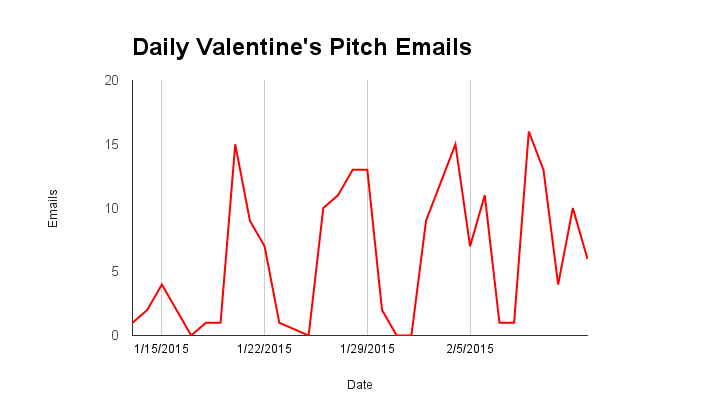
    chart

    For the past month or so leading up to Valentine’s Day, I’ve been tracking the number of daily V-day/singles/romance-infused story pitch emails I’ve received from public relations reps and CVBs.

    The total count is 193.

    Honestly, it felt like it was much higher. And that’s part of the problem.

    Even on a “slow” day, like on Friday, Jan. 30, when only two pitches with the word “Valentine” appeared in my inbox, my instinct was to just glance at the subject and immediately trash the messages. V-day fatigue had set in.

    Sure, it’s a popular travel day—especially when it falls on the long President’s Day weekend. But the number of ways people tied their product or property to the holiday in hopes I’d be able to cram it into a “Romantic Round-Up” was dizzying. I was told to “fall in love with” everything from hotel specials, indulgent cocktails, and European barge activities to heart-shaped pancakes, beef hearts, and Waze (even though I work for competitor MapQuest).

    Meanwhile, I had already assigned our Valentine’s stories (an admittedly uncreative series of “romantic things to do” in the 10 cities we were creating travel guides to) back in early January, before most of these pitches came in.

    So in the name of better editor–PR cooperation, here are some ways the nearly 200 people pitching Valentine’s Day stories could have caught my attention:

    1. Pitch something else.

    Remember that fatigue I mentioned? By early February, if I saw something Valentine’s related in a subject line my interest instantly plummeted. I received 193 Valentine’s emails. Know how many Black History Month pitches I got? One. And given Selma‘s Oscar nominations and the 50th anniversary of the Selma to Montgomery March next month, there’s a much more interesting—and timely—travel angle there than a singles appreciation package.

    2. Consider your subject line.

    This tip goes beyond Valentine’s Day—think of your pitch email subject line the same way we think of our headlines: will this make me want to click to read more? Writing in all caps is a no-no; I feel like you’re yelling at me. Putting the full gist of the pitch in the subject is fine, but I will often only read that line. On the other hand, sending a more casual, regular email–style subject, like the one I got that just said “Belize + Tinder” is more likely to make me open it, read it, and give it more than 3 seconds of consideration.

    3. Pitch on the weekend.

    I’m pretty sure I’m going to kick myself for this one later, but the data doesn’t lie. See the dips in the chart? Those are weekends. Almost no one sends pitches or work emails then, but here’s a secret: most of us don’t stop checking our email on the weekend (thanks, smartphones).

    4. Be funny or creative.

    I know, I know. You have a lot of clients and are trying to send out news quickly in case it’s a fit somewhere. None of us have time to gussy up every email. But if it’s really something you want to stand out, consider telling the story in a funny way. This isn’t a travel/work pitch (and wasn’t counted in the 193 emails), but look at what Noodles & Company did for Valentine’s Day: they made a video recreation of the classic Lady and the Tramp spaghetti scene with their product and real dogs. It’s funny, it’s entertaining, and it associates their product with V-day. I don’t even like dogs and I watched and shared this video a few times.

    5. Ask what we’re looking for.

    Want to know what I’m working on? Just ask! Travel editors want to work with PR contacts. But as Zach Schonfeld proved in his exhausting attempt to reply to every PR pitch he received, we just get too many emails, and we have to choose what’s most relevant to reply to. For me, those are often sincere (and brief) questions about what I’ve got in the pipeline and what sort of stories I generally cover. For example, last year for Valentine’s Day, I assigned a series of online dating profiles for Caribbean islands and invited readers to “find their perfect match.”A V-day hook, sure, but the info was evergreen and not just directed at people traveling for the holiday. A few hotel reps asked what I was working on, and when I explained the project, they sent more general, useful info about their island properties—not irrelevant Valentine’s packages. So always feel free to ask—but by email, not by phone please!
  • Philadelphia Weekend Travel Guide


    In November 2014 I took a 2-day food-centric trip to Philadelphia. The visit was sponsored by Visit Philly, who gave me a budget $400 to eat my way through the city. Here’s what I did:

    How I Got There

    Philadelphia is an easy Amtrak ride from D.C.; it takes about two hours.

    Where I Stayed

    Lowes Hotel: A luxurious hotel set in a historic 1930s skyscraper. The building used to be the old PSFS bank, and is centrally located in Center City (right at Reading Terminal Market and a 15-minute walk to Independence Hall). 
    Friday  

    Bank and Bourbon: The restaurant in the Lowes Hotel has a farm-focused menu and a lot of bourbon. The decor and theme plays up the building’s past as a bank. Try the Secret Knock cocktail, which is a blend of bourbon and milk.
     
    Reading Terminal Market: Food bazaar full of colorful stalls and vendors. You can get grocery items here, as well as to-go food, like pork and beef sandwiches at Dinic’s. I tried one of the classics: a roast pork with provolone and broccoli rabe sandwich.
     
    Independence National Historic Park: This square is steeped in history. Start at the Visitor Center to get your bearings, then head over to Constitution Hall, which has a fabulous circular exhibit detailing the constitutional and political history of the U.S. From there it’s an easy walk down a central lawn to Independence Hall. Nearby is the Liberty Bell (likely with a line of people waiting to catch a glimpse). Rangers tell stories about the bell, like what’s the difference between the crack and the gap.
     
    McGillin’s Olde Ale House: The oldest operating bar in Philly (since around 1860). Around the holidays it’s decked out in pubby Christmas decor and they have a few house beers on tap.
      
    Percy Street BBQ: A go-to spot for beers and BBQ. It’s a super lively spot (I got a seat at the bar) and claims to have the largest selection of craft beer cans in the country.

    Saturday 

    Philadelphia Museum of Art: On the river, near some of Philly’s other art museums. There’s a solid collection of Impressionist art. But the main attraction may be what’s outside the museum: the Rocky Steps and Rocky Statue. Go ahead and run up the stairs — you won’t be the only one doing it.
     
    Vetri: Namesake restaurant for one of Philly’s top chefs, this place is warm and inviting and churns out food that’s just artful. Try the chef’s table — you’ll feel like you’re hanging out in the chef’s kitchen eating some of the best Italian food in the city.
     
    Magic Garden: A labyrinth of mirrored mosaic walls and reclaimed stuff like bike wheels and bottles. I nominate this spot as the best place to Instagram in the city. Only 7 bucks to get in.
     
    Dirty Franks: A cash-only real Philly dive bar (including a piñata and stuff hanging from the ceiling). Cash only. Pretty sure the bartender only heard alcohol orders; water did not compute.
     
    Kanella: Fantastically accommodating and homey Cypriot restaurant. Everything on the menu was authentic and delicious (my Greek friend and dining companion approved). Best of all, it’s BYOB.

    Sunday 

    Supper: Nothing says brunch like a 3-level burger and red velvet waffles. (Uh oh, looks like this place is now closed. Too bad!)
     
    Cheesesteak wars: Tried Pat’s and Geno’s, the two Philly cheesesteak rivals that sit cady corner to one another. We got a cheesesteak (wit wiz) at each and did a taste test. The verdict? Geno’s for the win, thanks to its better meat and bread.
     

  • 8 Days in Portugal

    8 Days in Portugal

    In late April/early May I took a family vacation to Portugal—a multigenerational trip for my grandma’s 80th birthday. Here are my (rough, unedited) notes on what I did:

    How I Got There

    United flight from Newark: it was a small plane for an overseas flight; just 3 and 3 seats.

    Where I Stayed

    Lisbon

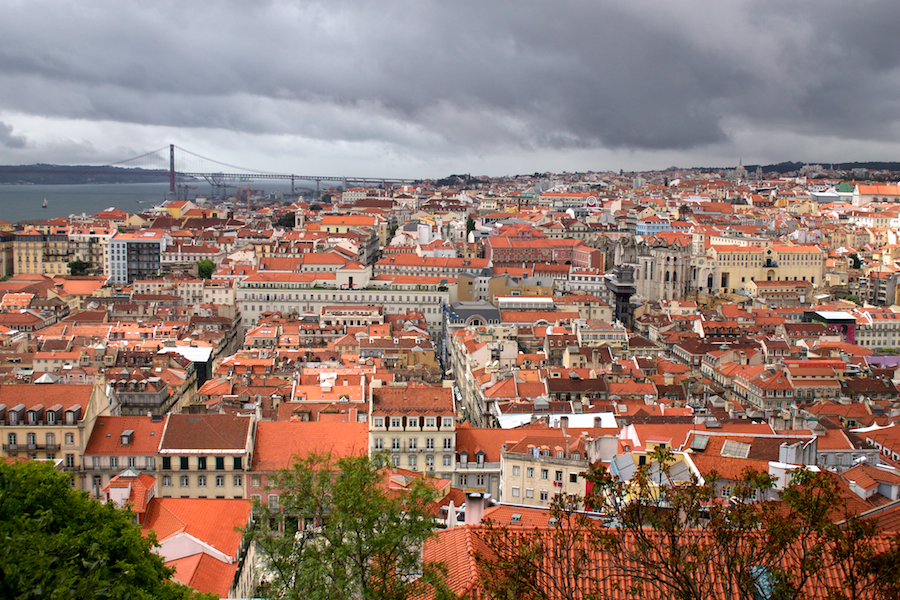
    Portuguese Soul: A 5-bedroom apartment that can sleep up to 15 people near the Saldanha metro station. The owner is a local artist and each room is beautifully decorated with its own themed artwork, such as a full-wall line sketch of the Lisbon cathedral.

    Douro

    Quinta de la Rosa: A working quinta (vineyard) near Pinhao, this place overlooks the river and has a fabulous outdoor terrace where meals are served. Ask for one of the newer suites; there’s a huge difference in quality between these and the rooms in the old house (those are closer to the water, but small and musty).

    Sintra

    Apartment rental: Another beautifully decorated apartment. The owner of this unit is a photographer, and the walls are adorned with enlarged prints from his shoots at the Lisbon Botanical Garden. It’s about a 10-15 minute walk to downtown Sintra.

    Day 1: Lisbon

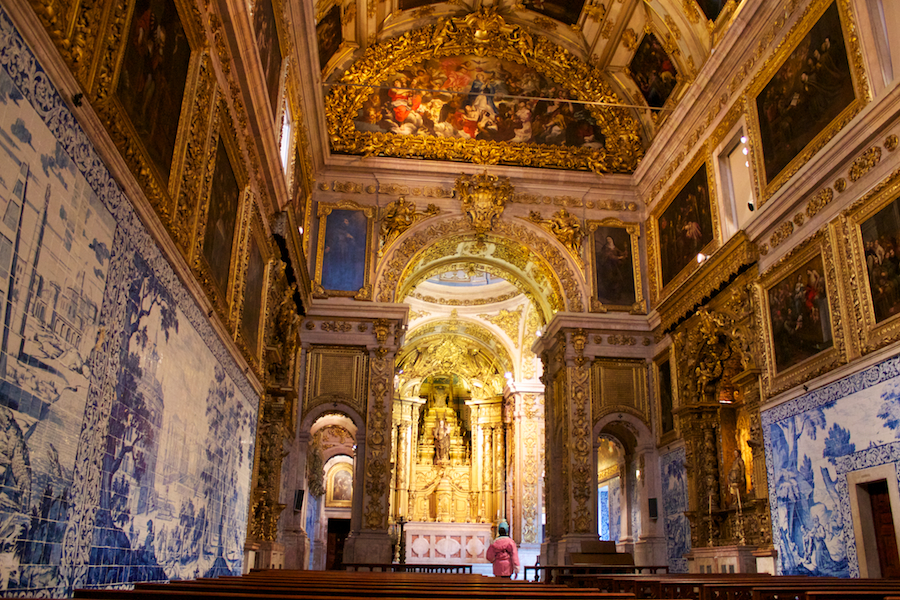
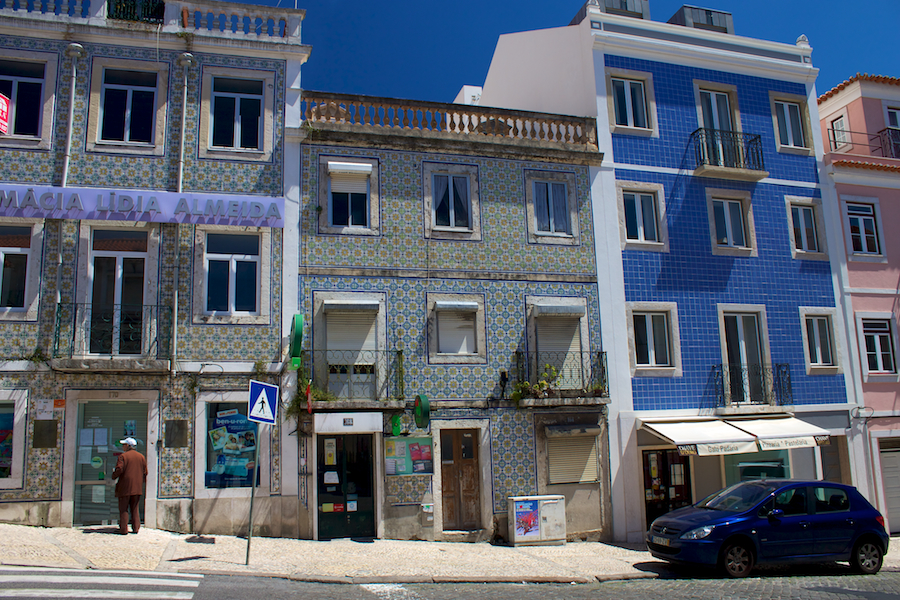
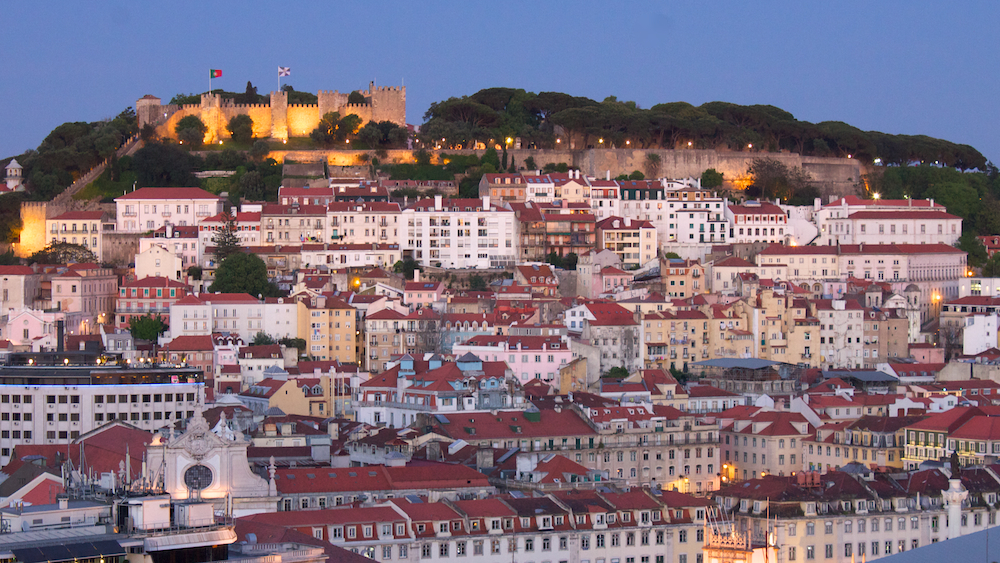
    I walked from Saldanha house down Aves Republica and Liberadade, over to Alfama and up the hill to Castelo Sao Jorge. Then walked down the twisty narrow streets and had lunch at a small cafe. Continued the walk downhill to the Se. From there I took taxi to the Tile Museum, though I skipped 3rd floor, which everyone kept mentioning. Did I miss something epic?

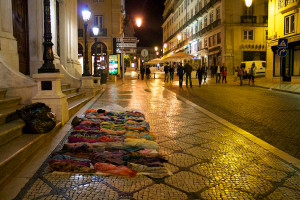
    Ate dinner at Cafe no Chiado, which served delicious risotto and had a full wall of books—it felt like eating in someone’s library. From there I took a cab to Bairro Alto and bar hopped until 3:30 in the morning, trying cocktails, ginjinhas and Super Bocks at the New Orleans-like bar nooks and street party.

    Day 2: Lisbon

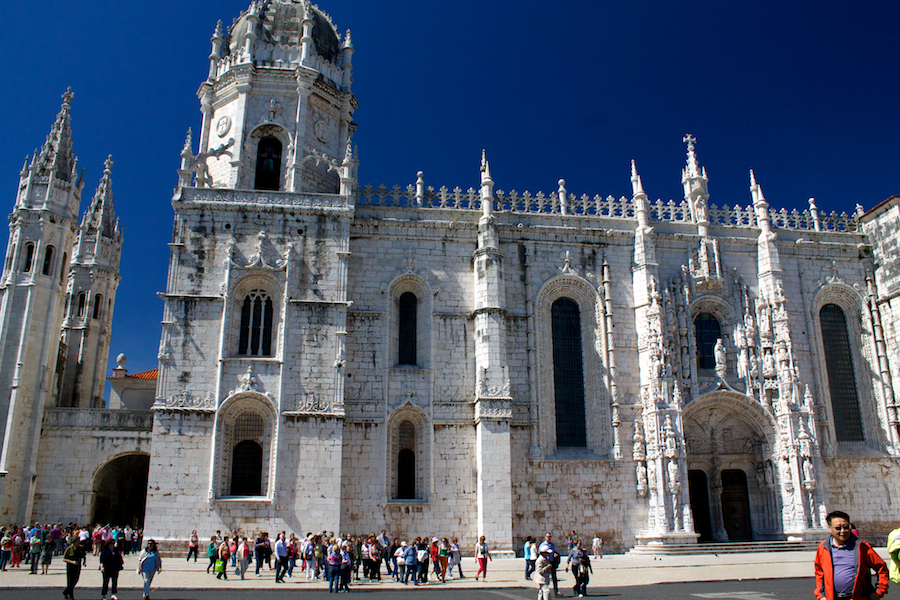
    I rode the bus from Saldanha to Belem, a waterfront neighborhood a good 45 minute ride from downtown Lisbon. The previous night’s bar hopping made for a rough morning, punctuated by a bumpy bus. From the top of the hill where the bus dropped off, I walked through a small botanical garden, then down to the enormous Jeronimos Monastery.

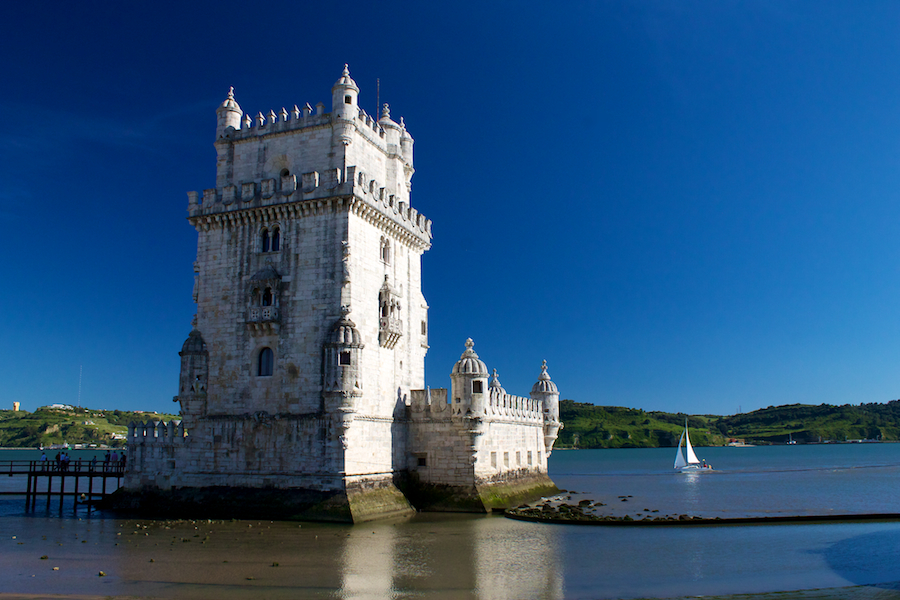
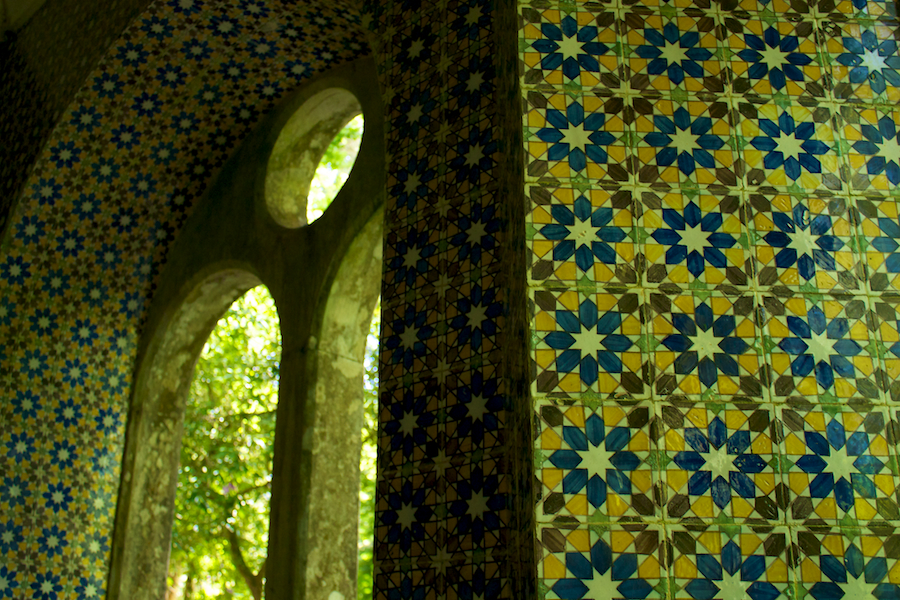
    Ate lunch at Banana Cafe, an outdoor to-go spot across from the monastery with surprisingly fresh salads. Desert was pastries from the Pasteis de Belem—I didn’t go inside but it’s apparently tiled beautifully. I then walked along water past the Soviet-like Monument to the Discoveries statue and the stubby little Belem tower from which Vasco de Gama departed.

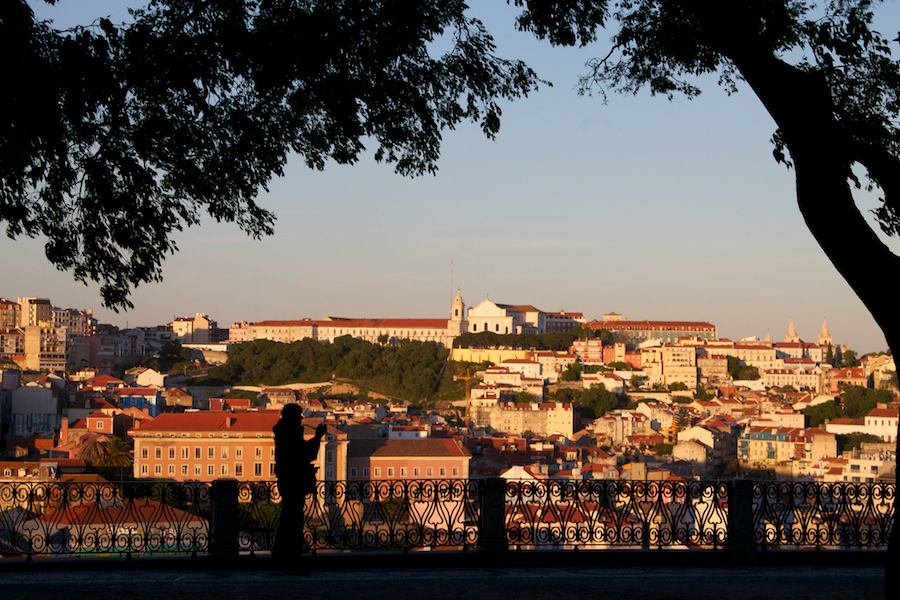
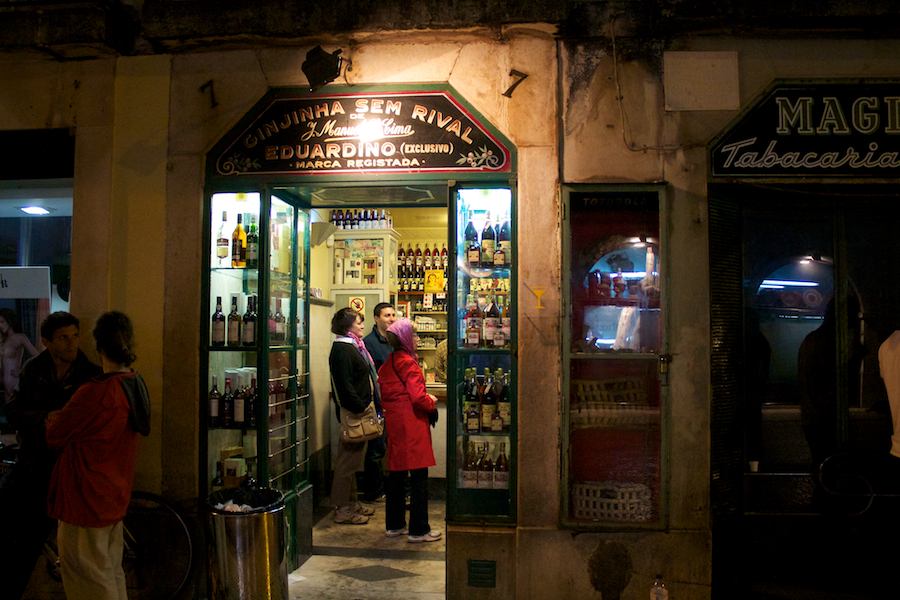
    It took a while to find a cab from the Belem Tower. Spent the evening at Miradouro Sao Pedro for sunset and sangria. Walked to Bairro Alto for din at touristy place. Took funicular down to Rossio and had ginjas at Ginjinha sem Rival.

    Day 3: Lisbon

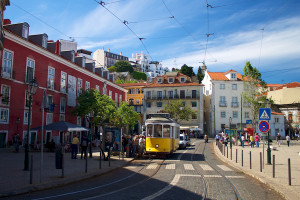
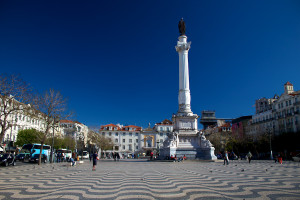
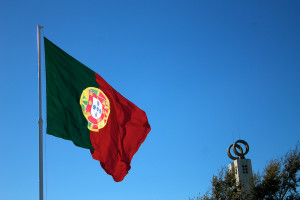
    Took the metro to 2nd to last stop on blue line, Terreiro do Paco, and got out in a large square, Praca do Comercio. Ate lunch in a sidewalk cafe right off the square on Avenida Augusta and took the Tram 28 to Miradouro da Graca. Then walked down to Miradouro Santa Luzia, which had a different perspective than the other miradouros (away from the city center) and had a “beerodouro.” Continued walking down through Alfama past the Santa Justa Elevator and to the Restauradores metro stop. Went home to Saldanha via Sao Sebastio; walked to big Soviet-like park with giant Portuguese flag.

    Ate dinner at Tagide to celebrate my grandma’s 80th birthday. Located in Chiado, it’s a Michelin-rated restaurant with great city views.

    Day 4: Road Trip – Lisbon, Obidos, Nazare, Aveiro, and Douro

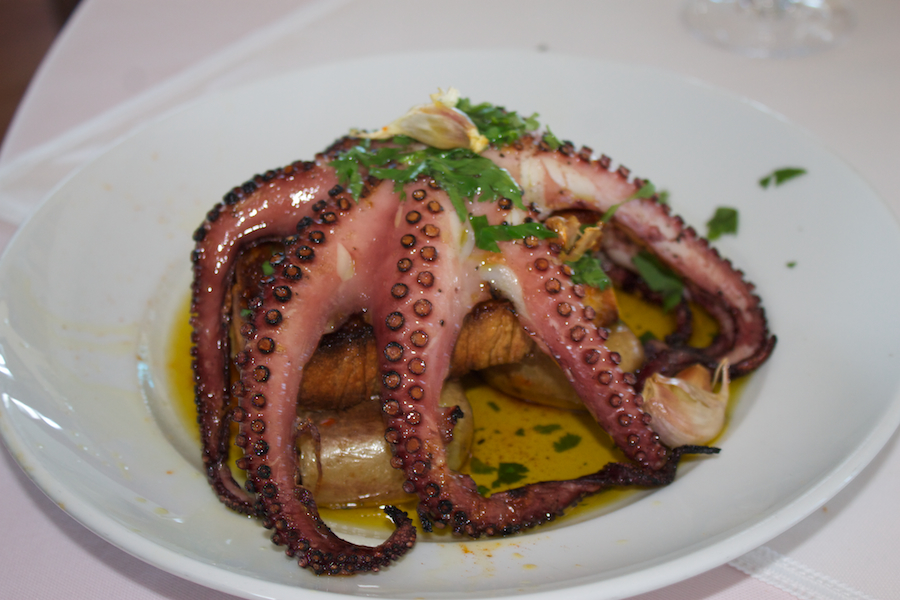
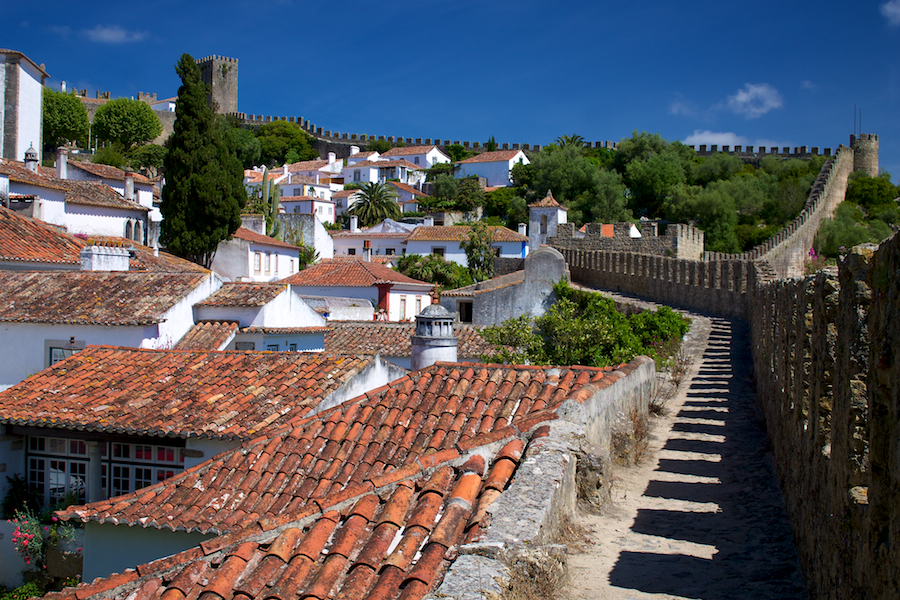
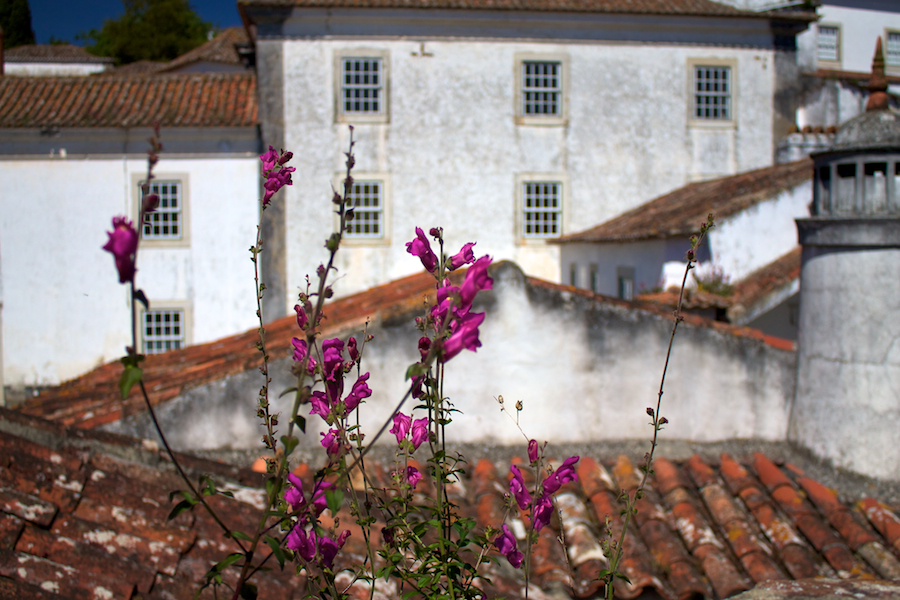
    Drove from Lisbon to Obidos, about an hour away. It’s a well preserved walled medieval town; you can climb the walls and walk around the perimeter. Ate lunch at a shady outdoor cafe near the church. Gihnjas de Obidos, the must-try cherry liqueur show served in a chocolate thimble are from here, and there are plenty of bars with tables outside serving the drink. There are also vendors with art, cork bags and other souvenirs, but the town escapes a total “tourist trap” feel.

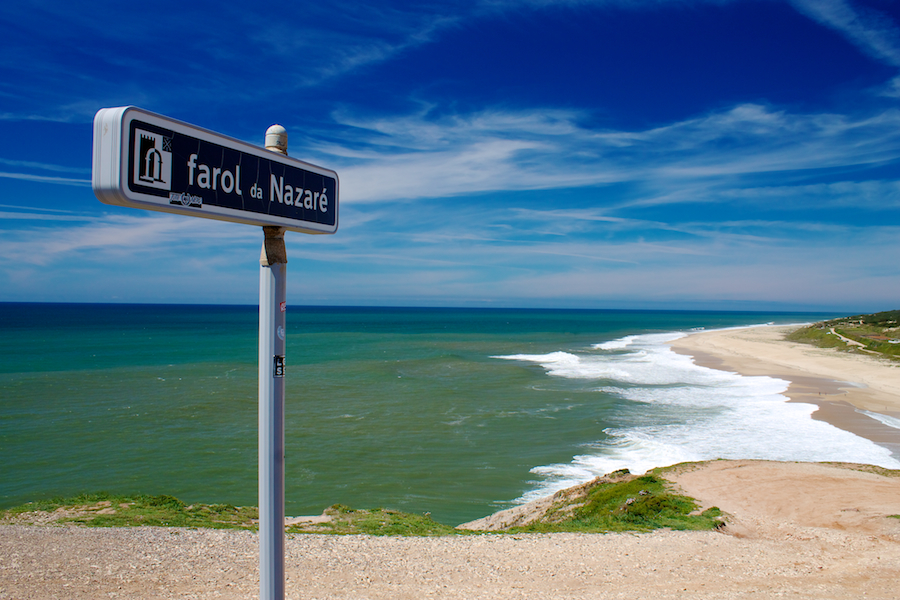
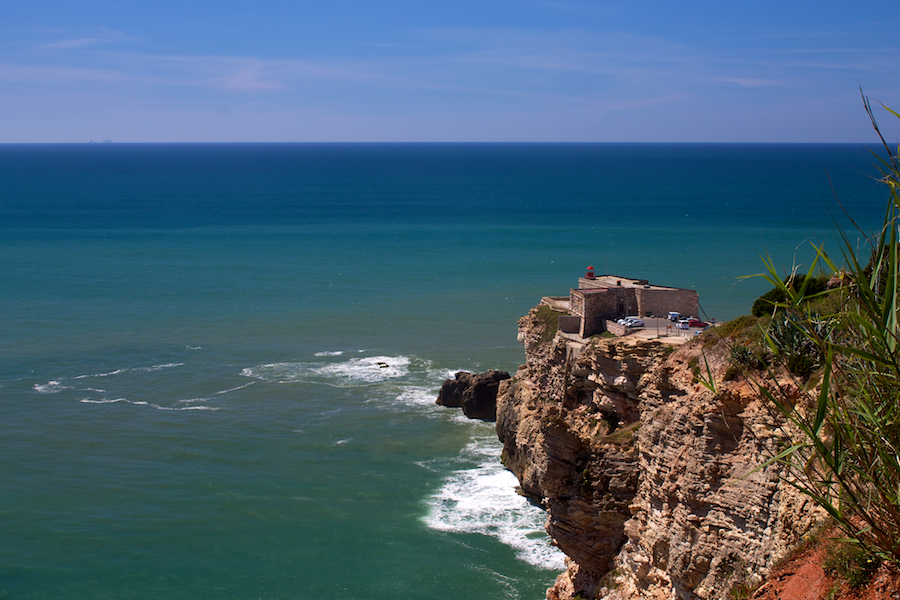
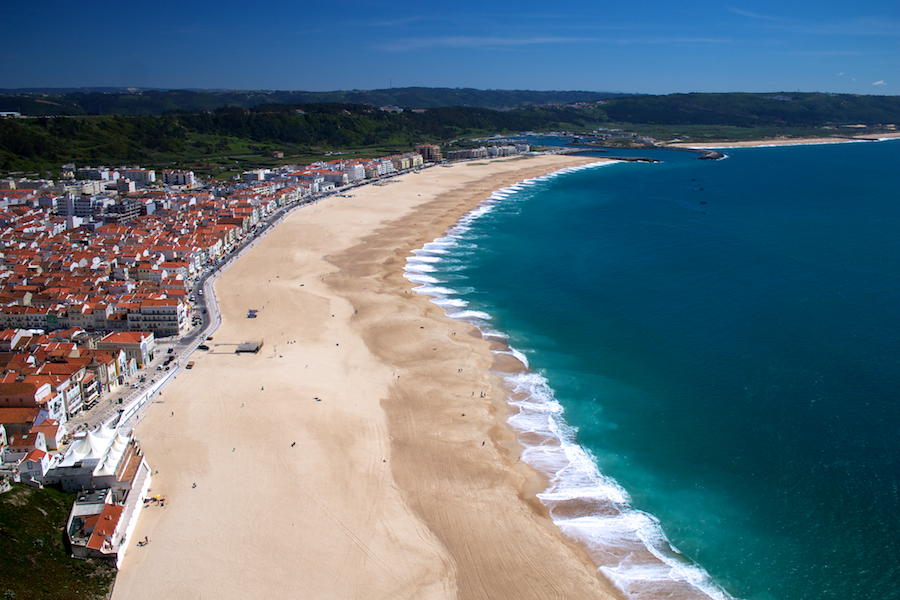
    From Obidos I drove to Nazare, about 30 minutes away. I got out at an overlook near the Farol da Nazare and hiked down the hill to the lighthouse point. This is where, when conditions are right, the some of the world’s biggest waves ever surfed break. There’s a beautiful deserted beach on one side, and while it was flat the day I was there, there are signs detailing the surfing feats that have happened here. I then went back up to the little town center, where a miradouro overlooks the main Nazare beach. You can’t see the lighthouse from town, so you have to walk or drive down (careful, it’s windy).

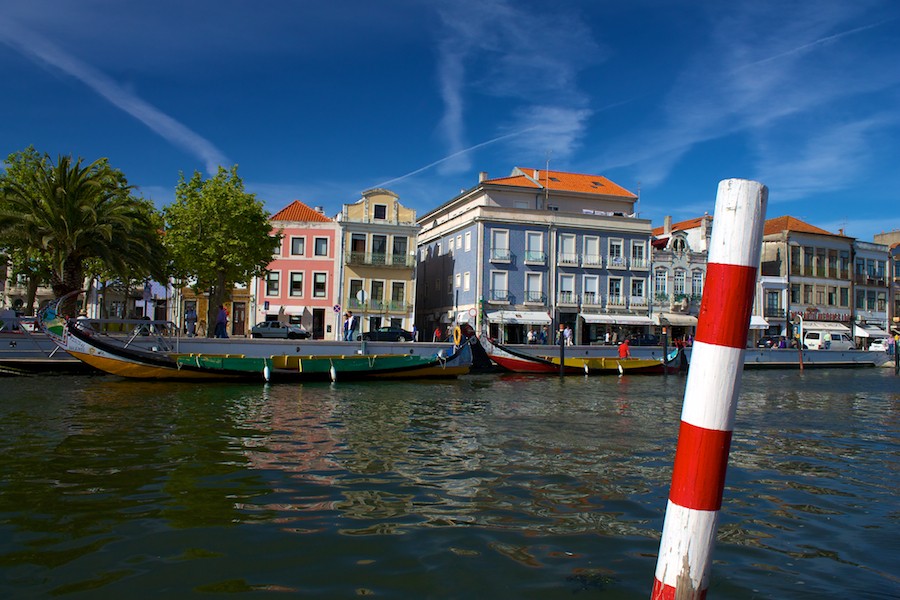
    About 2 hours’ drive from Nazare is Aveiro, known as the Venice of Portugal. Honestly, there’s not much here for a quick visit. I got some pretty pictures at the one canal I saw, but it felt both touristy and shabby. I don’t know if there’s an actual purpose for the canals. ATMs worked here at least; had problems using the ones in Lisbon.

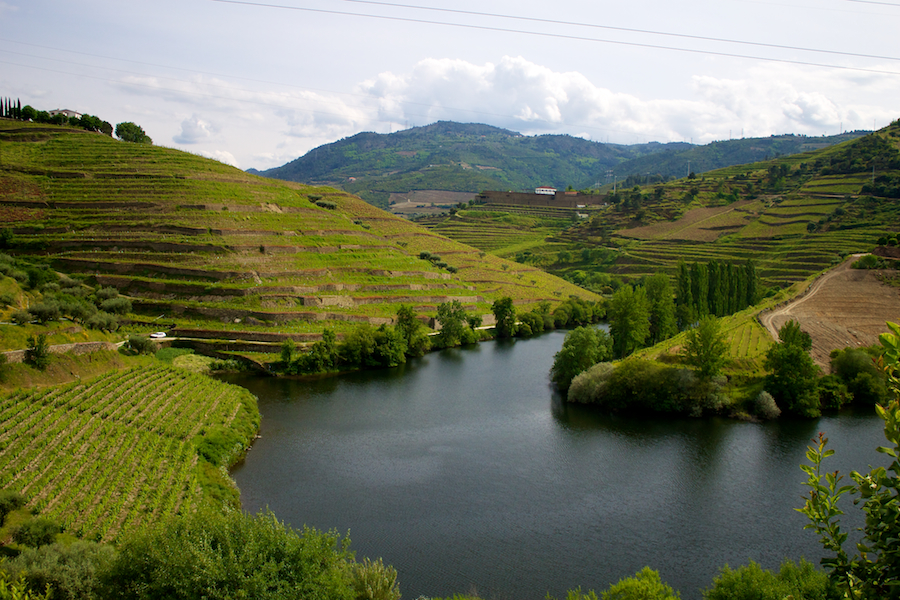
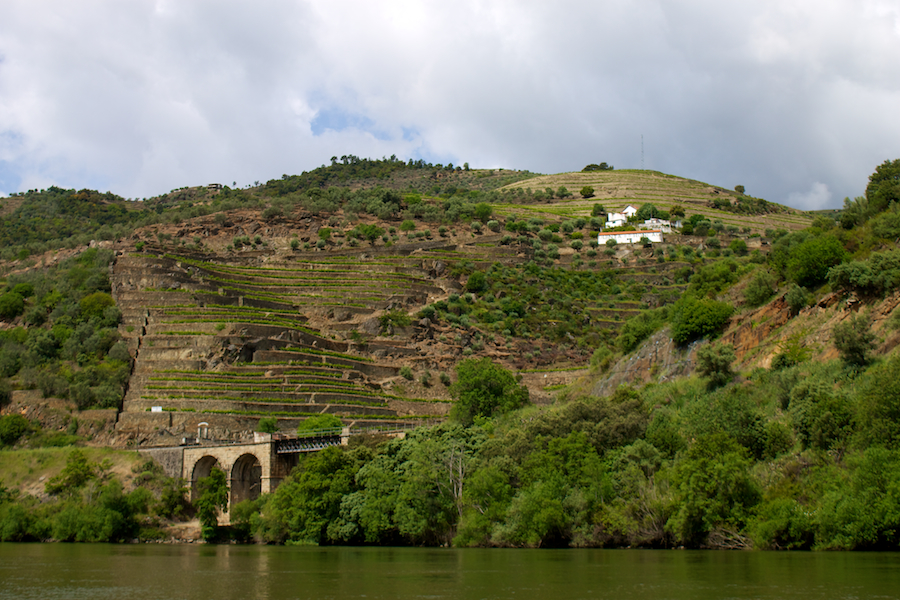
    From Aveiro it was on to the Douro. When I reached the valley, rain clouds were rolling through, with patches of light shining on terraced vineyard hills and a green river. Once you get into quinta country you’ll be on a super windy cliffside roads that are very narrow.

    Got to Quinta de la Rosa just in time for the communal dinner. There was only one dish/menu served; not a lot of choice for picky eaters (my plate of shredded cod and potatoes went untouched). But the wine and port is served liberally!

    Day 5: Douro

    Started the day with a private boat ride on Douro, departing from Pinhao (a 5 minute drive down the hill from Quinta de la Rosa). We passed quintas, terraced hills, and only one other boat—it was very peaceful.

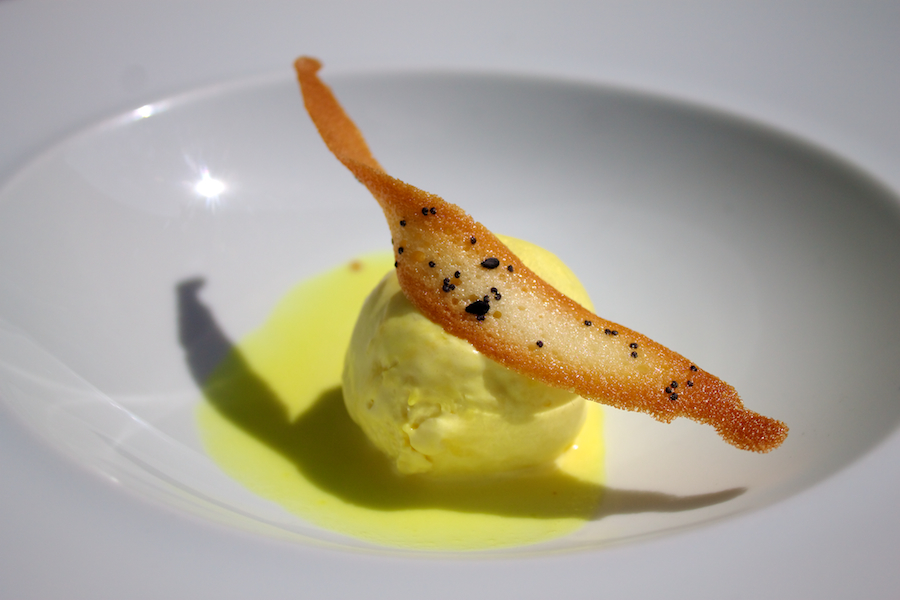
    Then drove to Restaurante DOC, a food temple on the river. The service, setting, and food was all wonderful. I loved the pop rocks mini dessert and the fact that one of the tasting menus is called an “olive oil menu.” After lunch I went to Quinta do Tedo and sampled some red ports—you should call ahead to quintas to reserve a time to visit, it’s harder to just walk in.

    That night I had dinner in Pinhao, a river cruise port town that was dead at night (only one river cruise ship was docked tonight, and the passengers stayed on board). Ended up eating at a family spot, Adega Grande Porto. Again, one meal on the menu, but LOTS of it: huge carafes of wine, and pork, sausage, lamb, Port soaked cake, Port tasting glasses, etc.

    Day 6: Road Trip – Douro, Coimbra, Sintra

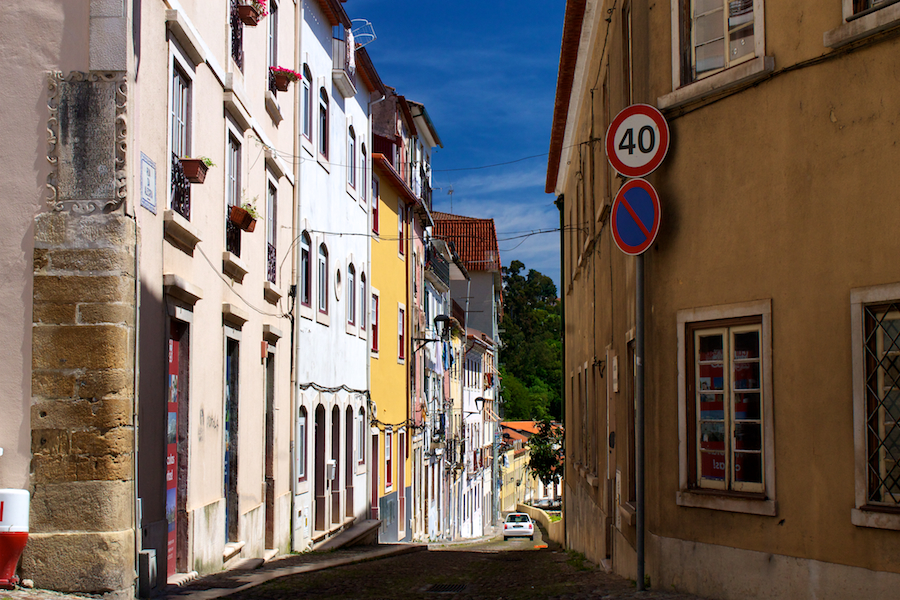
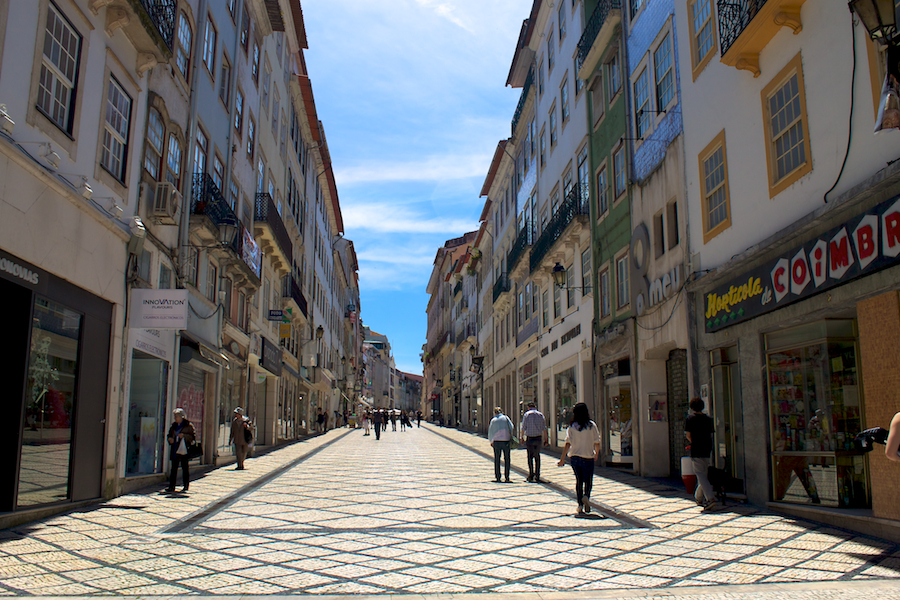
    Drive to Coimbra from Douro (2 hrs or so). It’s a medieval/university town, an odd mix. Lunch at Cafe Santa Cruz, a restaurant built out of part of the adjacent church. I then spent an hour or so walking around the town and across bridge for city views. I then meandered up to the university but left without finding good views.

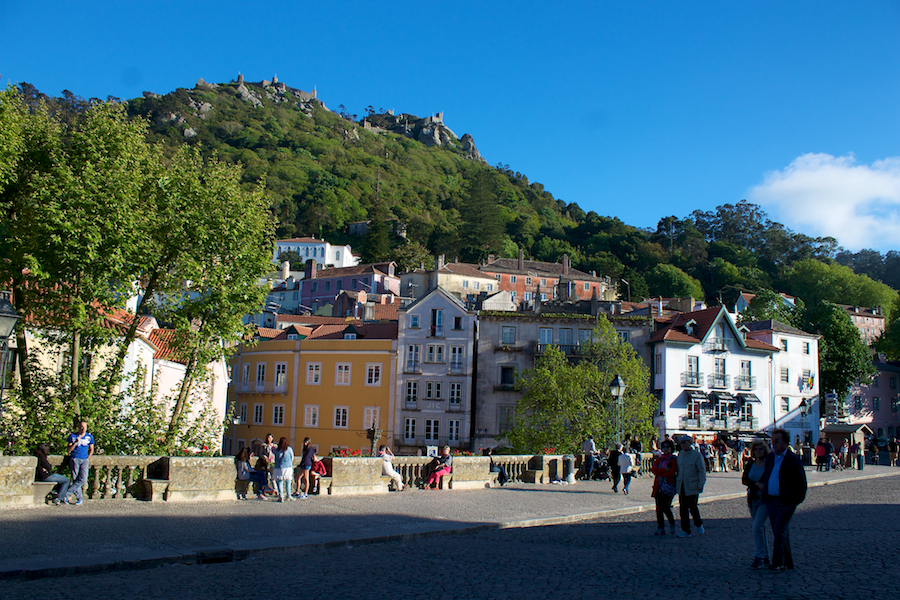
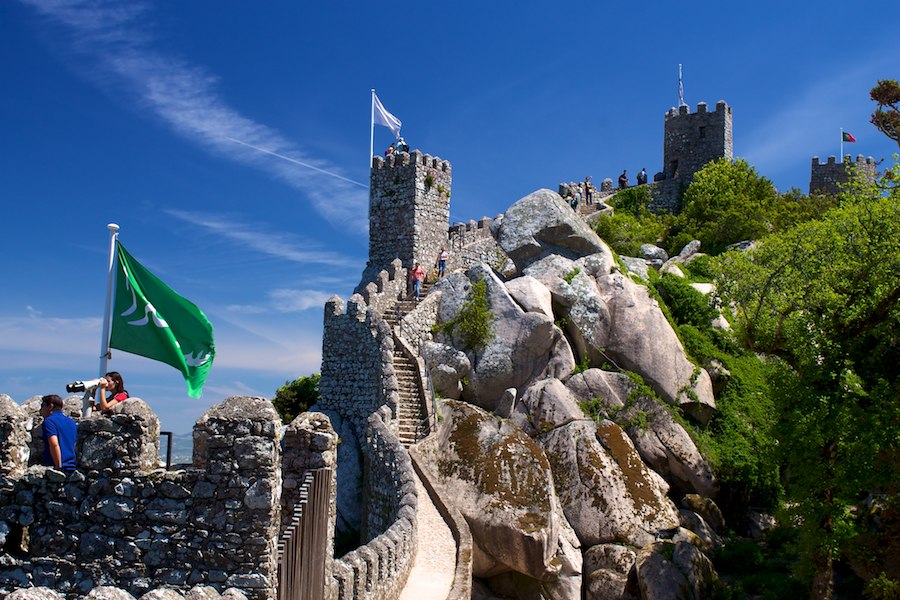
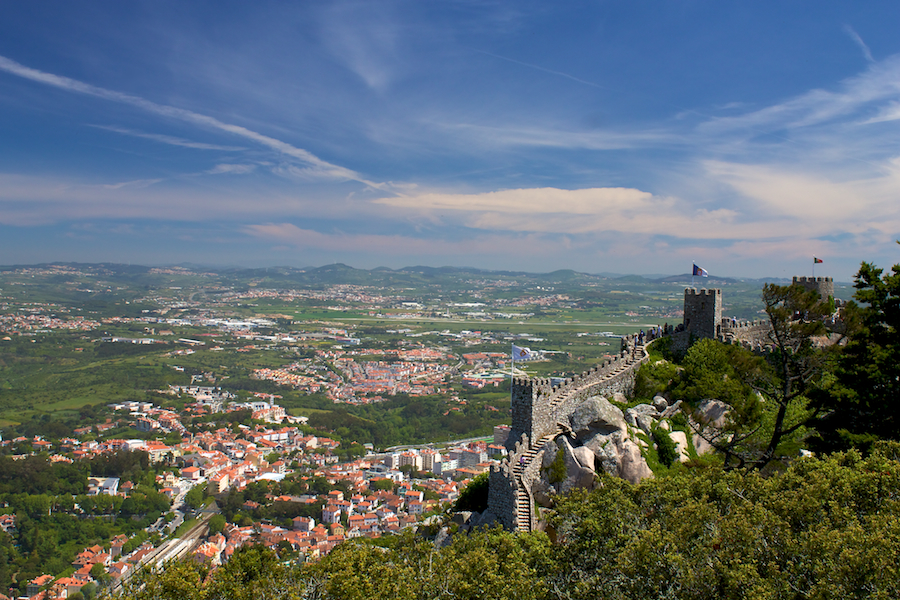
    I drove 2 more hours to Sintra, playground of palaces about a half hour from Lisbon. You can see the Moorish Castle atop the hill as you drive in. I walked into town and had a large drink at the centrally located outdoor patio at Hockey Cafe. A short walk away from the main square is a quiet miradouro; I sat here and watched the sunset. Had dinner at Ristorante Alcobaca, which had a large shark figurine hanging out front. After dinner I got a drink at the bar across from the Sintra National Palace.

    Day 7: Sintra

    From Sintra, I walked up to the Moorish Castle. It was a long, hot walk up—so many stairs. It’s a cool open air fort, with a lot more stairs. There were long lines to the Pena Palace by bus so I walked through the woods, which took about 10 minutes. Tip: go to the Moorish Castle first and buy tickets for both sites there; it’s cheaper and will save you a long wait in line at Pena.

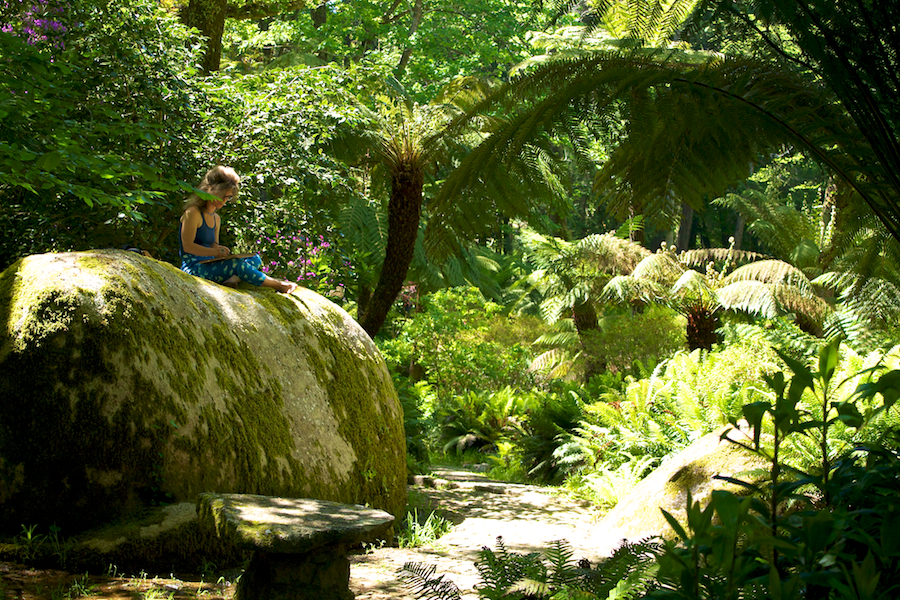
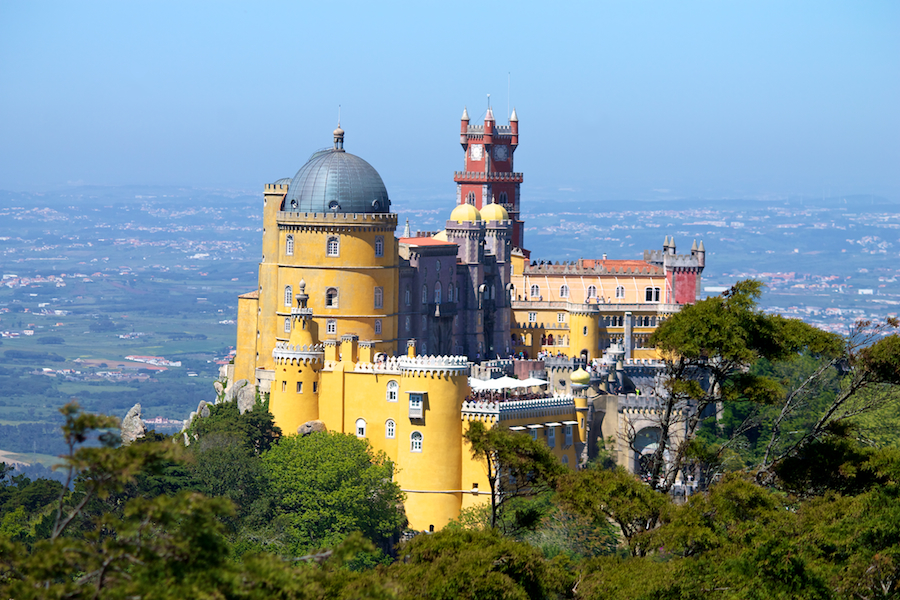
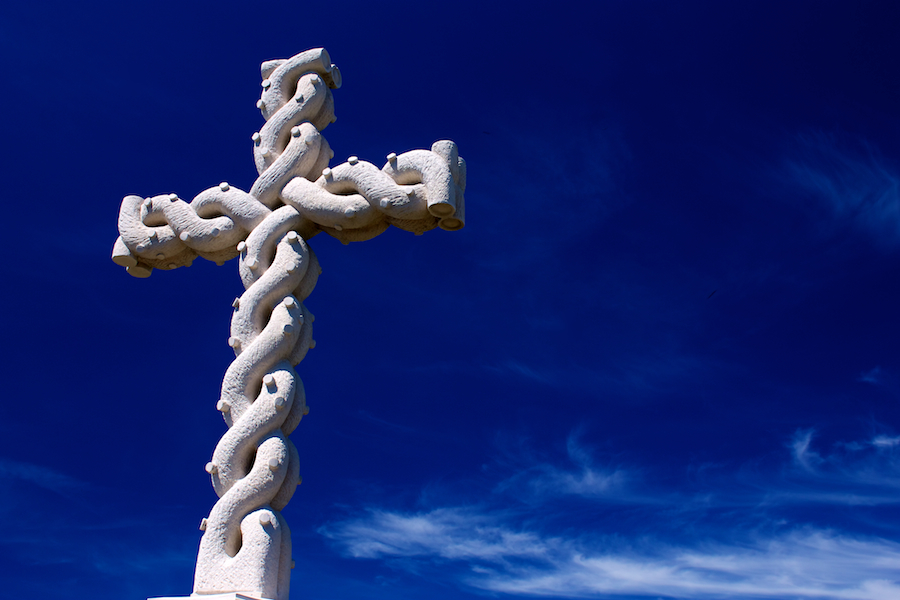
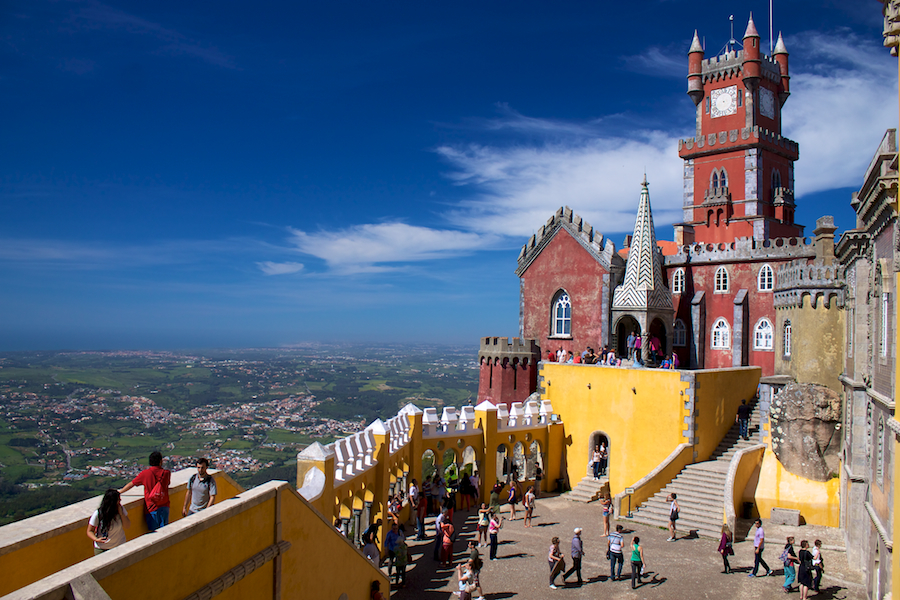
    Pena Palace is a wonky-colored (purple, yellow, black and white checkered) mismatched building set on beautiful grounds. It’s easy to get lost here, especially on the side paths in the gardens. Skip the rooms in the palace (they’re crowded) but walk around the castle exterior and the gardens (be sure to go up to the cross).

    Back in Sintra I had a giant sangria at Hockey Caffe. Watched the sunset at the same miradouro, this time with vinho, and then dinner at a little restaurant right off the miradouro. Had beers at a latenight bar and walked home with the Moorish Castle glowing in the night.

    Day 8: Road Trip – Sintra, Azenhas do Mar, Cabo da Roca, Cascais

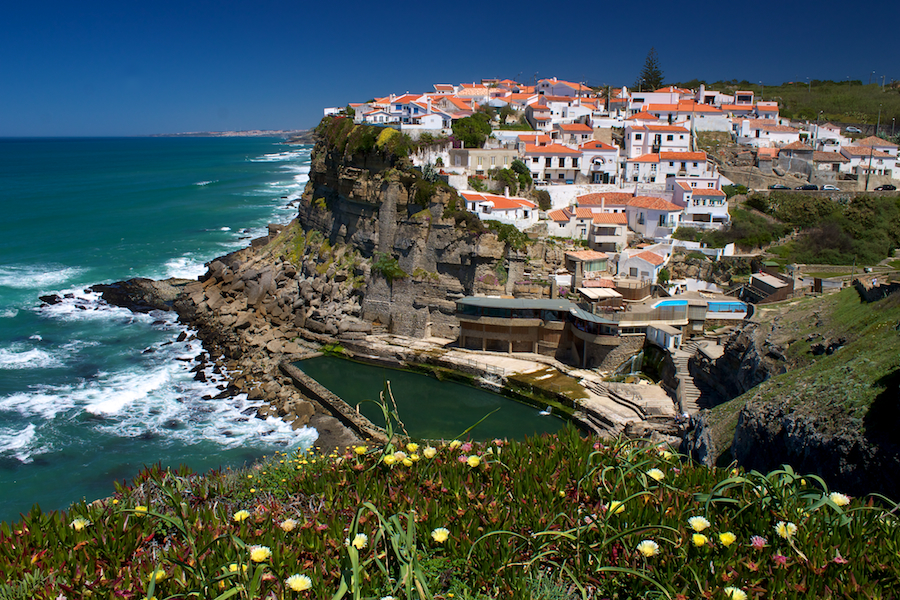
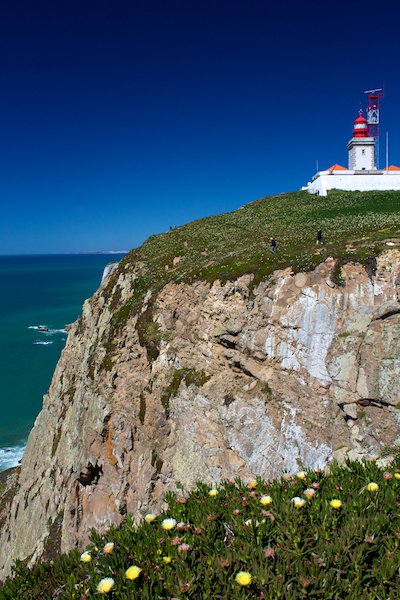
    I drove half hour from Sintra to Azenhas do Mar, a tiny seaside town with an awesome miradouro. Ate lunch at Nortada, a restaurant overlooking the ocean. Drove a little farther down the coast to Cabo da Roca, the westernmost point in continental Europe. From there it was on to Cascais (with a stop at Boca de Inferno, which sometimes turns into a blowhole, though today there were no waves). Cascais was a casual waterside town with a slight, but not super, beachy vibe. I browsed some market stalls and had a beer at a bar on a side street before heading back to Sintra.

    Day 9

    Time to go home!

    Related Posts

    Photos: Sintra, Portugal

    Portugal in Photos

  • Long Weekend in Puerto Rico

    Long Weekend in Puerto Rico


    In March I took a last minute trip to San Juan, Puerto Rico for 3 days (3 nights). Here’s what I did there:

    How I Got There

    JetBlue flight from JFK: so much legroom, plus with in-flight TV I got to watch March Madness on the plane.

    Where I Stayed

    Quality Inn El Portal: I booked the trip about 4 days before my departure date, during high spring break season, so most budget hotels and Airbnbs (and all hostels) were booked. This place was clean, the staff was friendly, there was a (very basic) continental breakfast and it was a 5 minute walk from Condado beach. About $150/night; $25 cab from the airport.

    Thursday

    Bodega Chic: I met my friend Liz after her dinner here. She raved about the French-Caribbean food. Staff was full of recommendations for bars, restaurants and things to do.

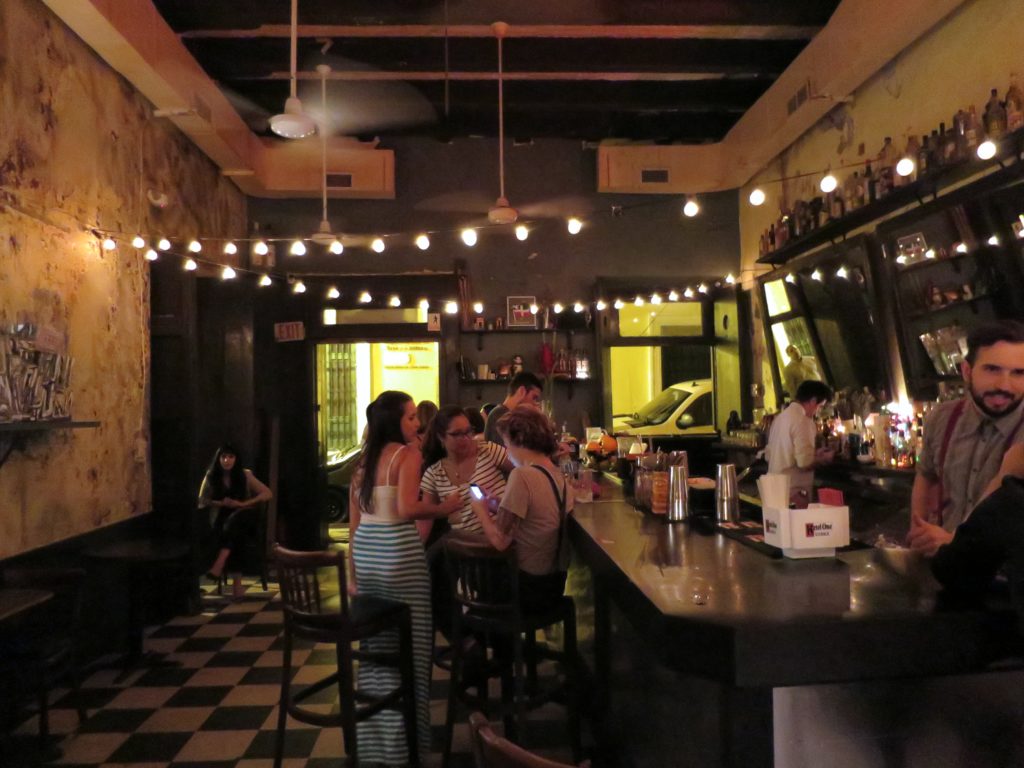
    La Factoria: Liz’s reaction to this place: “It feels like a Mumford and Sons concert in here.” Turns out there are hipsters in San Juan, and this converted factory-turned cocktail den is where they hang out.

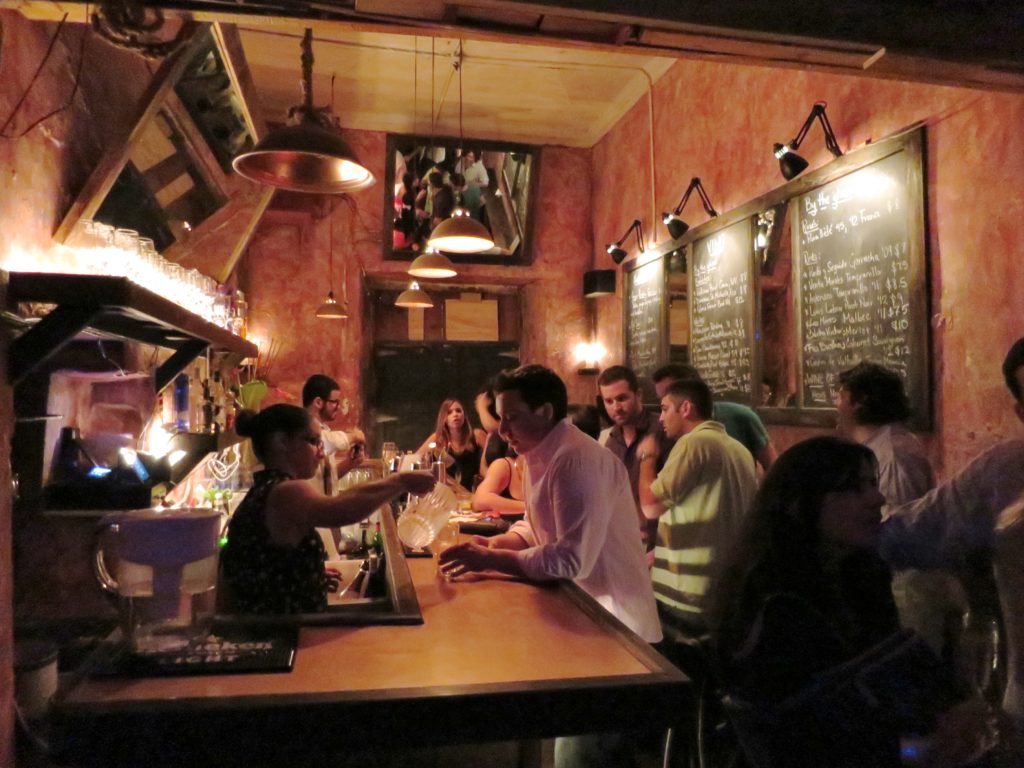
    La Taberna Lúpulo: Craft beer is just starting to become cool in PR but there still aren’t many places to get it. This is one of the best beer bars on the island, with 50 brews on tap.

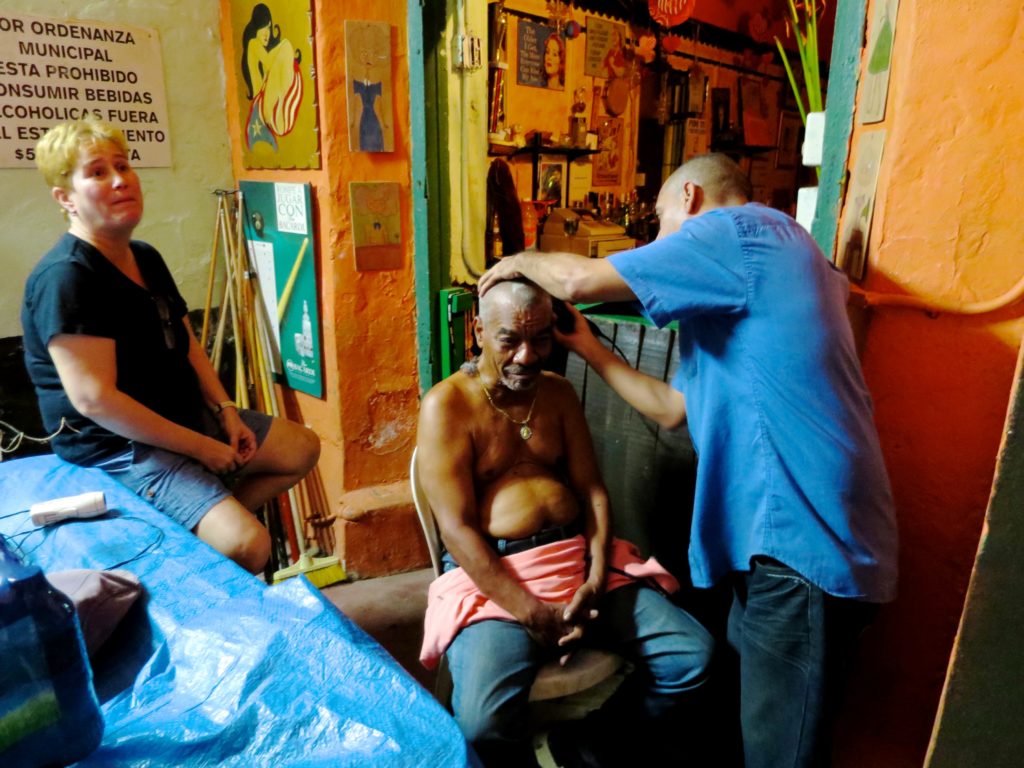
    Cafetin Marrero: A quieter neighborhood bar with a retro New York juke box and bathrooms outside in the back. When we were here the bartender was giving an old man a haircut.

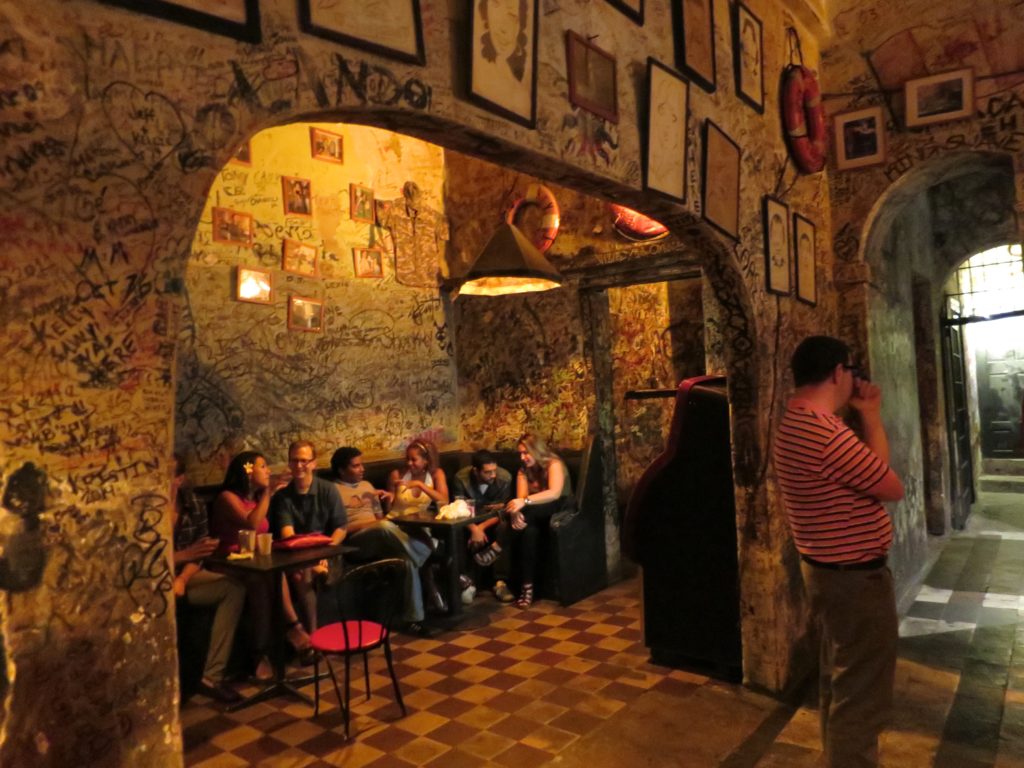
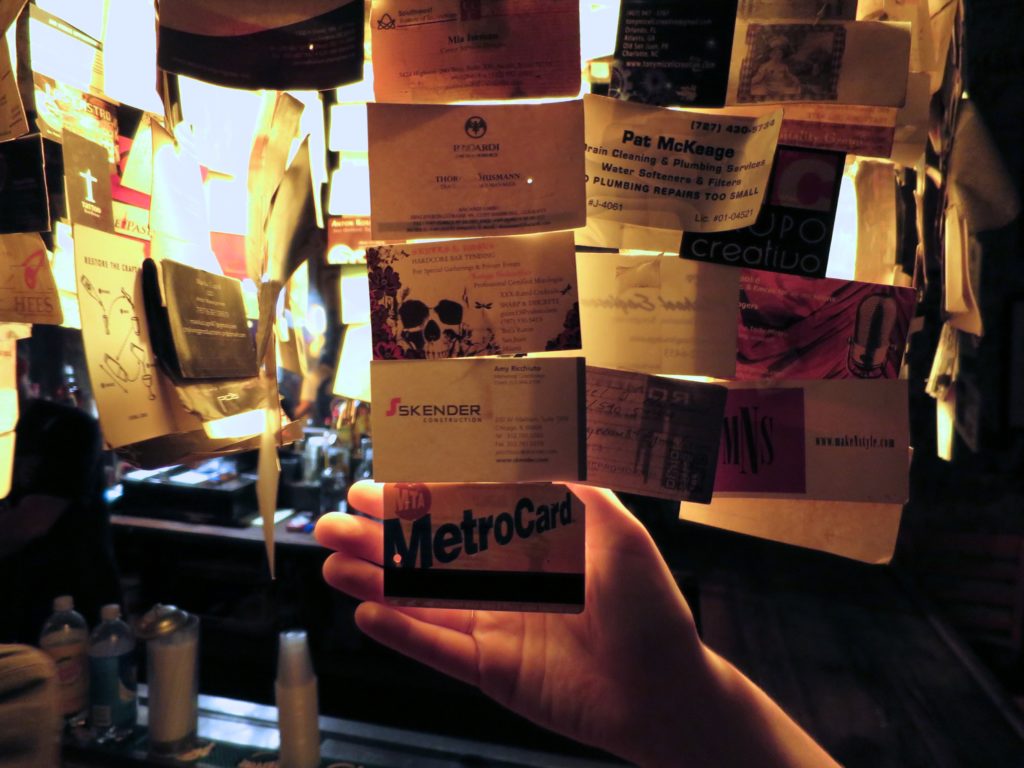
    El Batey: Feels like it should be in Brooklyn (the MetroCards hanging from a lamp help), there isn’t an inch of wall in this bar that hasn’t been scribbled on.

    Oddly enough, about a week after I got back, Conde Nast Traveler published this story that traced a lot of my San Juan steps.


    Friday

    Latin Star Cafe: Not recommended. It looked quick and was on the way to the beach. Cold food and slow service.

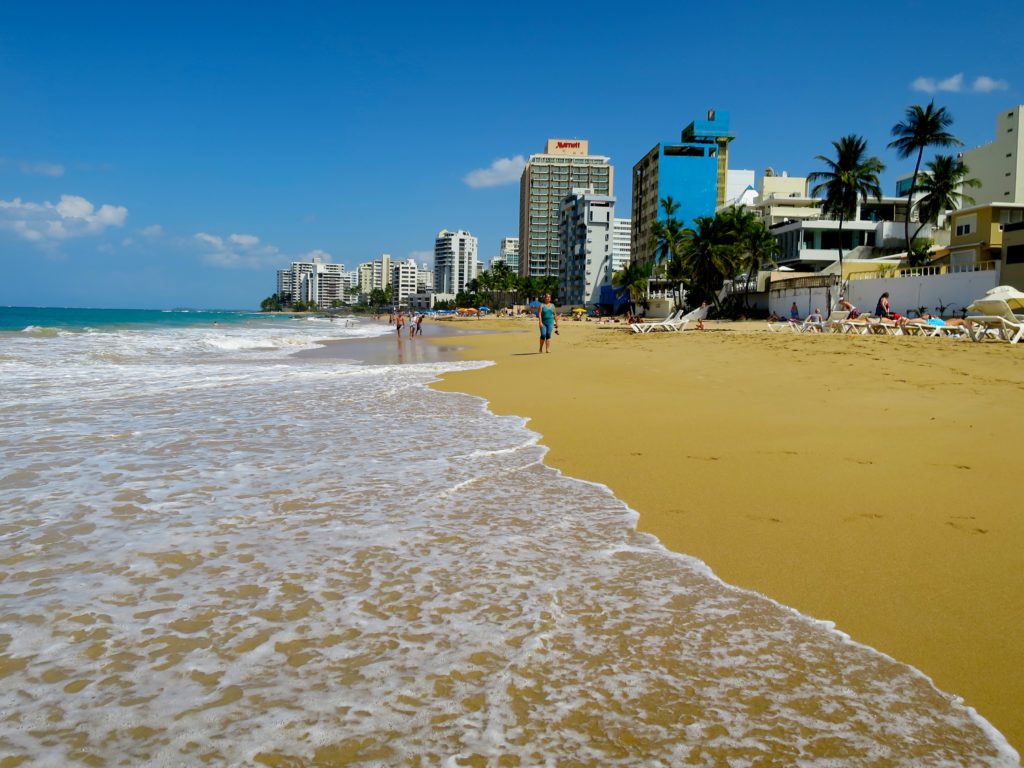
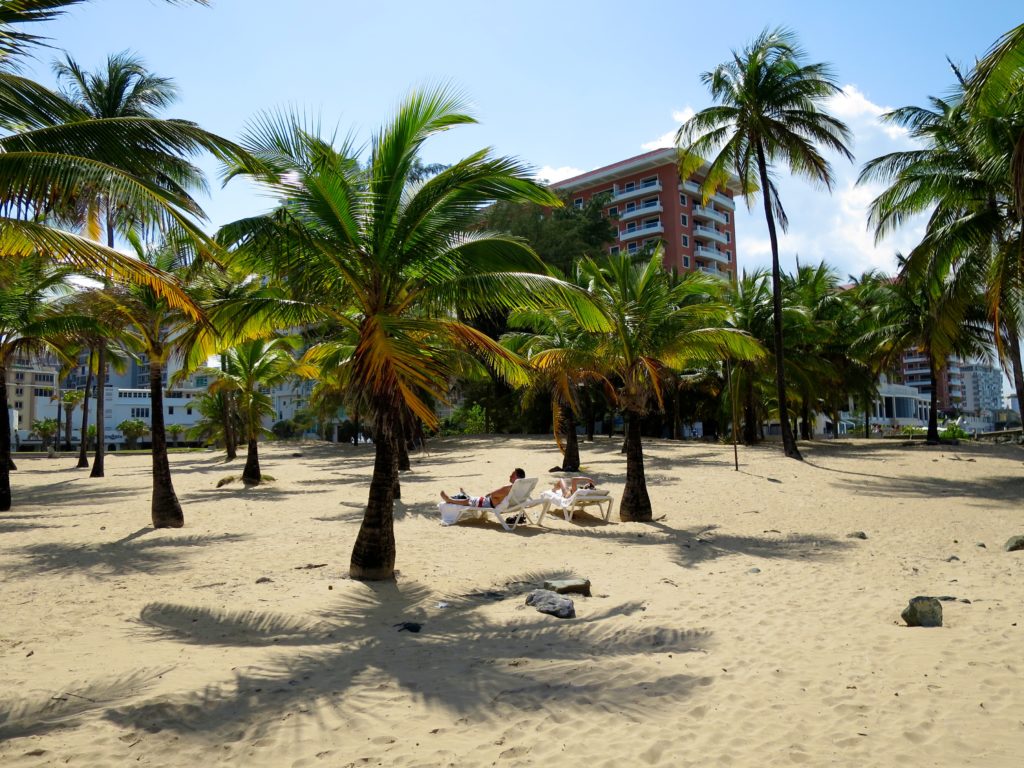
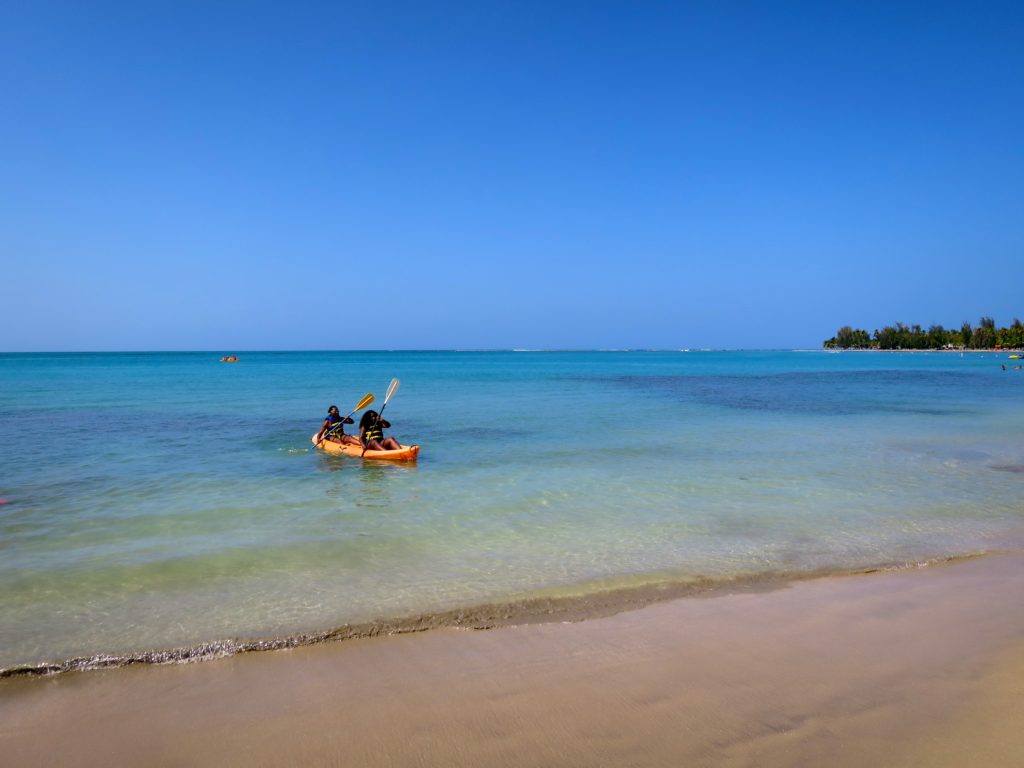
    Condado Beach: Your average hotel-fronted Caribbean beach. But there’s warm water, a few palm trees and ample sand…  and when it’s 35 degrees on the East Coast, those things are sometimes all I care about.

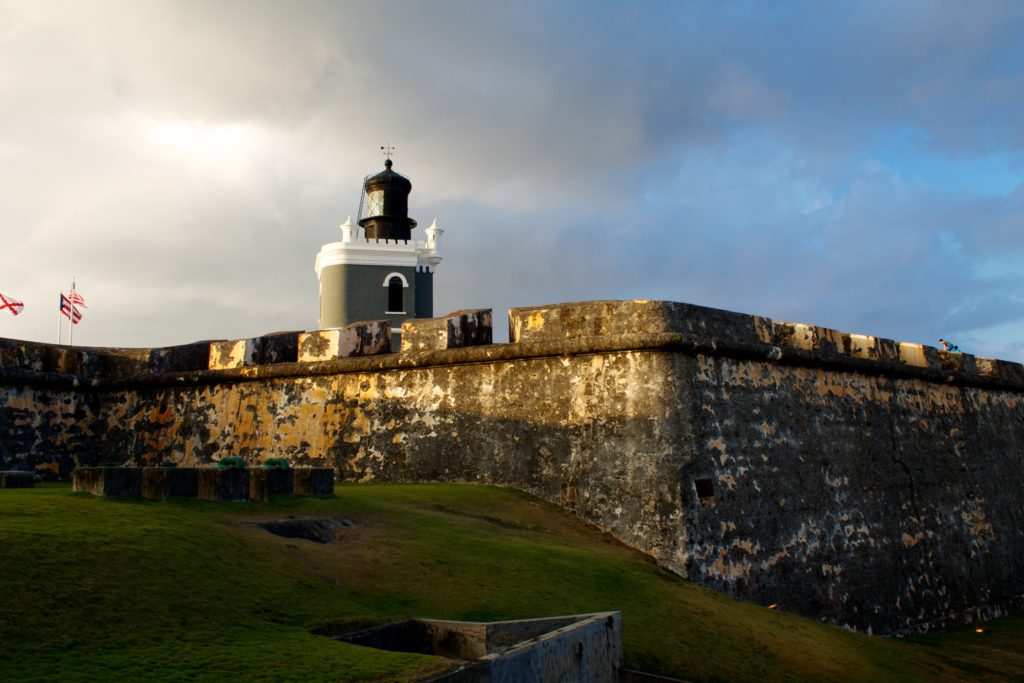
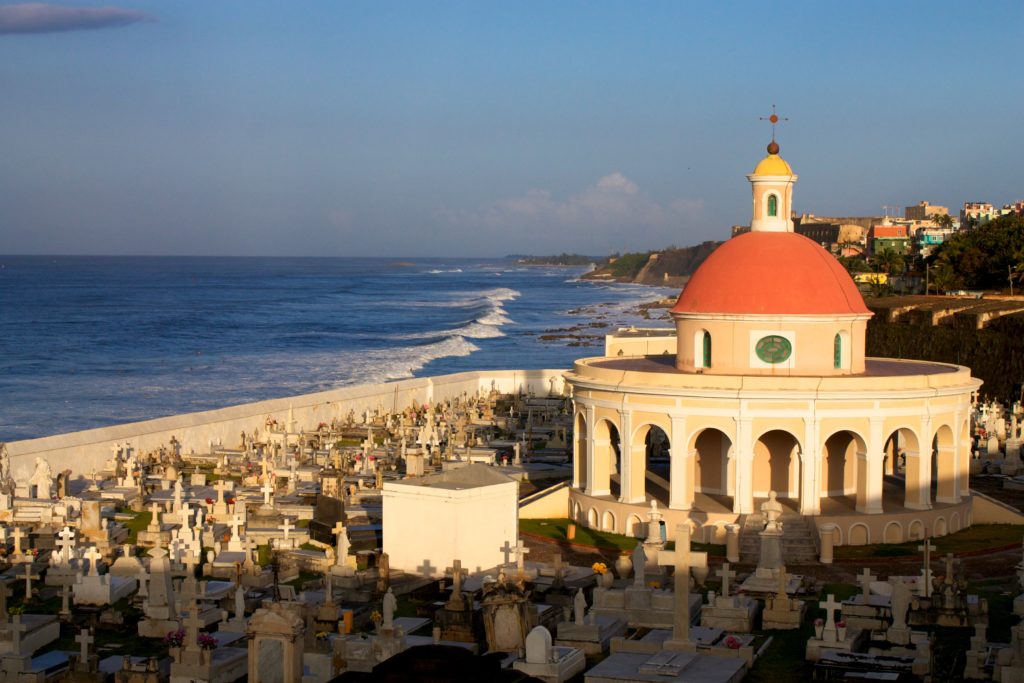
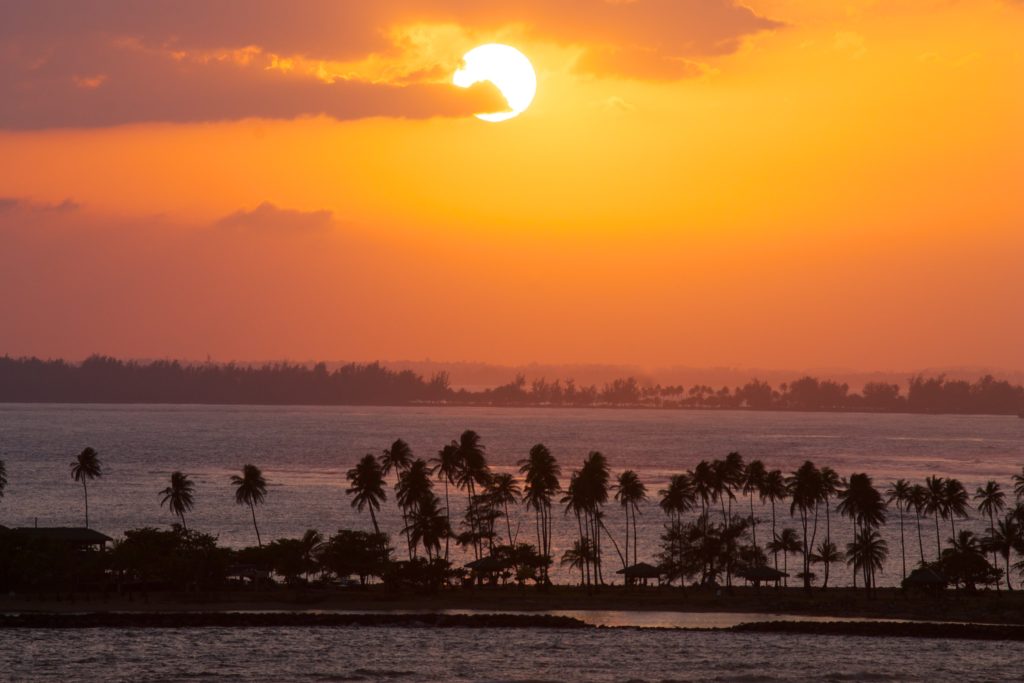
    Castillo San Felipe del MorroCame here for sunset, but the fort itself closes at 6 so didn’t make it inside. Beautiful sunset gathering spot though, overlooking the bay.

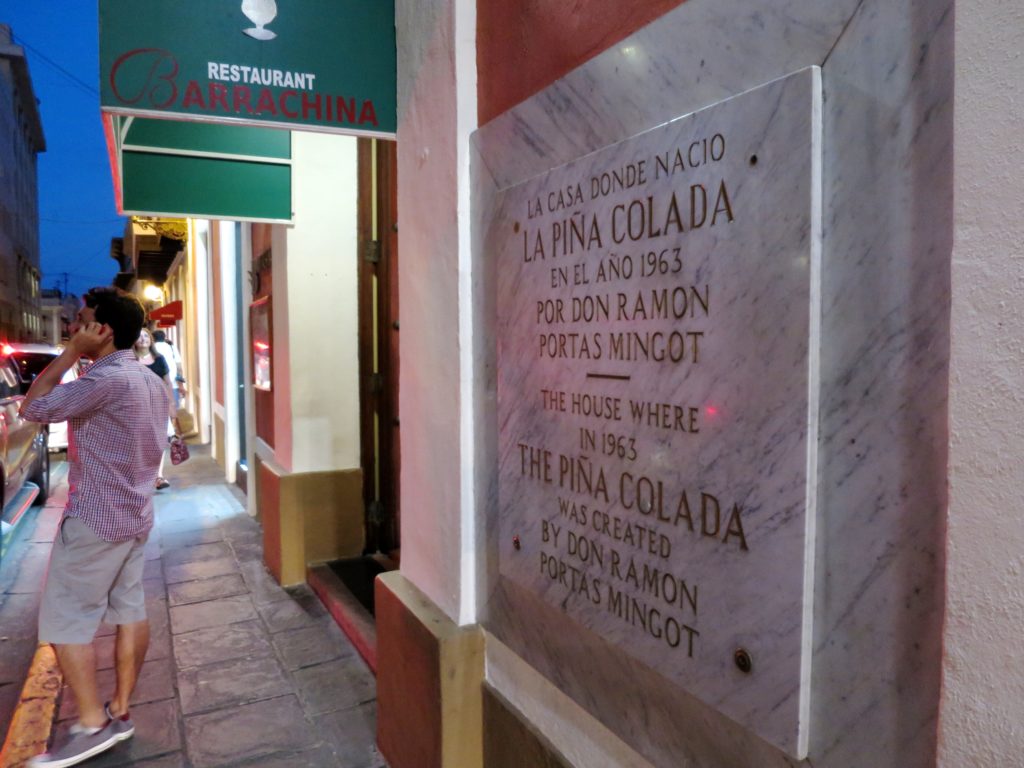
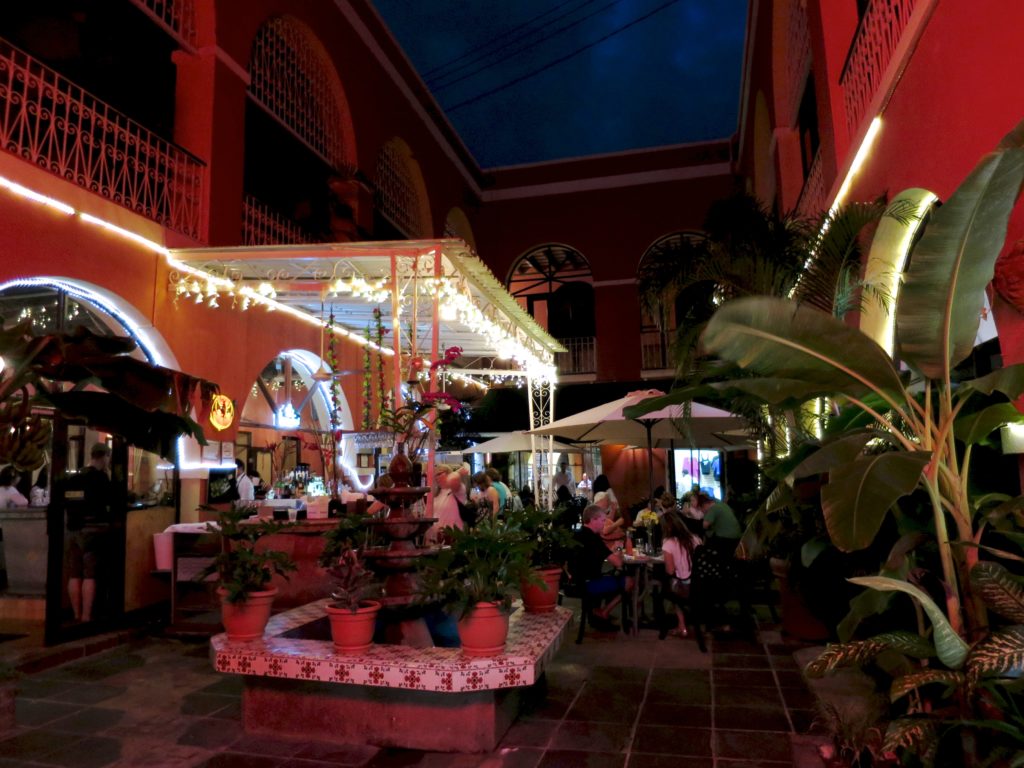
    Barrachina: Home of the original pina colada. It was the best pina colada I’ve ever had, so I was shocked when the women next to me asked for a wine list.

    Cafe Puerto Rico: This place was busy, but there was a public square with a dance and drum performance across the street during the wait. Great mofongo here – worth the wait.

    Old Harbor Brewery: Another beer spot in San Juan, though this one brews its own. Try the Coqui beer, a light lager, but for a better selection, Lupulo is your spot.


    Saturday

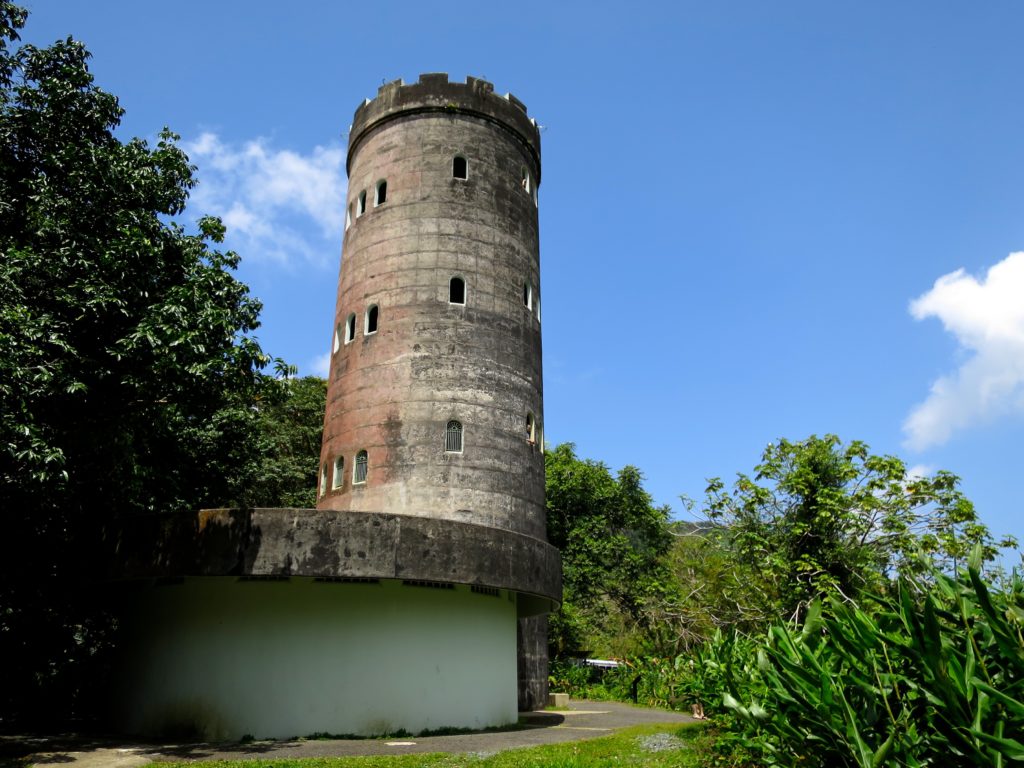
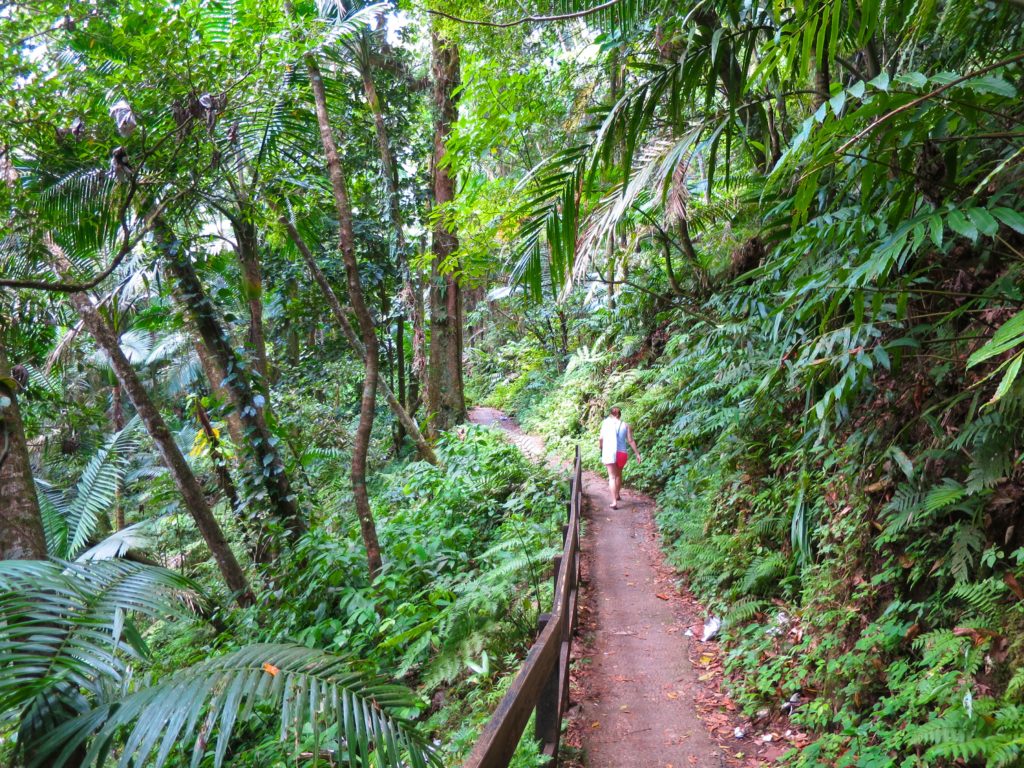
    El Yunque: Rented a car in Condado and drove out about an hour to El Yunque. The rainforest was good for a few hikes and a view from the Yokahu Tower. If you’re brave (I wasn’t), take a dip in the freezing water at La Mina Falls. Spent about 3 hours here.

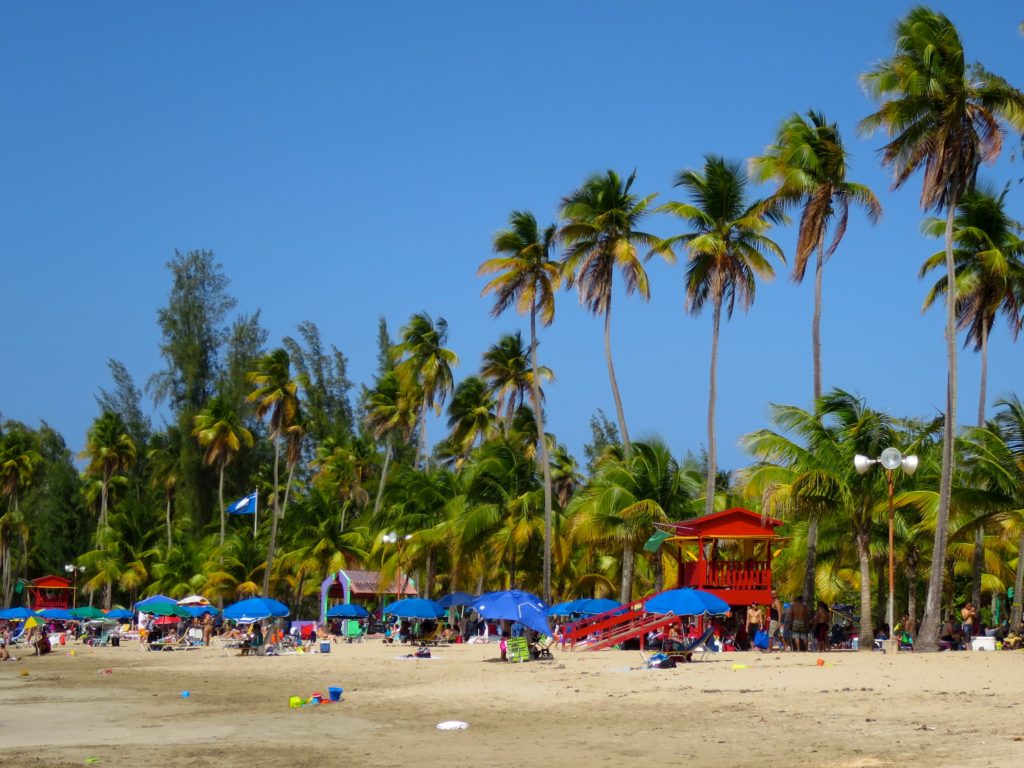
    Luquillo and the Kiosks: Circled through Luquillo town, which was sketchy and abandoned, then backtracked to the “kioskos” a mile or so east. The food kiosks start to all look the same, but the offerings were cheap and delicious. There are also bar and shopping vendors here. Walk through the kiosks onto Luquillo Beach. On Saturday it blows up into a local party spot, with music blasting from trucks that had subwoofers the size of a car. Red lifeguard shacks, yellow sand, blue sky, and green palms makes for a colorful photo op.

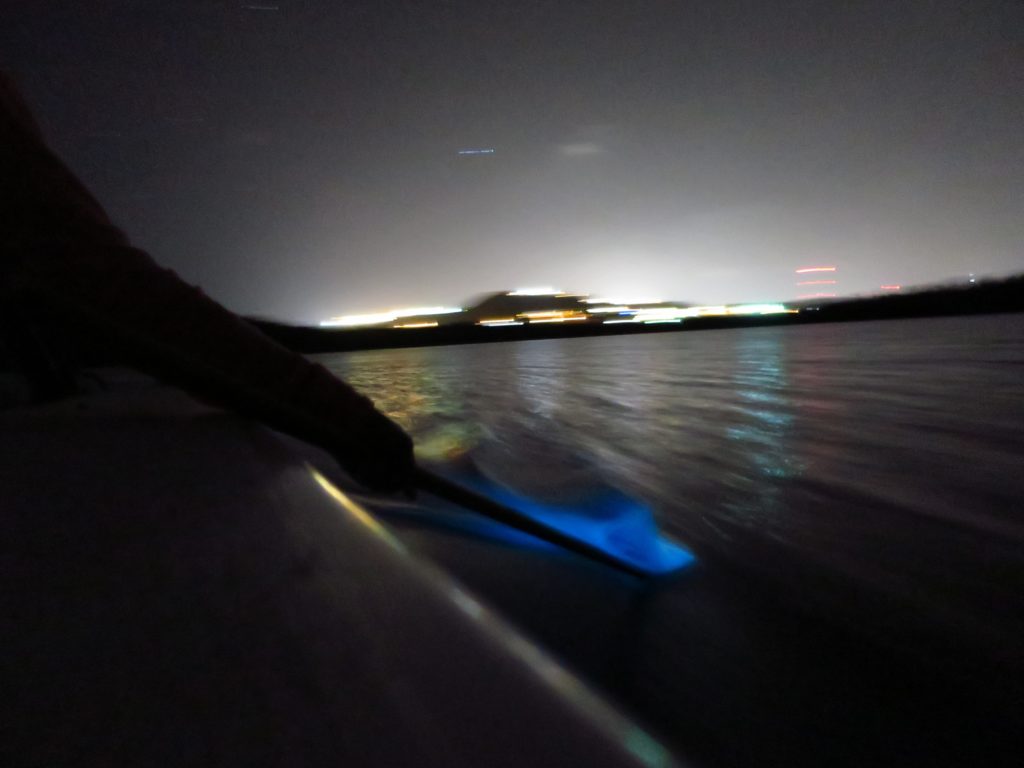
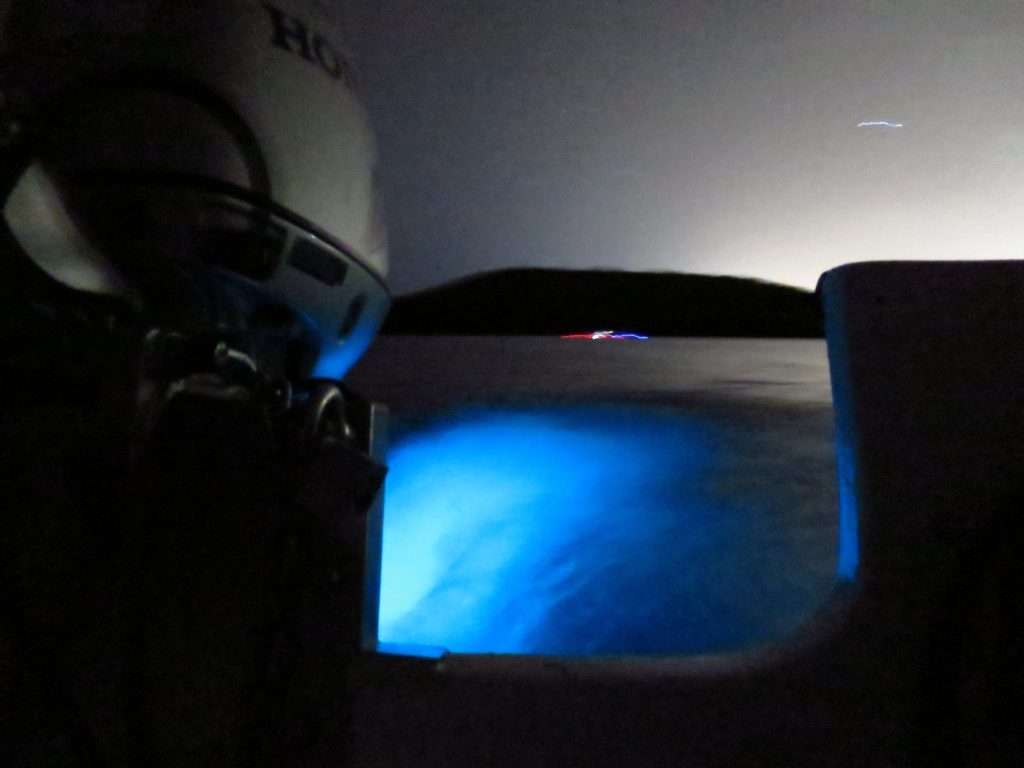
    Fajardo and the Bioluminescent Bay: Lesson learned – plan ahead if you want to go on a bio tour. I only got on one due to a cancellation. Another tip – opt for a boat tour vs a kayak. You’ll stay dry and can use your camera. The bio bay tours leave from a little port village with a few touristy (but quality) vendors and beach bars.

    Note: Saturday night traffic in Condado is terrible, and there aren’t many gas stations. Fill up your car before getting back into the heart of San Juan, or be prepared to spend 2 hours in traffic.


    Sunday

    Time to go home!

    Puerto Rico photos>>


  • Downtown Los Angeles Travel Guide

    In February 2014 I traveled to Los Angeles for a conference. I had one extra day to explore Downtown L.A. Here’s what I did:

    Bradbury Building: A quick stop in the lobby is all you need to appreciate the elaborate ironwork and elegant architecture of this 19th century building.

    Walt Disney Concert Hall: You don’t even have to go inside; the best part about this building is the photogenic undulating metallic exterior. The Los Angeles Philharmonic plays here.

    Los Angeles Central Library: Take a walk through and marvel at the beautiful interiors — especially the mosaic room with a large globe hanging from the ceiling.

    Grand Central Market: Every city needs a gourmet market hub, like Reading Terminal and Pike Place. Grand Central is L.A.’s answer and, at nearly 100 years old, it does not disappoint.

    Museum of Contemporary Art, L.A.: The Broad hadn’t opened yet, but this nearby one had an interesting collection of large-scale contemporary works.

    The Varnish: A speakeasy behind Cole’s bar, this spot serves awesome Prohibition-style craft cocktails.

    Spring St. Bar: Craft beers and industrial decor in Downtown L.A.

    Ace Hotel: Downtown L.A.’s version of the hipster hotel chain. The bar here is small, and the

    Angel City Brewery: Super laidback and spacious brewery that’s well-lit and well-entertained, with games and music (and craft beers, of course).

    Villains Tavern: Weird and wonderfully eclectic, this vintage bar feels out of place among the empty lots that surround it. But it’s a hipster haven, with live bands, awesome cocktails, and L.A.’s equivalent of the fedora crowd.