Author: jmoss5

  • #EmailPost: Where to Stay on Maui

    #EmailPost:
    Where to Stay on Maui

    From: Jess Moss
    To: Friend asking which hotel to stay at on his honeymoon on Maui & the Big Island
    Date: June 19, 2017

    Subject: Re: Places to Stay on Maui


    Asking about these hotels:

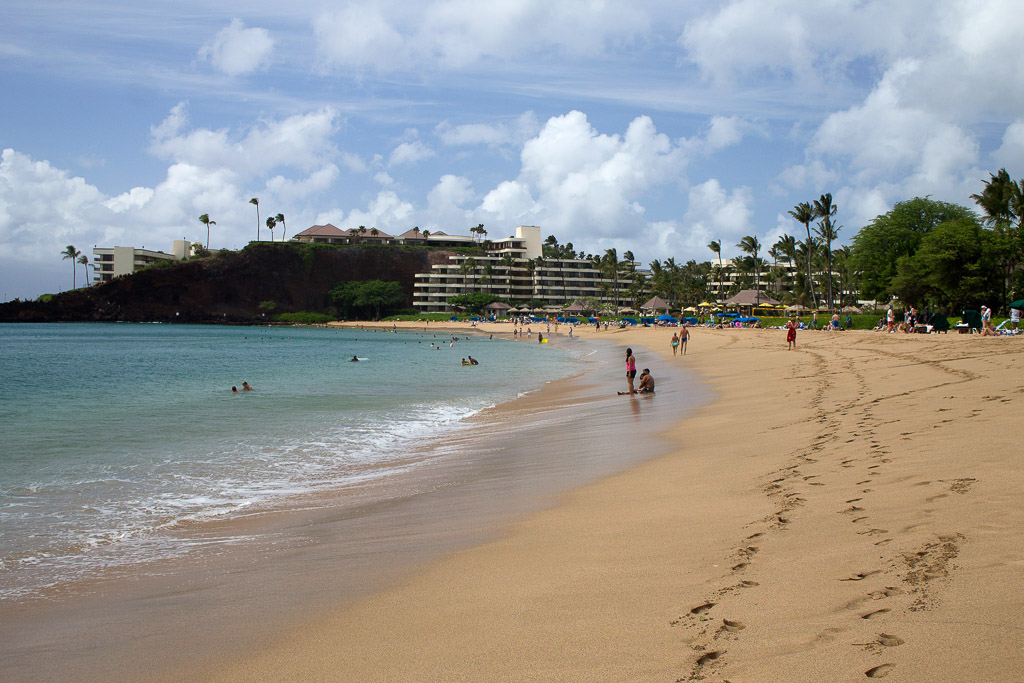
    • Marriott’s Maui Ocean Club – Molokai, Maui & Lanai Towers
    • The Westin Maui Resort & Spa, Ka’anapali
    • Hyatt Regency Maui Resort and Spa
    • Andaz Maui at Wailea Resort

    Those are all good!

    For the first three, Marriott, Westin, Hyatt, honestly I doubt there’s much difference between them since they’re all on the same beachfront and look like pretty similar hotels. There’s a beach path that connects all of them so you can walk between them all. The Westin is a bit closer to Whaler’s Village, a little shopping center, but again, I think they’re all pretty comparable.

     
    I haven’t seen the Andaz but I’ve heard good things – it’s newer than the others.
     
    Overall Kaanapali (where the first three are) is going to be a bit more happening than Wailea. I think of Wailea as being a little older and more upscale. Both are little beach communities, but I think Kaanapali has more going on, and it’s easier to reach Lahaina. That might be me though, I’ve always gravitated toward staying in West Maui vs the South Shore.
     
    Also, both are pretty resort-heavy areas. That means there will be plenty to do but it won’t feel as secluded/private. If you want a bit of privacy I’d recommend looking at Travaasa Hana for 1 night. It’s an all-inclusive on the other side of the island, so you drive the famous Road to Hana to get there, and then rather than turning around and coming back in a day, you spend the night in a little cottage and make your way back the next day.
     
    ****
     
  • 8 Best Apps for an Airport Layover

    8 Best Apps for an Airport Layover

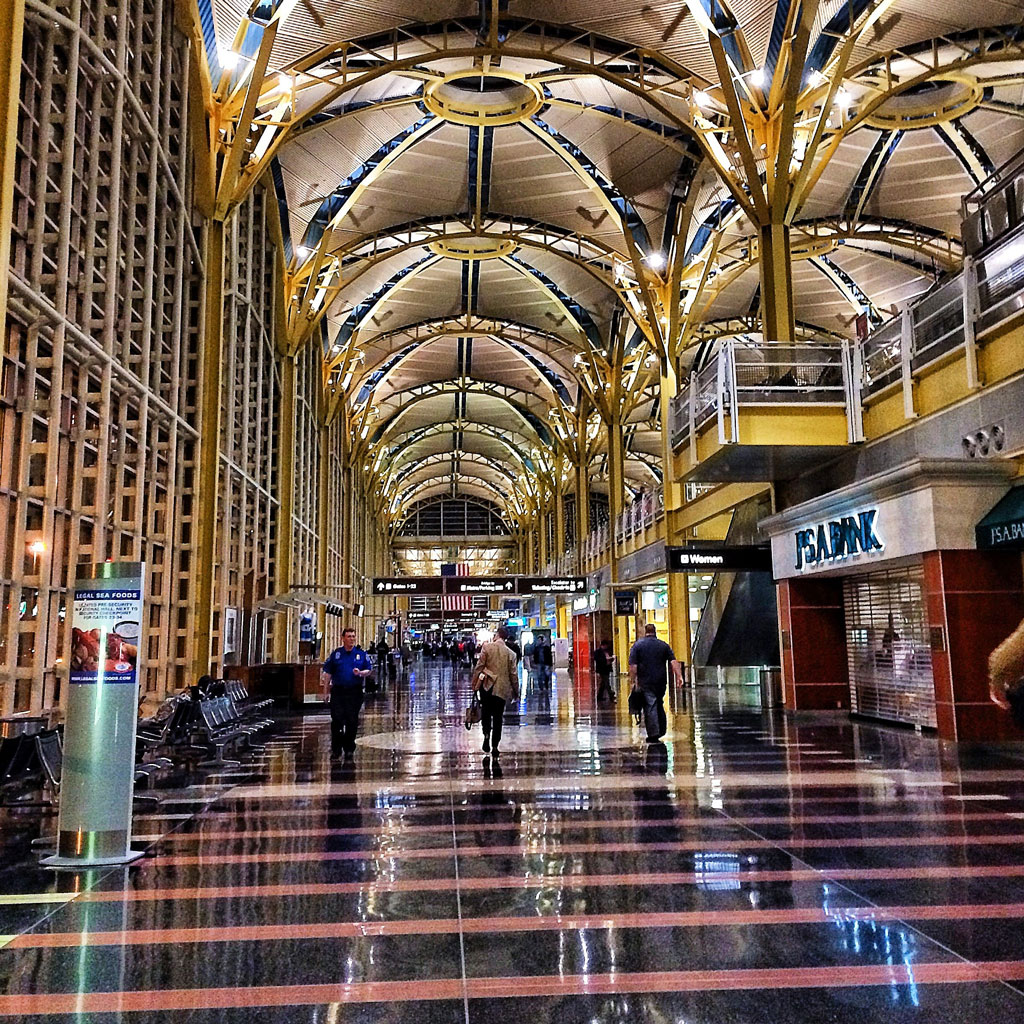
    U.S. News Travel, June 14 2017 || Got time to kill between your flights? You’ll want to make sure your phone is loaded with these essential apps, which help you navigate the airport, skip long lines and more.

    LoungeBuddy (Free; iOS and Android). Need a shower? Want to relax with a drink? Airport lounges offer Wi-Fi, charging outlets, food and drink and even places to freshen up or nap. With LoungeBuddy, you can find the airport lounge that meets your needs, and book it on your phone. The app features reviews and photos, and can search by specific amenities at more than 230 airports throughout the world. The app also lets you enter your credit cards or loyalty status to find out if your memberships include free access to any lounges.

    Read full article on U.S. News Travel>>

  • 5 Night Tours Worth Staying Up For

    5 Night Tours Worth Staying Up For

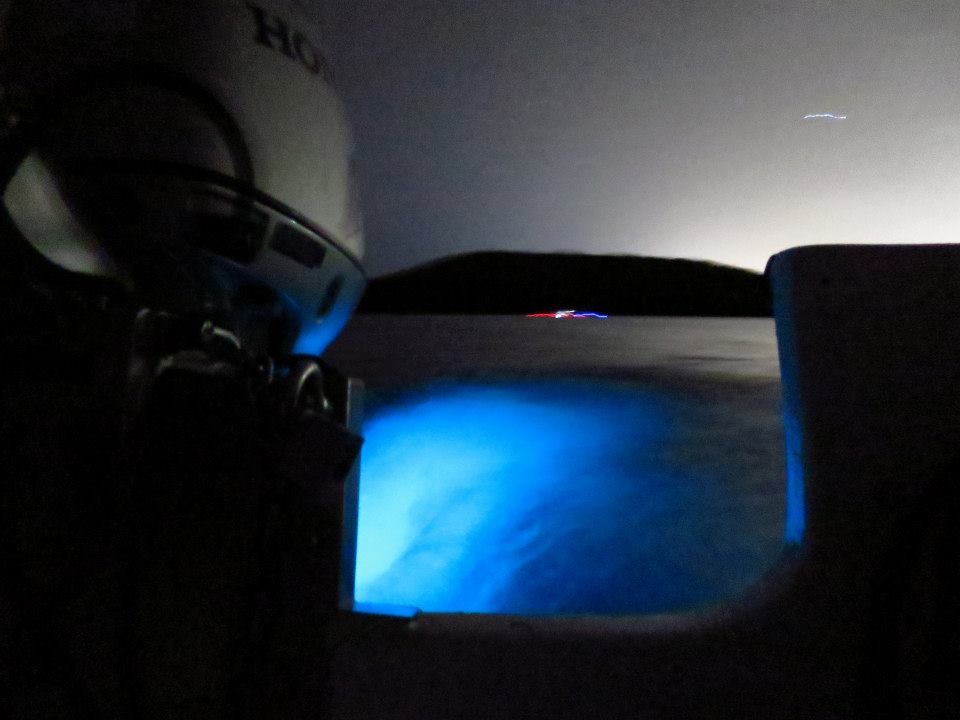
    U.S. News Travel May 16, 2017 || Instead of embracing vibrant nightlife scenes with live music, cocktails and riotous parties, consider experiencing the best of a city with a memorable night tour. These unique tours are becoming more popular, as they offer a chance to see sights that many other travelers don’t get to experience. After all, sometimes a nocturnal excursion is the only way to see a destination’s top attractions. Here are some of the coolest after-hours tours, from northern lights trips in Scandinavia to animal encounters you’d never get in daylight.

    Read full article on U.S. News Travel>>

  • 10 Must-Sees for Every Beer-Loving Traveler

    10 Must-Sees for Every Beer-Loving Traveler

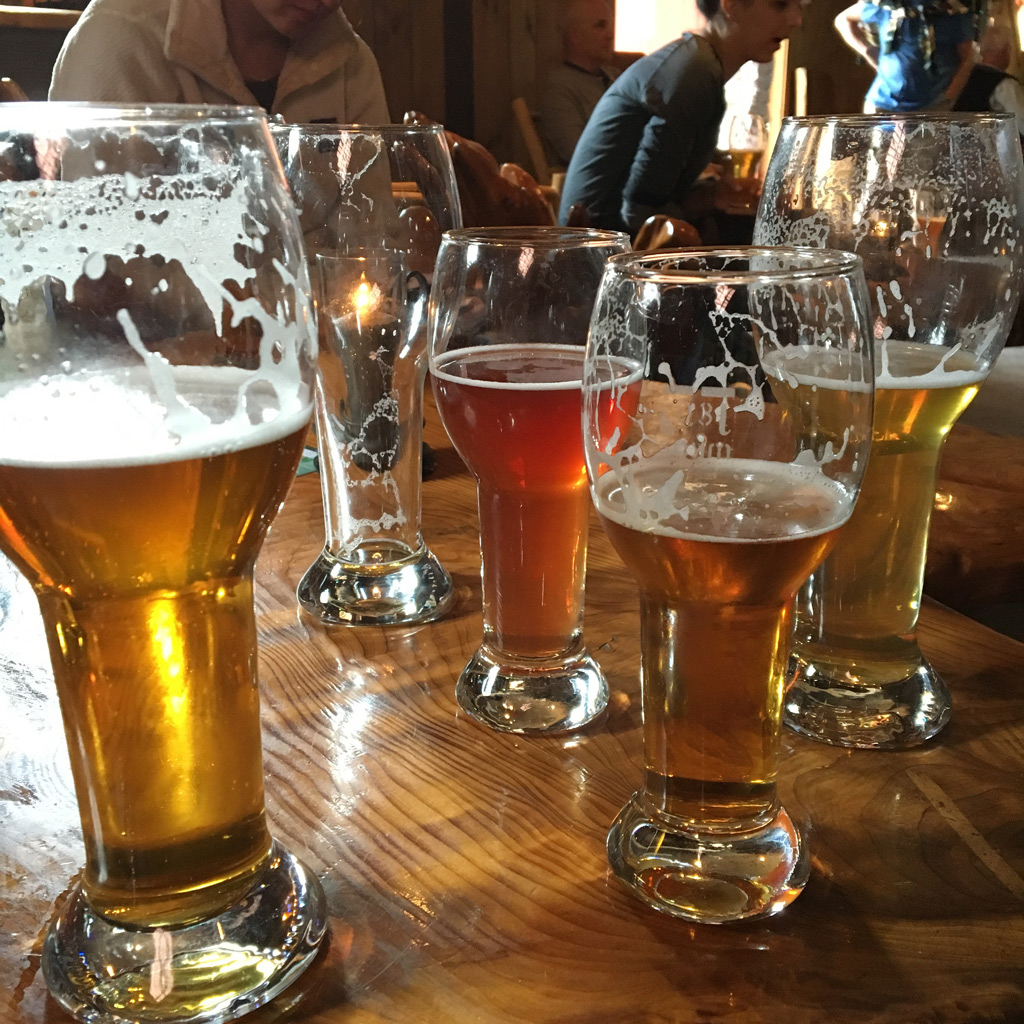
    U.S. News Travel on April 14, 2017 || Raise a glass to beer travel. These days, with craft beer’s rise in popularity, it’s easy for even casual drinkers to explore local drafts and bottles wherever they are. But if you’re really into the world of brewing, set your sights on these top attractions, which celebrate beer, its history and the cult that surrounds the beverage.

    Read full story on U.S. News Travel>>

  • How to Plan the Perfect Long Weekend in Iceland

    How to Plan the Perfect Long Weekend in Iceland

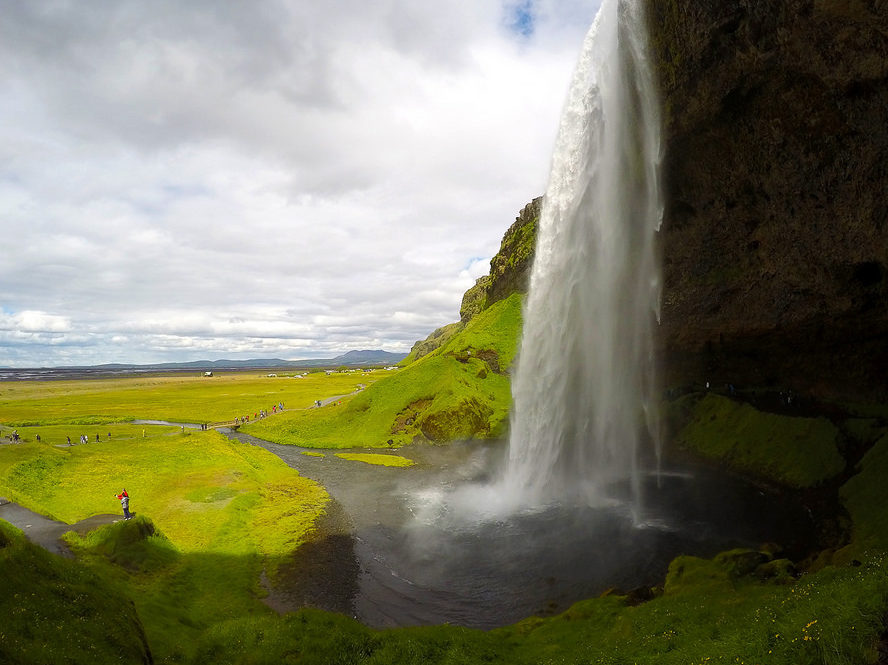
    U.S. News Travel – March 2017 || Iceland is a hot place to visit right now, and it’s not just because of its smoky volcanoes and otherworldly geothermal pools. A variety of quick, nonstop flight routes from the U.S. have made the country more accessible than ever, and stopover options are helping Iceland earn a top spot on many travelers’ vacation itineraries.

    Read full article>>


    Related Posts

    How to Visit Iceland’s Blue Lagoon

    Photos: Iceland is Amazing

    Iceland Guide – Long Weekend in Reykjavik Stopover


  • Planning a Trip to Cuba: Your Questions Answered

    Planning a Trip to Cuba: Your Questions Answered

    Traveling to Cuba awesome, but it’s work. It’s more backpackery and rugged than most Americans are used to. Think dirty cities (like, severed pigs heads sitting on the street corner), a decent amount of hustling for taxis (and pens…), diesel cars whose fumes fill the city air and can make long rides dizzying. Poverty. Dilapidated buildings that haven’t been used in years. But also amazing music, people, colors, scenery, history …

    The people are wonderful and it’s very safe, but it’s an assault on the senses and is not relaxing. Especially if you travel on the cheap. Even things like buying water or a snack aren’t as easy as you’re used to. You can walk blocks without seeing a shop, and to-go food is rare outside the big cities. 

    So … should you go to Cuba? Absolutely. But be prepared — here are some tips I learned while planning a trip to Cuba and traveling around the country.
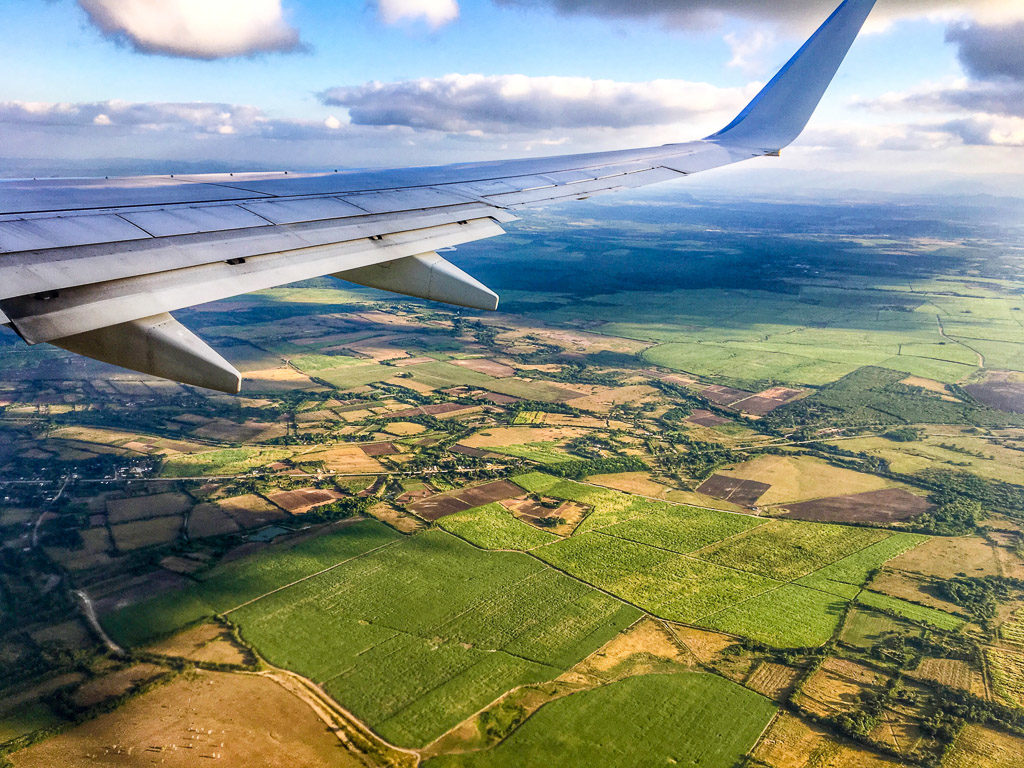
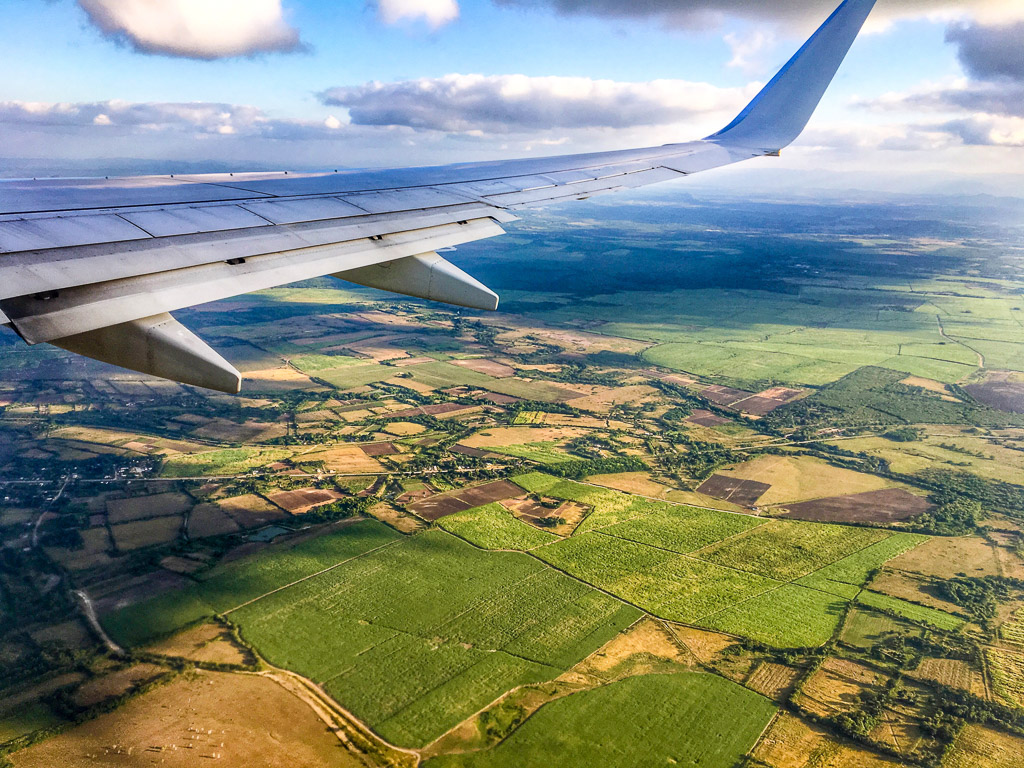
    plane wing over cuba

    What do I need to get into Cuba?

    Now that restrictions are lifted, as long as you fit one of the 12 visa categories, you don’t need much formal paperwork to visit. Here’s what you need:

    • Airplane ticket: hooray! You can book directly on a number of U.S. carriers now!
    • Insurance: this was included in my airline ticket, so you may not have to buy it separately
    • Visa: $85 plus $25 shipping if you order it on Cubavisaservices.com
    • Stamped boarding pass: you’ll have to visit the Cuba Ready booth at Miami airport to show your visa, passport, and boarding pass. Then keep this boarding pass with you at all times during your trip — it’s proof of your insurance.
    • Passport: duh
    • Itinerary: not officially required, but recommended to show proof of your reason for visit

    How much money do I need to bring?

    Credit cards and ATMs don’t work in Cuba so you have to bring cash and exchange it there. Okay, but how much cash do you need? I wasn’t crazy about the idea of lugging around tons of money, but wasn’t sure if I could get by on $50 a day or $200 a day. This Lonely Planet post helps break it down a bit:

    • $60/day: budget trip with casa particulares and gov’t restaurants
    • $60-$120/day: mid-range with hotels, private restaurants and some bus travel
    • $120+/day: upscale trip with resorts, top tier restaurants, and high-end entertainment

    Bartering is also common here, so you can try to negotiate prices for taxis and souvenirs.

    Okay, I wrote the above bit while planning the trip. Now that I’ve been to Cuba, here’s what I found. Money is tough. You can get by on $50 a day, at a bare minimum, if you book lodging through Airbnb and pay before your trip. We traveled reasonably – $5 breakfast at our casas, $20 lunch (for 2 ppl) and $30 dinner (for 2 ppl), plus taxis and a few cocktails/cervezas (which are fairly cheap). We spent about $70/day not including lodging.

    While you can figure out many things (lodging, transportation, activities) while on the ground in Cuba, money is something you definitely need to plan for. You can’t use credit cards at all here (unless they’re from a foreign bank) and you can’t use ATMs for cash from U.S. banks. That means you have to bring cash – all the cash you’ll use for the trip, plus some extra to be safe. If you have the chance to take out Euros or Canadian dollars before leaving home, do it, as there’s a 10% fee to exchange U.S. dollars in Cuba.

    There are two currencies in Cuba: CUC (called “cooks” – this is what tourists use), and CUP (mostly used at local vendors, you’ll likely never use these). To change money, you’ll have to go to a Cadeca (casa de cambio). You’ll need your passport too, and in some places (Havana, for example) there may be a long line. It’s useful to look up hours of operation before you arrive. Some places, like Santa Clara, close their Cadeca at 5, so if your plane gets in later than that (or customs take some time), you won’t be able to exchange, and you’ll have no money. You may be able to exchange under the table – a casa particular host could possibly arrange that for you to hold you over until you get to the Cadeca the next day.

    But be sure to plan your day’s activities if you’re running low on cash. If you get to dinner and realize you don’t have enough cash, you’ll be out of luck until the exchange opens the next day.
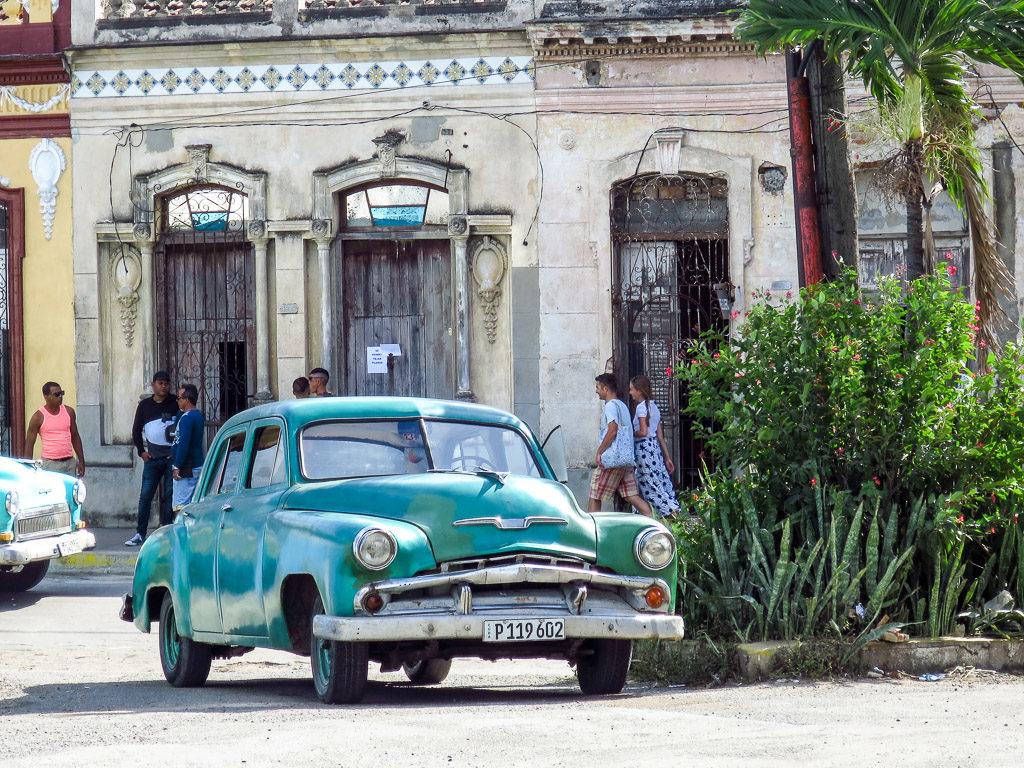
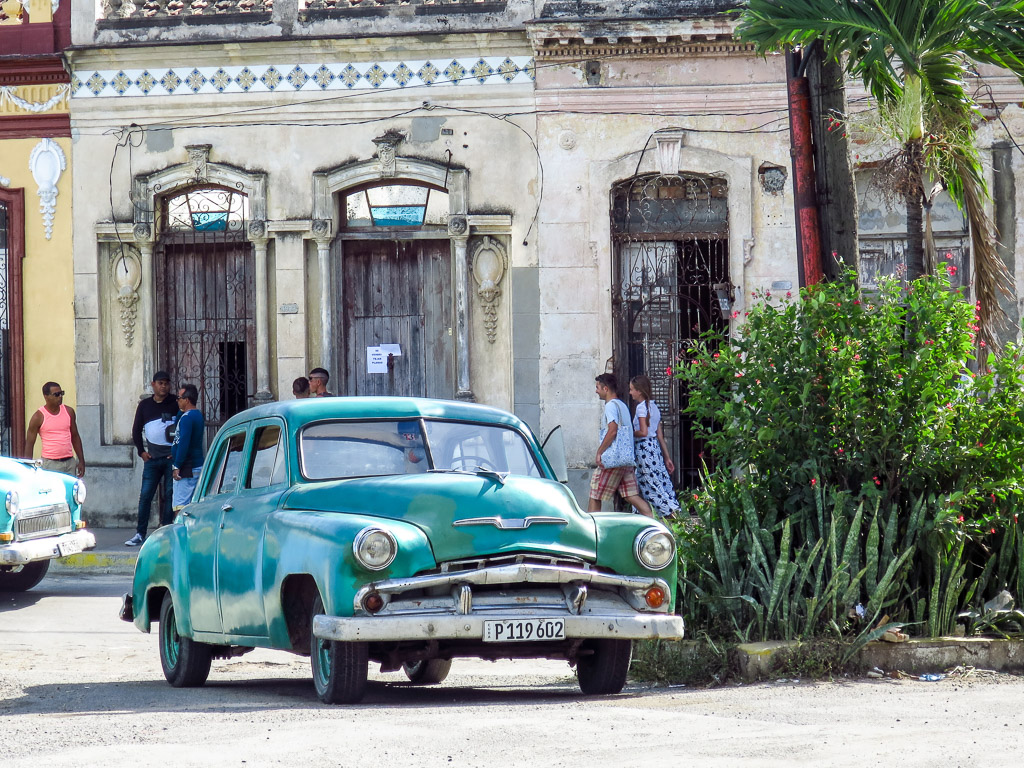
    cuba car

    Do you tip in Cuba?

    Some restaurants will include a 10% service fee in their price. Others – like taxis, tour guides, etc. appreciate small tips. Casa particulars go both ways – some will refuse extra money while others accept it.

    Another way to tip at casa particulars is to give your hosts items from the U.S. that aren’t readily available in Cuba – makeup, like lipstick and bath products; extra clothes, pens, etc.

    Curiously, Throughout Cuba, more so than money, you’ll find people begging for things like pens. We heard “un stilo / un lapiz?” everywhere. There’s such a poverty that many people are lacking access to basic things like pens, soap, bras, etc. I gave out about 10 pens while here, and had I known to expect this I would have bought some packs to and out more.

    How do I get around?

    If saving money is more important than saving time, take the bus. Viazul has routes between most cities and tourist spots. But bus travel can suck up a lot of time (and patience) – expect lines at the station (and arrive about an hour before your trip to be safe), break-downs and delays, and extra stops that add more time to your trip. The buses themselves are well-air conditioned and comfortable (though the seats do recline quite far into the space behind you). You can buy tickets online from the U.S., but don’t worry if the route is sold out. The company actually holds a number of tickets for sale in person (many Cubans don’t have access to Internet so need to buy in person), so you can go to the station a day or so in advance and buy a ticket. When you buy online from the U.S. you’ll get a receipt but you still have to wait in line at the station and turn that into printed tickets. If you have luggage, you can check it below the bus (often costs about 2 CUC).

    If time is more valuable than money, consider taxis or car hire. These are easy to find in any city, and you can ask your casa particular or hotel to arrange for you – you don’t need to plan or book before you’re trip. A good compromise is a shared taxi. You can join a private car of people traveling from, say Trinidad to Santa Clara. It’s more pleasant than the bus, and you’ll get to know other travelers along the way.

    Where do I stay?

    The most prevalent and authentic places to stay in Cuba are casa particulars – home stays. You can tell a casa particular by the blue eye-like symbol that hangs outside.

    You can now book many of these on Airbnb; a convenience because you can pay in advance via credit card (cash only once in Cuba, remember), and you can see reviews/solidify plans before your arrival. Keep in mind, however, that there are local agents in Cuba that manage properties on behalf of the hosts. So you may communicate in English with someone and arrive to find your hosts only speak Spanish.

    You may also arrive to find that your reservation never made its way from the agent to the host, and the room you thought you booked is not available. In that case the agent and host should find another place for you to stay and the agent will pay (since you already paid via Airbnb). Bring a print-out of your reservation.

    A typical casa particular stay includes a small room (2 beds, often), private bathroom/shower (with varying degrees of water pressure), air conditioning sometimes. For 5 CUC you can get a large (but sometimes flavorless) breakfast prepared by the host. Some hosts won’t accept tips but will accept items like makeup from the U.S. Or shampoo/bath supplies.

    Beware jinteros – a growing problem in towns like Trinidad. Basically they stand at the bus station and claim to lead you to your reserved house, only to take you to another house and have you pay to stay there. To combat this, make sure you know the name and exact street address of your casa. Clear up any arrival plans with the host before you arrive (will you arrive by taxi? Will they send a taxi/someone holding a sign with your name? Will you walk on your own?). Confirming this info will lead to less confusion upon arrival.
    What do I need to pack?

    Plan on bringing most things that you need. If you forget something, odds are you can’t just pick it up in Cuba. Bring:

    • CASH
    • All toiletries
    • Medicine: pain killers/Advil, immodium, cipro
    • Bug spray
    • First aid
    • Febreeze and stain remover
    • Kleenex or toilet paper (some restaurants and bars won’t have TP in their bathrooms)
    • Purel/hand sanitizer
    • Plastic bags
    • Sun screen/hat/sunglasses
    • Jacket for cooler nights
    • Books & entertainment
    • Notebook
    • Offline apps on your phone (translator, etc.)
    • Printed versions of all reservations, lodging, etc.
    • Camera equipment & memory cards
    • Extra toiletries, cosmetics, or pens for hosts

    Will my phone work? Is there wifi?

    AT&T and Verizon phones will work in many Cuban cities. Just keep in mind that your plan is pay-as-you-go, (there aren’t international plans for Cuba) so charges can rack up quickly. Don’t expect to find WiFi at restaurants or casa particulars; you have to buy internet cards from a local Etesca store (10 CUC = 5 hours at one spot I found), or the nicer hotels also sell cards (hotel national in Havana was 7 CUC for 1 hour). Etesca has hotspots in some parks and squares, though we found it more pleasant to hole up at a hotel bar for an hour to check in.

    Is it safe for female travelers?

    Yes, very safe.

    Do I need Spanish?

    Yes. You don’t need to be fluent but a basic understanding and ability to ask/answer questions, give directions, is important. Do not expect your casa particular hosts to speak English. If something goes wrong, being able to communicate in Spanish can be a trip saver.

    Related Posts

    How to Travel to Cuba Without a Tour Group

    20 Adventure-Inspiring Photos of Cuba
     

  • Photo Editing Tips: How I Made This Sunset Image

    Photo Editing Tips: How I Made This Sunset Image

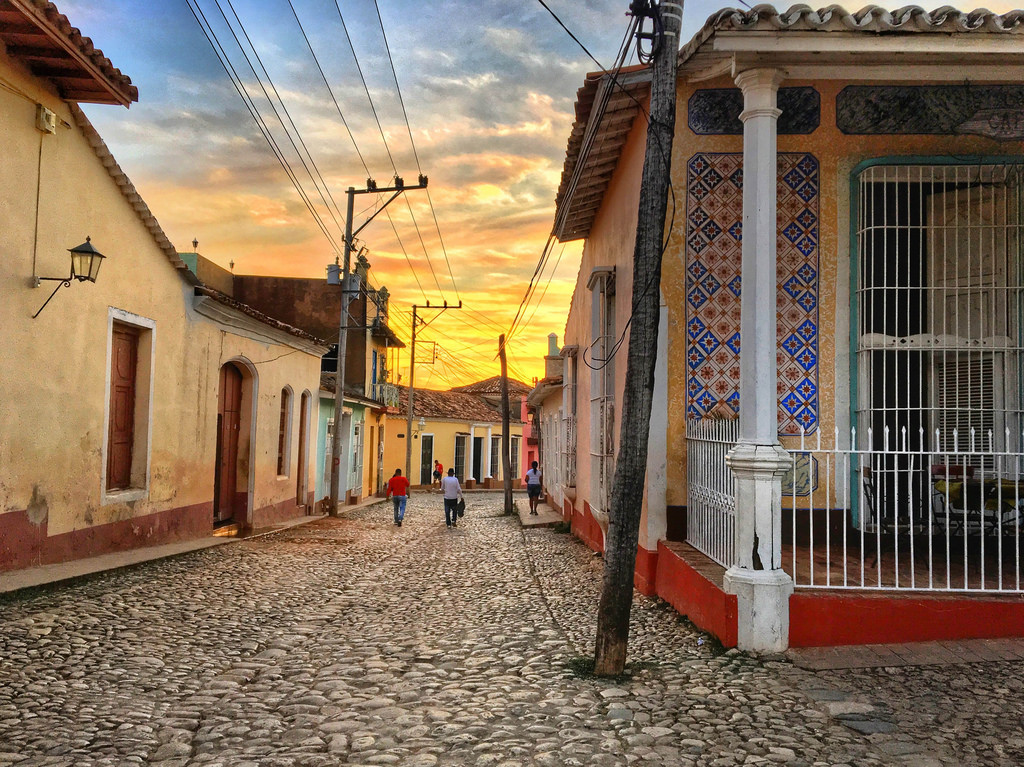
    Here’s a shot from Trinidad, Cuba, and the steps I took to put together to turn a kind of blah pic into a pretty nice sunset image:

    1. Shoot pic a little underexposed, to maintain the sunset colors. 
    2. Open your fave photo editing app (mine is Snapseed)
    3. Add a slight HDR filter to brighten shadows and boost sunset colors. Adjust filter strength to avoid too much of a painting look
    4. Increase saturation to bring out the colors in the sky 
    5. Boost the structure to add definition to the cobblestones 
    6. Straighten image, then save
    7. Open pic in Instagram, adding a touch of Lux contrast
    8. Voila!

    You can play with this slider to see the before and after:

  • What to Do with One Day in Seattle: Travel Guide

    What to Do with One Day in Seattle: Travel Guide

    Seattle was the second stop on my Canada-to-Mexico trip. I only had a short amount of time — 24 hours, to be exact — and it rained for some of it (duh), but I was still able to see a lot of the city. 

    How I Got Here

    Since I was coming from Vancouver, I took the scenic Amtrak Cascades train down from Canada. I wrote up some things you should know if you take that train here. I took the 6:30 train from Vancouver, which got me into Seattle’s King Street Station around 11 a.m.

    Where I Stayed

    I’m lucky to have a friend in Seattle, so I skipped the hotel and stayed with her.

    Day 1

    Pike Place Market: Tourist central, but when in Seattle you’ve gotta check it out. And despite the tourists and the crowds, it felt legit — like you’d totally buy the stuff here, rather than it being full of tacky souvenirs.

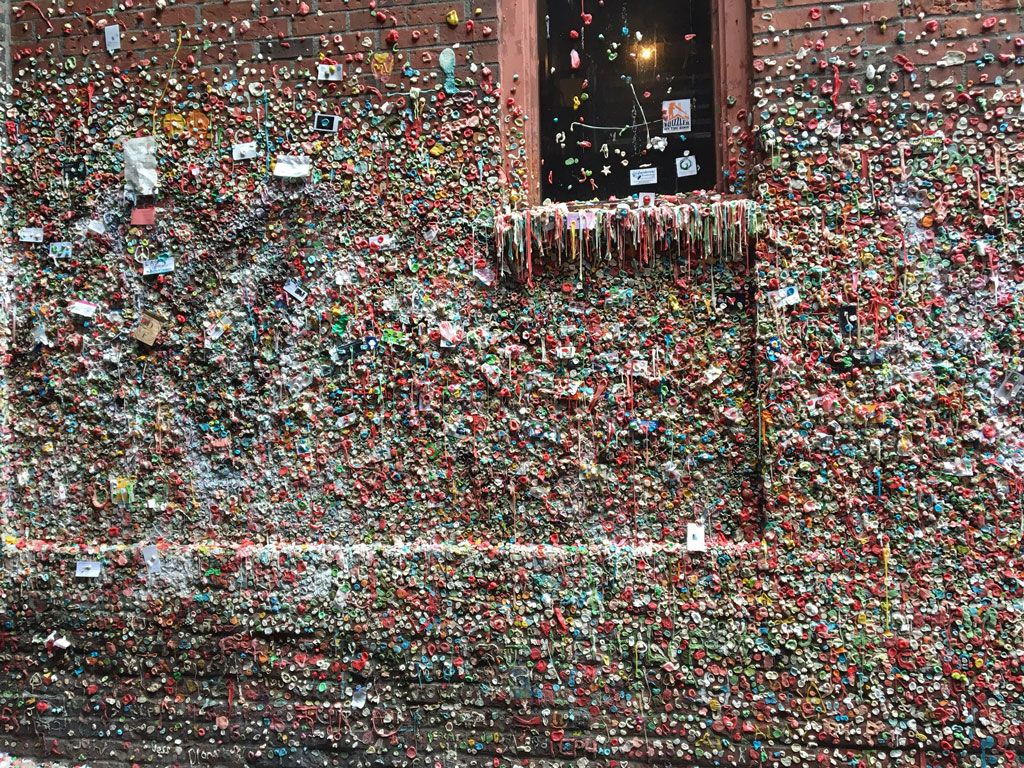
    Gum Wall: To one side of the market, this alley is pockmarked with chewed gum wads. The city actually removed it all recently because the gum was so heavy it was weighing down the buildings. But that didn’t discourage chewers, and the wall is back in action.

    Beecher’s Cheese: Seattle’s favorite cheesemonger is heaven for mac and cheese lovers like me. The cheese curds were pretty incredible, too. Worth the wait in line. 

    Original Starbucks: It’s a Starbucks with an old logo. And a really long line. I stopped for a pic, but I’m pretty sure the coffee inside is the same as all the other Starbucks you’ve ever had.

    Cloudburst Brewing: A new brewery that’s taking Seattle by storm. The brewers used to work for popular local brand Elysian but when that company was bought out by Anheuser-Busch, so they went out on their own and cook up a new type of beer every batch. The taproom is a casual and inviting industrial space.

    Gas Works Park: This park on Lake Union has giant rusted out gas tanks rising out of hte green grass. There’s also a covered pavilion with brightly painted iron gears, pipes and other machinery. Surrounding the park are a number of pretty houseboat communities and there’s a great skyline view of the city and Space Needle.

    Freemont Brewing: A short walk from Gasworks Park, this is one of the breweries to hang out at in Seattle. There’s a nice outdoor area that apparently gets packed on nice days (it wasn’t too crowded on this cloudy Saturday afternoon). Inside they have big bowls of free pretzels and apples that you can munch on with your beers.

    Stroup Brewing: Tucked in the Ballard neighborhood between residential houses, this little brewery has a funky beer garden patio and a local food truck parked outside. We got a growler to go on our way to Discovery Park. 

    Discovery Park: A massive green space with odd buildings reminiscent of Lost’s Darma Initiative, this park has a lot of nice walking trails and some great views of the Olympic Peninsula and mountains. It also has a bunny problem; apparently Seattleites? have been releasing their pet rabbits here and they’re reproducing like, well, rabbits. You’ll probably see them nibbling around the park. 

    Ballard Neighborhood: This used to be the salty seamen’s hangout; now it’s one of Seattle’s hipster hoods. Ballard Ave is lined with boutique bars and shops.

    Percy’s & Co.: An apothecary-themed spot, there are jars of cocktail concoctions and eyedroppers of drink elixirs on the back bar of the brick-walled bar. I told the bartender I was in the mood for a mule and she whipped up some mint-mule-champagne concoction that was amazing. 

    Sexton: Another really good cocktail spot, plus solid modern American food: think boar burgers, chicken pot pie, and a few types of mac and cheese. The cocktails here were good too, and there’s an outdoor back patio for when the weather cooperates. 

    Day 2

    Pioneer Square: Seattle’s historic heart, this square was overrun with film crews shooting the sequel of 50 Shades of Grey. (They asked, but I declined to be an extra…) It’s a nice space, but there are a lot of homeless people nearby — some were super friendly, others were pretty aggressive.

    Underground Tour: Seattle was originally built lower than it is now; to make up for the tides and sewer issues the city rebuilt itself a whole level higher after it burned down in the late 1800s. You can still go underground and see the old storefronts and sidewalks, plus a lot of crap that people threw down there. Speaking of crap, the word apparently comes from Crapper, the man who popularized the modern toilet, which played a big role in Seattle’s development. The tour cost $19 for about 75 minutes of Seattle history, underground exploring, and toilet jokes. 

  • The Most Instagrammable ‘Love Walls’ in the World

    The Most Instagrammable ‘Love Walls’ in the World

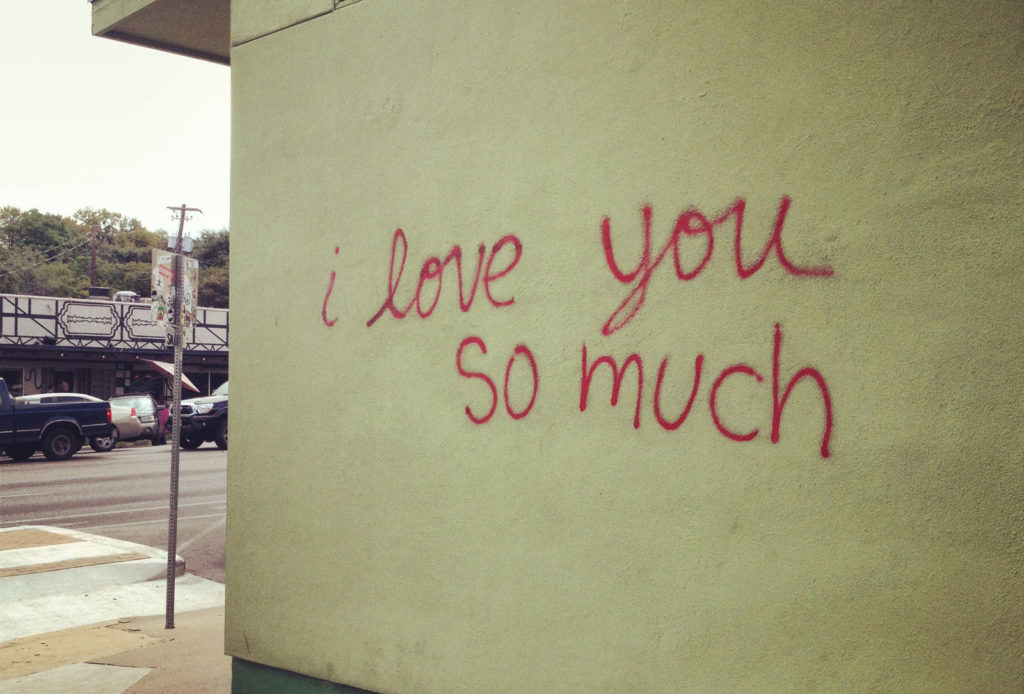
    Conde Nast Traveler – February 2017  || Need a backdrop for that Valentine’s ‘gram? Find a love wall.
    What is a love wall? Exactly what it sounds like—an expression of love captured on the facade of a building, structure, or public space. Sometimes these walls are impromptu, like New York’s “Subway Therapy” wall comprised of emotive post-it notes that popped up temporarily after the 2016 election. Others are more, well, set in stone.

    Read full article>>

  • Where to Go with 1 Week in Australia

    Where to Go with 1 Week in Australia

    A friend purchased a super cheap ticket to Sydney and is visiting Australia for the first time. They’re looking for a mix of city, beach, and active/adventure. Here’s what I recommended:

    With 7 days I recommend sticking to the East Coast — Australia is about the size of the continental U.S. so flying from Sydney to, say, Cairns is kind of like flying from Charlotte to Boston.

    Option 1: Sydney + Day Trips

    This would be the easiest to coordinate and the least amount of hopping around, still with plenty to see, though it might not feel as exotic as the other options.

    You could spend 1-2 days exploring the city, 1 day out at the eastern & southern beaches where there’s a great coastal walking trail connecting main beaches (Bondi, Coogee, etc.), 1 day taking a ferry across to Manly for the beach and zoo, 1 day trip to Hunter Valley for a “wobbly wine” bike trip (you bike vineyard to vineyard), day or overnight trip to the Blue Mountains/Katoomba for hiking and rappelling.

    Option 2: Cairns + Sydney

    This would be a good mix of beach and adventure (Great Barrier Reef and rainforest) and city, but more travel time and less time in Sydney.

    Get in and fly up to Cairns which is the gateway to the Great Barrier Reef. Spend 1-2 days out on the reef (day trips or you can do a scuba liveaboard for overnights), then 1 day in Daintree Rainforest where you’ll see crocs and other weird Aussie animals. Then fly down to Sydney and do the city/beach stuff in the above option.

    Option 3: Whitsunday Islands + Sydney

    Similar to option 2, except instead of Cairns you could base yourself in the Whitsunday Islands on the southern part of the reef (google image it, one of the most beautiful places ever), like on Hamilton Island. A bit more sailing/beach and less jungle adventure. Also would up your in-transit time though.

    Option 4: Sydney + Melbourne

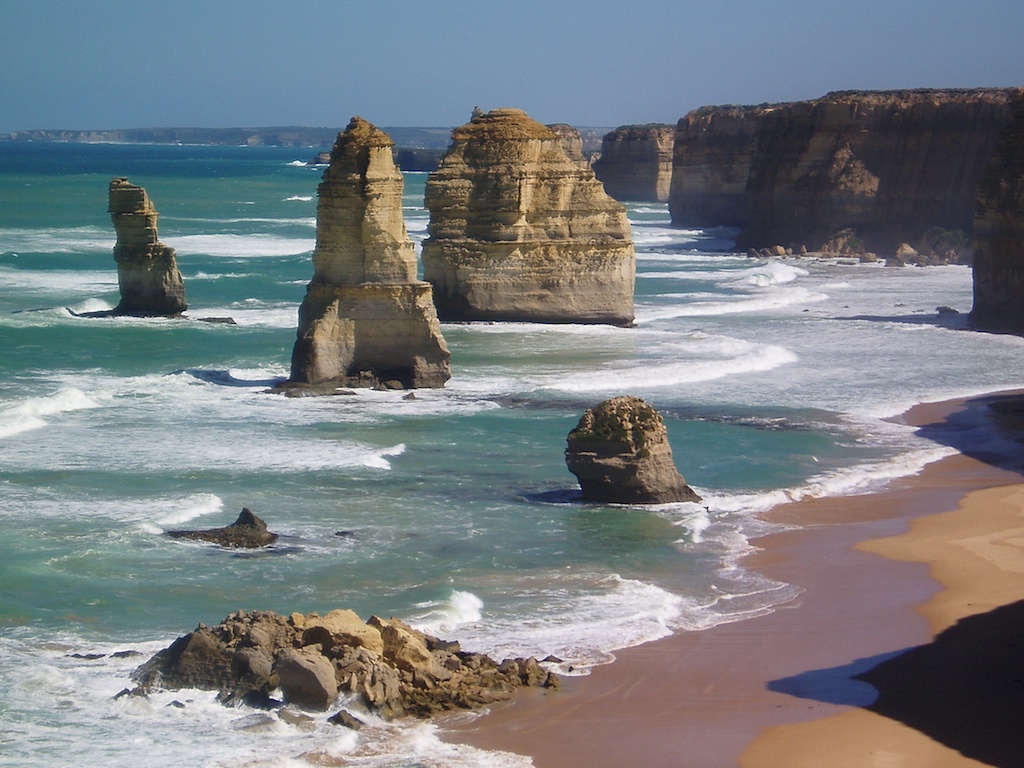
    This would be a much more urban combo, but also one of my fave road trips in the world, the Great Ocean Road.

    Melbourne is the artsier edgier Aussie city, like the Seattle to Sydney’s LA. You can spend a day or two exploring, and a day doing the Great Ocean Road drive along the coast to the Twelve Apostles.