Author: jmoss5

  • How to Work From Almost Anywhere

    How to Work From Almost Anywhere

    October 7, 2015, Creator by WeWork || Tap a button, and you can chat with someone in Shanghai. Email someone in Milan. Tweet to someone in Vancouver. And you can do this from anywhere; from your office in New York, from a beach in Thailand, or from a mountain in the French Alps.

    As the world grows more connected, more workers are disconnecting—from their office—and going mobile.

    Welcome to the era of the digital nomad. Read more>>

  • Urban Escapes: Best Places to See Fall Foliage without a Car

    Urban Escapes: Best Places to See Fall Foliage without a Car

    October 1, 2015, Creator by WeWork || Fall: a time for football, pumpkin-flavored everything, and, of course, fall foliage. Leaf peepers are tracking peak date predictions in hopes of timing their pilgrimage just right. But what if your job is so demanding that you don’t have the time to drive out to soak in the changing countryside?

    The solution: an urban foliage adventure. Many cities offer fantastic fall colors, and all you need is a bus or bike to get there. You just need to know where to look. Whether it’s a city park that ignites into a rainbow of hues, or a trail that transforms a run into a leaf peeping expedition, here are the best places to take in an autumn landscape—no car required. Read more>>

  • Why You Should Think Twice Before Quitting Your Job to Travel

    September 24, 2015, Creator by WeWork || Every day there seems to be a new story about an overworked office slave who broke free and now lives an inspirational life of travel. Or someone who quit their job to travel in an RV. Or a tiny house. Or a couple whose travel blogsupports their vagabonding.

    It sounds nice, doesn’t it? Save some money, then spend your days in sun-soaked Spain or meeting fellow ex-pats in South America. But blog posts and social media can be deceiving. The harsh reality is that quitting your job to travel isn’t as easy as getting a WordPress site and a selfie stick.

    Just ask Chanel Cartell and Stevo Dirnberger, who quit their advertising jobs to travel, and wound up scrubbing toilets to be able to eat.

    So what’s it really like to leave it all behind and live an international life of leisure? We asked some travelers who’ve made the jump to weigh in on some of the realities they’ve faced. Read more>>

  • How 5 Travel Companies Rock Social Media

    September 10, 2015, Creator by WeWork || Wish scrolling through those daydream-inducing travel photos on your feed could also make you better at your job?

    Well, actually, it can.

    Skift, a travel industry news site, announced winners of the Skifties, an annual social media contest. These brands stand out as the best in class when it comes to social media, from cutting-edge digital campaigns to trendsetting customer service.

    Follow these brands and you’ll get more than vacation ideas—you’ll learn best practices and ideas that easily translate to other industries. The full list of winners is available here, but here are five of our favorite social lessons from travel brands. Read more>>

  • 12 Great Last-Minute Labor Day Escapes

    12 Great Last-Minute Labor Day Escapes

    September 3, 2015, Creator by WeWork || No plans for Labor Day? Don’t relegate yourself to a staycation.

    If you didn’t book anything already, you’re in luck. Expedia found that most people book Labor Day escapes at the last minute. In fact, last year, only 20 percent of travelers had made their plans a month before the holiday.

    Here are some of this year’s best last-minute Labor Day getaways around the country. Many of these can be done as day trips or longer stays, depending on your budget and schedule. Read more>>

  • What to Do with 2 Days in Chicago

    What to Do with 2 Days in Chicago

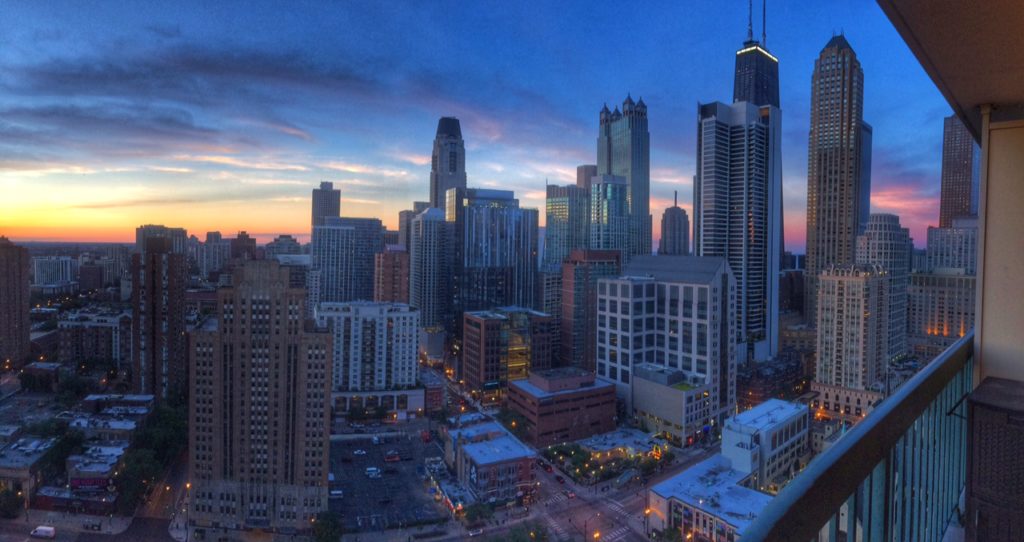
    In August I traveled to Chicago for 2 days. While much of it was spent in meetings, I was able to eat, drink, and see some of Chicago’s finest. Here’s what I did:

    How I Got There

    I snagged a great Wanna Get Away fare on Southwest Airlines. Flew DCA to Midway for $98 round-trip … and only booked it two weeks in advance. (Guess that’s what a Tuesday — Friday schedule gets you!)

    Where I Stayed

    JW Marriott Chicago: The hotel is about a 10-minute walk from Millennium Park, and is blocks from the Willis Tower. It’s a nice upscale city hotel. There’s a large lobby with a bar and lounge area (though it didn’t stay open all that late). It’s in the Loop, so surrounded by businessy spots like Starbucks and take-out lunch restaurants. Rooms were cool, clean, and have those wonderful Marriott beds.

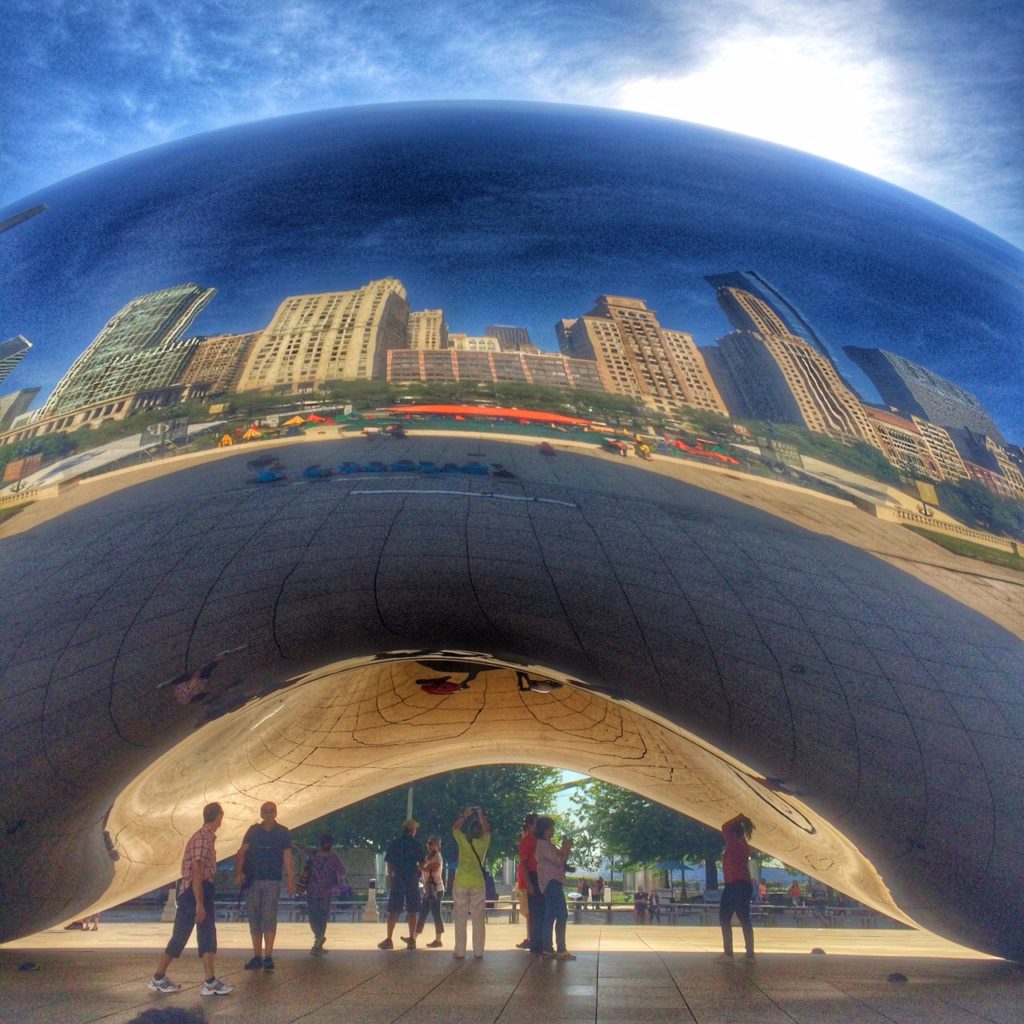
    Chicago Bean

    Day 1

    The Bean: My favorite place to photograph in Chicago. I snuck a visit in before work and snapped some pics of the buildings and blue sky reflections.

    Tortas Frontera: From chef Rick Bayless, this Mexican quick-lunch spot serves hand-crafted sandwiches and a salad with lime-avocado dressing that I never would have ordered had it not been recommended by a colleague. Now I can’t wait to get back and order another one of those salads…

    City Winery Chicago Riverwalk: This whole Riverwalk district is brand new, with bars, restaurants, and more kayak rental shops than I’ve ever seen in a city. The winery was bursting with post-work happy hour-ers, and since you can’t take your drinks beyond a certain point, I just sat on the steps and watched the boats chug along the river a few feet away.

    Parlor Pizza Bar: Pizza in Chicago means one thing: deep dish. Except not at this West Loop hotspot, where Neapolitan pies are as creatively topped as they are named (check out the Cheesus, Mary & Joseph).

    RM Champagne: This West Loop champagne bar has a great outdoor patio. Twinkle lights, exposed brick, and 12 types of bubbly all help you forget the fact that you’re kind of drinking in an alley. (There’s also a large indoor space.)

    Three Dots and a Dash: My colleagues and I closed out the night at this underground tiki-style bar. It’s known for its cocktails, but I’m even more of a fan of the ceramic tropical mugs that the drinks come in.

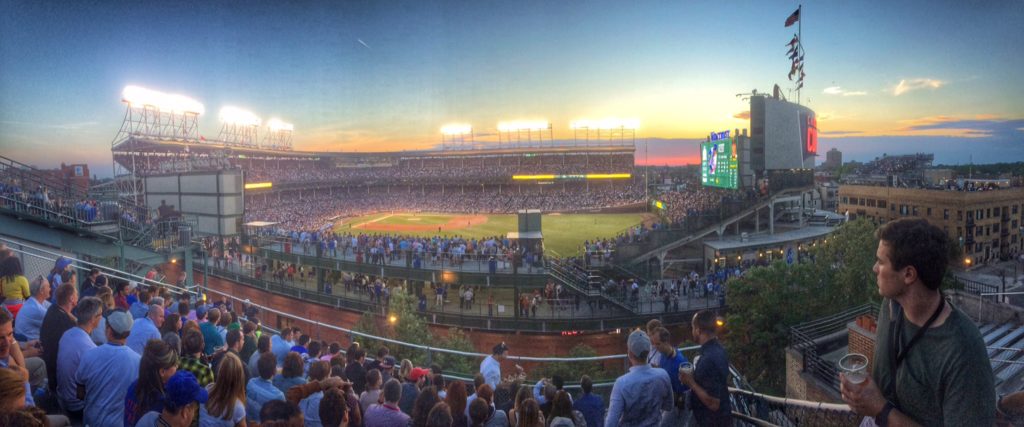
    Wrigley Field

    Day 2

    Wrigley Rooftops: 3643 n. Sheffield: After a day of meetings we took a trolley from the Loop out to Wrigleyville for a Cubs game at the Wrigley Rooftops. New updates to Wrigley Field (a big jumbotron and more public space) has spoiled the view from some of the rooftop venues, but we could see everything but the deep outfield. The rooftops aren’t so much about the baseball, but more about the all-you-can-eat-and-drink deals. The menu included dogs, brats, and some ballpark sides, plus a good selection of wine and beer.

    Cindy’s Rooftop: The rooftop bar and restaurant at the Chicago Athletic Association has a prime view overlooking the Bean, Millennium Park, and Lake Michigan. The place has an industrial-chic style and a cocktail menu called the “Potions & Elixirs” list.

    Hangge Uppe: A go-to late night dance party bar, apparently any night of the week. Come here if you want to keep the party going until 4 a.m. Think college dive, not techo club.


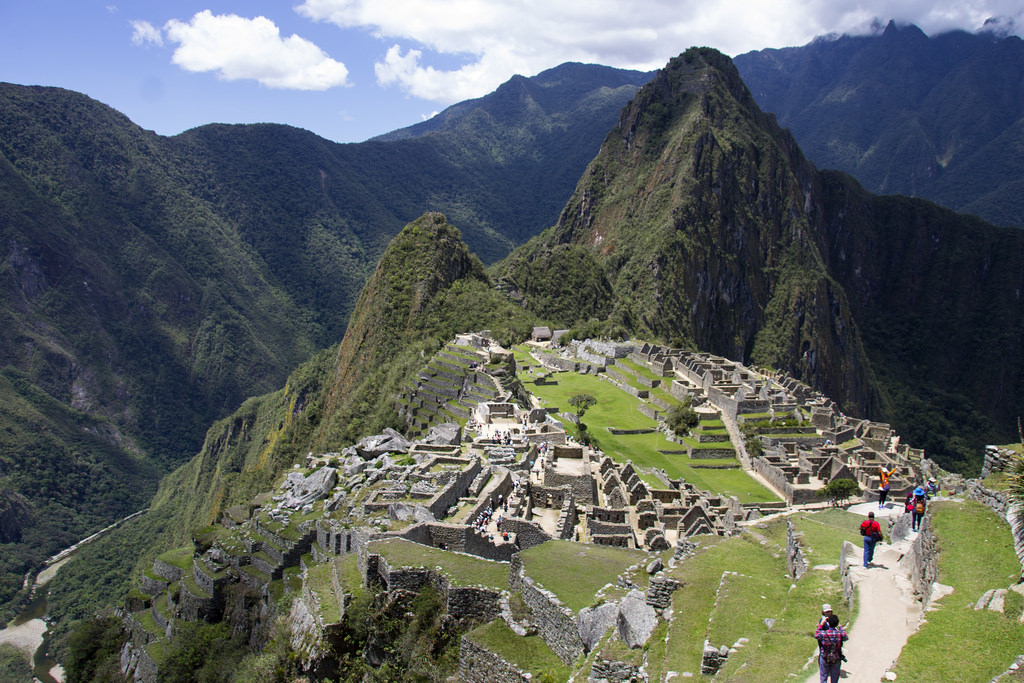
  • Planning a Trip to Machu Picchu and Hiking the Inca Trail

    Planning a Trip to Machu Picchu and Hiking the Inca Trail

    It all started with a poster.

    Hiking Machu Picchu had been on my list for a while, but it floated on that level that always got usurped by another destination when it came time to book. Then a few months ago my landlord inexplicably decided to plaster the hallway near my apartment door with a floor-to-ceiling mural of MP. A sign from the Incan gods? Who knows. But there’d be no more putting it off: I’m going to hike the Inca Trail.

    The problem is, the best time for me to hike the trail due to work is not the best time to actually go to Machu Picchu.

    So I’m starting with the research stage. Main question: Is November (Thanksgiving) an okay time to do the trek? Or, because it’s the start of rainy season, will hiking and camping and lugging my cameras for four days at the end of November be a terrible mistake?

    I’ve decided to document my research and the resources I’ve found helpful to plan my trip to Machu Picchu. If you’ve traveled here (especially if it was over Thanksgiving), please share your tips in the comments!

    Machu Picchu Trip Planning Resources

    …listed in order of when I found/read them, not in order of value.

    Notes from People I’ve Talked to

    • Should spend at least 2 days in Cusco to acclimate
    • Salkantay is a longer, harder but apparently less touristy hike
    • A guided group hike should be about $500-600. Plus people recommend a porter, which I’d def do given all my cameras.
    • Since November isn’t high season there’s still time (in June) to book a group. A few people have said its okay to go then, others have said it will be wet.
    • Aguas Calientes is a touristy, but fun town right near Machu Picchu. It feels a bit like a ski resort town.
    • Clilmbing Huayna Picchu is great, but there’s another mountain nearby that isn’t as popular, doesn’t sell out, and overlooks MP and HP to get an often unseen view.
    • Watch what you eat and drink — outside of Lima, a number of people I’ve met have gotten food poisoning (including in Cusco).

    Choosing a Tour Operator

    Booking a tour operator is the first major step when booking your Machu Picchu trip. All trekkers must go with a group, and tickets sell out up to six months in advance — so don’t wait.

    I don’t want to travel with a big international brand; I want something local and Peru-centric. Research and polling friends who’ve done the trek rounded up a healthy menu of options: Llama Path, Andina Travel, Mountain Lodges of Peru, Pachamama Explorers, and SAS Travel. Llama Path, G Adventures, and SAS were the most frequently mentioned, so I settled on SAS, partially because of the company’s stellar online reviews, and partially because it doesn’t seem to offer press trips to bloggers (so the reviews I found seemed more authentic than the glowing accounts from junkets elsewhere).

    I’ll be traveling with a friend so in mid-July we booked two spots on the November 22 trek. We opted for the 4-day/5-night trip, which includes a night in Aguas Calientes and a ticket to climb Huayna Picchu (the mountain you see in all the MP pics) the next day. Tickets for this climb are very limited and sell out quickly, so it seemed easier to book it all at once and let the tour company take care of organizing and lodging.

    Total cost for the 4-day/5-night trek, plus a porter to carry my stuff (I lug a lot of camera gear…): $780.

    We booked on a Monday, and that Wednesday sent the info to some friends who were interested in joining. When they looked at the schedule, our trip was gone. Five months out, and not in peak season, and it was still sold out.

    Post trip update

    While I ended up going with SAS Travel, I had a pretty bad experience with the guide on our trek. Wouldn’t recommend them just because of him and the fact that we were supposed to have two guides but only got one.

    Pre- and Post-Trek Travel

    With our trek tickets secured, it was time to book flights. This far out there were still plenty of options. Avianca had the lowest fares, and while the price didn’t vary too much between a multi-city DC>Cusco>Lima route, it ended up working better for us to connect in Lima on the way down as well. We started on Kayak but found that Avianca’s website had more options, so booking directly there allowed us to squeeze in an extra day in Lima on the way home. Bonus: Avianca’s Star Alliance, so I’ll be earning United miles on the trip.

    Total airfare from D.C. (with connections) to Cusco to Lima to D.C.: $1005.

    Next up were hotels. SAS Travel had an arrangement with Hotel Marqueses in Cusco; if you stay here before your trek you can keep your non-hiking gear here while you’re on the Inca Trail. That seemed like a good set-up (and the hotel has good reviews), so we booked a stay here for the 2 nights before our trip. For the return from the trek, we thought we’d treat ourselves with a room at the swanky JW Marriott Cusco, so we booked that. However, once in Cusco we learned that we probably wouldn’t get back from Machu Picchu until 10 or 11 at night, so it seemed like a waste to go big on a fancy hotel. We cancelled the JW Marriott and opted for another night at the Marqueses where our stuff was.

    Preparing for the Trip

    How do you train to hike the Inca Trail? Stairs. A handful of friends who’d done the trip recommended just getting on the stairmaster and staying there. 

    In reality, you can train however works best for you. Stairs will be the most useful; the trail is mostly hiking up and down giant stone stairs. Also practice walking long miles and being on your feet for hours at a time (break in your hiking boots doing this if they’re new). Some days on the trail are like 12-13 hours without many places

    What to Pack to Hike the Inca Trail

    I updated this list AFTER my trek, so it includes some things that I hadn’t read about but were sanity-savers (Wet wips, febreeze, Princess Gummies…).

    • DEET bug spray
    • SPF
    • Hiking Boots (ones with good ankle support)
    • Rain gear (you can buy cheap ponchos in Cusco — these are better than rain coats because they cover your pack too)
    • Bags to protect cameras from rain
    • Polarized sunglasses
    • Hat
    • Water and sweatproof layers (pants and tops)
    • Good hiking socks, like Smartwool
    • Tissues for toilet paper
    • Wet wipes (aka portable shower)
    • Febreeze spray (aka portable laundry)
    • Headlamp
    • Camelpack backpack (much easier than filling up and lugging individual water bottles)
    • Small flashlight to hang in your tent
    • Sleeping bag (you can rent these, but it grossed me out to sleep in the same bag as a bunch of other unshowered strangers — if you do this, bring a sleeping bag liner)
    • Water purification tablets (your crew will boil water from streams, but better safe than sorry)
    • Gatorade powder (hides the taste of water purification tablets)
    • Anti-diarrhea meds 
    • Altitude medicine like Diamox (this is important! Altitude sickness is no joke!) 
    • Advil
    • String or small clothesline with clips (to hang in your tent)
    • Granola bars/snacks
    • Binoculars (if you’re into birdwatching)
    • Playing cards
    • Extra batteries for your camera, or battery pack for your phone (there won’t be any place to charge en route)
    • Camera gear (optional, but here’s what I packed):
      • Canon DSLR
      • Tripod
      • Polarizing filter
      • 18-250 mm lens (to avoid swapping it mid-hike)
      • GoPro
      • GoPro stick mount (for those llama selfies)
      • GoPro head mount (useful for climbing Huayna Picchu)
      • GoPro remote
      • Canon S120 point-and-shoot
      • iPhone
      • Extra batteries (for every camera)
      • Extra memory cards
  • 7 Apps That Double as Awesome Travel Tools

    7 Apps That Double as Awesome Travel Tools

    Published August 26 on Creator by WeWork || Snapchat is for selfies, Amazon’s for shopping, and Slack is for pinging your boss to set up a meeting. Right? Well, sort of.

    Many of the apps you use on a daily basis are actually much more versatile than you’d think. And while there’s no shortage of travel sites to help you plan your next trip, some of the best travel resources are the non-travel apps you use for other things. Here’s a guide to using your favorite everyday products, from Instagram to Amazon, to plan your next getaway. Read more>>

  • 6 Best U.S. Airports for High-Tech Travelers

    6 Best U.S. Airports for High-Tech Travelers

    Published August 19, 2015 on Creator by WeWork || The airport of the future looks a bit like the love child of an Apple store, the Mall of America, and the Museum of Modern Art. Futuristic hubs like South Korea’s Incheon International Airport and Hong Kong International Airport now resemble small cities, with services like laptop loan programs and amenities like a golf course that make it easy to bring your business with you to the plane. Read more>>