Category: Caribbean & Mexico

  • How to Spend 4 Days in Holbox, Mexico

    How to Spend 4 Days in Holbox, Mexico

    I spent a long weekend (Thursday – Sunday) on the island of Holbox, Mexico in December. I had heard of the island (which is apparently pronounced “Hol-bosch” not “Hol-box”) for a number of years. Despite being near-ish to Cancun, it was billed as the anti-Cancun — no mega resorts, cash only, and few of the tourist crowds. It’s popular among Europeans but Americans haven’t taken over en masse yet, though it’s becoming increasingly popular among the Instagram set for its colorful street art and FOMO-inspiring water hammocks. I haven’t been to Tulum, but I’m told Holbox is what Tulum was like 20 years ago, before it blew up.

    Here’s what I did:

    Note: these are just rough, unedited travel notes. For examples of my published writing, check out my published clips.

    How to Get to Holbox

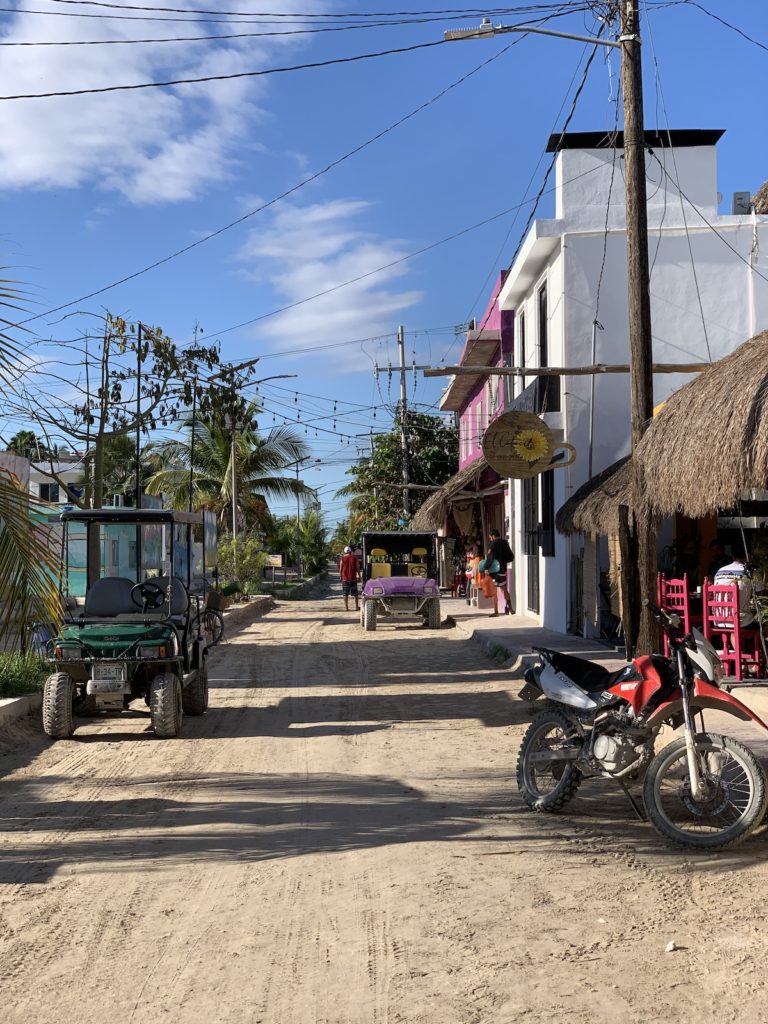
    Most people get to Holbox by flying into Cancun, then traveling by car/van about 2½ hours north to the little port of Chiquila. From here, it’s about a half-hour long ferry to Holbox, where you can hop on a ATV-golf cart–style taxi or walk to your hotel.

    It’s possible to take a bus from Cancun to Chiquila where the Holbox ferry is. You can also grab a taxi from the airport, though that’ll cost you. If you’re on a tight budget that’s your best bet, though from what I could tell you have to transfer from the Cancun airport into the city and then get your bus there. You can also rent a car and drive yourself, but the roads aren’t great at some parts.

    With limited time and Spanish skills, I organized a transfer with Holbox Adventure through my hotel and am so glad I did. The transfer cost $150 each way (total price for two of us) and included a private van transfer with airport pick-up, tickets to the ferry, and a taxi pickup once we arrived in Holbox. They coordinated tickets and timing, so we just showed up and watched the countryside speed by.

    Two notes if you do use a driver and aren’t fluent in Spanish, like us:

    • Arrival at the Cancun airport is a little confusing — there are a few areas where people will try to pick you up/offer you a ride. We almost got duped by someone trying to “help” us, who kept telling us the driver to Holbox was in a different location from where our guy actually was waiting. Follow the pickup instructions closely, don’t give your name out, and find the official tourism people in the airport if you need directions.
    • Most things in Holbox are cash-only, and our transfer was no exception. I thought I had paid for it when booking our hotel; turns out it was just an online deposit that ultimately went toward the hotel room, not the transfer. So I had to fork over the entire 3,000 pesos I took out for my time on the island to our driver. So make sure you take out extra cash to pay for the transfer, even if you book it through your hotel.
    Where to Stay in Holbox

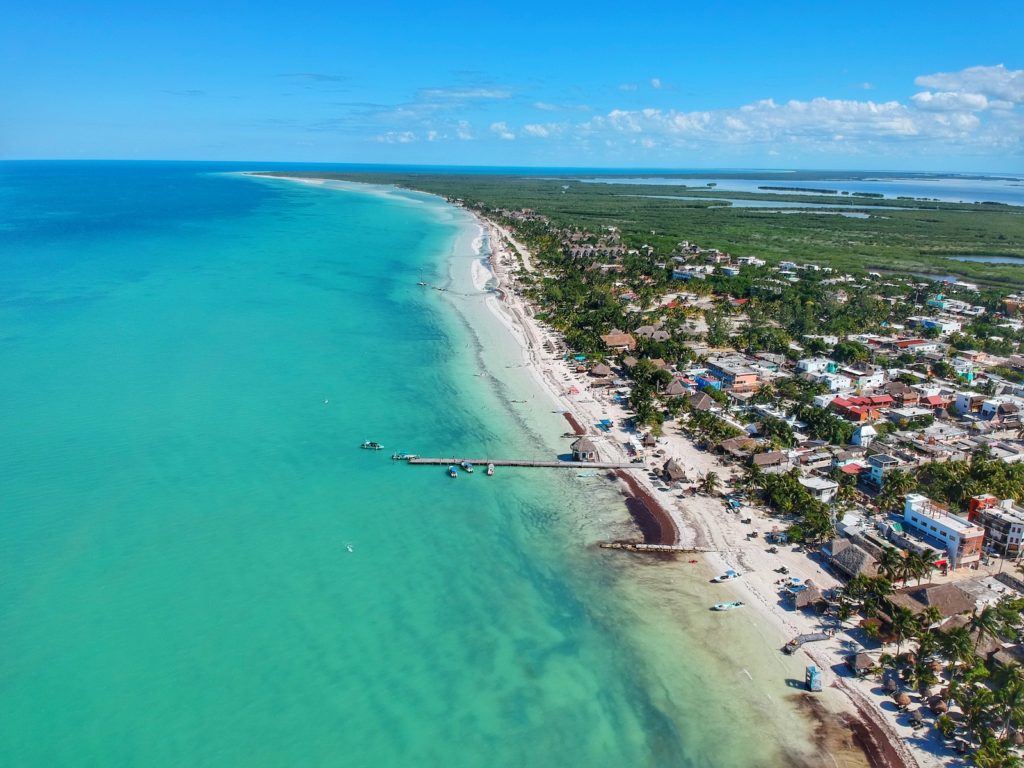
    While the island of Holbox is about 26 miles long, the town on the island only takes up a mile or two, and the rest of it is largely nature preserve and undeveloped. Because of that, lodging is mostly concentrated around this town. Hotels range from little hostel-like lodgings to boutique beach spots — no chains or big resorts here. There’s also Airbnb, though the tourism office discourages use of that here because it’s said to be causing gentrification and developers are pricing out residents to build rental units. The hotels are spread along the beach and through town. I thought it was easiest to stay close to town, whereas if you’re at the far end of the beach (at like Hotel Villas Flamingos or near Punta Cocos) it’ll be about a half-hour walk, or a short bike/taxi ride into town.

    Here’s where we stayed:

    Hotel La Palapa: Friends recommended this beachfront spot, and I wholeheartedly second the suggestion. The hotel is RIGHT on the beach, like about 15 steps from our room to the sand. It’s about 2 blocks from downtown, meaning it’s right there and takes like 2 minutes to walk to the center of things, but it’s removed from any nighttime noise. The beach itself is compact and on the shady side, but there’s a little beach bar and a handful of loungers/chairs on the sand where you can order drinks and watch the water.

    The rooms were spacious and clean, with cool little touches like towel animals and a sink and showerhead that were basically giant conch shells that cascaded water.

    How Much Money to Bring to Holbox?

    Almost everything on Holbox is cash-only, and there are only a couple ATMs on the island — one at the police station, and one at a Ci Bank on Calle Tiburon Ballena. Sometimes they work, sometimes they don’t, and sometimes they have a line of people waiting to use them and then they run out of money.

    We read online that a rule of thumb for how much money you need in Holbox is 1,000 Mexican pesos per day per person. That’s about right, however it doesn’t account for specific activities or things like transfers. For two people, over four days, we spent about $17,000 pesos: 6,000 on transfers to/from the airport, 4,600 on a fishing charter, and the remainder on food/drink. Most meals set us back 300-600 pesos. We didn’t splurge on any big meals, but also didn’t hold back on drinks — beer cost like 40 pesos, and cocktails were about 120 pesos. 
    Where to Eat & Drink on Holbox

    Before traveling here we collected the following Holbox restaurant recommendations from friends and blogs. In 3½ days on the island we made it to almost all of these spots (marked with an * asterisk)! We did not, however, try the Lobster Pizza that Holbox is known for.

    • Las Planchas*: right behind the hotel and a great spot for lunch — fresh seafood
    • El Cafecito*: some of the best coffee in town, and delicious breakfasts and juices
    • Luuma: A cool bar/resto where you eat in like a garden. Very instagrammable. One of the more “upscale” places on the island (though nothing here is incredibly fancy).
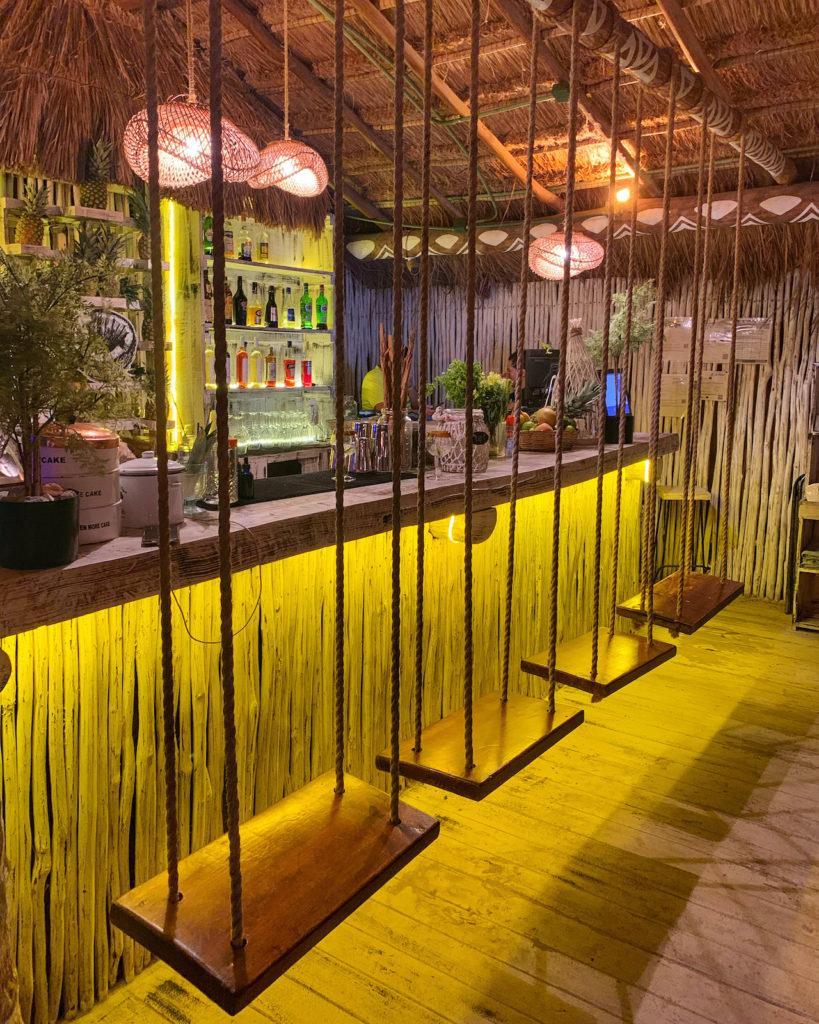
    • Coquitos Beach Club*: Trendy spot on the beach west of town with a beautiful bar + bar swings!!
    • Viva Zapata*: also has bar swings! Good menu, has a bit of a touristy/international vibe but food is far above tourist traps.
    • Holbox Foodie Market*: outdoor market with live music (though we didn’t see any music while here). Mix of tacos, burgers, sandwiches, and seafood.
    • Raices Bar*: has great seafood and good cocktails. Looks over beach and has hammocks and swings. Great sunset spot.
    • Cafe del Mar: (by Fly Fishing Lodge) supposedly has good cocktails and is good sunset spot
    • Los Pelones has good pasta
    • Hot Corner*: a good bar; right by the hotel; gets crowded on weekends; live music and dancing; free cocktails for ladies on Thursday nights from 8 pm to 10 pm
    • Bar Arena*: rooftop bar
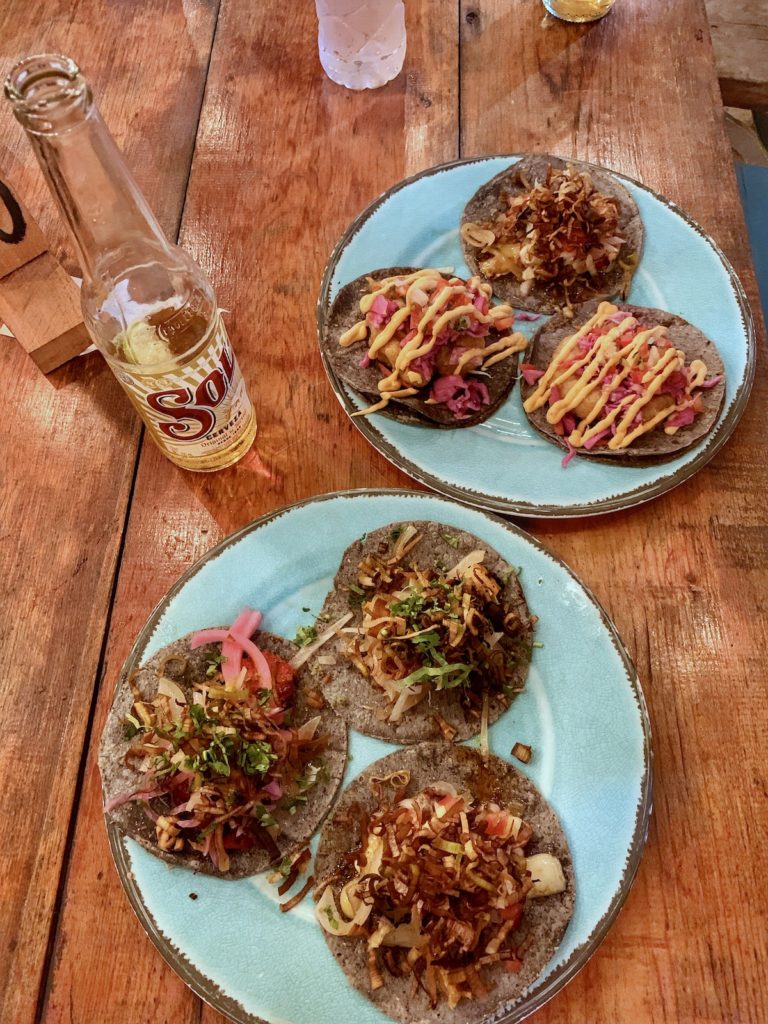
    • Barba Negra: gourmet tacos, located in Holbox Foodie Market
    • Basico: recommended for juice, food, drinks
    • Zomay: beach bar with drinks on swings
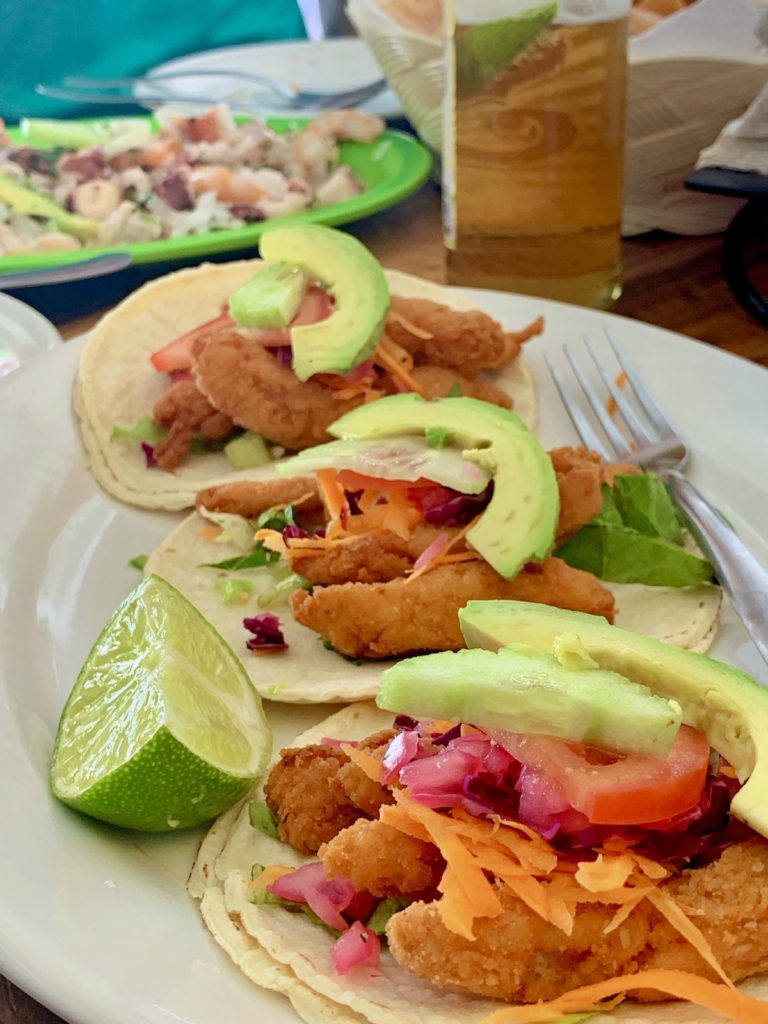
    • El Chapulim: great food (try the fish tacos) in cozy spot
    What to Do in Holbox

    Relax, of course! This place is beach bum heaven, where the dress code includes flip flops and you can easily pass a day just gazing at the blue Caribbean waters. For the more activity-prone, here are some other things to do aside from eat, drink, and chill.

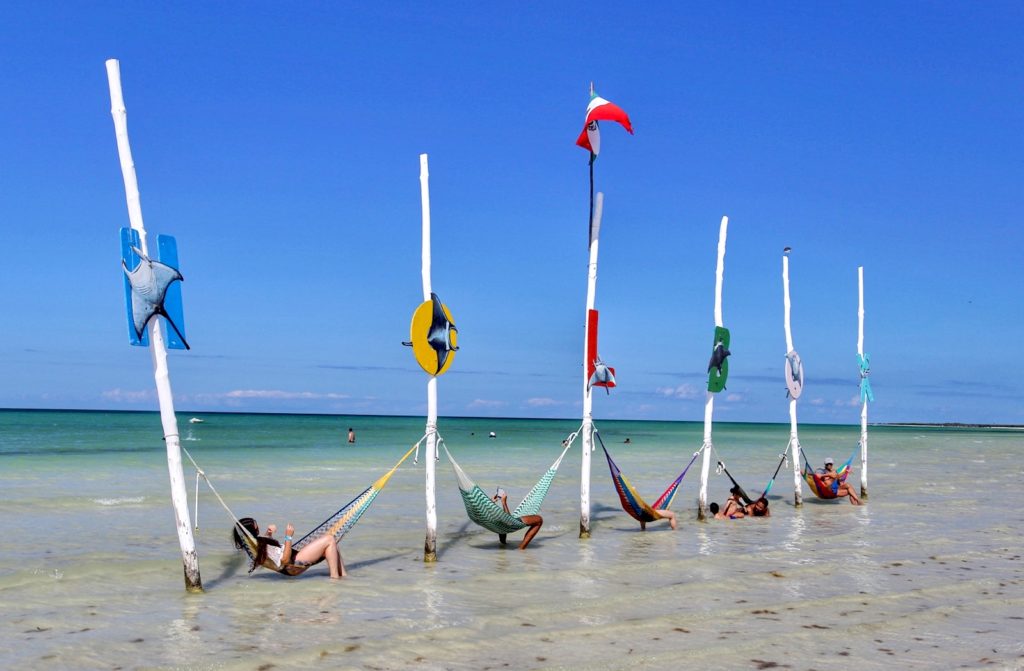
    • Lie in water hammocks: They’re all over, with some strung along the main beach, as well as at Punta Cocos.
    • Fishing: You can charter a local guide to go deep sea or not-as-deep sea fishing. If you’re really serious about it, a couple of fly fishing operators set up whole tours.
    • Rent bikes or a golf cart and explore the island
    • Find the flamingos: You can often see them around Punta Mosquito, and also may spot some at Punta Cocos. Or just keep an eye out for a pink bird flying!
    • Kayaking: Tours are approx 2 hours and you go through mangroves. (Tours leave only in the mornings around 9 am so plan ahead)
    • Bioluminescent Tours & Beach: Punta Cocos on the southwestern side of the island is a bio bay; you can swim in the water here or join a tour and paddle around the glowing water. Check moon phases before you come — the best time to see the phosphorescence is during a new moon when it’s darker out. 
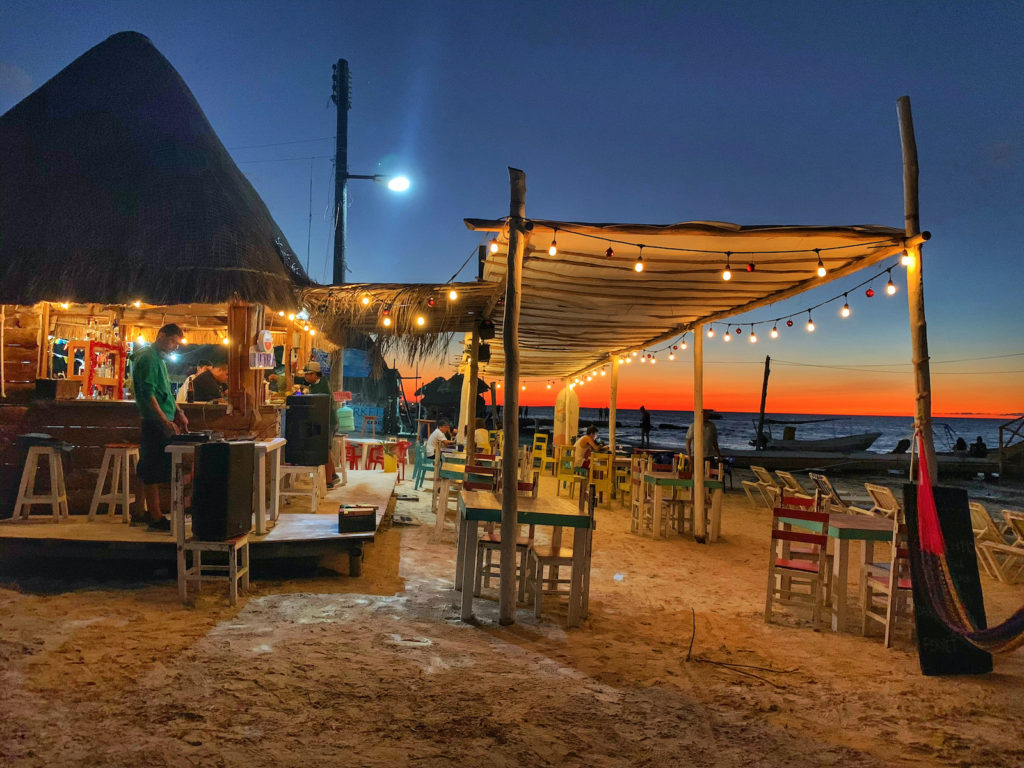
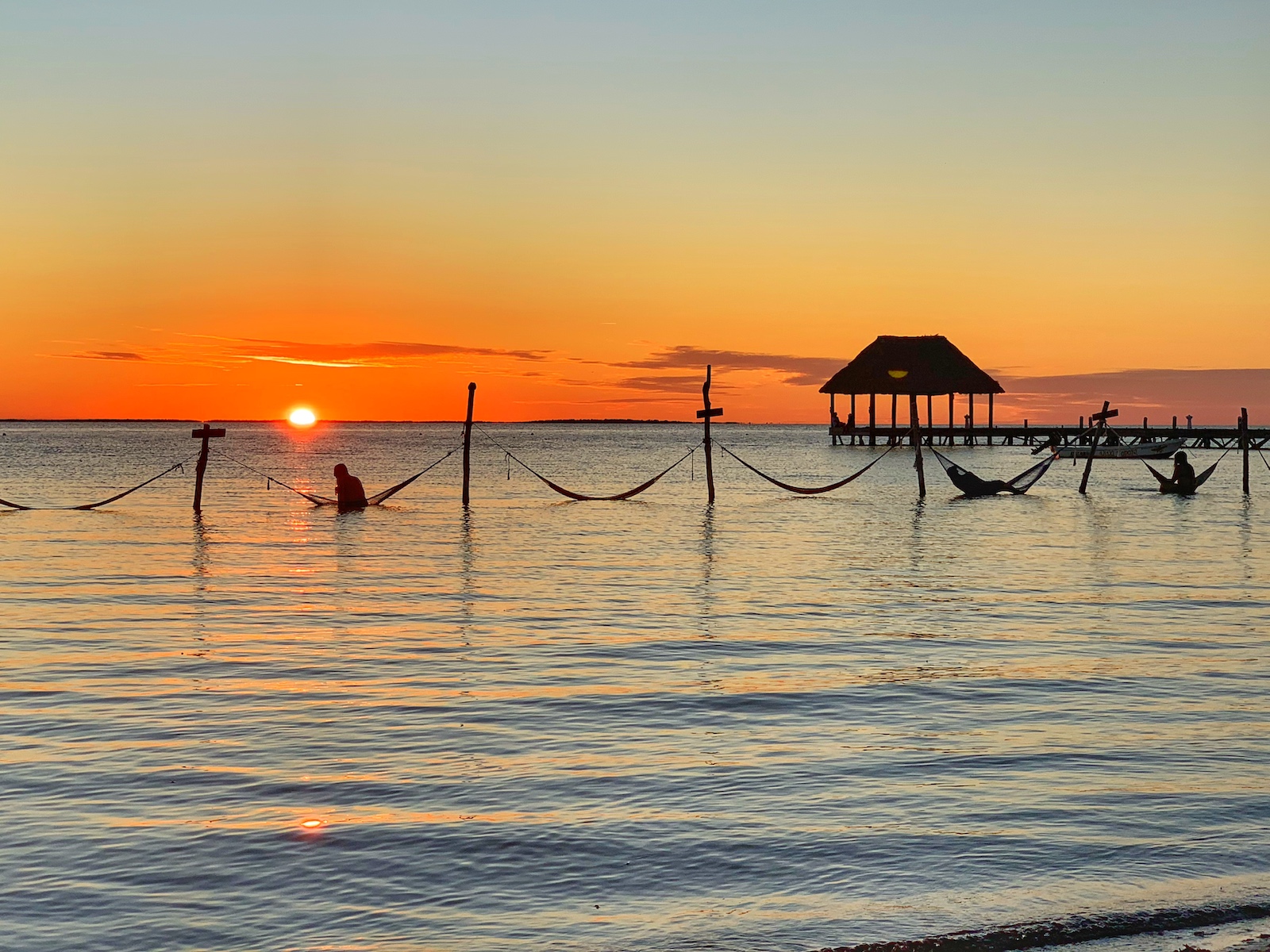
    • Sunset at Punta Cocos: Sunset is something to see wherever you are on the island, but Punta Cocos is the best place to watch. It’s the westernmost spot on the island and has a little bar setup so attracts a fun crowd of sunset-seekers. Bring a flashlight or plan for a taxi to come pick you up — the bugs get bad after dark and the dirt road back to town is dark and pot-holey.
    • Swim with whale sharks: Whale shark season in Holbox runs from June through September. During this time you can join a tour to snorkel or dive with the majestic animals. 
    4 Days in Holbox — What I Did

    Day 1 (Thursday)

    We arrived in Cancun and first needed cash. Flying in on Southwest, we landed in a terminal that didn’t have an ATM, so went on a little airport adventure to find one. After the transfer via van, boat, and ATV, we arrived at our hotel around dinner time. 

    El Taco Queto: We stumbled across this super casual taco spot, which is basically a smattering of plastic tables and chairs under an awning … and it turned out to be one of our best meals on the island. It’s BYOB (pick up beer at the market next door), with tacos, quesadillas, and chips and guac. 

    Hot Corner: This is one of the main nighttime hangouts in Holbox, with live music and a great location on a downtown corner. It’s about as clubby as we saw, but the dress code is backpacker-chic; you’ll see far more flip-flops than heels. Thursday is “ladies’ night” so women get free cocktails. Or you can get beer from the market across the street and sit on the curb and listen to the music and dance in the street.

    Day 2 (Friday)
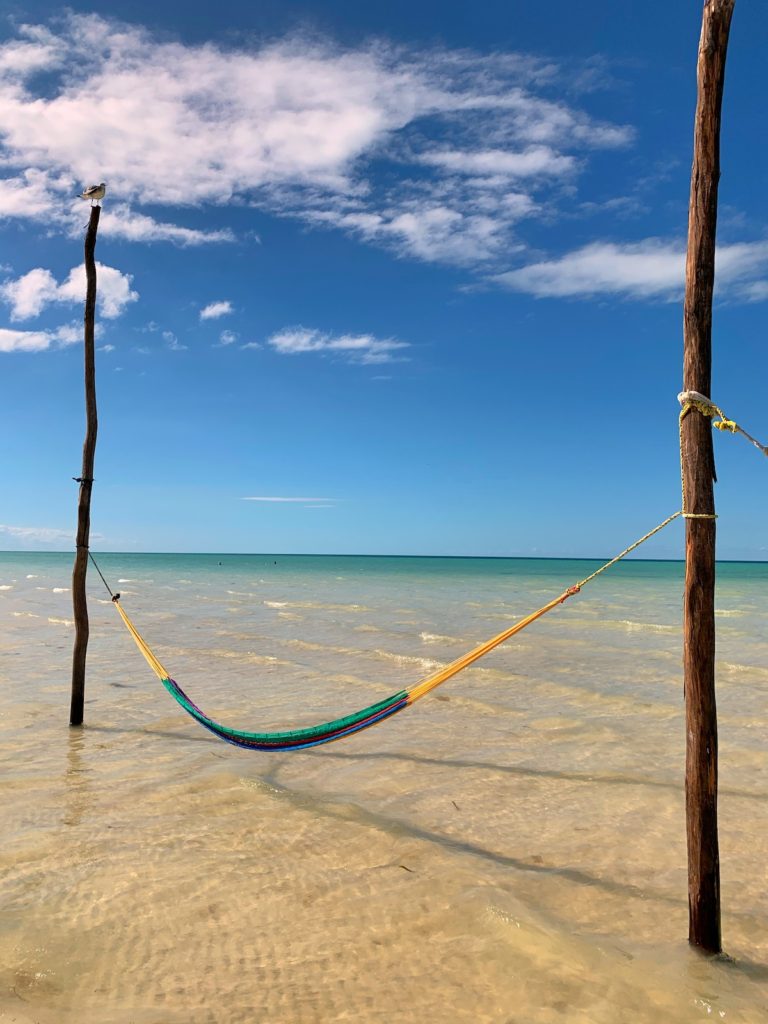
    I woke up and went for a run along the beach — the sand here is hard-packed so it was a great beach run, and I got to scope out bars and beach setups along the way to return to later. Morning was also a great time to visit the big photo opps: the “Holbox” sign had no one there, nor did the Holbox hammocks. Later in the day, both of these are quite popular.

    El Cafecito: This little cafe has good smoothies, coffee, and sandwiches/breakfast food like omelets. There’s an inviting front porch with brightly colored tables and chairs for al fresco breakfast. 

    After breakfast we had to go to the ATM like 3 times because paying for our transfer in cash drained all the money I took out. After empty machines and one that seemed to be frozen, we got one to work and got mas dinero. 

    Las Planchas: We came for lunch and enjoyed huuuuge servings of fresh seafood and tacos. It was very fresh and very good. The restaurant is right behind Hotel La Palapa; I couldn’t figure out what hours this open-aired seafood centric spot was open, since there were always people here but a “closed” sign was often up, but they seem to at least do breakfast and lunch.

    After lunch we took a beach walk to Las Nubes at the far eastern end of town. Along the way we scoped out the beach bars, many of which have my new bar obsession: BAR SWINGS!!! I also tested out the hammocks that are strung on posts in waist-high water all over the beaches here. Once we made it to the end of the beach, and a little beyond, we turned around and walked back on sand bar for about a mile back to town. 
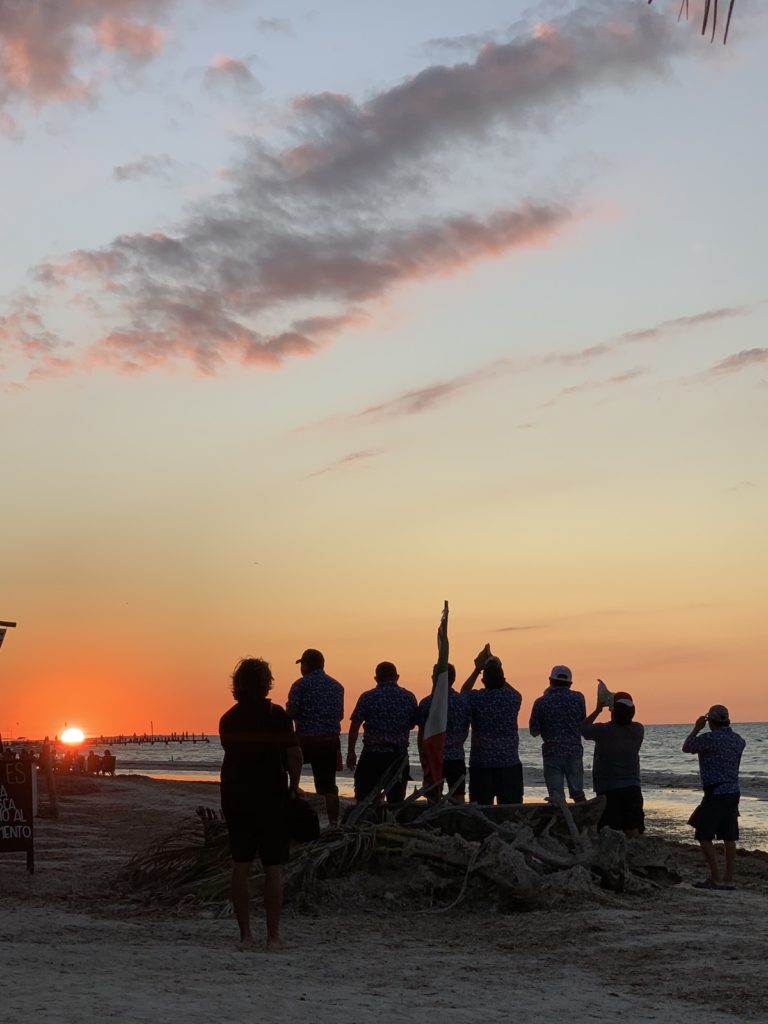
    Raices: A lot of people rave about this beachfront bar and restaurant. We set up camp here to wait out our first real Holbox sunset (there are great views here, as there are all along this stretch of beach. The pier is a popular place to watch sunset too — there’s an unobstructed view here). Little did we know they have a sunset ritual, which includes a conch shell, and a feathered fire dancer.

    Viva ZapataDespite seeing bars with swings all day, none of them were actually OPEN yet, until we got to Viva Zapata. Off the main drag in town, this place has an eclectic menu and flags from around the world line the walls. At first glance, it feels like it might be a not-so-great tourist trap, but the food is excellent, and anyway who cares if it’s touristy because swings. 
    Day 3 (Saturday)

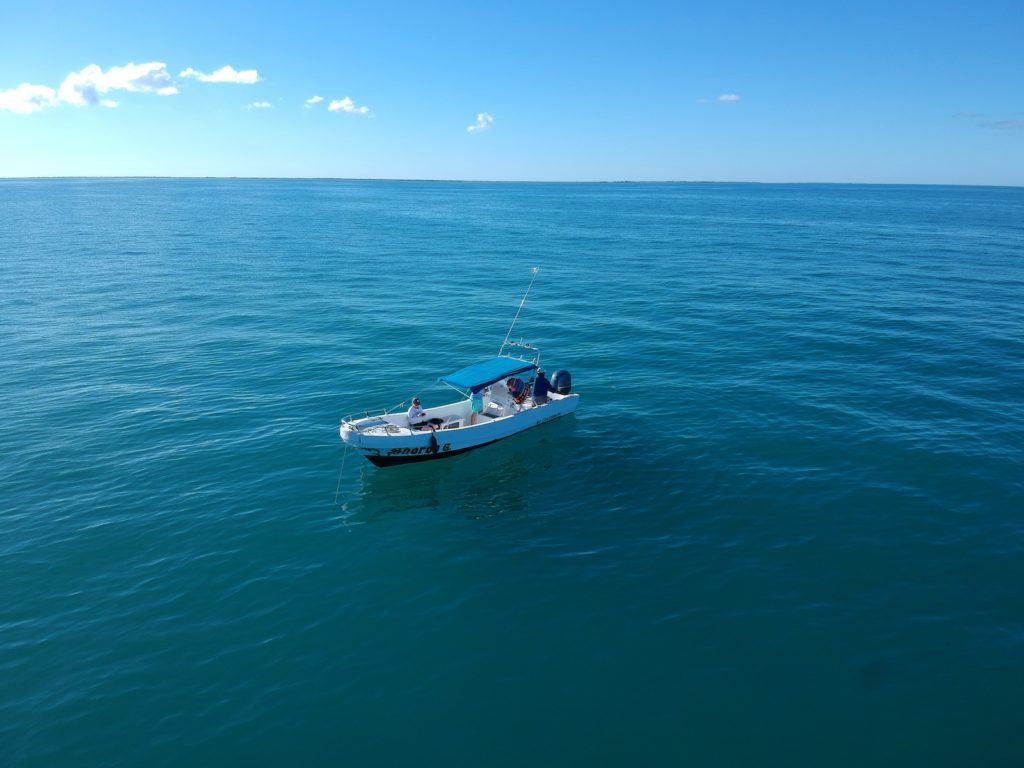
    Fishing! Holbox is a fishing hotspot, for everything from deep sea to hand lines to fly fishing. We set up a fishing charter through our hotel, and a local captain came and picked us up right from the beach at La Palapa. Once we were out of sight of land, we dropped anchor and our captain set us up with hand lines and bait. From there we had a solid 3 hours of catching what would end up being our lunch — mostly pargo (snapper) and grouper, plus a few jacks and one little pufferfish who our guide set free after inflating. 

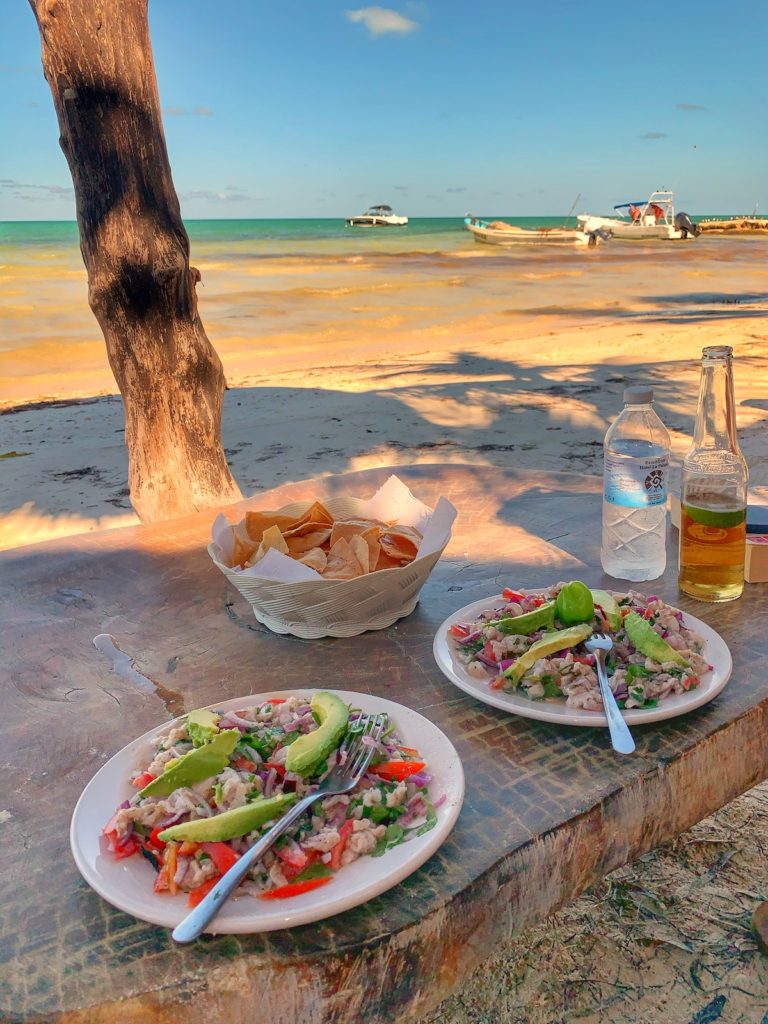
    Upon our return, the captain chopped up our catch into the freshest ceviche I’ve ever had, which we enjoyed beachside at our hotel.

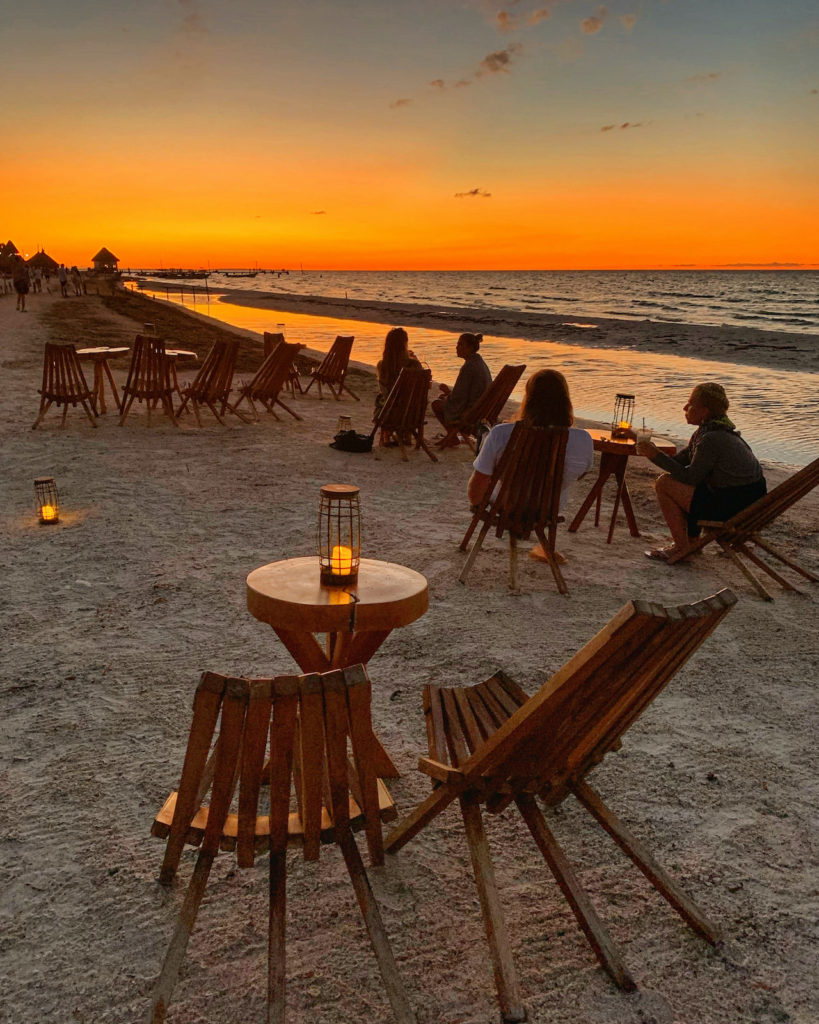
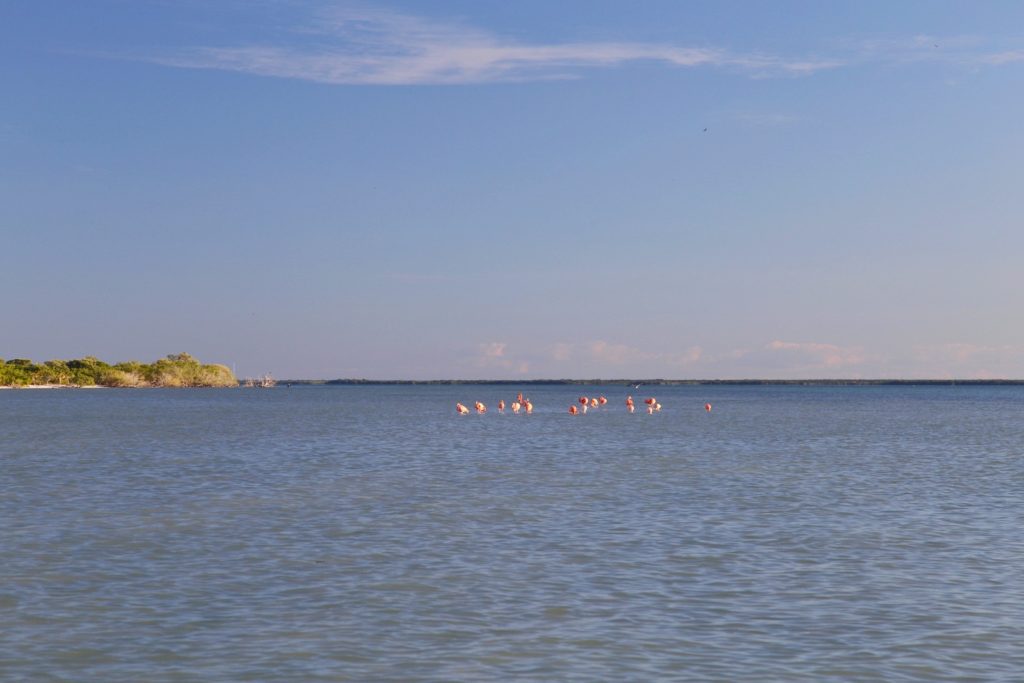
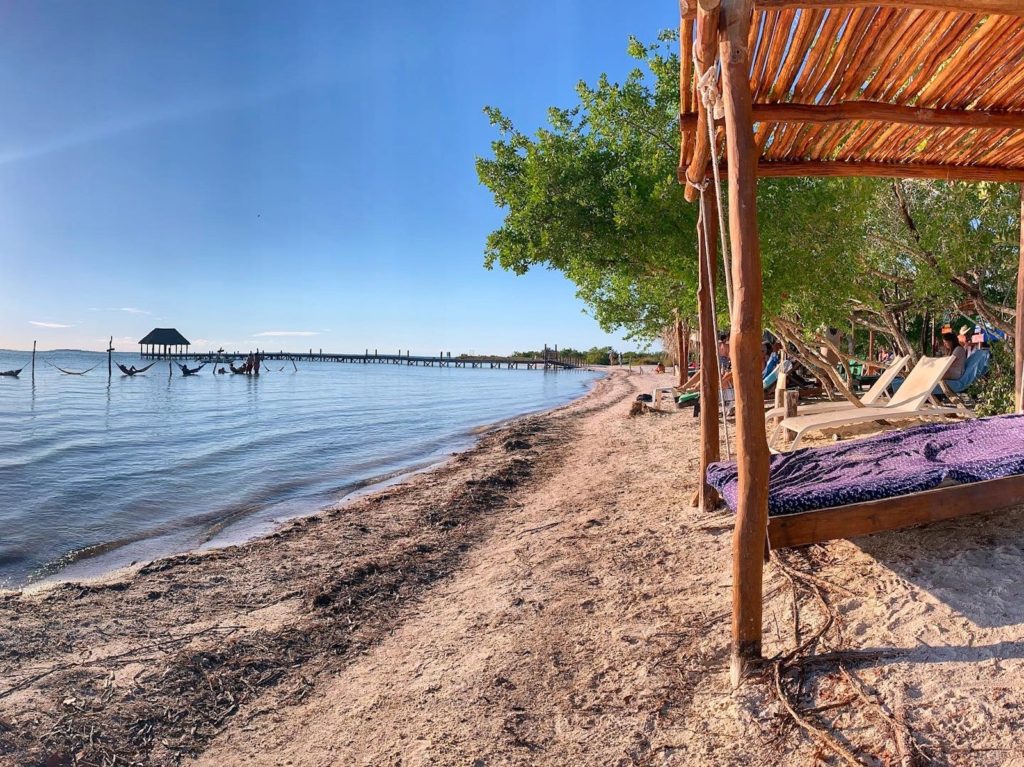
    Sunset at Punta Cocos: Holbox is known for its sunsets, and this is the ultimate place to watch the show. It’s about a half-hour walk from downtown Holbox to Punta Cocos at the western end of the island (or you can bike or take a taxi buggy). Once you’re here, it’s beach heaven: a smattering of chaise lounge chairs set amidst shrubby trees on the water’s edge, a small bar (we brought beers not knowing there’d be some to buy), hammocks strung in the water, and a pier that was closed to the public but made a nice backdrop in the sunset. Farther west, the bay opens up; we saw a flock of flamingos and at night this is where many of the bioluminescence tours operate. 
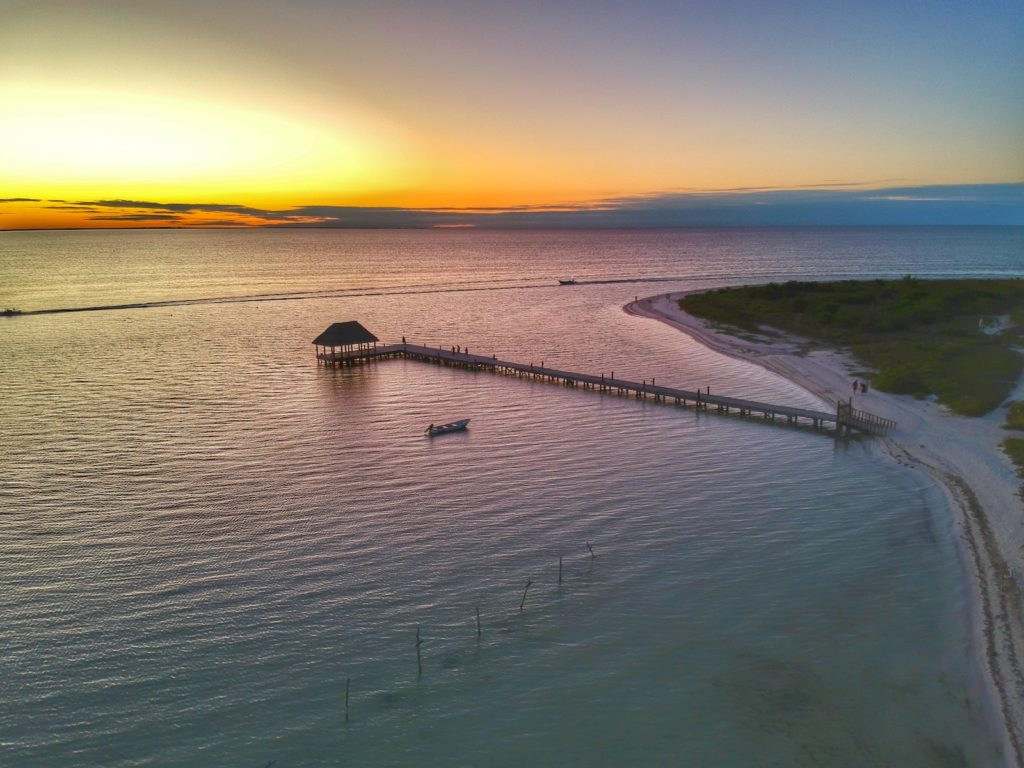
    Sunset here lived up to expectations, but what was not expected were the mosquitos that came out in force as soon as the light started to fade. Hardcore DEET bugspray was not a deterrent, these things were insane. 

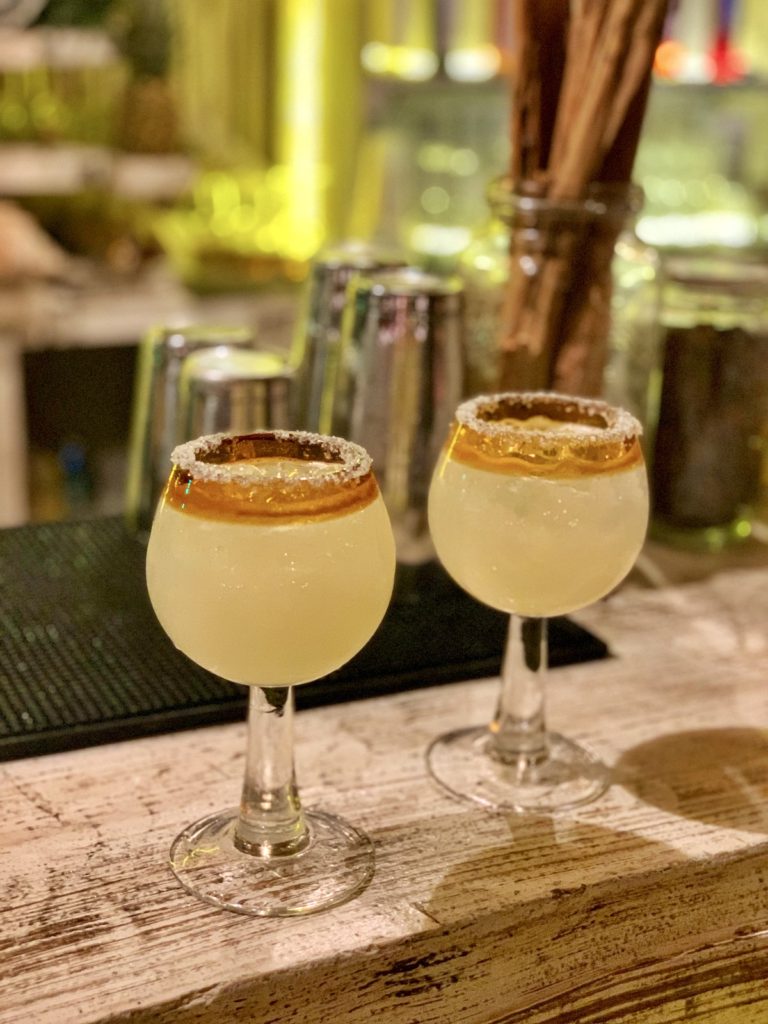
    Coquitos Beach Club: On the walk back to town from Punta Cocos, we stoped at this trendy beach club, which had a very photogenic bar swing set up, as well as some delicious margaritas. 

    Holbox Foodie Market: This tiny airy food hall has an assortment of different restaurants/food trucks. We did Barba Negra which had really good tacos

    Bar Arena: The rooftop bar on top of Hotel Arena has expansive views of town, plus a small pool which had a giant flamingo floatie in it.

    Hot Corner: Compared to our visit on Thursday night, Saturday was much more crowded here, though we were still able to grab seats at the outdoor bar. There were many folks sitting on street median; good people watching.
    Day 4 (Sunday)

    Because our airport transfer began at 11 am (to make it to a 5 pm flight from Cancun — we arrived at the airport at 2:30 pm), we took it easy today and spent the morning just chilling at the hotel beach.
    Want more Holbox? Check out this photo tour of the island>>
  • A Photo Tour of Holbox, Mexico

    A Photo Tour of Holbox, Mexico

    About 3 hours northwest of Cancun, the island of Holbox is the antidote to its neighbor’s built-up tourism machine. The island’s largely cash-only, there are hardly any cars, and the seafood was likely caught a few hours before it lands on your plate.

    The fishing village-turned vacation town is a photographer’s dream, with colorful murals on the town’s streets, Instagrammable features like water hammocks and bar swings, and out-of-this-world sunsets that paint the sky and water a rainbow of colors.

    For more info on visiting this island, check out this 4-day Holbox itinerary.

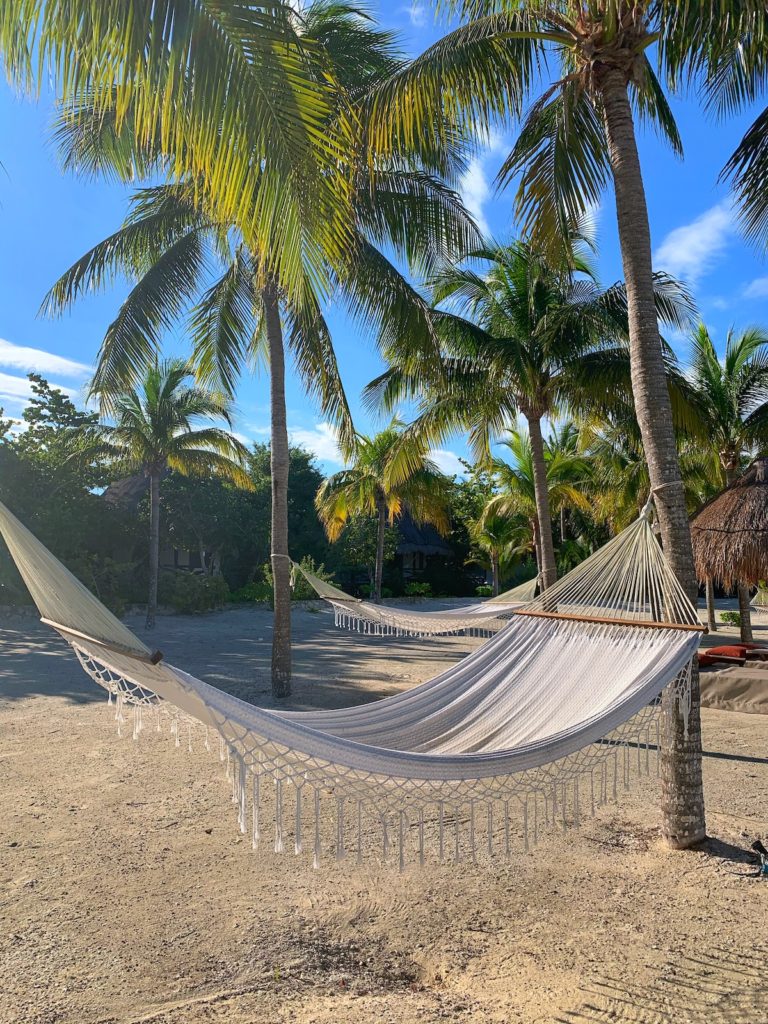
    One of Holbox’s most photographed features are these hammocks strung in the surf off the main beach. (iPhone 10s)
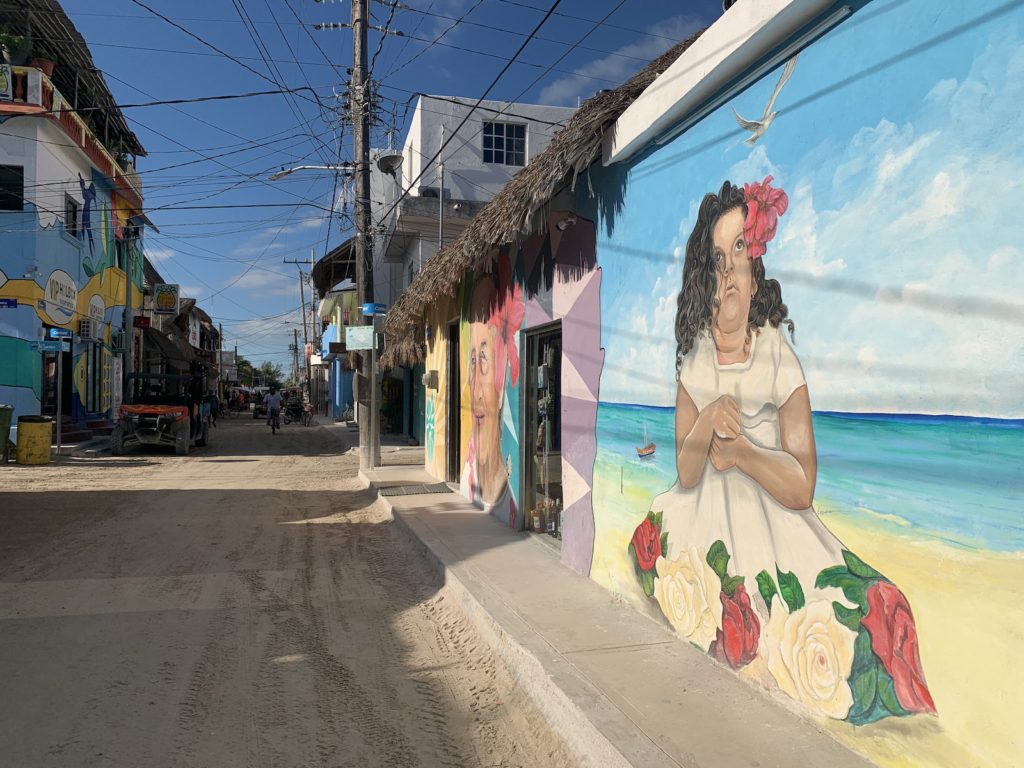
    A main street in downtown Holbox. There are very few cars on the island — mostly bikes and ATV/golf-cart taxis. (iPhone 10s)
    Holbox’s streets are full of colorful murals. (iPhone 10s)
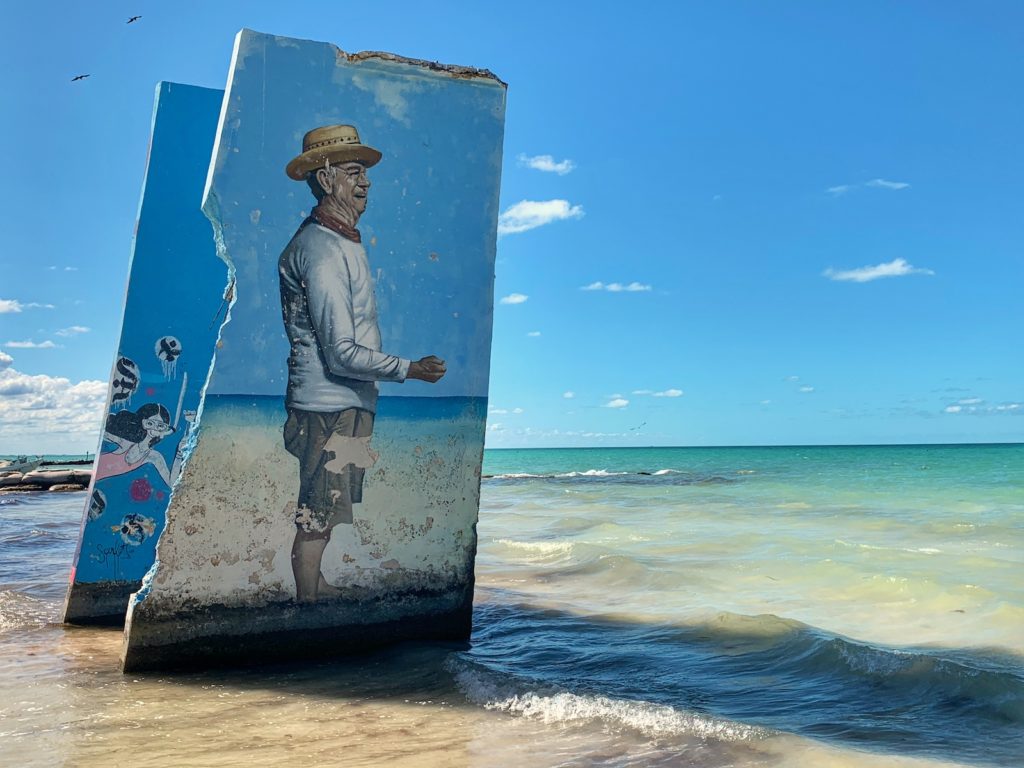
    Street art extends beyond the street here — you’ll also find murals on the beach in Holbox. (iPhone 10s)
    Holbox is FULL of hammocks. They’re on the beach, at hotels, at bars … (iPhone 10s)
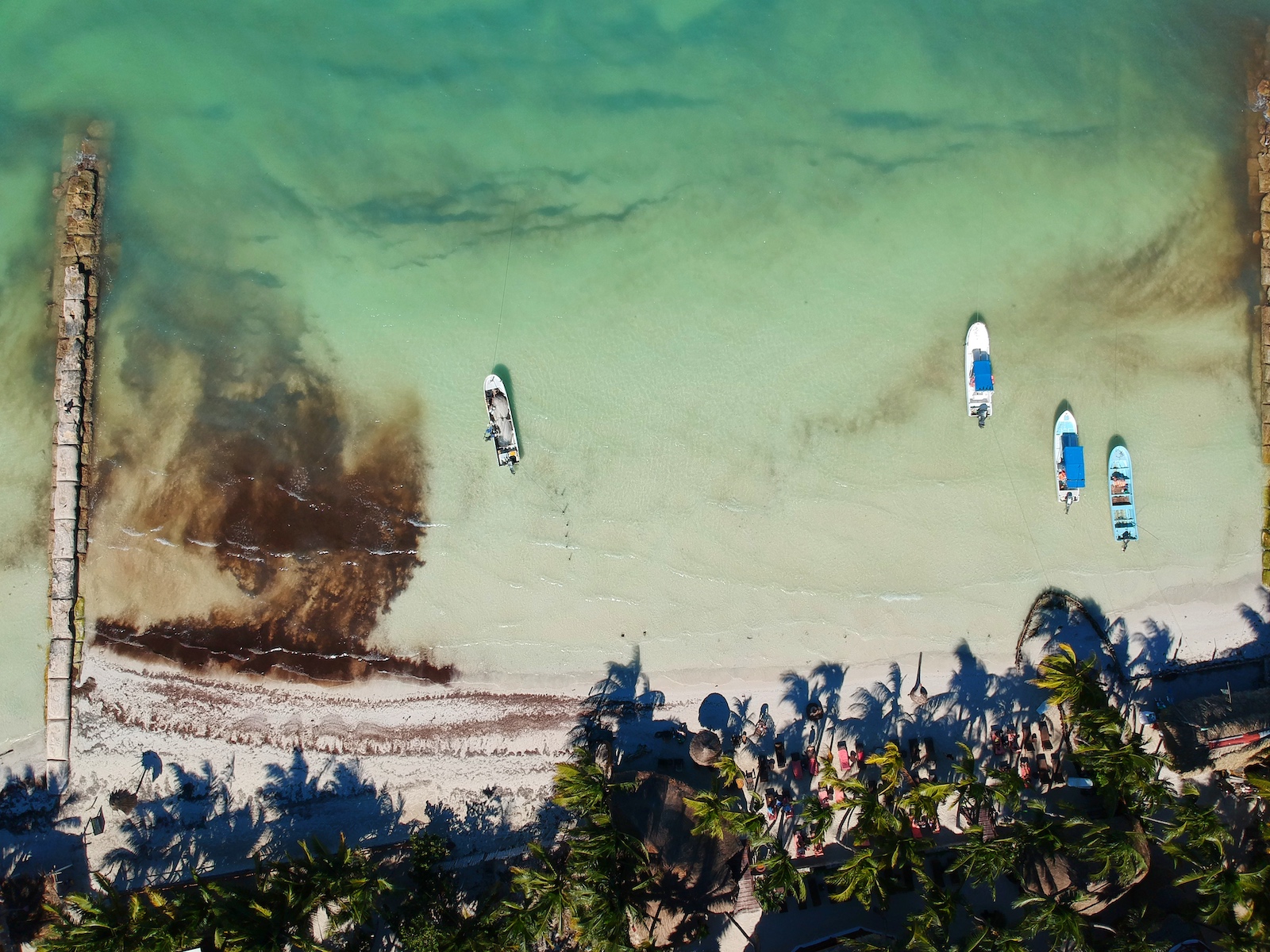
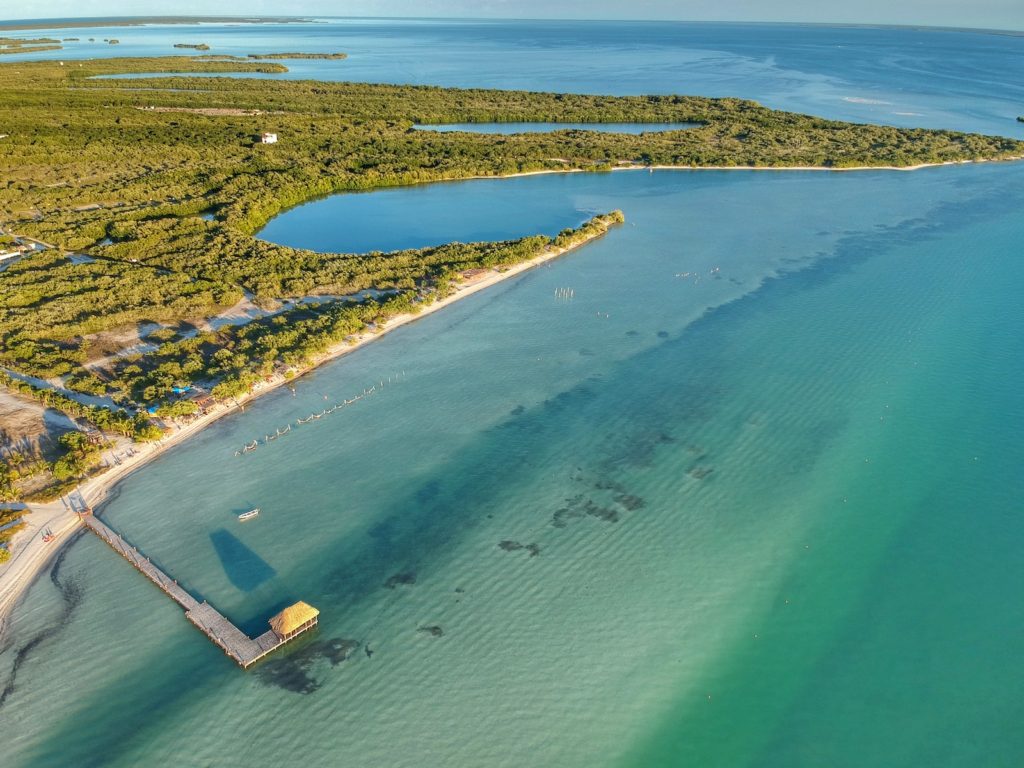
    The island of Holbox is more than 20 miles long, but most of it is protected nature preserve. (DJI Spark)
    Sunset is a special time on Holbox — here at Raices, a beachfront bar and restuarant, a sunset ceremony involves blowing conch shells. (iPhone 10s)
    Many of the bars along Holbox’s beach make great sunset spots. (iPhone 10s)
    At Las Planchas, fresh catch is whipped into tacos, ceviche and more. (iPhone 10s)
    You can spot flamingos wading in the shallow water. (Canon 6D)
    Holbox is an excellent (and relatively affordable!) place to charter a fishing tour. (DJI Spark)
    After fishing, chow down on your catch with some fresh ceviche. (iPhone 10s)
    Bar swings are common — and probably the most fun thing — at Holbox’s bars. These are at Coquitos Beach Club. (iPhone 10s)
    Holbox is known for its sunsets, and one of the best places on the island to watch is Punta Cocos, on the westernmost part of the island. (DJI Spark)
    Punta Cocos has handful of chairs and loungers, plus a small bar, where you can hang out as you watch the sun set. (iPhone 10s)

    Read more about how to visit the island in this four-day Holbox travel guide>>
  • 20 Adventure-Inspiring Photos of Cuba

    20 Adventure-Inspiring Photos of Cuba

    In November 2016 I took advantage of the easing of U.S. travel restrictions to Cuba and spent a week exploring the Caribbean island. I visited Santa Clara, Havana, Cienfuegos and Trinidad, encountering beautiful culture and scenery, plus a wildly different standard of development and daily life than I’m used to.

    Here are some scenes from that trip that capture what makes traveling to Cuba such an adventure. 

    cuba old car
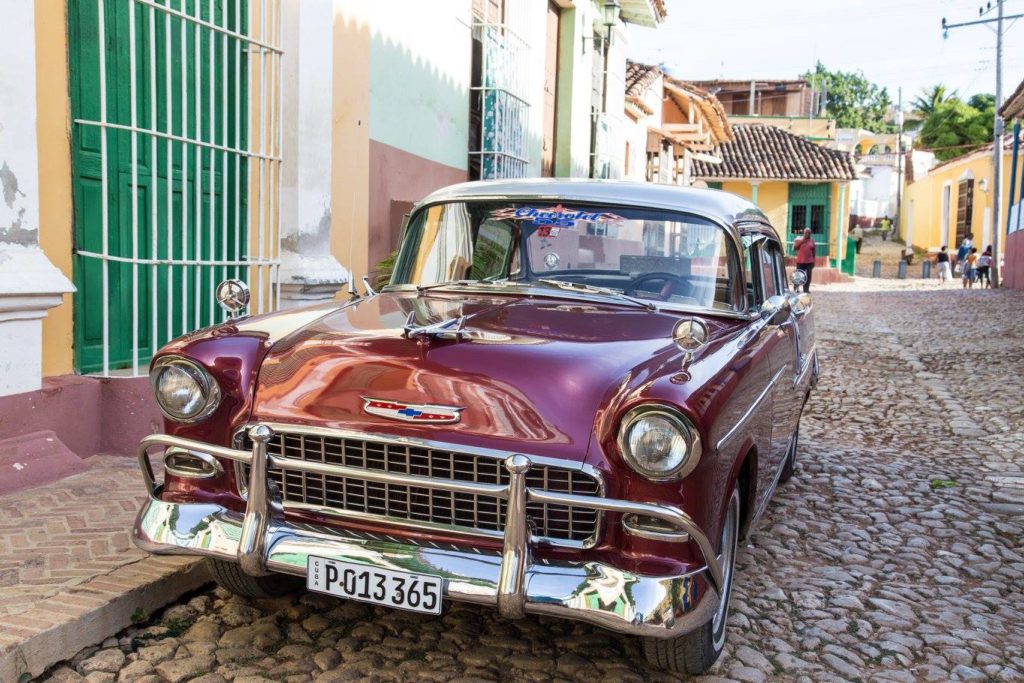
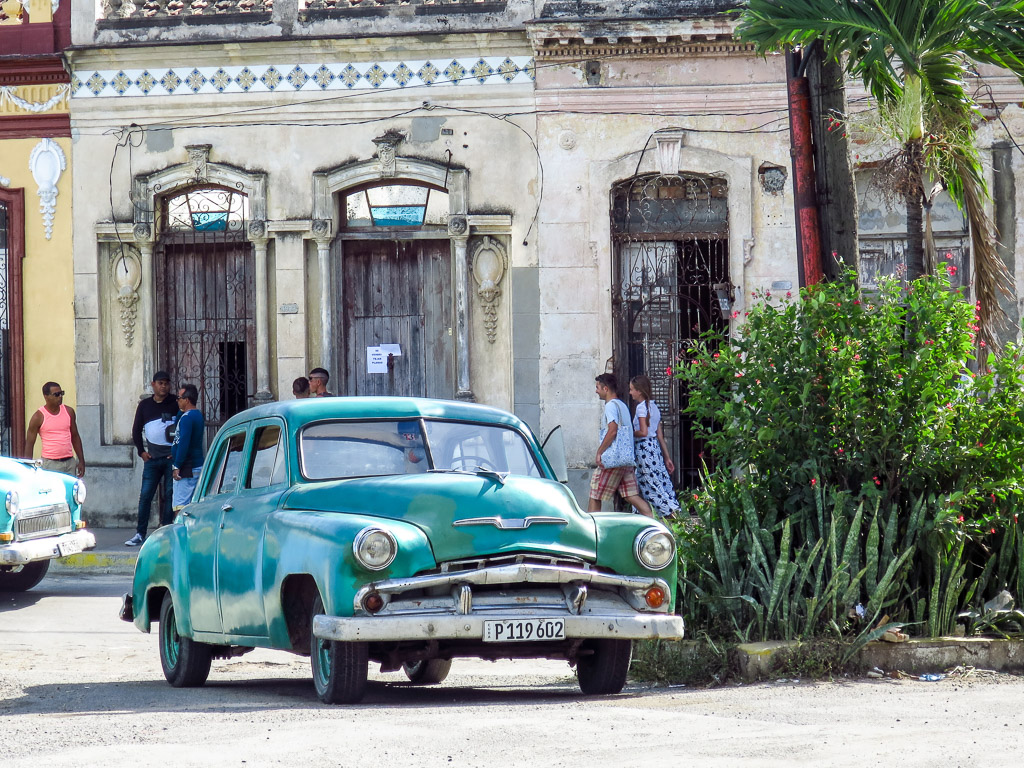
    Cuba is known for its classic cars, many of which are now taxis.


    Cuba daquiris
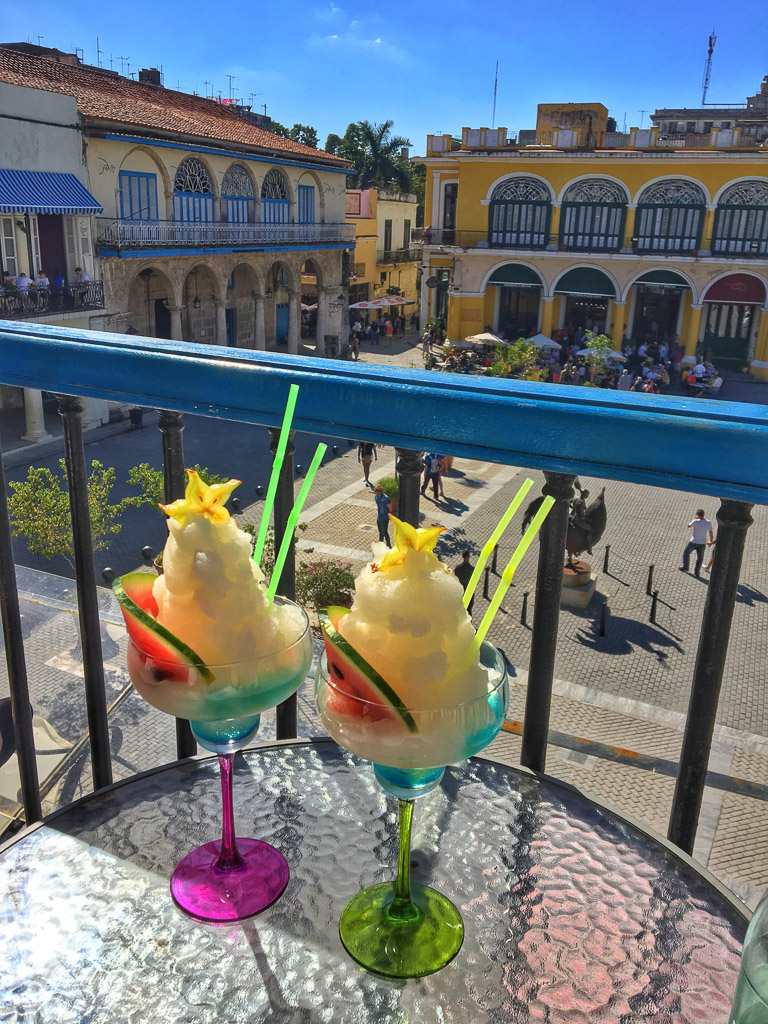
    You can’t visit Cuba without trying a Daiquiri — the drink was invented on the island.


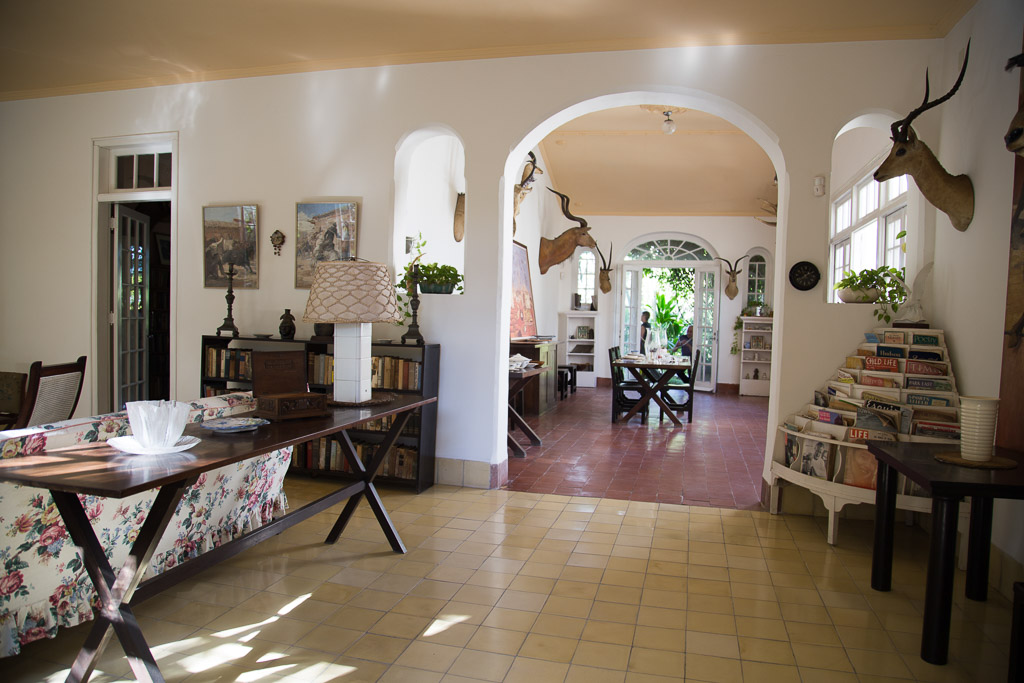
    Hemingway House interior in Havana Cuba
    Speaking of Daiquiris, Ernest Hemingway was a big fan of the drink. You can visit the writer’s home about 30 minutes from Havana.


    Cienfuegos City Hall dome
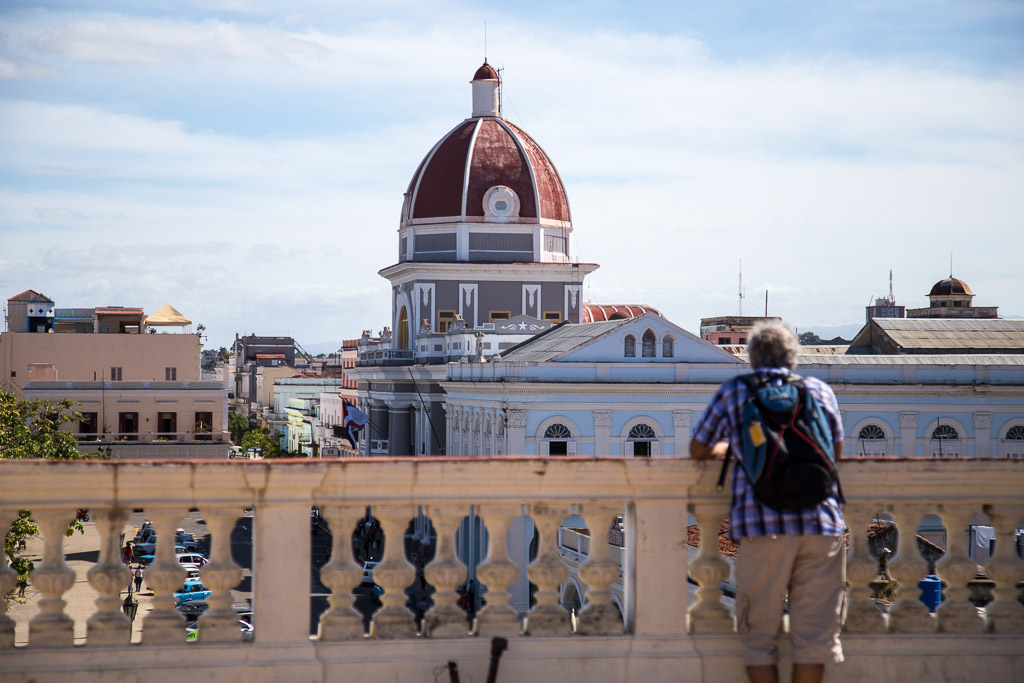
    Overlooking Cienfuegos, a UNESCO World Heritage Site on Cuba’s south coast.


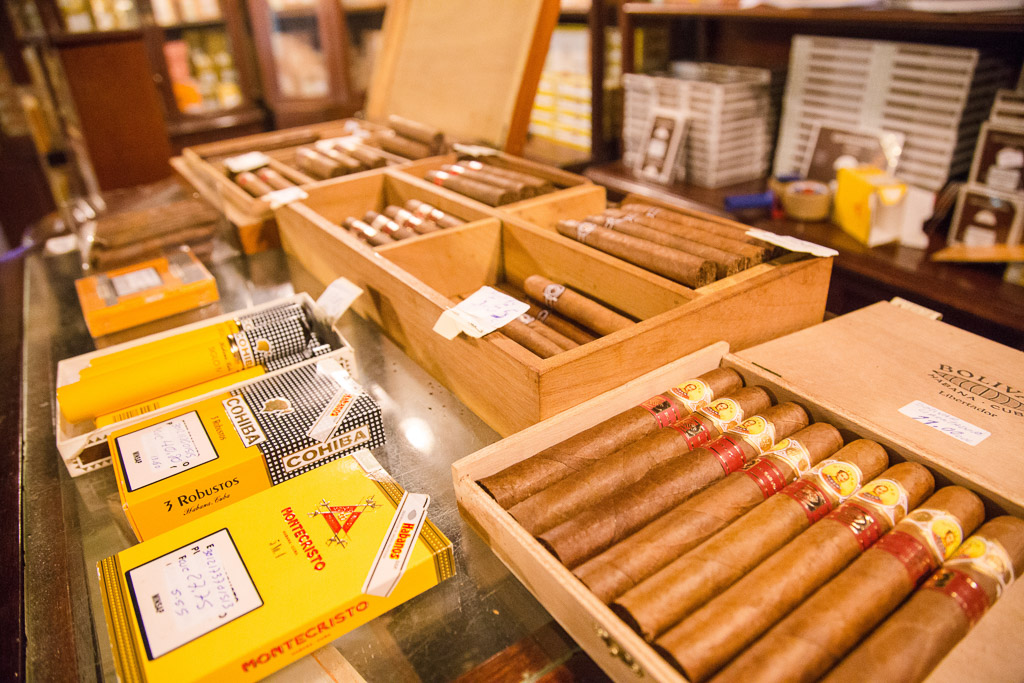
    Cuban cigars
    Visit a cigar shop or a factory to learn more about Cuba’s famous product. (And pick up some souvenirs!)


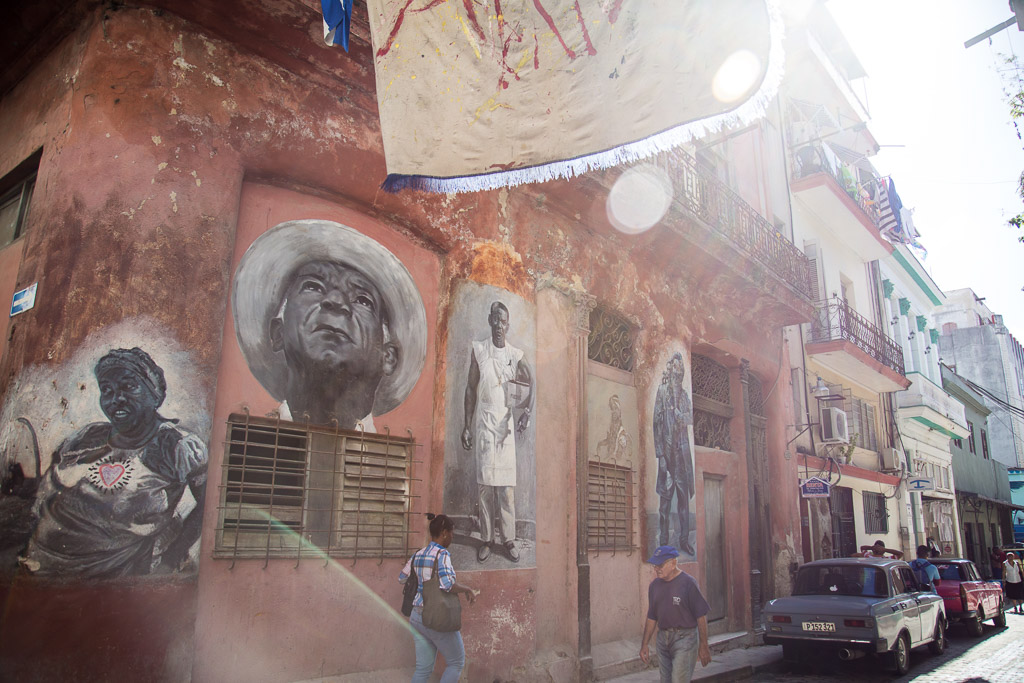
    Havana Murals
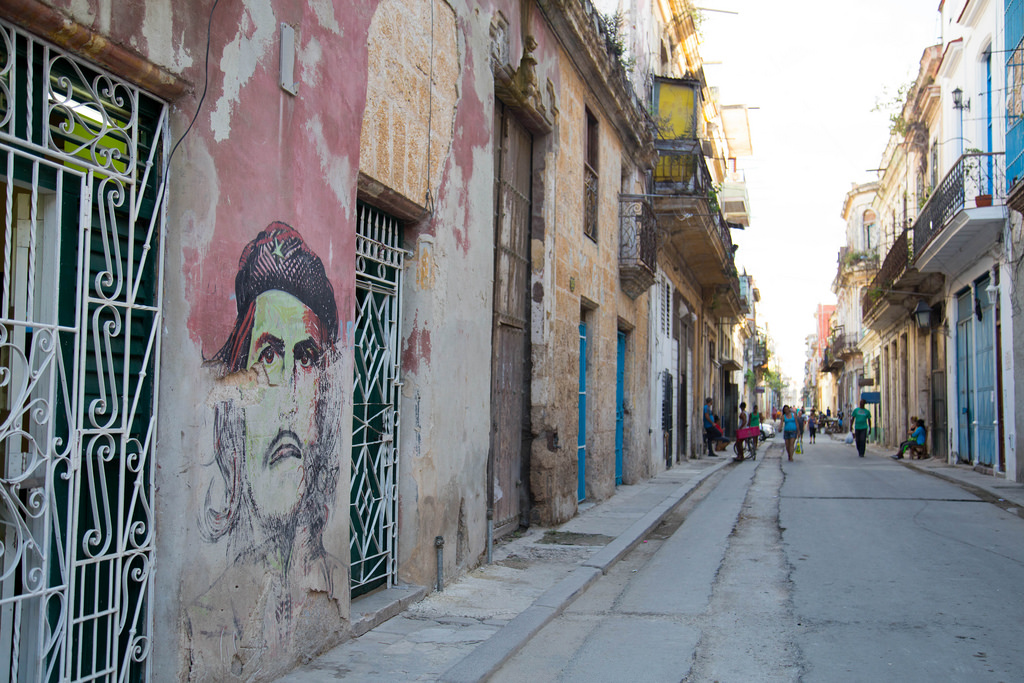
    Old Havana’s colorful streets are full of murals.


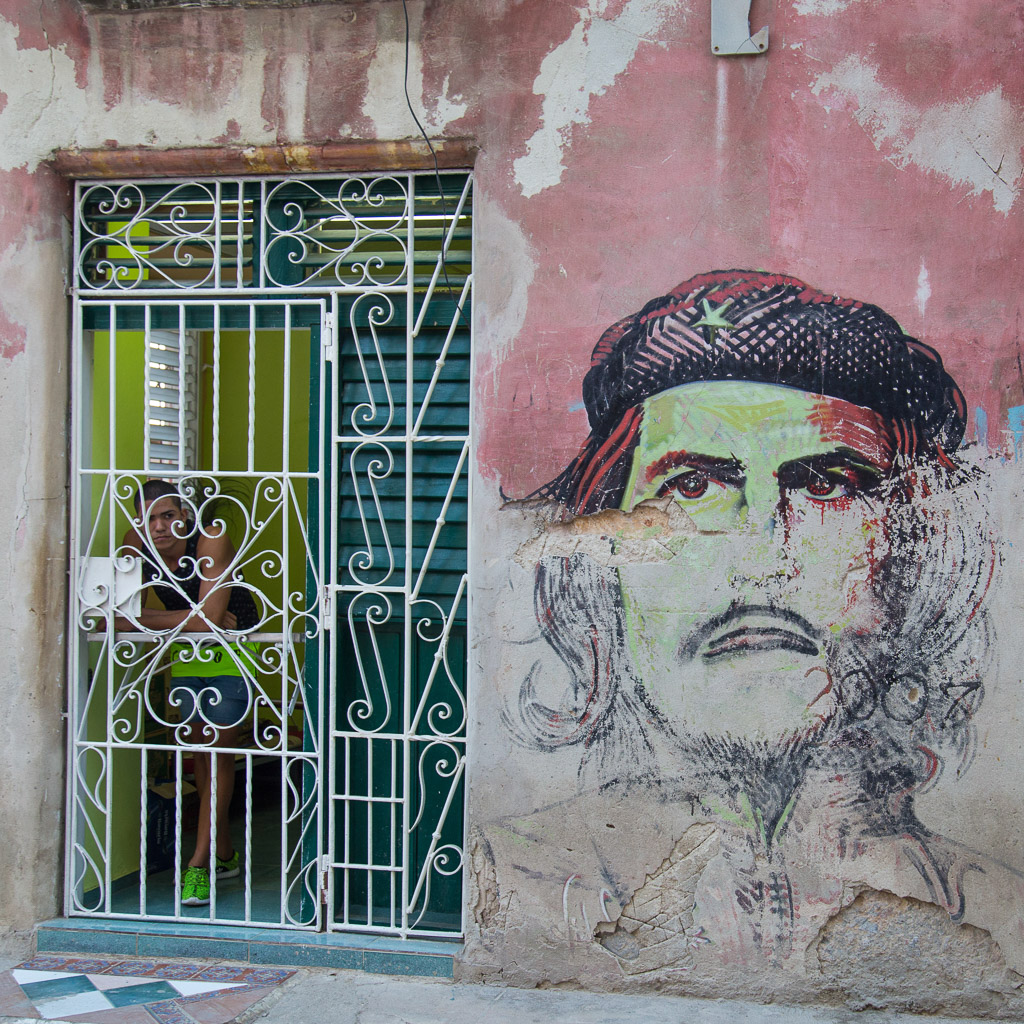
    Che Guevara mural
    Che Guevara is a frequent subject of said murals.


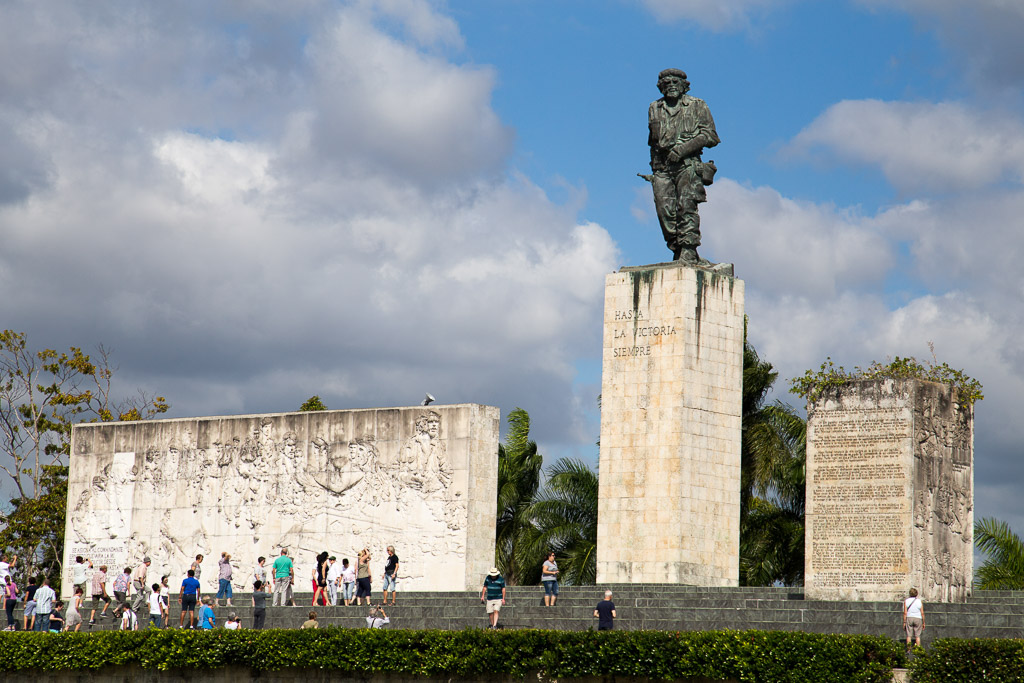
    Che Guevara Mausoleum
    To learn more about El Che, head to the Che Guevara Mausoleum in the city of Santa Clara.


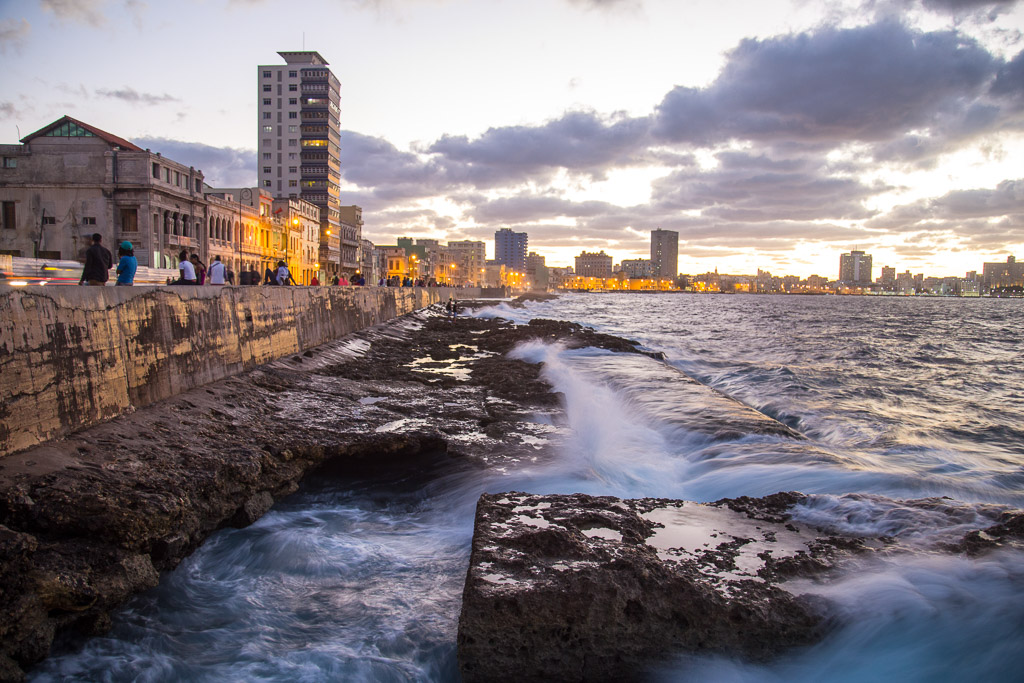
    Malecon at sunset, Havana Cuba
    Havana’s seawall, the Malecon, is a popular gathering spot at sunset.


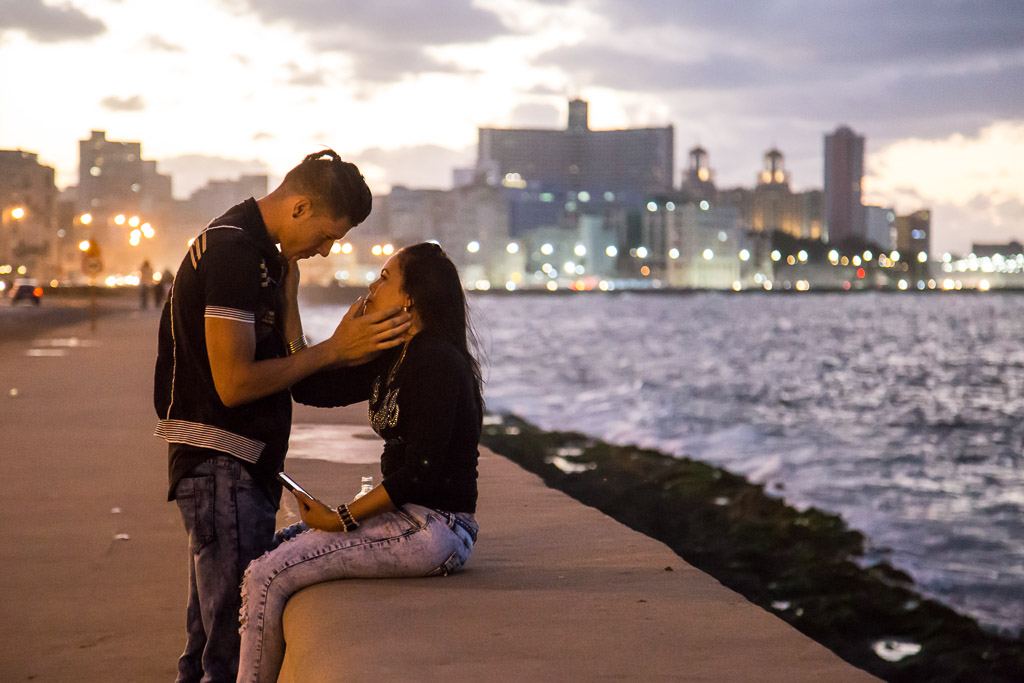
    sunset couple on the Malecon
    Most romantic spot in Havana? A couple on the Malecon.


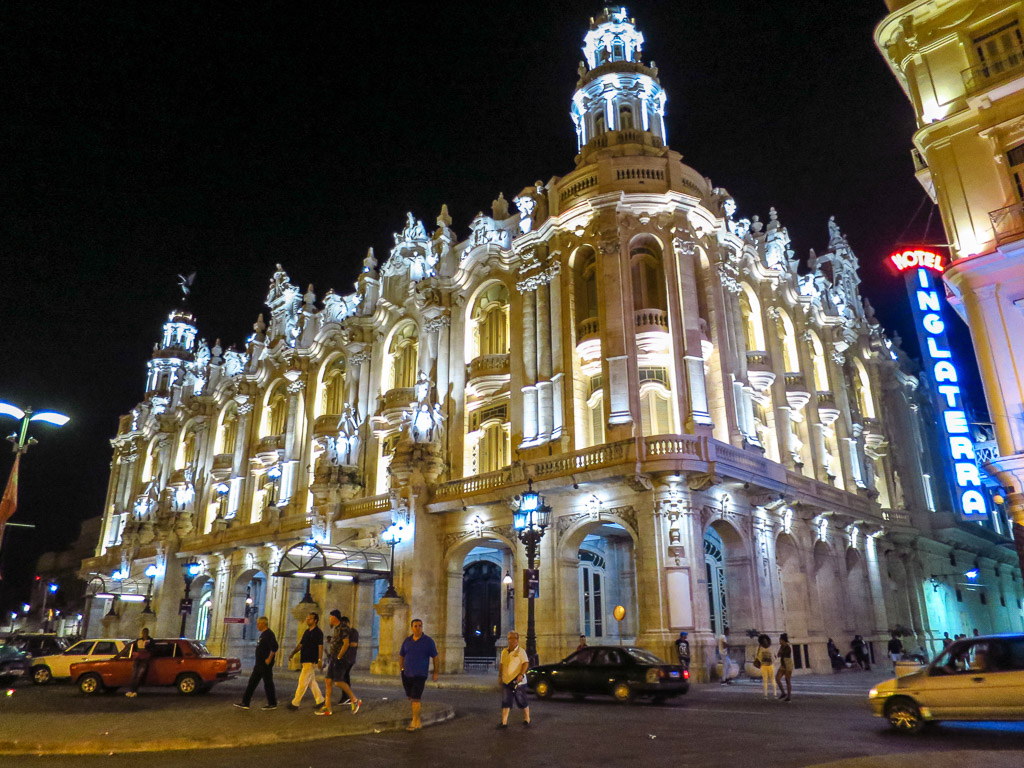
    Gran Teatro havana at night
    Havana’s Gran Teatro all lit up at night.


    Havana streets night
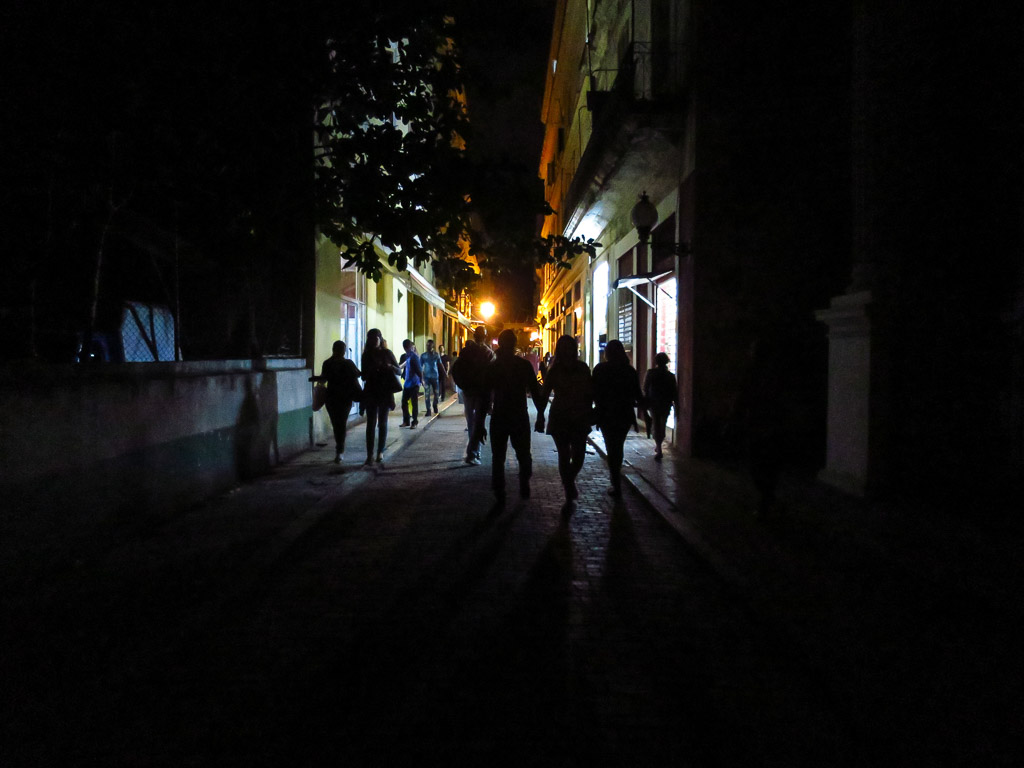
    Bring your phone flashlight: Many streets in Cuba — including in Old Havana — don’t have street lights.


    Old Havana, Cuba
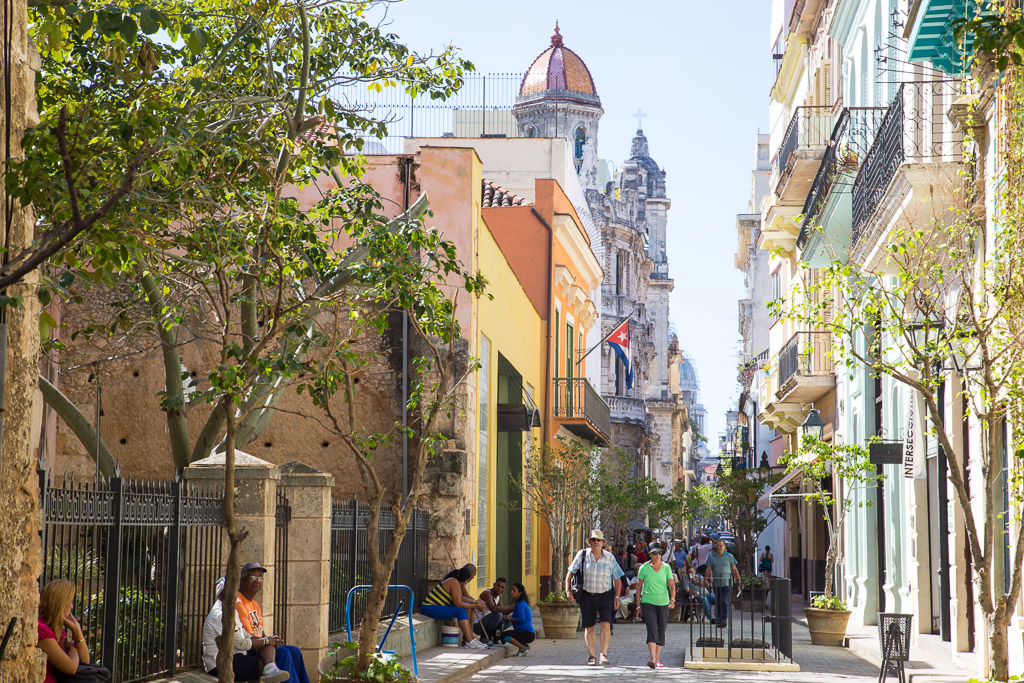
    The colorful streets of Old Havana by day.


    Cuba live musicians
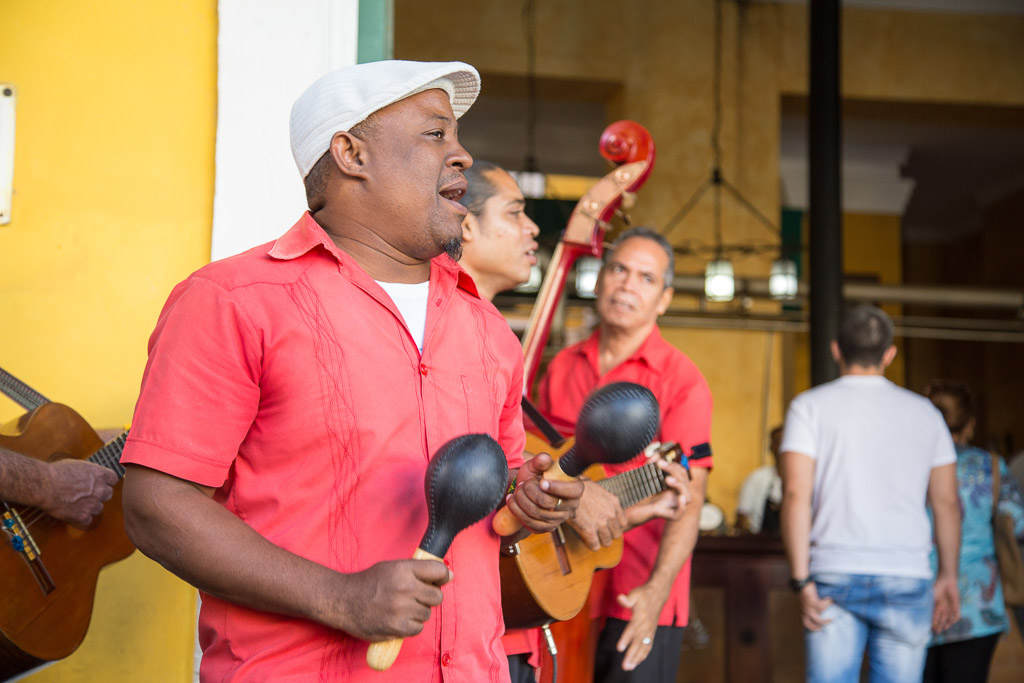
    You can’t go far in Old Havana without running into some live music — you’ll find it on streets, at restaurants and in bars.


    Cuba bocadito
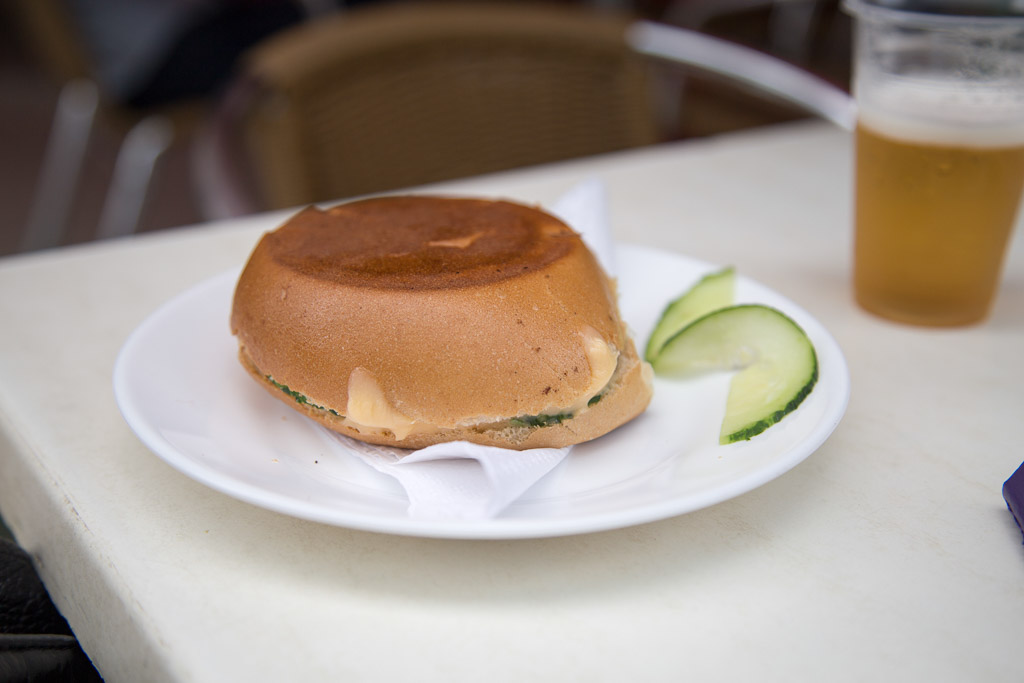
    This simple sandwich, or bocadito (small bite) is a common lunch dish.


    santa clara library
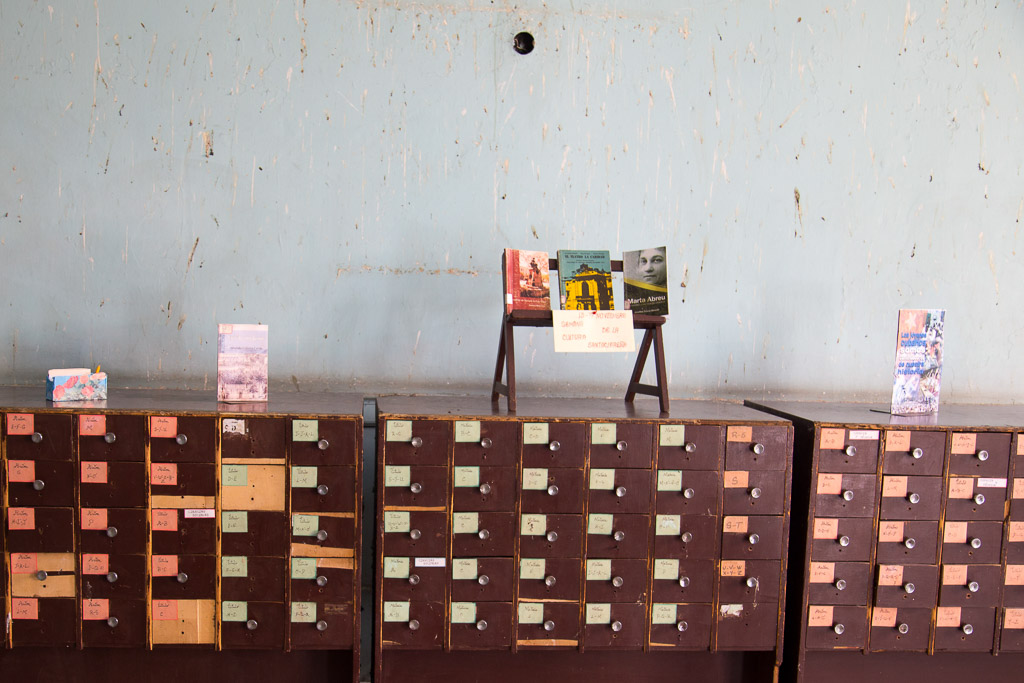
    The catalog system of the main library in university city Santa Clara.


    Playa Ancon, Cuba
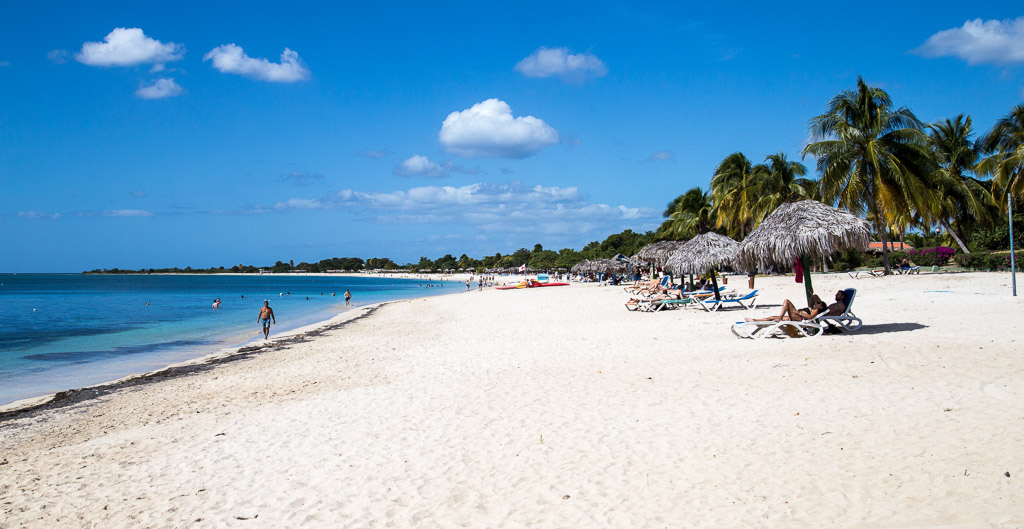
    Playa Ancon is a nice beach about 15 minutes from the town of Trinidad.


    Palm tree sunset in Cienfuegos
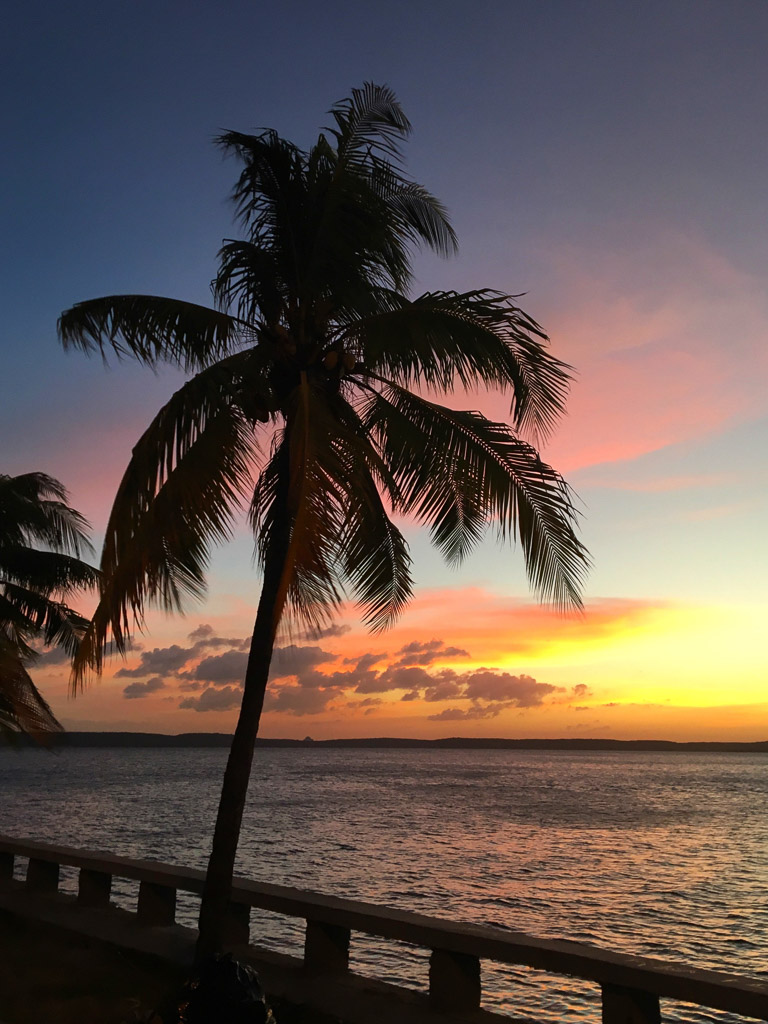
    Sunset in Cienfuegos, on Cuba’s south coast.


    Fidel building havana
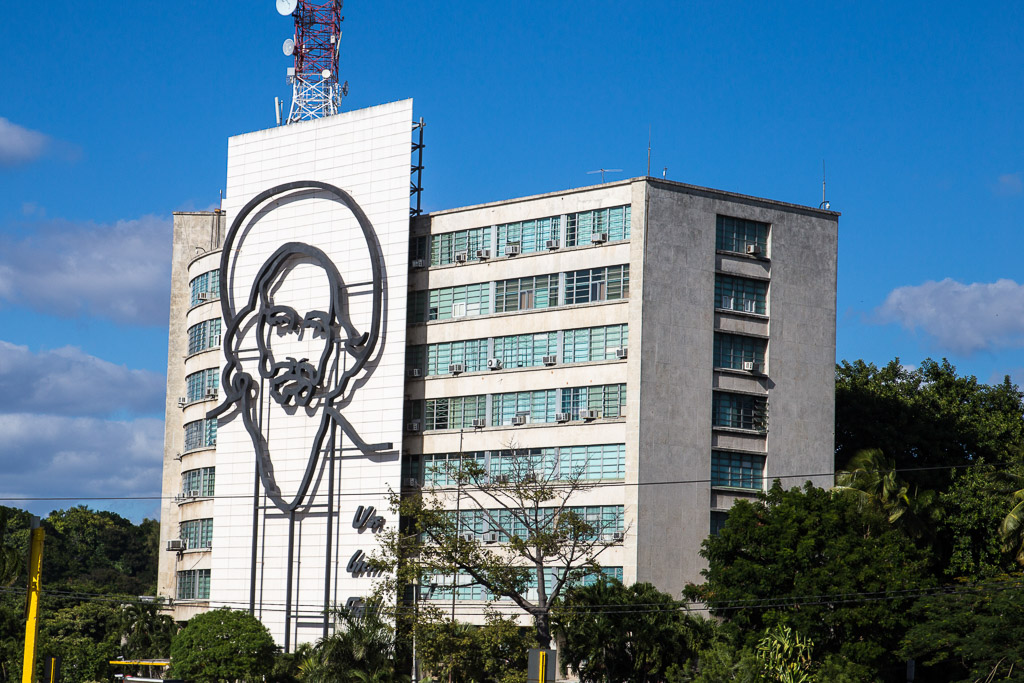
    Fidel Castro’s presence is evident across Cuba; my visit coincided with his death, so I’d imagine the tributes are even more prevalent now.


    sunset trinidad cuba
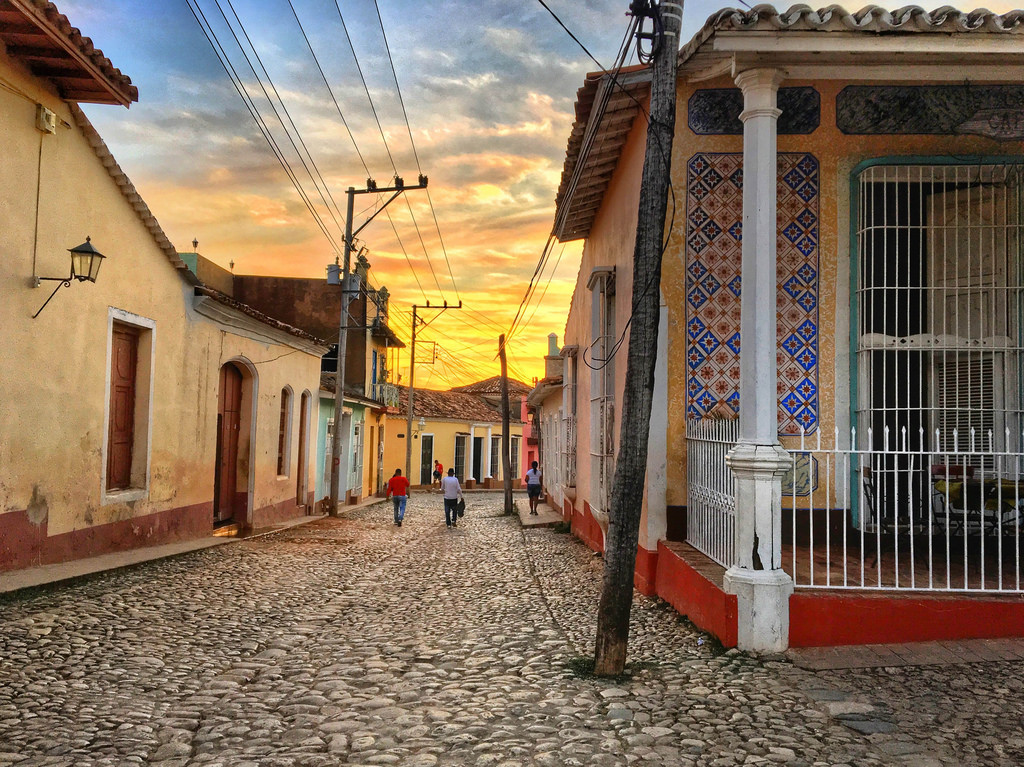
    Sunset on the cobbled streets of Trinidad, a colorful town rich in music and culture.


    Related Posts

    Planning a Trip to Cuba: Your Questions Answered

    How to Travel to Cuba Without a Tour Group

    Photo Editing Tips: How I Made This Sunset Image

  • Planning a Trip to Cuba: Your Questions Answered

    Planning a Trip to Cuba: Your Questions Answered

    Traveling to Cuba awesome, but it’s work. It’s more backpackery and rugged than most Americans are used to. Think dirty cities (like, severed pigs heads sitting on the street corner), a decent amount of hustling for taxis (and pens…), diesel cars whose fumes fill the city air and can make long rides dizzying. Poverty. Dilapidated buildings that haven’t been used in years. But also amazing music, people, colors, scenery, history …

    The people are wonderful and it’s very safe, but it’s an assault on the senses and is not relaxing. Especially if you travel on the cheap. Even things like buying water or a snack aren’t as easy as you’re used to. You can walk blocks without seeing a shop, and to-go food is rare outside the big cities. 

    So … should you go to Cuba? Absolutely. But be prepared — here are some tips I learned while planning a trip to Cuba and traveling around the country.

    plane wing over cuba

    What do I need to get into Cuba?

    Now that restrictions are lifted, as long as you fit one of the 12 visa categories, you don’t need much formal paperwork to visit. Here’s what you need:

    • Airplane ticket: hooray! You can book directly on a number of U.S. carriers now!
    • Insurance: this was included in my airline ticket, so you may not have to buy it separately
    • Visa: $85 plus $25 shipping if you order it on Cubavisaservices.com
    • Stamped boarding pass: you’ll have to visit the Cuba Ready booth at Miami airport to show your visa, passport, and boarding pass. Then keep this boarding pass with you at all times during your trip — it’s proof of your insurance.
    • Passport: duh
    • Itinerary: not officially required, but recommended to show proof of your reason for visit

    How much money do I need to bring?

    Credit cards and ATMs don’t work in Cuba so you have to bring cash and exchange it there. Okay, but how much cash do you need? I wasn’t crazy about the idea of lugging around tons of money, but wasn’t sure if I could get by on $50 a day or $200 a day. This Lonely Planet post helps break it down a bit:

    • $60/day: budget trip with casa particulares and gov’t restaurants
    • $60-$120/day: mid-range with hotels, private restaurants and some bus travel
    • $120+/day: upscale trip with resorts, top tier restaurants, and high-end entertainment

    Bartering is also common here, so you can try to negotiate prices for taxis and souvenirs.

    Okay, I wrote the above bit while planning the trip. Now that I’ve been to Cuba, here’s what I found. Money is tough. You can get by on $50 a day, at a bare minimum, if you book lodging through Airbnb and pay before your trip. We traveled reasonably – $5 breakfast at our casas, $20 lunch (for 2 ppl) and $30 dinner (for 2 ppl), plus taxis and a few cocktails/cervezas (which are fairly cheap). We spent about $70/day not including lodging.

    While you can figure out many things (lodging, transportation, activities) while on the ground in Cuba, money is something you definitely need to plan for. You can’t use credit cards at all here (unless they’re from a foreign bank) and you can’t use ATMs for cash from U.S. banks. That means you have to bring cash – all the cash you’ll use for the trip, plus some extra to be safe. If you have the chance to take out Euros or Canadian dollars before leaving home, do it, as there’s a 10% fee to exchange U.S. dollars in Cuba.

    There are two currencies in Cuba: CUC (called “cooks” – this is what tourists use), and CUP (mostly used at local vendors, you’ll likely never use these). To change money, you’ll have to go to a Cadeca (casa de cambio). You’ll need your passport too, and in some places (Havana, for example) there may be a long line. It’s useful to look up hours of operation before you arrive. Some places, like Santa Clara, close their Cadeca at 5, so if your plane gets in later than that (or customs take some time), you won’t be able to exchange, and you’ll have no money. You may be able to exchange under the table – a casa particular host could possibly arrange that for you to hold you over until you get to the Cadeca the next day.

    But be sure to plan your day’s activities if you’re running low on cash. If you get to dinner and realize you don’t have enough cash, you’ll be out of luck until the exchange opens the next day.

    cuba car

    Do you tip in Cuba?

    Some restaurants will include a 10% service fee in their price. Others – like taxis, tour guides, etc. appreciate small tips. Casa particulars go both ways – some will refuse extra money while others accept it.

    Another way to tip at casa particulars is to give your hosts items from the U.S. that aren’t readily available in Cuba – makeup, like lipstick and bath products; extra clothes, pens, etc.

    Curiously, Throughout Cuba, more so than money, you’ll find people begging for things like pens. We heard “un stilo / un lapiz?” everywhere. There’s such a poverty that many people are lacking access to basic things like pens, soap, bras, etc. I gave out about 10 pens while here, and had I known to expect this I would have bought some packs to and out more.

    How do I get around?

    If saving money is more important than saving time, take the bus. Viazul has routes between most cities and tourist spots. But bus travel can suck up a lot of time (and patience) – expect lines at the station (and arrive about an hour before your trip to be safe), break-downs and delays, and extra stops that add more time to your trip. The buses themselves are well-air conditioned and comfortable (though the seats do recline quite far into the space behind you). You can buy tickets online from the U.S., but don’t worry if the route is sold out. The company actually holds a number of tickets for sale in person (many Cubans don’t have access to Internet so need to buy in person), so you can go to the station a day or so in advance and buy a ticket. When you buy online from the U.S. you’ll get a receipt but you still have to wait in line at the station and turn that into printed tickets. If you have luggage, you can check it below the bus (often costs about 2 CUC).

    If time is more valuable than money, consider taxis or car hire. These are easy to find in any city, and you can ask your casa particular or hotel to arrange for you – you don’t need to plan or book before you’re trip. A good compromise is a shared taxi. You can join a private car of people traveling from, say Trinidad to Santa Clara. It’s more pleasant than the bus, and you’ll get to know other travelers along the way.

    Where do I stay?

    The most prevalent and authentic places to stay in Cuba are casa particulars – home stays. You can tell a casa particular by the blue eye-like symbol that hangs outside.

    You can now book many of these on Airbnb; a convenience because you can pay in advance via credit card (cash only once in Cuba, remember), and you can see reviews/solidify plans before your arrival. Keep in mind, however, that there are local agents in Cuba that manage properties on behalf of the hosts. So you may communicate in English with someone and arrive to find your hosts only speak Spanish.

    You may also arrive to find that your reservation never made its way from the agent to the host, and the room you thought you booked is not available. In that case the agent and host should find another place for you to stay and the agent will pay (since you already paid via Airbnb). Bring a print-out of your reservation.

    A typical casa particular stay includes a small room (2 beds, often), private bathroom/shower (with varying degrees of water pressure), air conditioning sometimes. For 5 CUC you can get a large (but sometimes flavorless) breakfast prepared by the host. Some hosts won’t accept tips but will accept items like makeup from the U.S. Or shampoo/bath supplies.

    Beware jinteros – a growing problem in towns like Trinidad. Basically they stand at the bus station and claim to lead you to your reserved house, only to take you to another house and have you pay to stay there. To combat this, make sure you know the name and exact street address of your casa. Clear up any arrival plans with the host before you arrive (will you arrive by taxi? Will they send a taxi/someone holding a sign with your name? Will you walk on your own?). Confirming this info will lead to less confusion upon arrival.

    What do I need to pack?

    Plan on bringing most things that you need. If you forget something, odds are you can’t just pick it up in Cuba. Bring:

    • CASH
    • All toiletries
    • Medicine: pain killers/Advil, immodium, cipro
    • Bug spray
    • First aid
    • Febreeze and stain remover
    • Kleenex or toilet paper (some restaurants and bars won’t have TP in their bathrooms)
    • Purel/hand sanitizer
    • Plastic bags
    • Sun screen/hat/sunglasses
    • Jacket for cooler nights
    • Books & entertainment
    • Notebook
    • Offline apps on your phone (translator, etc.)
    • Printed versions of all reservations, lodging, etc.
    • Camera equipment & memory cards
    • Extra toiletries, cosmetics, or pens for hosts

    Will my phone work? Is there wifi?

    AT&T and Verizon phones will work in many Cuban cities. Just keep in mind that your plan is pay-as-you-go, (there aren’t international plans for Cuba) so charges can rack up quickly. Don’t expect to find WiFi at restaurants or casa particulars; you have to buy internet cards from a local Etesca store (10 CUC = 5 hours at one spot I found), or the nicer hotels also sell cards (hotel national in Havana was 7 CUC for 1 hour). Etesca has hotspots in some parks and squares, though we found it more pleasant to hole up at a hotel bar for an hour to check in.

    Is it safe for female travelers?

    Yes, very safe.

    Do I need Spanish?

    Yes. You don’t need to be fluent but a basic understanding and ability to ask/answer questions, give directions, is important. Do not expect your casa particular hosts to speak English. If something goes wrong, being able to communicate in Spanish can be a trip saver.

    Related Posts

    How to Travel to Cuba Without a Tour Group

    20 Adventure-Inspiring Photos of Cuba


  • How to Travel to Cuba Without a Tour Group

    How to Travel to Cuba Without a Tour Group

    Feb. 3, 2017 on U.S. News Travel || Restrictions on U.S. travel to Cuba have been eased recently, meaning it’s a lot easier for Americans to visit the Caribbean country. But many people are under the impression that you can only visit by joining an organized tour. Not so – you can join an organized group or cruise ship. But you can also plan a solo trip (and save a good chunk of money in doing so). Here are eight common questions about visiting Cuba without a tour group and tips for navigating Cuba on your own.

    Read full article>>
     

    Related Posts

    Planning a Trip to Cuba: Your Questions Answered

    Slideshow: 10 Great Scuba Diving Locations

  • Long Weekend in Puerto Rico

    Long Weekend in Puerto Rico


    In March I took a last minute trip to San Juan, Puerto Rico for 3 days (3 nights). Here’s what I did there:

    How I Got There

    JetBlue flight from JFK: so much legroom, plus with in-flight TV I got to watch March Madness on the plane.

    Where I Stayed

    Quality Inn El Portal: I booked the trip about 4 days before my departure date, during high spring break season, so most budget hotels and Airbnbs (and all hostels) were booked. This place was clean, the staff was friendly, there was a (very basic) continental breakfast and it was a 5 minute walk from Condado beach. About $150/night; $25 cab from the airport.

    Thursday

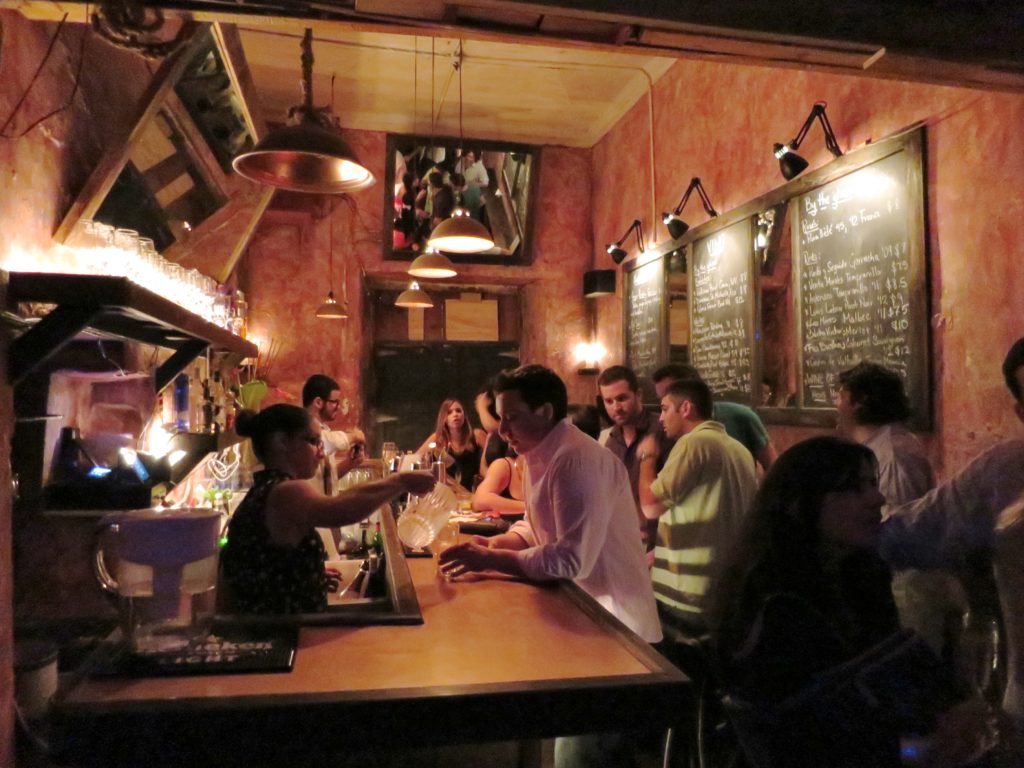
    Bodega Chic: I met my friend Liz after her dinner here. She raved about the French-Caribbean food. Staff was full of recommendations for bars, restaurants and things to do.

    La Factoria: Liz’s reaction to this place: “It feels like a Mumford and Sons concert in here.” Turns out there are hipsters in San Juan, and this converted factory-turned cocktail den is where they hang out.

    La Taberna Lúpulo: Craft beer is just starting to become cool in PR but there still aren’t many places to get it. This is one of the best beer bars on the island, with 50 brews on tap.

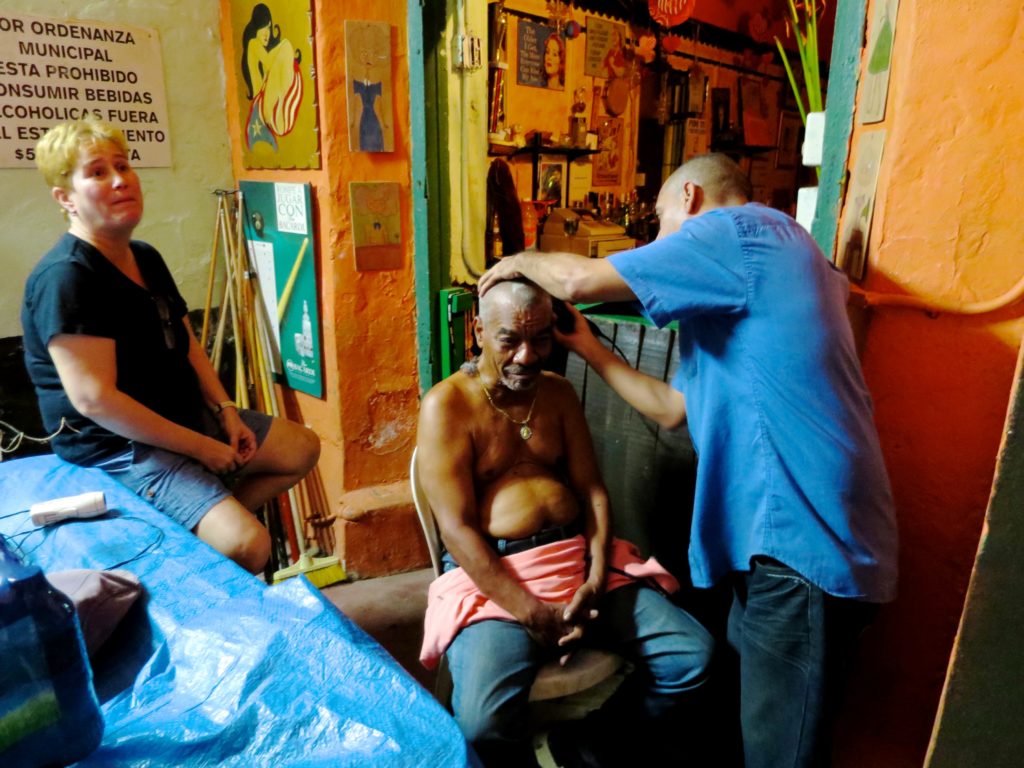
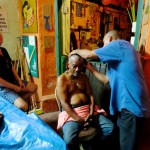
    Cafetin Marrero: A quieter neighborhood bar with a retro New York juke box and bathrooms outside in the back. When we were here the bartender was giving an old man a haircut.

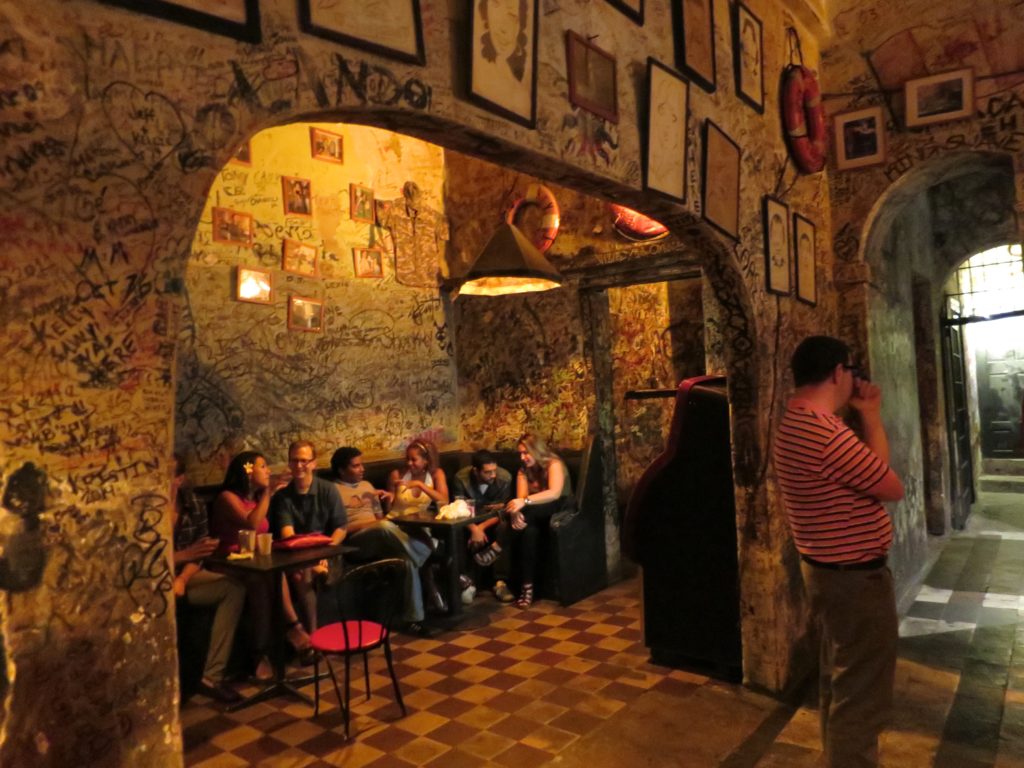
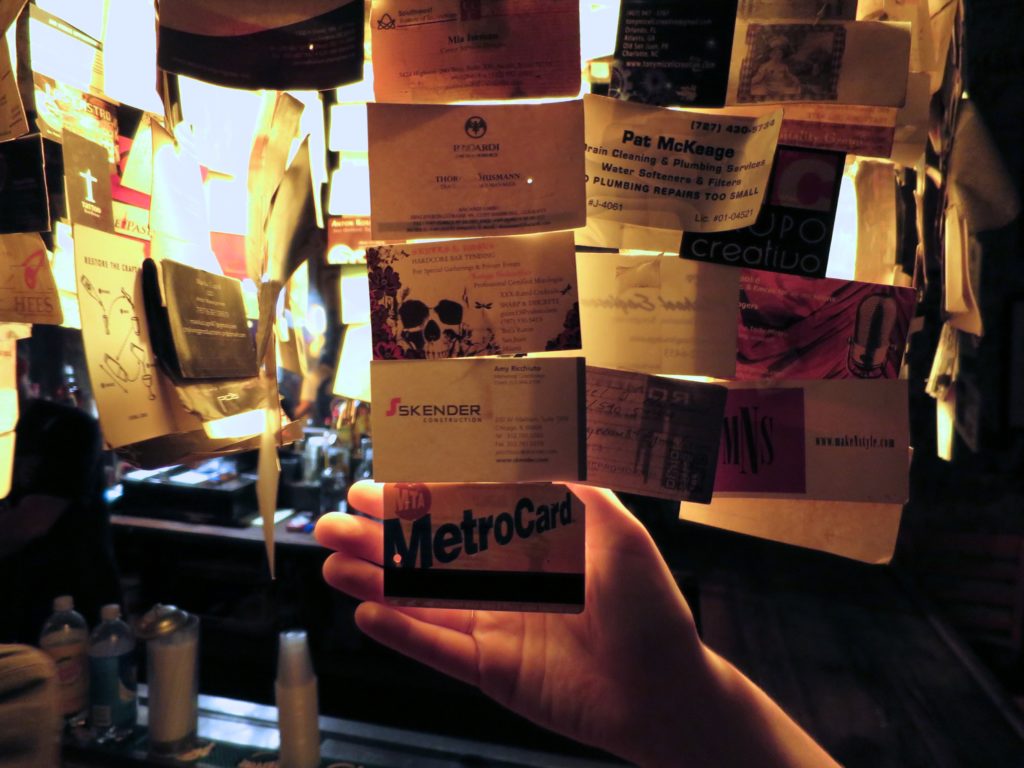
    El Batey: Feels like it should be in Brooklyn (the MetroCards hanging from a lamp help), there isn’t an inch of wall in this bar that hasn’t been scribbled on.

    Oddly enough, about a week after I got back, Conde Nast Traveler published this story that traced a lot of my San Juan steps.


    Friday

    Latin Star Cafe: Not recommended. It looked quick and was on the way to the beach. Cold food and slow service.

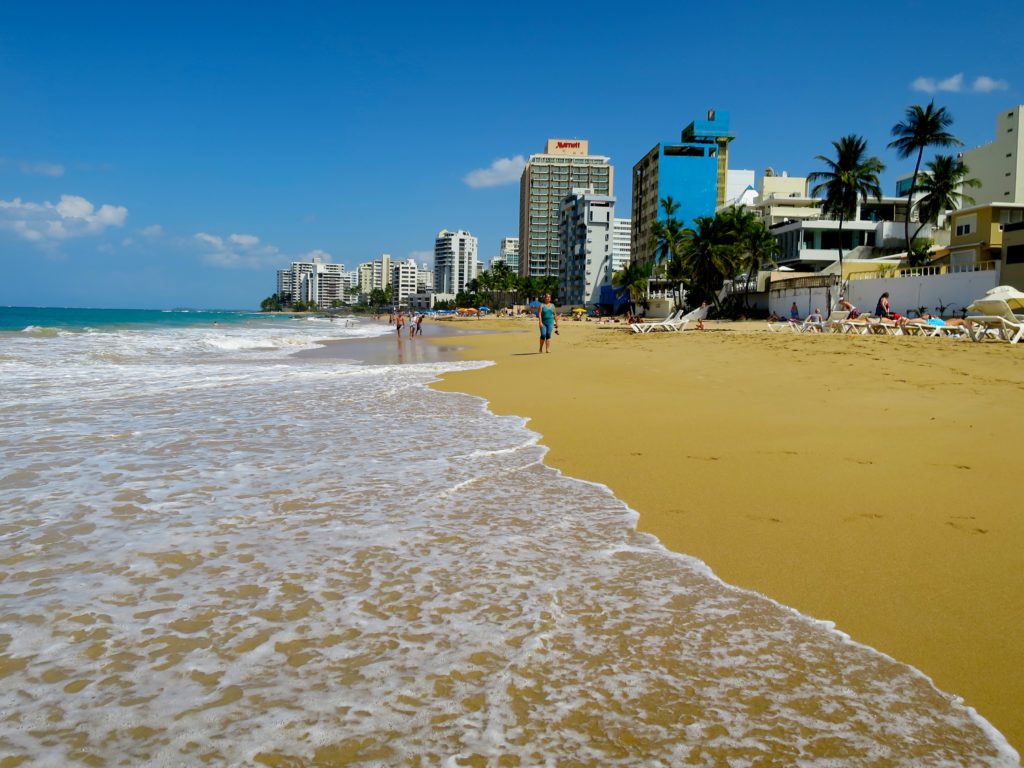
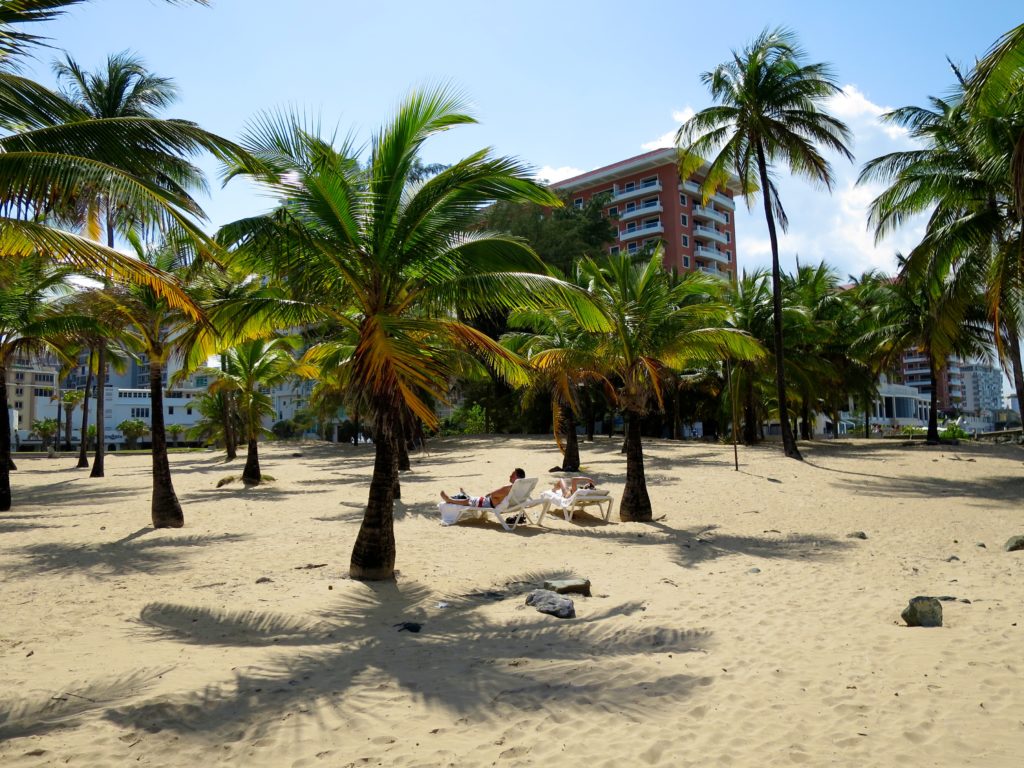
    Condado Beach: Your average hotel-fronted Caribbean beach. But there’s warm water, a few palm trees and ample sand…  and when it’s 35 degrees on the East Coast, those things are sometimes all I care about.

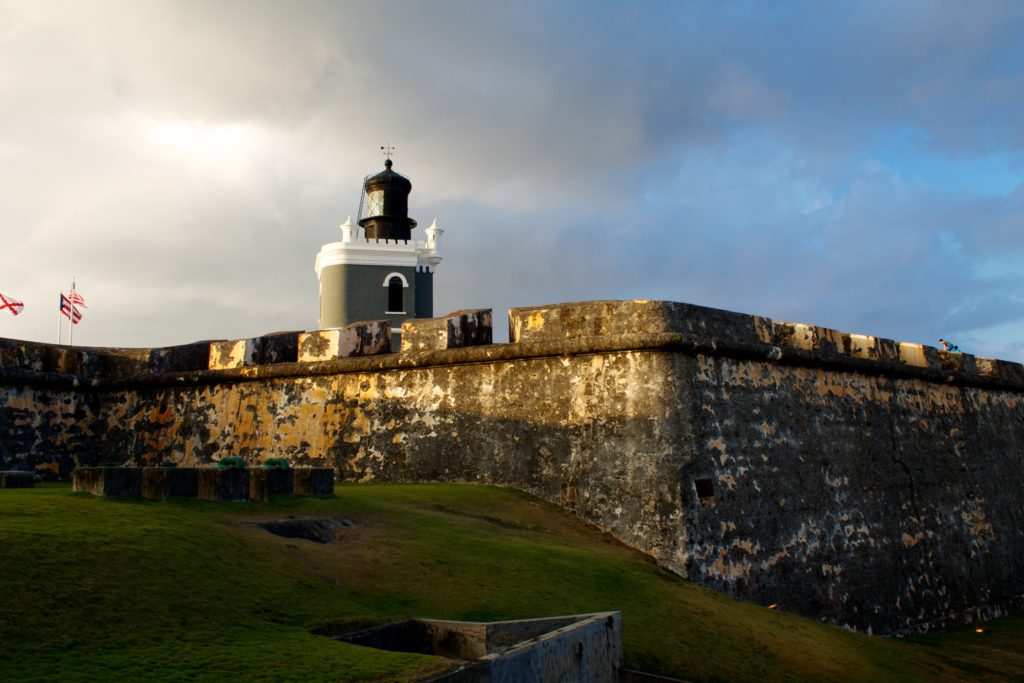
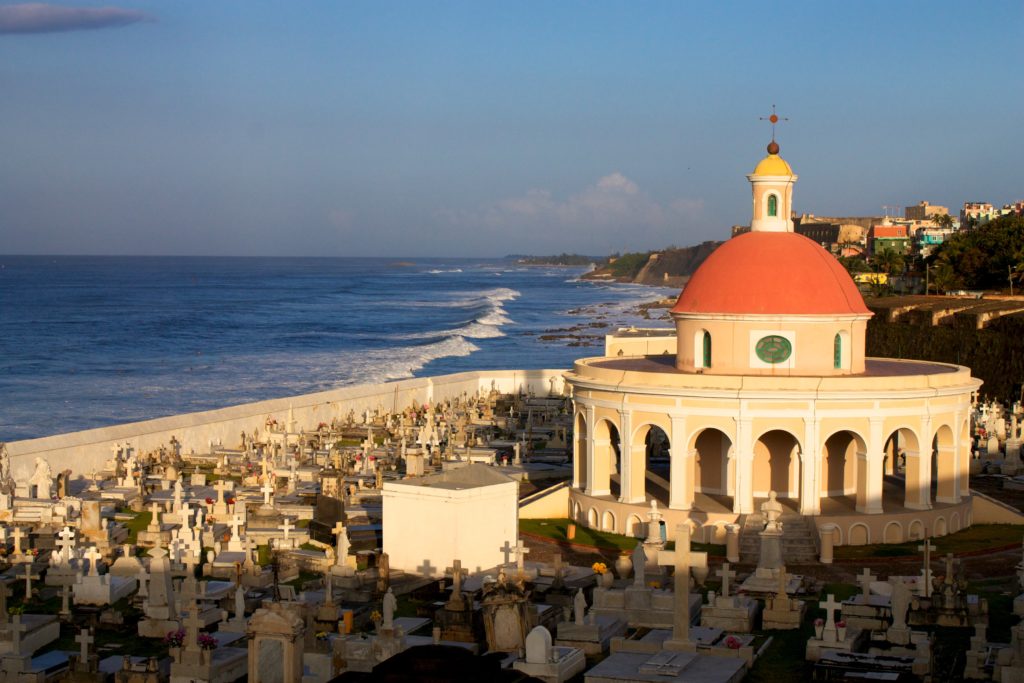
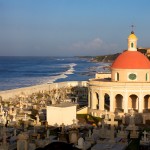
    Castillo San Felipe del MorroCame here for sunset, but the fort itself closes at 6 so didn’t make it inside. Beautiful sunset gathering spot though, overlooking the bay.

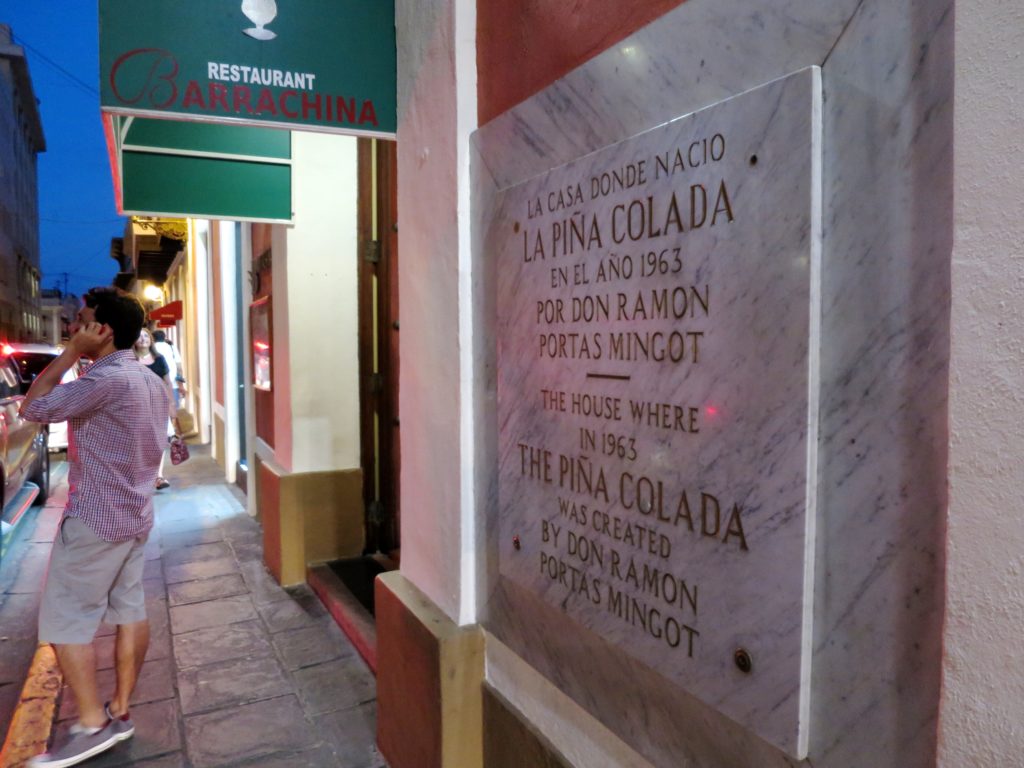
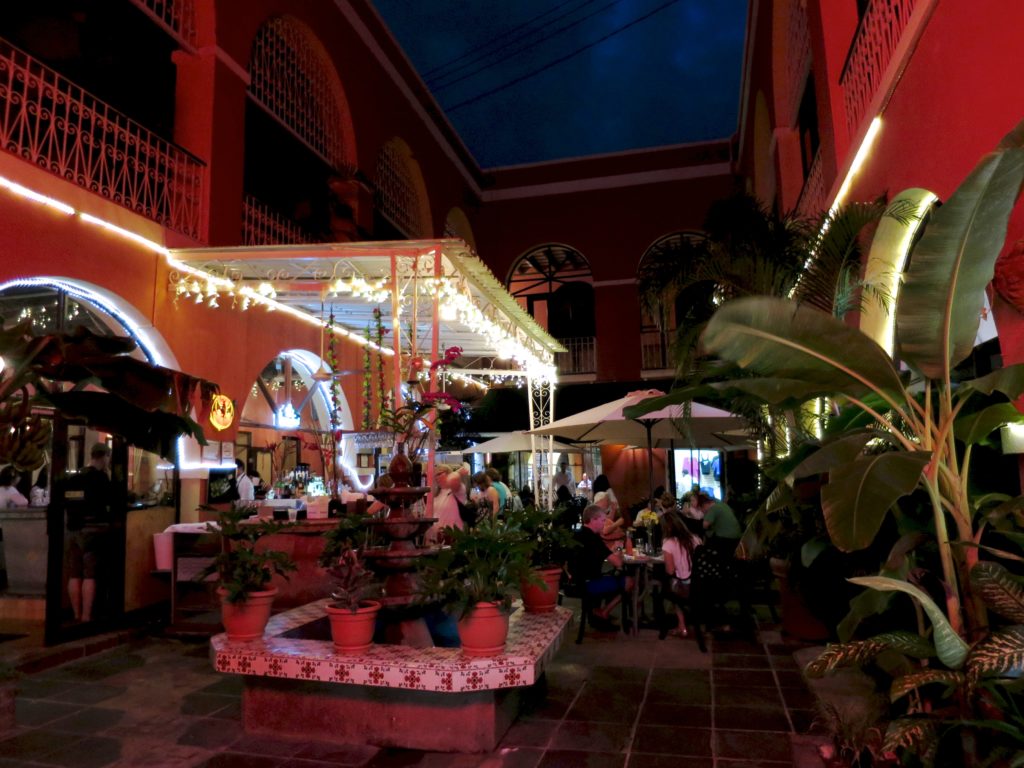
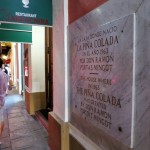
    Barrachina: Home of the original pina colada. It was the best pina colada I’ve ever had, so I was shocked when the women next to me asked for a wine list.

    Cafe Puerto Rico: This place was busy, but there was a public square with a dance and drum performance across the street during the wait. Great mofongo here – worth the wait.

    Old Harbor Brewery: Another beer spot in San Juan, though this one brews its own. Try the Coqui beer, a light lager, but for a better selection, Lupulo is your spot.


    Saturday

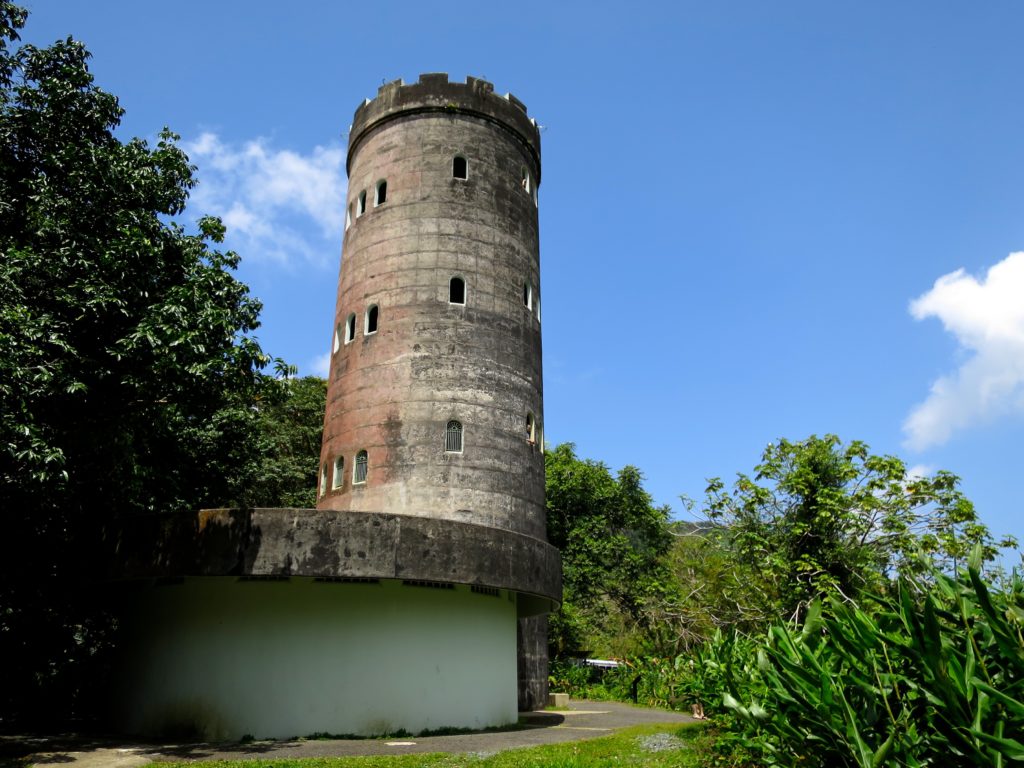
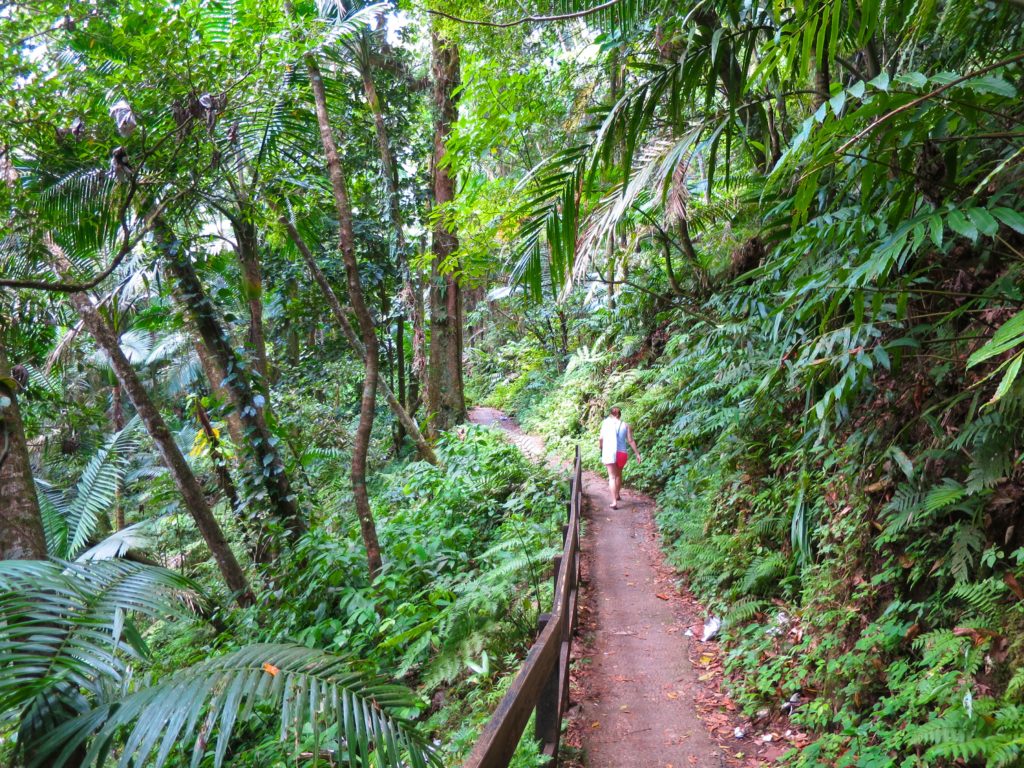
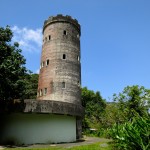
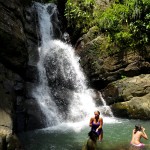
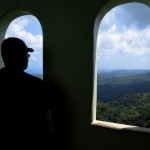
    El Yunque: Rented a car in Condado and drove out about an hour to El Yunque. The rainforest was good for a few hikes and a view from the Yokahu Tower. If you’re brave (I wasn’t), take a dip in the freezing water at La Mina Falls. Spent about 3 hours here.

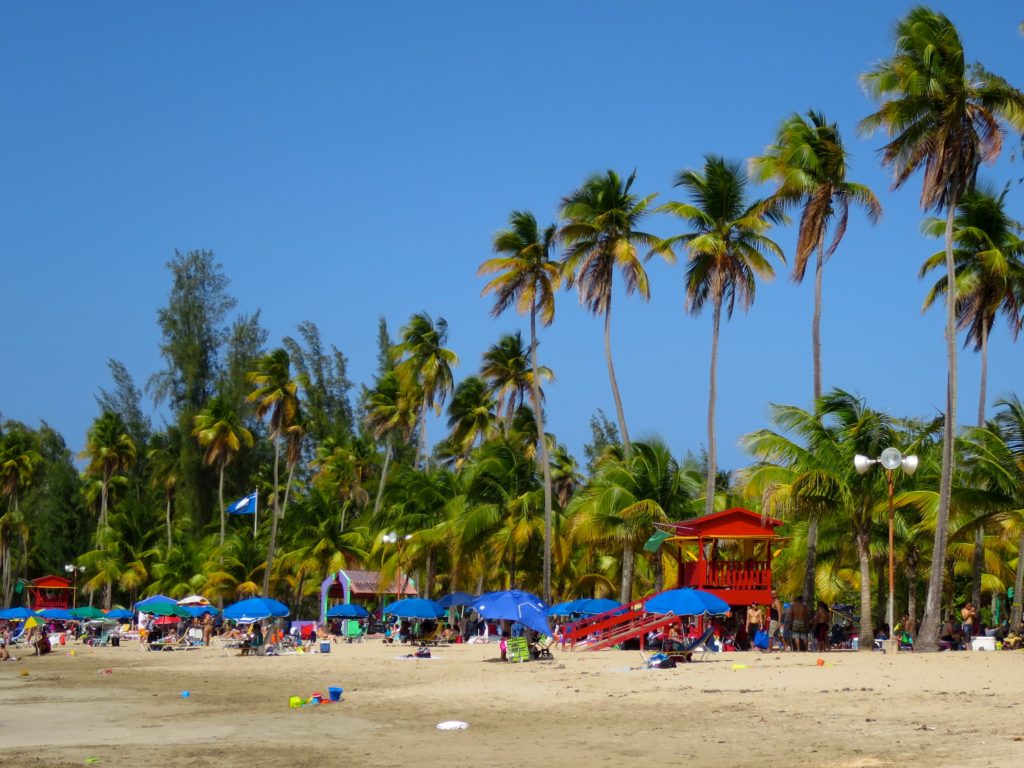
    Luquillo and the Kiosks: Circled through Luquillo town, which was sketchy and abandoned, then backtracked to the “kioskos” a mile or so east. The food kiosks start to all look the same, but the offerings were cheap and delicious. There are also bar and shopping vendors here. Walk through the kiosks onto Luquillo Beach. On Saturday it blows up into a local party spot, with music blasting from trucks that had subwoofers the size of a car. Red lifeguard shacks, yellow sand, blue sky, and green palms makes for a colorful photo op.

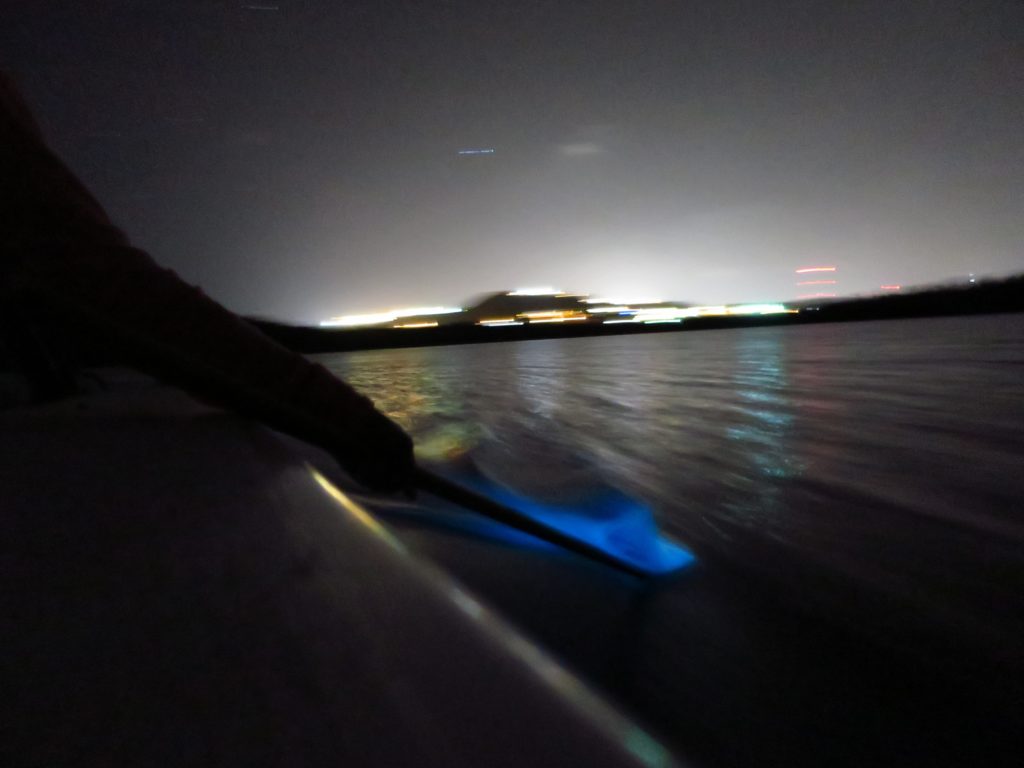
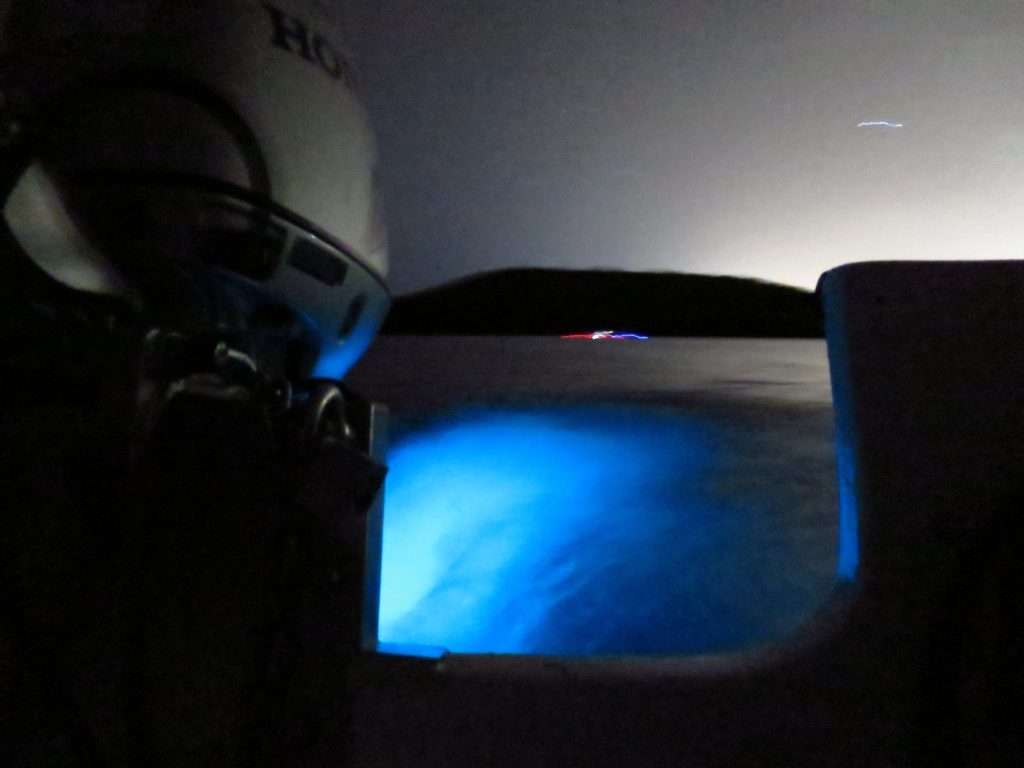
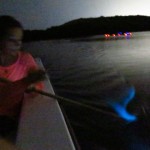
    Fajardo and the Bioluminescent Bay: Lesson learned – plan ahead if you want to go on a bio tour. I only got on one due to a cancellation. Another tip – opt for a boat tour vs a kayak. You’ll stay dry and can use your camera. The bio bay tours leave from a little port village with a few touristy (but quality) vendors and beach bars.

    Note: Saturday night traffic in Condado is terrible, and there aren’t many gas stations. Fill up your car before getting back into the heart of San Juan, or be prepared to spend 2 hours in traffic.


    Sunday

    Time to go home!

    Puerto Rico photos>>


  • Photos: Puerto Rico

    Photos: Puerto Rico


  • Photos: Dominican Republic

    Photos: Dominican Republic