U.S. News Travel, October 6, 2017 ||These days, many popular European hot spots are getting overcrowded, with cities such as Venice, Italy, and Barcelona, Spain, looking to limit tourism. Summer is when these visitor numbers often hit their peak, resulting in higher prices, especially on weekends. But if you travel to Europe in the fall – after the busy tourist season calms down – you’ll find pleasant temperatures, lower prices and fun festivals. Here are some of the best fall weekend escapes across Europe, from Scotland to Croatia.
I traveled to Dubrovnik for 5 days in July 2017. We used it as a base to explore the UNESCO World Heritage Site walled city, track down Game of Thrones filming locations (it’s Kings Landing!), and take a handful of day trips, including to Montenegro and the island of Mljet.
How to Get to Dubrovnik
The main purpose of my trip was a wedding in Greece after the Dubrovnik leg. Turns out travel between Greece and Croatia is a lot tougher than I expected. There aren’t direct air connections daily, and if you’re hoping to travel by boat, be forewarned it takes like 26 hours via ferry and goes through Italy.
Without my specific itinerary complication though, getting to Dubrovnik is pretty easy. There are plenty of connecting flights from other cities in Europe. There are ferries from other Croatian islands, like Split and Hvar. The airport is about 30 minutes from the city — a pretty drive along the coast. You can take the bus or a taxi cost 35-45 euros.
Where to Stay in Dubrovnik
I stayed in the heart of the Old City, in a wonderful studio apartment Airbnb. (GoT fans, it was right at the base of Ceresi’s Shame Stairs.) There are a ton of great Airbnbs in the Old City — just be prepared to walk up a lot of stairs (inside and on the side streets leading up to the houses). Most of the hotels themselves are outside the city.
So, should you stay in Dubrovnik’s Old City or outside the walls? It kinda depends. Staying in the Old City is super convenient — you can walk home from the bars and restaurants at night, and you can pop home during the day for a bathroom or to cool down in a/c. But … it is CROWDED in there. Like middle-of-Times Square crowded. This made it pretty overwhelming any time we stepped out the door.
If you aren’t into crowds, consider staying outside the city. I heard great things about the Hotel Excelsior, which is a short walk from the city walls. If you have money to spend and want to relax, the Valamar Dubrovnik President Hotel had incredible views and looked amazing. Oh, and there’s also a hotel with a cave bar.
What to Do in Dubrovnik
Arrival Night
After about 24 hours of travel, we arrived to the city around 9 pm. Entering the Old City through the Pile Gate (pronounced Pila) is probably the coolest entrance to a city I’ve ever made. You cross a drawbridge and it feels like you’re entering a castle. We made it out for dinner and a few drinks, then crashed at our Airbnb.
Gradska Kavana Arsenal: A great place for dinner on one of the Old City’s main squares. We sat outside and sipped Croatian wine from Istria. I didn’t know it at the time, but it’s run by one of the city’s most prominent restaurant groups (that also runs Dubravka, Panorama, etc.).
Gusto Giusto: Dubrovnik is full of these little hole-in-the-wall restaurant/bars on side streets. This one had a few small tables outside, and some people were just sitting on the steps. Small but interesting selection of local beers and wine, plus some cocktails that I didn’t try.
Dubrovnik city walls
Day 1
We covered a lot of touristing ground today, and it was all fantastic. Knocked off three of the top things to do in Dubrovnik (walls, kayaking, Mt. Srd).
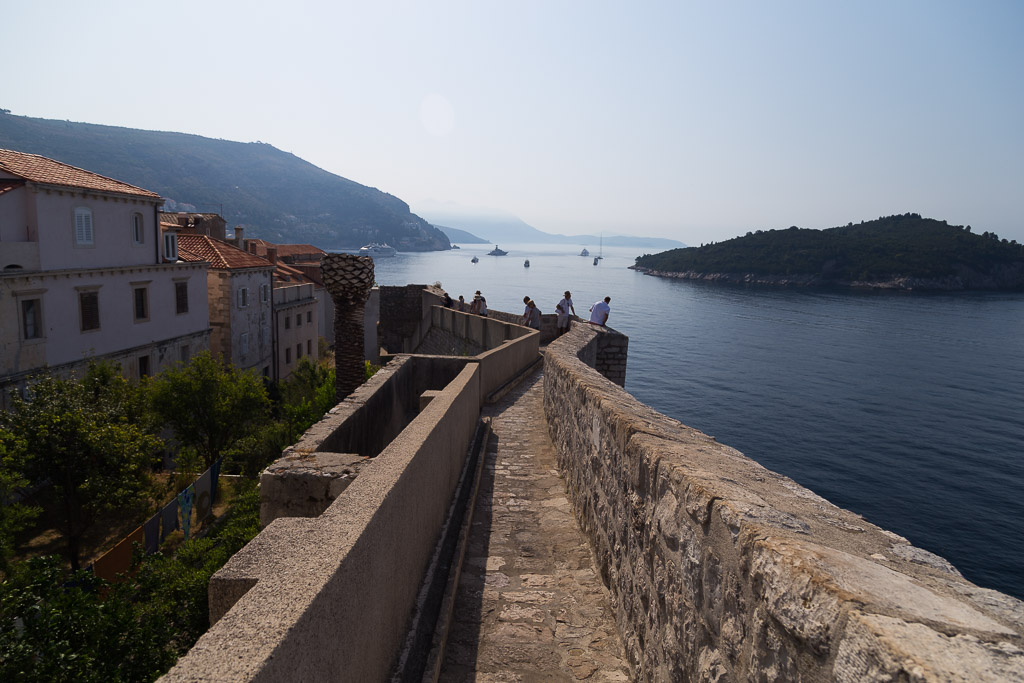
City Walls: You can climb up onto the top of Dubrovnik’s walls and do a full loop around the city. It’s fantastic — the views are amazing and there are little cafes and bars to get refreshments along the way.
The secret to doing the walls is to do it early —get up there at 8 am and be done by 10 — or late, around sunset time. Since this is probably the #1 thing to do in Dubrovnik, the walls get very crowded during the day. Plus there’s not a ton of shade so you’ll roast if you go midday. Ticket costs 150 kuna (at this writing Dubrovnik isn’t on the Euro), and there’s no reentry. To do the full loop takes about 1.5-2 hours.
Trattoria Tezoro: Went here for breakfast. To be honest, all breakfasts were pretty much the same: you choose from American, French, Italian, etc. and then get some combo of OJ, coffee, sliced meat and cheese.
Sea Kayaking with Dubrovnik Walks: On a hot summer day sea kayaking tours are the best way to stay cool. This operator runs 7-km trips from right outside the city walls. You paddle around Lokrum Island and then stop at a beach in a cave. You can book in advance, though we reserved online about an hour before the trip.
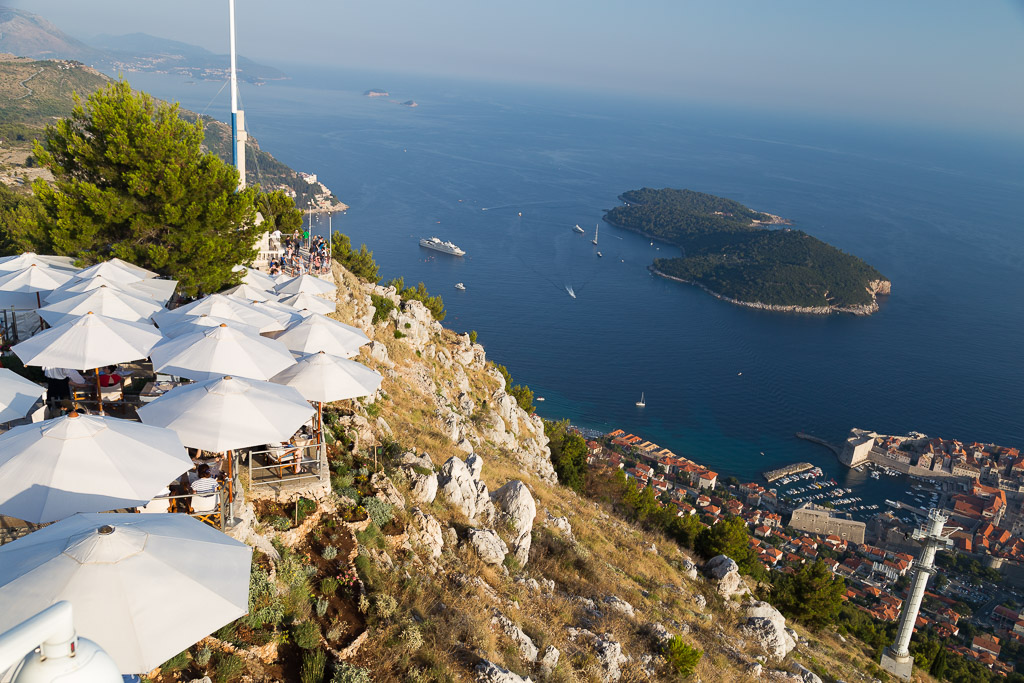
Mt. Srd cable car: For some of the best views of Dubrovnik, take the cable car to the top of Mt. Srd (or hike, if you’re up for a climb). There’s a museum and a restaurant at the top. Tip: Buy your tickets online beforehand (cost is about $22), then skip the line when you get to the cable car.
Panorama: The restaurant at the top of Mt. Srd is the best meal with a view you’ll have in Dubrovnik. If you want to sit right on the edge for a sunset dinner you’ll have to make reservations a year or more in advance. But you can just walk in and get a non-edge seat (and if you stay past sunset you might be able to move seats closer).
Panorama Restaurant
Day 2
Dubravka: This restaurant right outside Pile gate is popular among locals and tourists. It has a great breezy patio overlooking the city walls. Good for any meal, and a little cheaper than the restaurants inside the walls.
City tour: We joined a local tour guide from the Dubrovnik visitors’ bureau. Learned some interesting things:
The Franciscan pharmacy is one of the oldest in Europe — you can buy rose water here
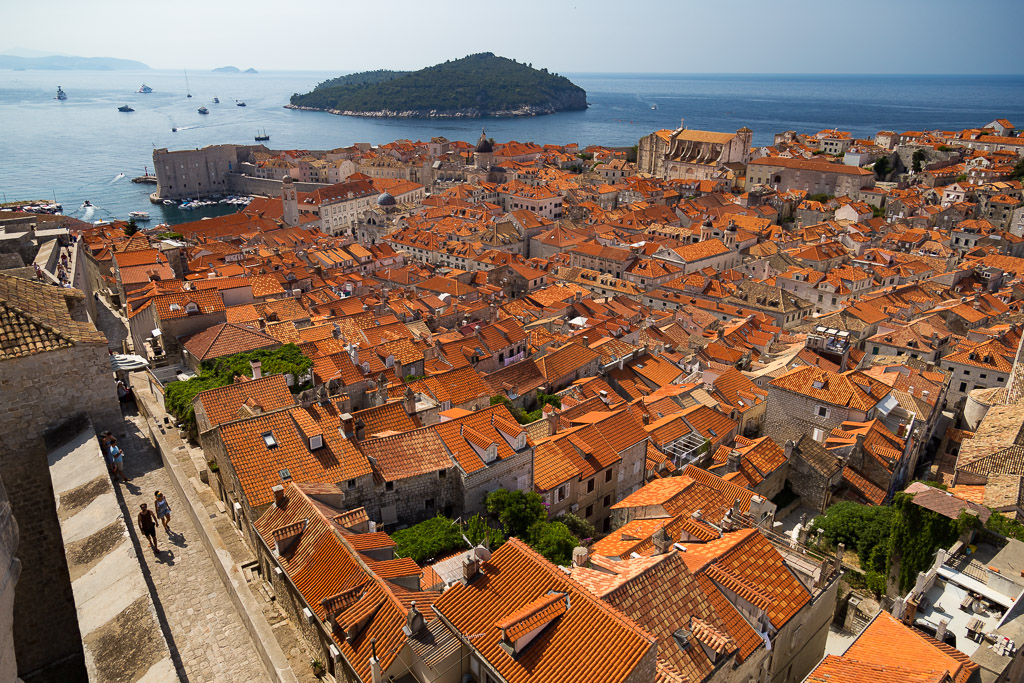
Earthquakes are responsible for the varied architectural styles, while the war in the 1990s destroyed the city’s roofs, which is why they all look new
Friday is the city’s busiest day
Some restaurants to check out:
Azur (Mediterranean food with an Asian twist)
Prieko (street full of restaurants)
Mishta (vegetarian food)
Posaj (outside the city, local food)
Dolce Vita (ice cream)
Restaurant Orsan: To escape the Old City crowds we headed over to Lapad, an easy cab ride away. Lunch at this harborside restaurant was relaxing, delicious and a bit cheaper than the tourist center prices.
Lapad coastal trail: From nearby Restaurant Orsan, a quiet walking path meanders along the coast, past little piers and beaches. As it rounds the Lapad peninsula there are larger techno-bumping beach clubs and some resorts.
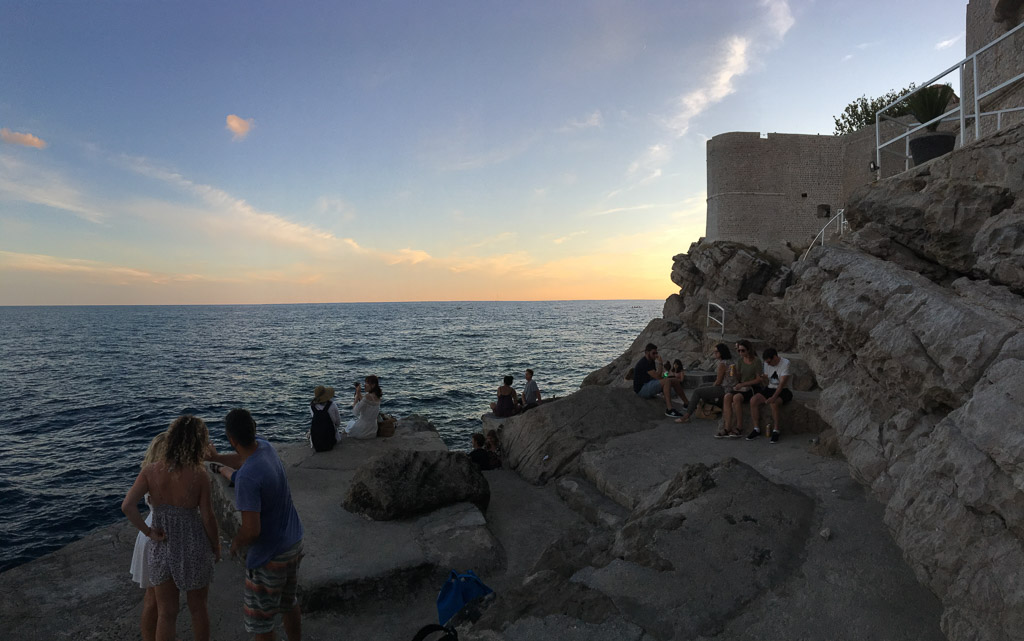
Buza Bar: My favorite thing in Dubrovnik. Buza literally means “hole in the wall,” and these bars (there are two) sit on the rocks just outside the city walls. The first Buza is a bit more commercial — there are seats and a full bar setup. The second is more makeshift, but it is better for swimming. You can also BYOB to both of these spots.
Lajk: This family run restaurant had outside tables on the Prieko street. Good food, local wines.
Buza Bar
Day 3
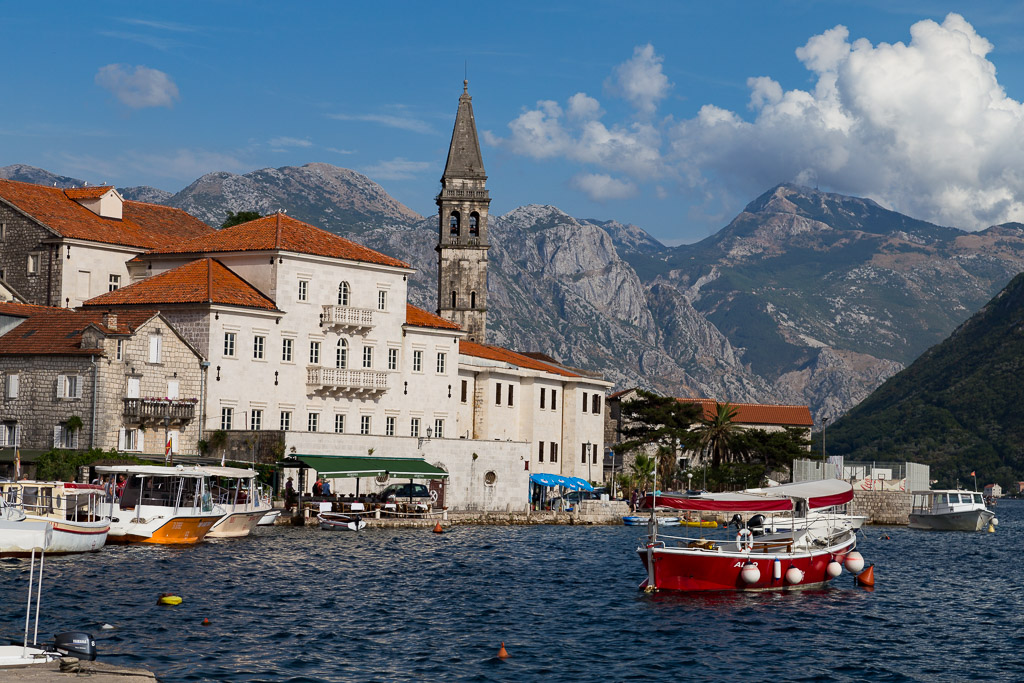
Day trip to Montenegro: We hired a driver to take us across the border to Montenegro for a daytrip.
More info about that on this blog post!
Dubravka: Not just a breakfast spot — great for a big group dinner.
Troubadour Jazz Cafe: Small bar with live music at night. Performers play outside so you can sit at the neighboring bars on the square if seats fill up.
Perast, Montenegro
Day 4
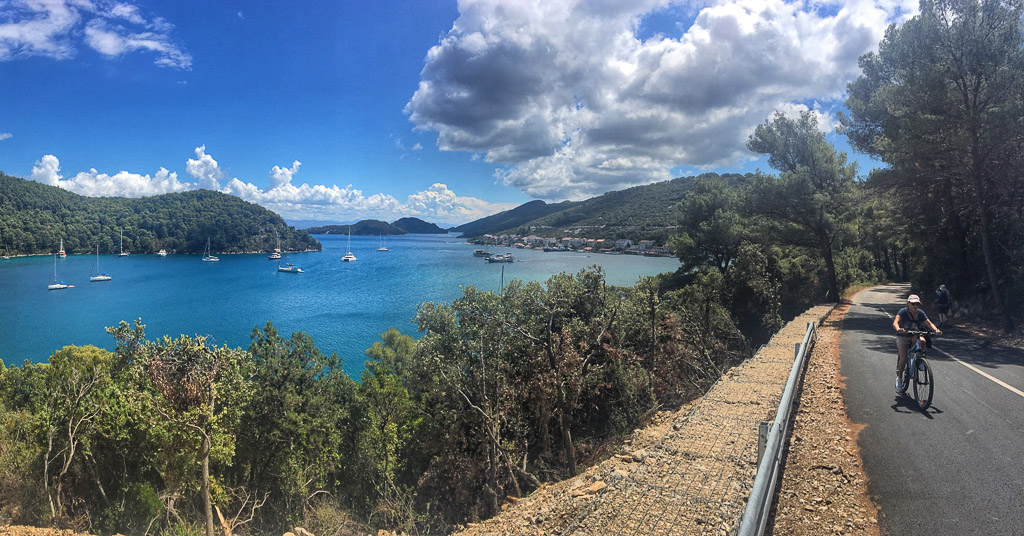
Day trip to Mljet: We hopped a ferry to this large island with a national park about 1.5 hours away from Dubrovnik. Left at around 9 am and returned by around 6:30.
Restaurant Kopun: Tucked in a quiet square in front of the Jesuit Church, this restaurant specializes in castrated chicken (kopun). But there are plenty of other options on the menu too, and in tough-to-get-a-table Dubrovnik, it was a great option for walk-in outdoor dining for a group.
Mljet
Day 5
Our flight was leaving at around 4:30, so we only had a partial day. We weren’t sure about going to Lokrum — might be too much of a production — but it was such a peaceful escape from Dubrovnik and super easy to get to.
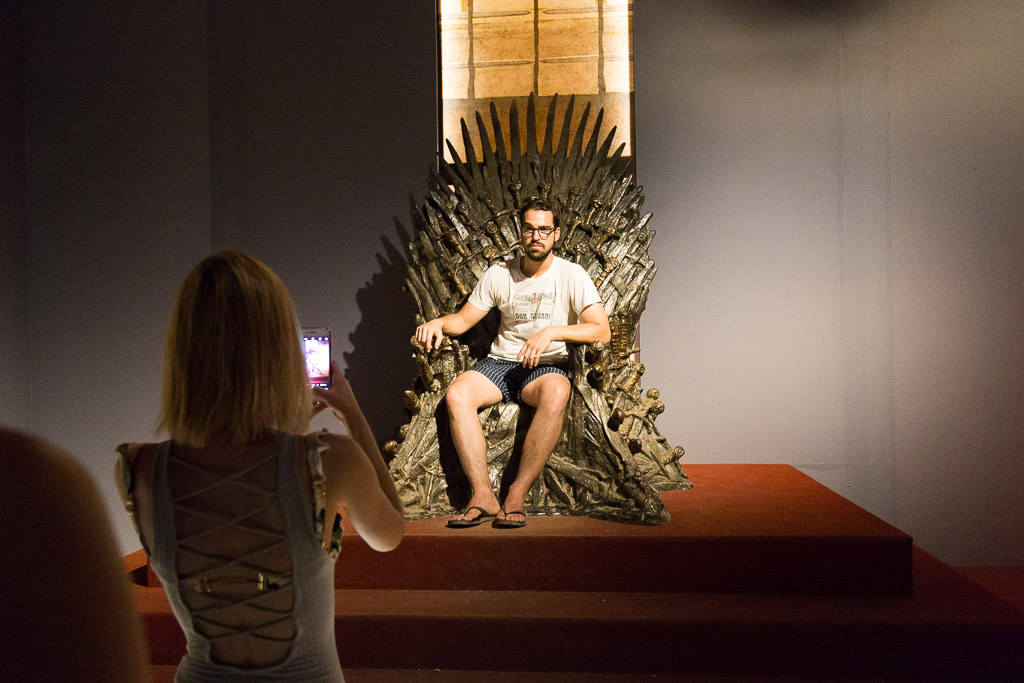
Lokrum: The small island off Dubrovnik is a super easy, relaxing break from the hot crowded city streets. It’s about a 10 minute ferry ride over there. Once on the island, there are beaches, chaise lounges, walking trails through forests with peacocks roaming, and a few restaurants. GoT fans, there’s also an Iron Throne you can pose on, and an exhibit of various Dubrovnik filming locations.
Iron Throne on Lokrum
Random Stuff You Should Know about Dubrovnik
Game of Thrones stuff is EVERYWHERE. There are tours all over, kitschy souvenirs and T-shirts for sale all over, and two Iron Thrones (one in the Old City that you can sit on after purchasing something in the shop, and a free one on Lokrum)
Restaurants inside the city walls are pricey. As soon as you step outside (like, even right outside at Dubravka) the prices drop.
Just reiterating the crowds. Overtourism is definitely a problem here.
Tourism is the main industry here, so most people speak English.
February 3rd is the city’s #1 celebration: St. Blaise festival
Some local products to buy: rose water, coral jewelry, embroidered goods.
It’s hard to get into many of Dubrovnik’s popular restaurants at dinner. If there’s a spot you want to try, make reservations.
After a few days of fighting crowds in the busy streets of Dubrovnik, a trip to Mljet was a breath of fresh air and a welcome escape.
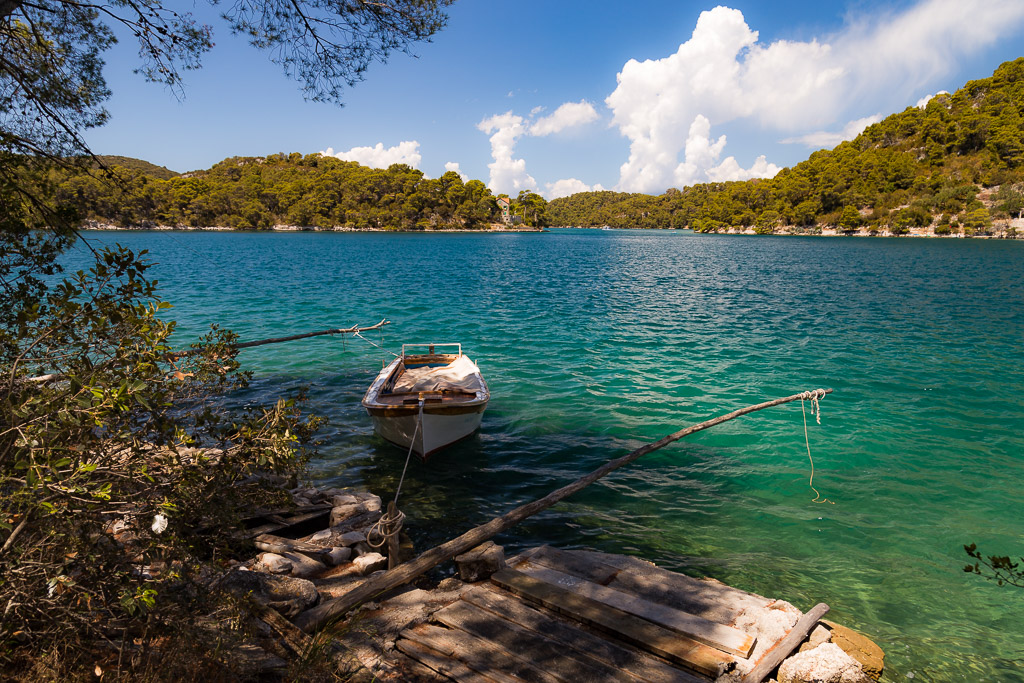
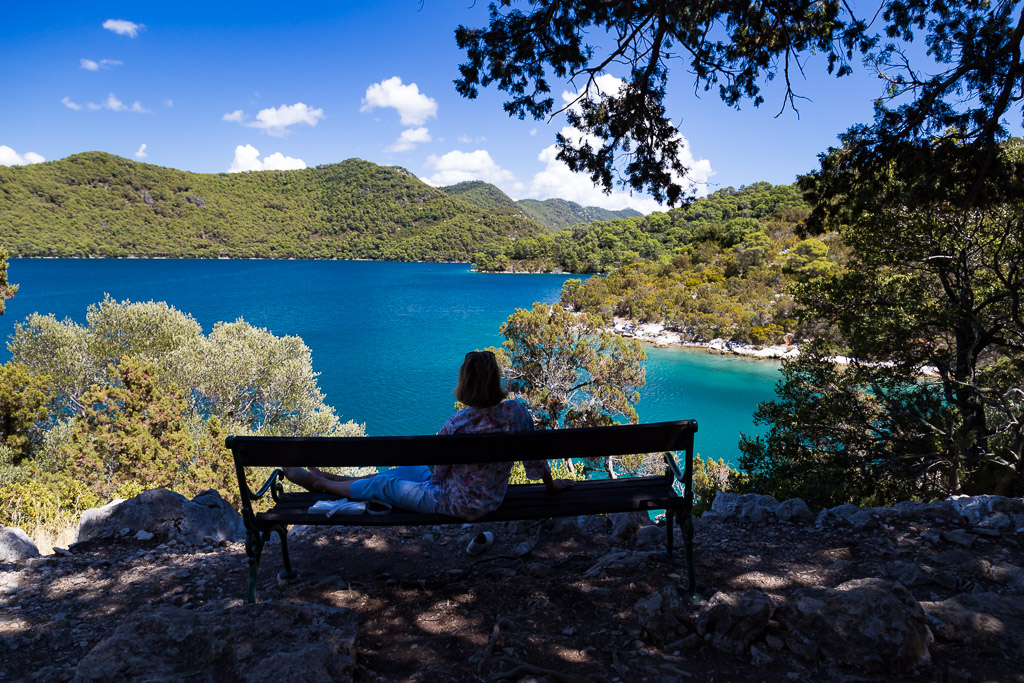
Mljet is a large, lush island with a national park on its western end that has saltwater lakes, a meta island-on a lake-on an island, and some of the bluest water you’ll ever see. Daily boats from Dubrovnik make this an easy daytrip, though once you’re there the peace and quiet will likely tempt you to spend the night (and if you have the time, do it!).
Getting to Mljet
There are high-speed ferries to Mljet from Dubrovnik, Split and other islands. The trip from Dubrovnik takes about 1½ hours. If you’re heading to the national park, take the ferry from Dubrovnik to Polace, where you can pick up a bike, catch a shuttle, or walk about 25 minutes to the national park. Boats leave the city at 9:15 am and return at 4:55 pm (getting back around 6:30 pm).
Coming from or going to another part of Croatia? The other Mljet port with easy access to the national park is Pomena, which has a bit more going on than Polace, including a hotel.
If you’re going farther afield on the island, you’ll want to rent a car or use taxis, or you can rent bikes. If you’re just exploring the national park (and are up for a couple-mile walk), you can do it all by foot.
Exploring Mljet National Park
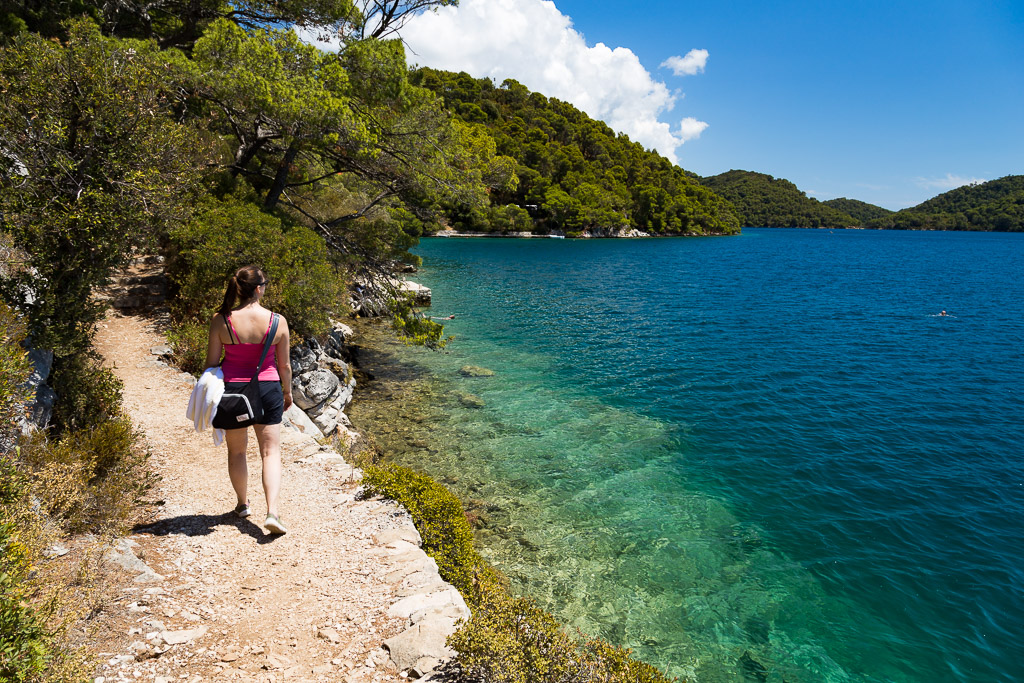
Occupying the western part of the island, this national park is a gem. You can buy an entry ticket (about 100 kn) at Polace when you get off the ferry, or at the park entrance about 30 minutes’ walk from port. Inside the park you’ll find well-marked trails and two unbelievably blue and swimmable saltwater lakes, one of which has an island with a monastery set in the middle of it. (You can take a little boat here for lunch and a dip.)
Aside from boating and swimming, the park’s two lakes are home to some interesting creatures: coral, jellyfish, and shellfish — including mussels that can grow up to 2 feet long. The smaller lake, Malo Jezero, is warmer and shallower than the grand lake, Veliko Jezero, making it a popular swimming hole. The two lakes are connected by a bridge that you can swim under.
One Day on Mljet
11:00 am: Arrive in Polace. Hit up the little grocery market for some water and snacks, then buy your park ticket at the little booth.
12 pm: Get to the national park, explore the walking trails around Veliko Jezero.
1 pm: Take a boat across the lake to St. Mary’s. Eat lunch and explore the monastery and island.
2:30 pm: Boat to Malo Jezero for a swim in the smaller lake
3:30 pm: Head back to Polace – you don’t want to miss the boat! Grab a drink at one of the harborside bars or restaurants before you board.
4:30 pm: Board ferry back to Dubrovnik.
6:35 pm: Arrive back in Dubrovnik in time for sunset!
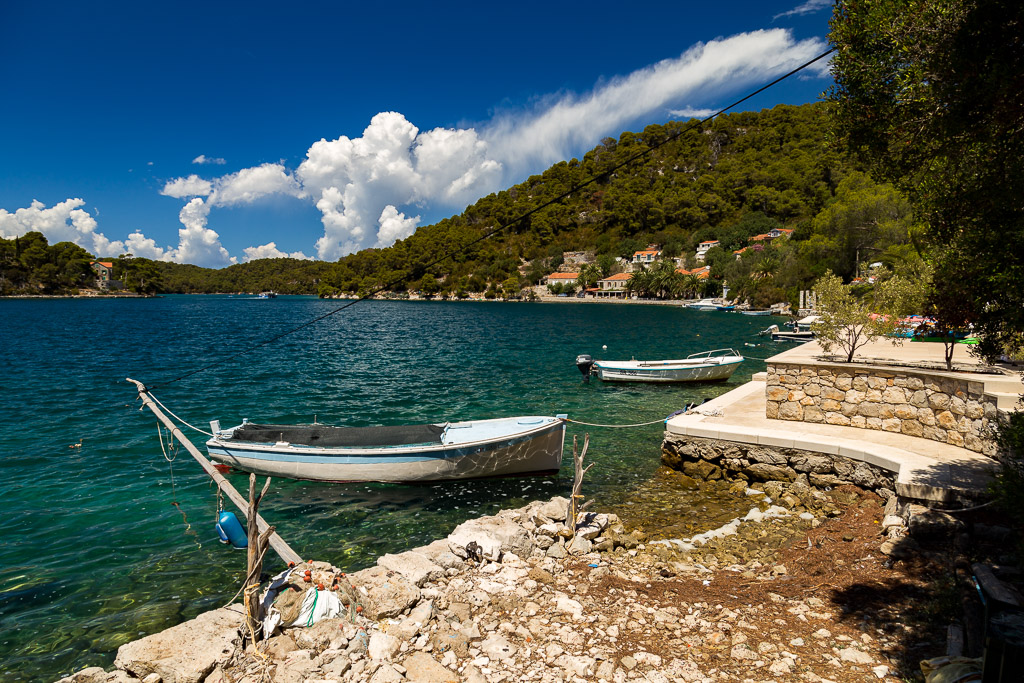
Boats moored near Polace on MljetVeliko jezero, one of two saltwater lakes in Mljet National Park
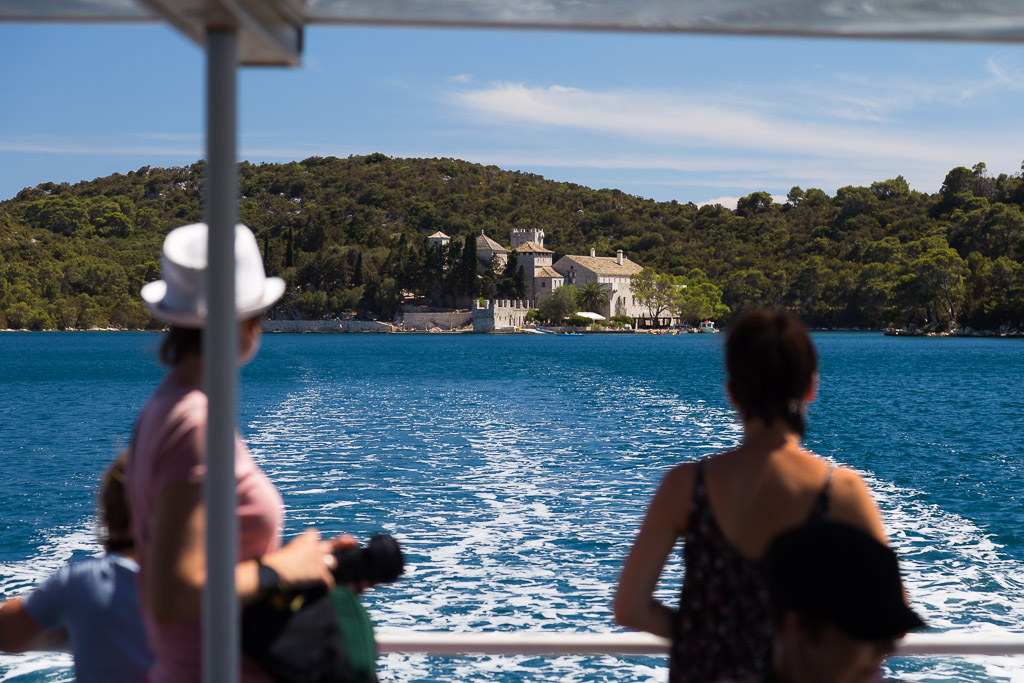
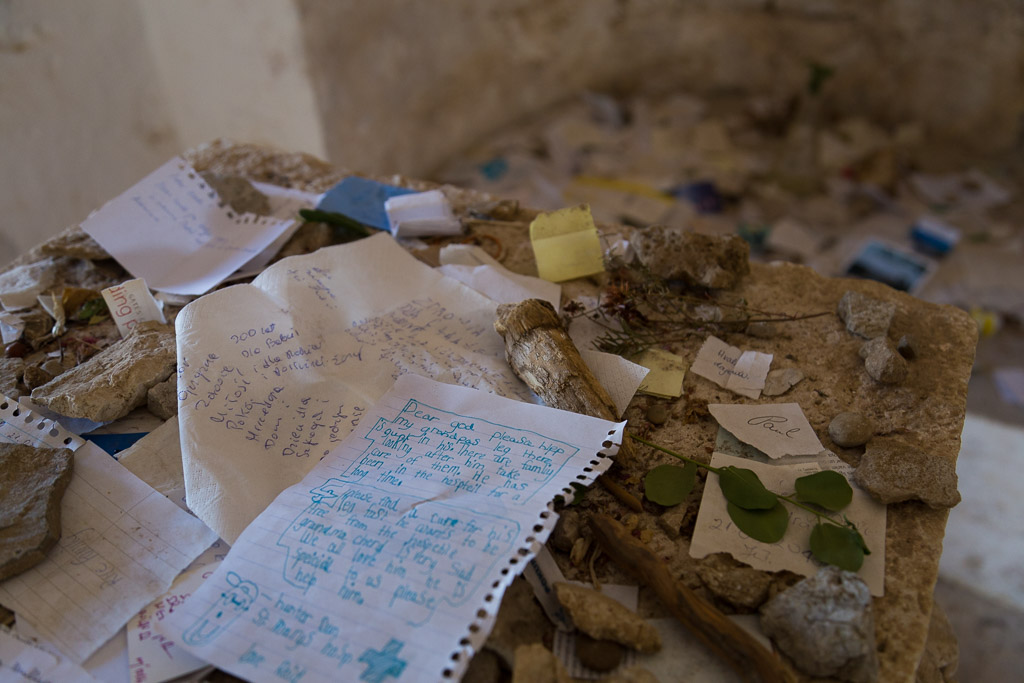
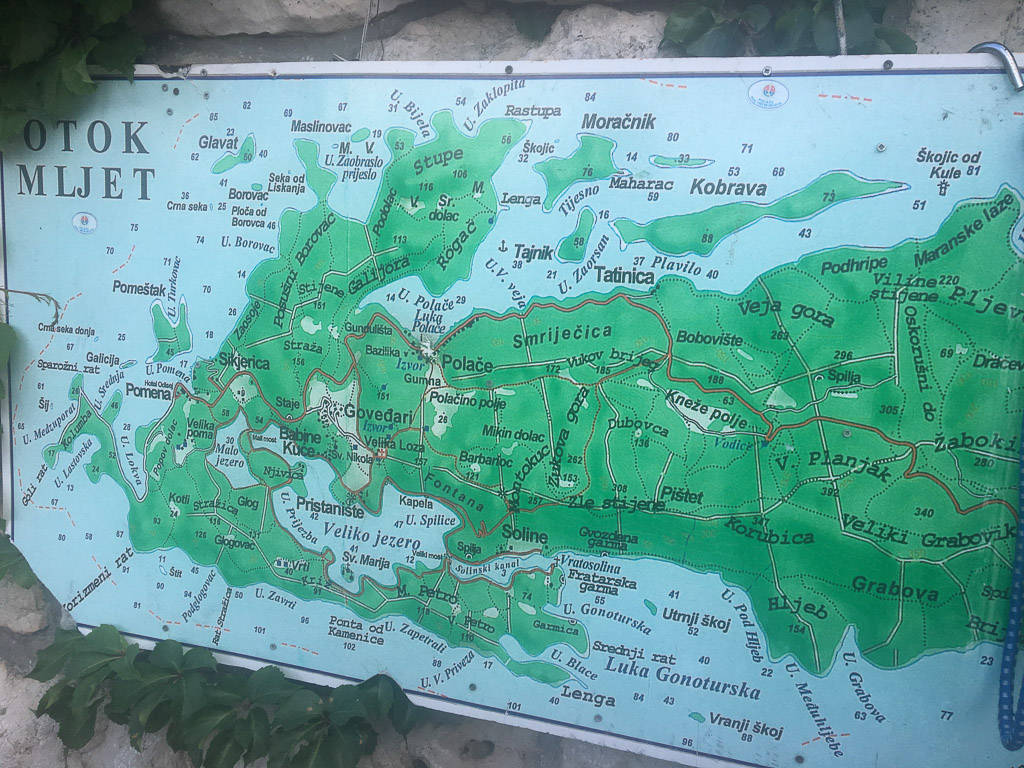
Aboard the boat from the monastery on St. Mary’s Island, in the middle of Veliko JezeroNotes left by visitors to the chapel on St. Mary’s IslandBoat for rent in Mljet National ParkNot a bad place for a rest!Walking the lakeside path along Velika JezeroMap of Mljet
U.S. News Travel – March 2017 || Iceland is a hot place to visit right now, and it’s not just because of its smoky volcanoes and otherworldly geothermal pools. A variety of quick, nonstop flight routes from the U.S. have made the country more accessible than ever, and stopover options are helping Iceland earn a top spot on many travelers’ vacation itineraries.
In August 2014 I took advantage of IcelandAir’s stopover program to spend a long weekend in Iceland on my way from Greece home to Washington. Here’s what I did:
How I Got There
IcelandAir offers free stopovers in Iceland on flights between the U.S. and Europe. You can stay for up to 7 nights without having it affect the price of your ticket. It’s easiest to plan and book this directly on the airline’s website, rather than using something like Kayak.
Where I Stayed
Kex Hostel: a super hip hostel in a converted biscuit factory, this felt like something right out of Brooklyn. It was industrial-cool, with things like a magnetic wall of words and vintage atlases that you could browse on worn in couches. The rooms were standard hostel-style; bathrooms were small individual rooms. No embellishments, but safe and relatively clean. The hostel’s main space centers around a bar that’s loud and crowded at night — a hangout spot for locals as well as travelers. Location is great — a 2 minute walk from the main drag.
Day 1: Reykjavik
Sandholt Bakery: I went to this little bakery and sandwich shop on Laugavegur every morning. There was always a line, but it was worth the wait. The breads were freshly baked and delicious, and they had an area with table seating + WiFi.
Hallgrímskirkja Church: I have absolutely no idea how to pronounce this one, but it’s one of the top things to do in Reykjavik. You can climb to the top of the brutalist-style building and get that classic view of Reykjavik from above, with colorful houses and rooftops laid out before you.
The Icelandic Phallological Museum: Yup. If you didn’t realize that Iceland’s a quirky little place (most of the population believes in fairies), you’ll figure it out when you get to the Penis Museum. There are preserved genitalia from all sorts of animals, large and small, plus phallic artwork, some volcanic condoms in the gift shop, and a strange assortment of penis casts from the Icelandic handball team. Don’t miss this, it’s worth an hour of your visit. (And bring cash, it’s cash only.)
Laugavegur: The main drag in Reykjavik is full of shops and quirky bars. I popped into Hrim, which was a sort of Nordic version of Anthropologie’s home section; Vinbenid, an Icelandic candy shop; and myconcept, an eclectic retro-chic shop.
Prikid: This corner spot is one of the oldest cafes in Iceland. I stopped for a beer, but it was packed with folks of all ages eating lunch.
Harpa: This prismatic waterfront concert hall is a photographer’s playground. The glass exterior reflects light both inside and out. I didn’t see a show, but spent over an hour here photographing the amazing reflections, colors and architecture. I could’ve spent the whole day here.
Bæjarins Beztu Pylsur: If there’s one thing you eat when in Iceland, make it the hot dogs from this little stand near the Harpa. They serve hot dogs topped with ketchup, sweet mustard, remoulade, fried onion and raw onion (order one with all of that), and have been called the “best hot dogs in the world.” Bonus: it’s one of the most budget-friendly things you can eat in Reykjavik.
Harbor: The harbor is a nice place to wander; aside from the Harpa and hot dogs, you’ll find colorful old fishing boats, a market, some hotels and restaurants and a handful of kiosks selling bird- and whale-watching trips.
Kex Hostel Bar: This place is packed at night — not just with travelers or hostel guests, but with locals, too. I was able to grab a seat at the bar in the afternoon and read/people watch for a while.
The Loft: The rooftop bar of this hostel has a great view of all the Laugavegur action. You don’t have to be a guest to come here, and they also have live music.
Laundromat Cafe: It’s a bar. And a laundromat. Because nothing in Iceland can just be a plain bar, apparently. They also had a pretty impressive library of color-coded books, and an overall hipster vibe.
Tíu Dropar: This cozy little bar is a favorite among local musicians (which seems to be everyone in Iceland). People might just show up with musical instruments or hop on the piano; the whole (small) bar will quickly get involved with the jam session.
Lebowski Bar: As the name suggests, there’s a Big Lebowski-themed bar in Reykjavik.
Kolaportid Flea Market:Knit wool Icelandic sweaters … and hats, and scarves, and a lot of other things. Hakarl fermented shark, which Anthony Bourdain declared the worst thing he’s ever eaten. I wasn’t about to try that, nor did I want to eat horse or whale (also for sale here), but I did notice that it’s cheaper here than at a restaurant.
Cafe Paris: Instead of eating fermented shark at the flea market, I had my one main sit-down meal here. The menu was familiar dishes (salads, burgers, pasta), not so heavy on the Icelandic specialties. (Yes, only one real meal over the weekend — Iceland’s expensive!)
Golden Circle: This is the essential tourist circuit to three of Iceland’s most visited and most accessible natural sights: Thingvellir National Park, Gullfoss waterfall, and Geysir hot springs. To save time, I did the afternoon version of the tour. It still lasted about 7 hours, but gave me the morning to explore Reykjavik more. I think the shorter tour was still plenty of time to see everything, though it did start getting dark and we didn’t get back to Reykjavik until 10 or 11 p.m. I booked with Reykjavik Excursions because their website was easy. The customer service wasn’t great, the on-bus WiFi didn’t actually work, and the guide wasn’t very helpful, but it was an easy way to see these sights. I had already booked when I arrived, but my hostel recommended Gray Line instead.
Thingvellir National Park: This national park is celebrated as the site of the first Icelandic parliament. The more interesting claim to fame, in my opinion, is its position between two tectonic plates. You can actually see where the European and North American plates are moving apart, and a new Icelandic continent is forming. You can even scuba dive in the continental rift, though I didn’t try it.
Gullfoss: This large triangular waterfall is one of the most popular sights in Iceland. The views from above are impressive, but make sure you walk down to the pointed area to see the water cascading all around you. Watch out: there’s lots of mist — your camera lens will probably get wet.
Geysir:Ever heard of a geyser? Well this is the namesake: this geothermal fountain gave geysers their name. The actual Geysir geyser doesn’t erupt very often, but nearby is Strokkur, which shoots about 100 feet in the air every 10 minutes.
Day 3
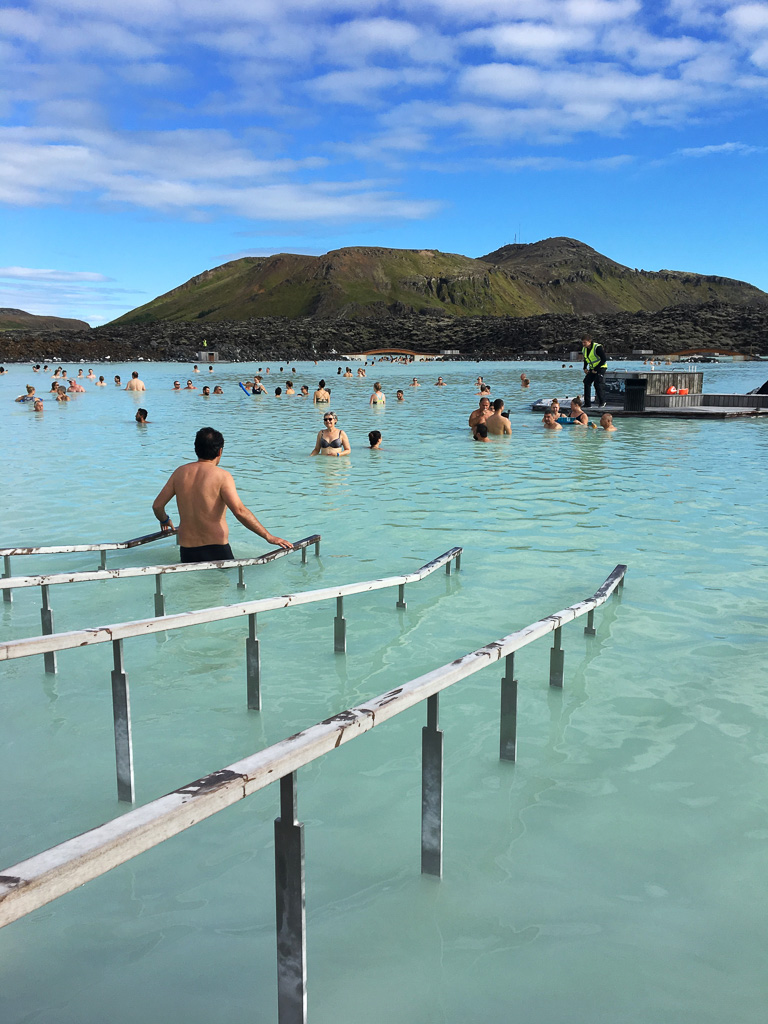
Blue Lagoon: Iceland’s most famous sight, this geothermal pool is the color of antifreeze and stays warm even when the temps plummet. The Blue Lagoon is near the airport so it’s best to tack it on when you arrive or depart (you can coordinate transportation through Reykjavik Excursions). I went in the morning before my afternoon flight home; you can read how to visit the Blue Lagoon here.
April 20, 2016 on Marriott Traveler || It might take a little caffeine, but with a long weekend in Spain’s Catalonian capital, you can check off many of the city’s top sights. You can also eat. A lot. Here’s a fabulous foodie trip through Barcelona. Don’t worry; you can sleep off your food coma on the flight home.
What to do on a long layover in Paris? It can be tricky to leave the airport, even if you have 5 hours. But if you have a really long layover — like my 12-hour gap between flights this August — you can actually squeeze in a lot.
In 12 hours I was able to hop around to seven of Paris’s top sights, plus scarf down some French food (and vin, of course!), while making it back to CDG with plenty of time to check in for my flight. Here’s how I did it:
First, travel light. I checked my bags at CDG (about 28 euros for 12 hours) near the train depot. Then I bought a 1-day transport pass for RER trains (including the airport) and hopped on the train into the city.
Stop 1: Sacre Coeur
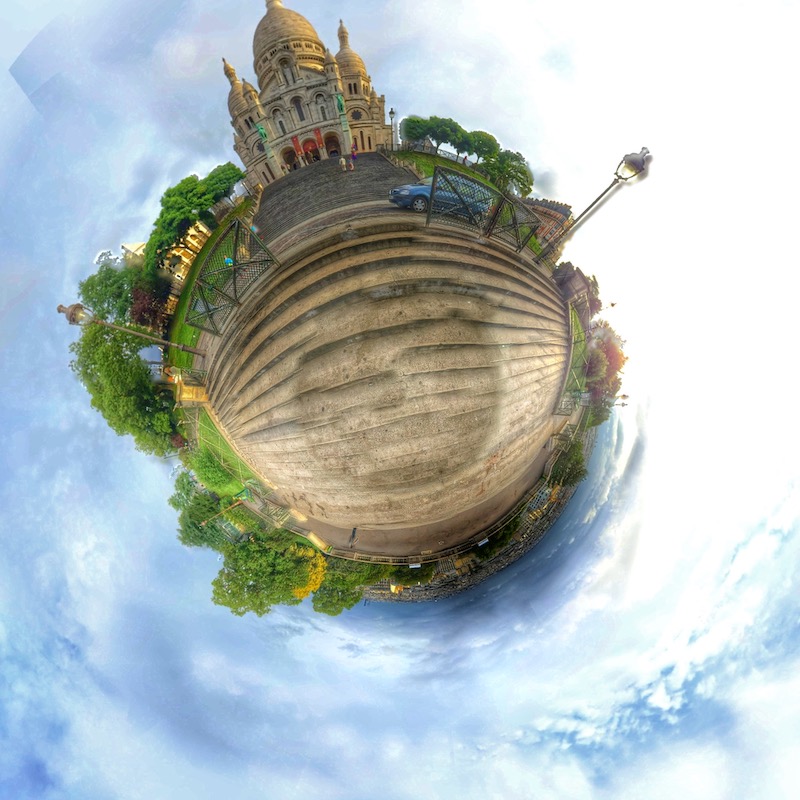
I got to this hilltop church around sunrise. It was freezing and the church itself wasn’t open yet, but there were very few people around and it was very peaceful. A wonderful view of the city here. I then wandered around the Montmartre streets surrounding the church — most were empty, but some were starting to show signs of life at cafes. Then walked down to stop 2: Moulin Rouge.
#parislayover stop 1: sunrise at Sacre Coeur (though it was cloudy)
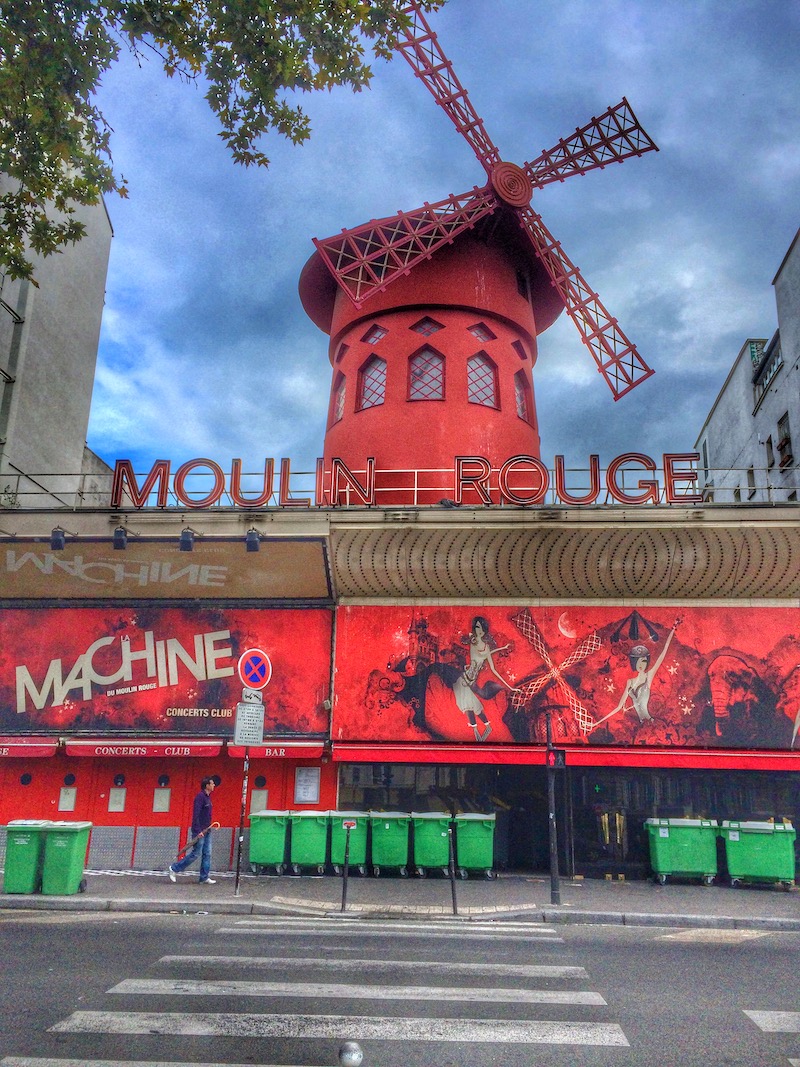
Stop 2: Moulin Rouge
This was a total fan-nut stop, as I saw the Baz Luhrmann movie like seven times in the theater. It was still super early, nothing was open, but I stood across the street and pretended Ewan McGregor was serenading me.
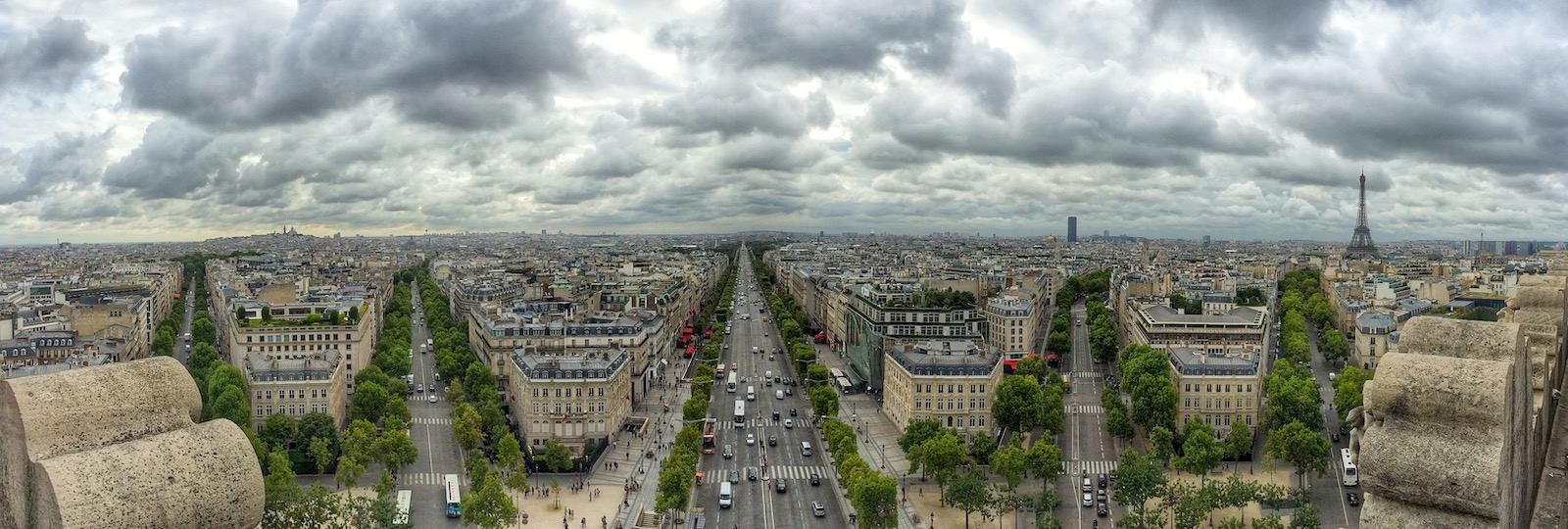
This was my third trip to Paris, but the first time I’d actually gone to the top of the Arc. That was a mistake. The views from Sacre Coeur, Notre Dame, and the Eiffel Tower are awesome. But the 360-degree view from the Arc, with 12 streets radiating from its base like spokes, feels more connected to the city and is now my favorite Parisian panorama.
#parislayover stop 3: top of l’Arc. I’d never been up here but it’s now my fave view of the city #travelpics
Stop 4: Bastille
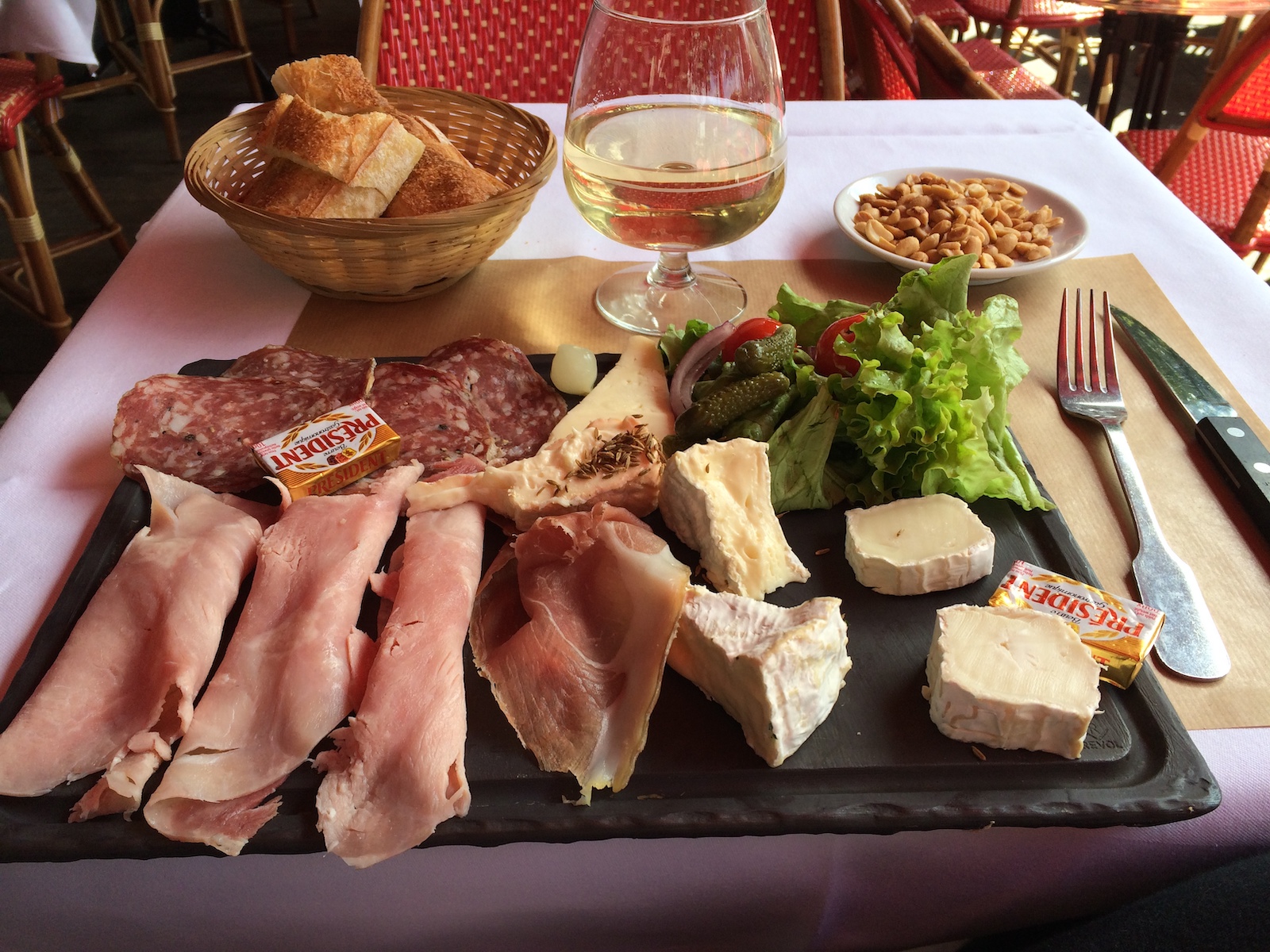
I metroed from the Arc to the Bastille stop and parked myself at one of the standard cafes around the square.
#parislayover stop 4: lunch at the Bastille – I got cheese, meats, wine and a bit of attitude for sucking at French
Stop 5: Canal St-Martin
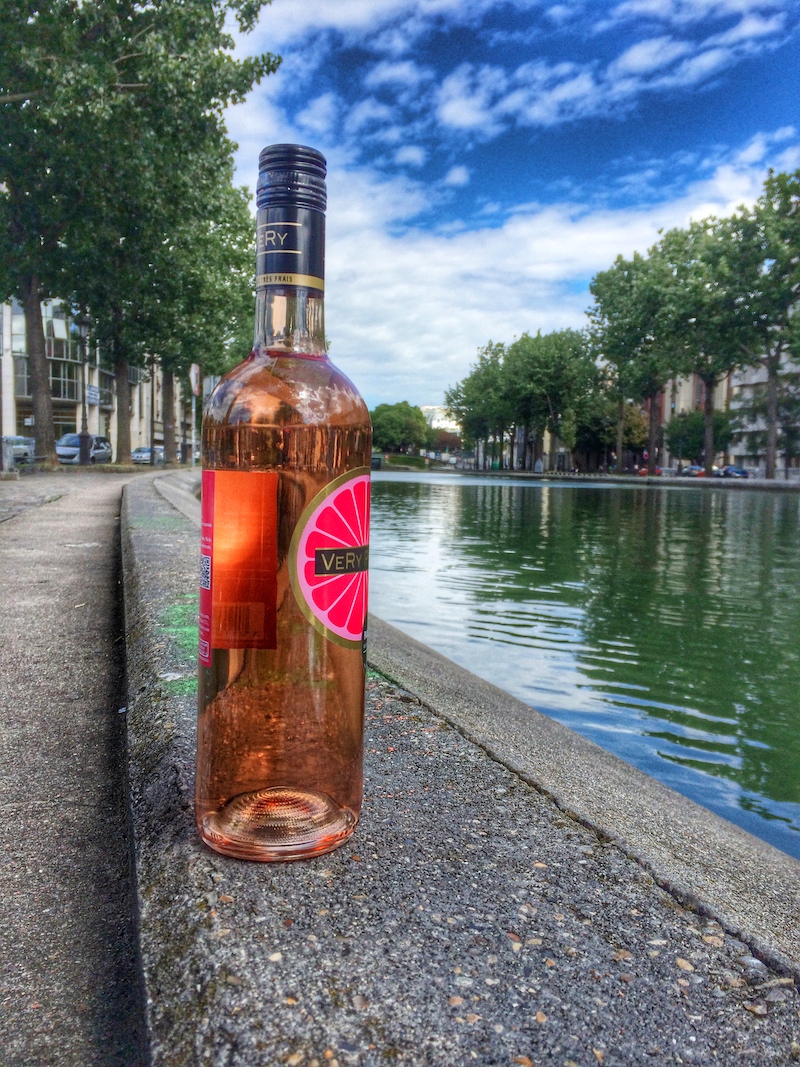
After gorging on cheese I walked through Bastille up to Canal St-Martin. I had heard Canal St-Martin was the hip “new” Paris hood to visit. It was quiet along the canal; shady trees and bridges crossing over the green water. People were taking walks, but it was early afternoon on a Monday, so things were relatively quiet. I stopped in a supermarket and bought a 5-euro bottle of (not chilled) rose to drink along the water. It wasn’t worth the 5 euros…
#parislayover stop 5: rose along Canal St-Martin. The canal was awesome. The wine was not. #travelpics
Stop 6: Notre Dame
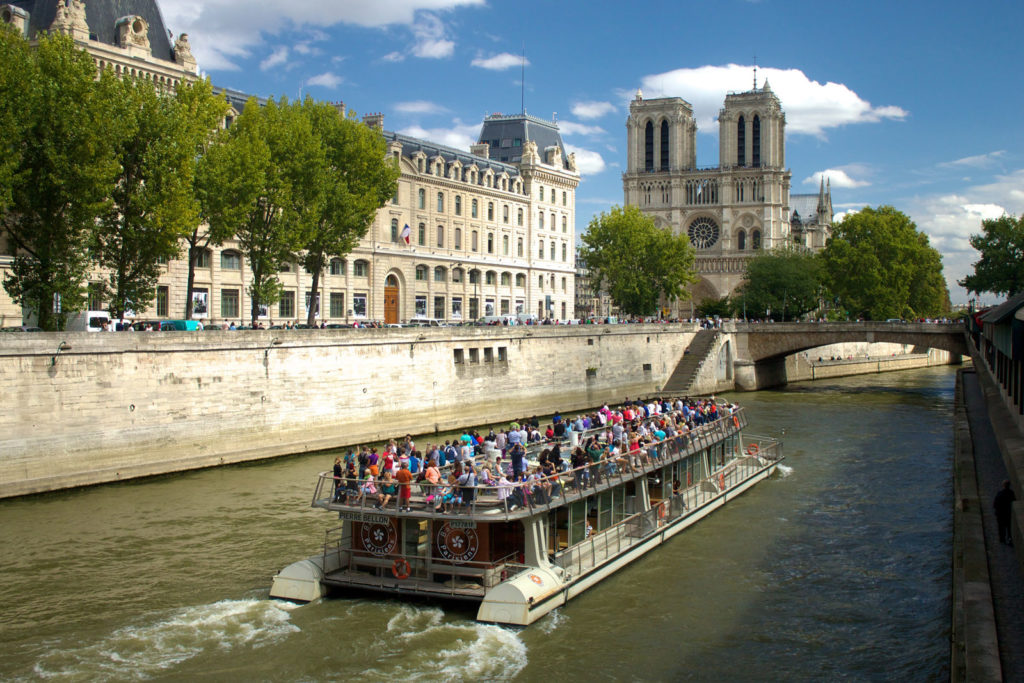
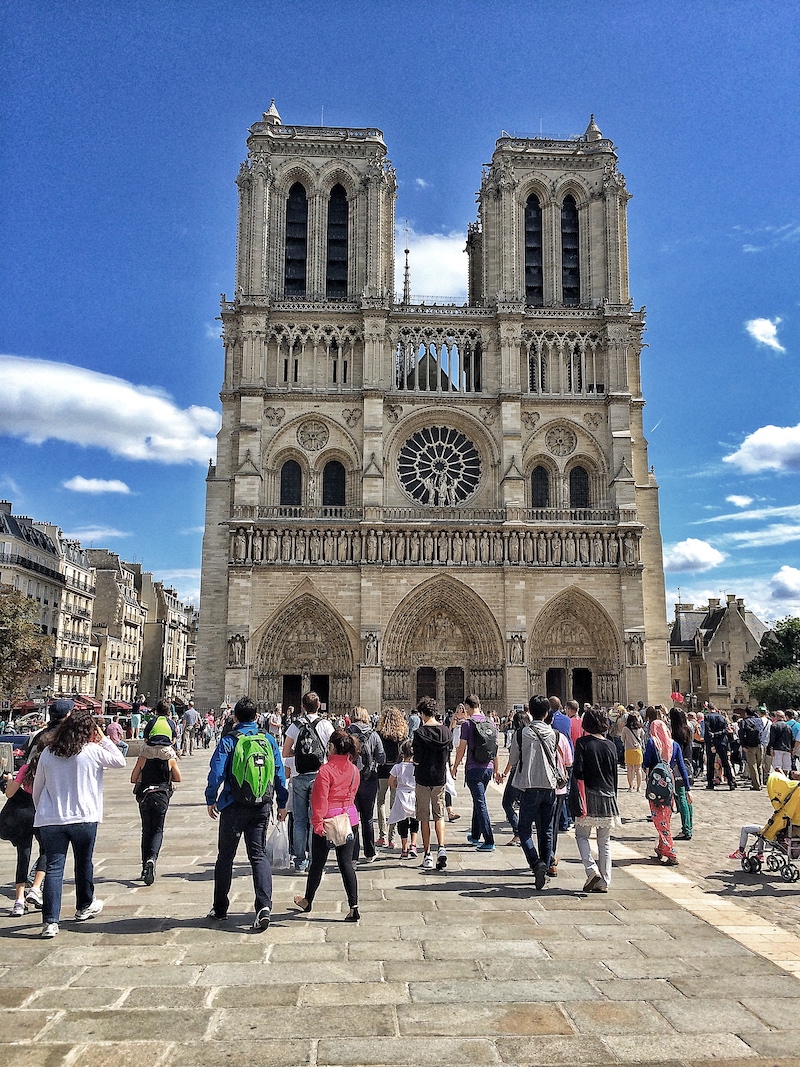
This is my favorite spot in Paris; it just feels like the center of the world. I didn’t think I’d have time to make it down here from Canal St-Martin on my way back to the airport, but I actually had plenty of time to metro down to the cathedral and wander around Ile de la Cite.
#parislayover stop 6: I never can miss Notre Dame, even with only a few hrs in Paris #travelpics
Stop 7: Seine
Before taking the RER back to CDG, I took a walk along the Seine and watched the boats. Hopped on a 3:30 train back to the airport, picked up my bags, and had plenty of time to check in for my 6:50 pm flight.
You can’t go to Iceland without seeing the Blue Lagoon. Partially because it’s one of the country’s biggest must-dos, and partially because it’s so close to the airport that it’s just silly how easy it is to squeeze in before or after your flight.
I spent the morning at the Blue Lagoon before flying home from Reykjavik. I booked transportation through Reykjavik Excursions (the company could work on its customer service but it’s the easiest when it comes to booking online/planning ahead). I left Kex Hostel in downtown Reykjavik at 9:30 am, took a transfer van to the main bus terminal. From there I boarded a coach and set off on the drive to the Blue Lagoon – about 50 minutes from the city. The bus promised free WiFi, but it didn’t work.
Upon arrival at the Lagoon (you don’t see much except black volcanic rocks at first) there’s a place to drop off luggage. Costs about 500 ISK per bag. There are lockers inside, so check your bags here, but keep a smaller bag with you.
After checking your bags, continue into the Lagoon complex — you’ll get a glimpse of the electric blue water but not the lagoon itself.
This is important: buy tickets in advance!! You’ll skip the big line. It’s easy online and there are a lot of different combos. I bought the standard package (35euro) a few weeks in advance, then added on a robe (10 euro) when I checked in — so don’t worry if you want to upgrade once there. I also booked an in-lagoon massage and transportation in advance, all via the Blue Lagoon website.
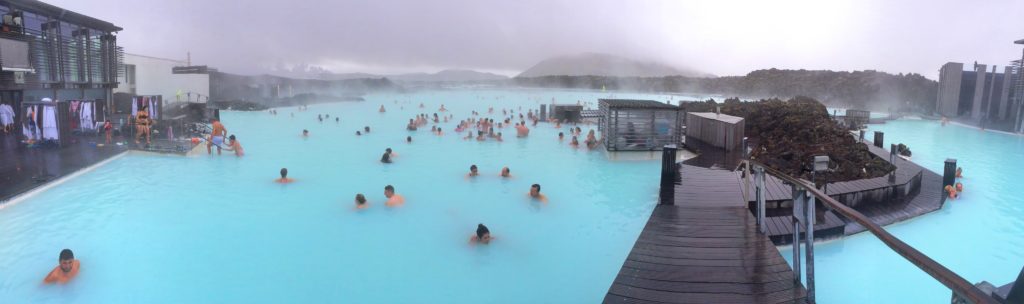
Blue Lagoon panorama
When you check in you’ll get a digital wristband, then you go inside and get a locker. The wristband is used to lock your stuff in said locker. I recommend bringing your own flip flops, hair brush, and a small plastic bag to carry a camera out to the lagoon with you. (There were no pockets in the robe and I needed to get my Instagramming in, so I got creative and tied my iPhone in my robe sleeve using the robe’s sash to hide it there while I was actually in the water. A bag would’ve been much easier!)
After you find a locker, you continue to the locker room’s showers. You’re supposed to shower without your swim suit on, though a few people kept theirs on. Ladies — it’s recommended that you load up your hair with conditioner before getting in the lagoon, as there are a whole lot of minerals in there that don’t play nice with hair. I did that, but it still took 4 days of deep conditioning after my swim to smooth the kinky curls out of my normally straight hair, so I say go skip the cond and go with a shower cap to just save your hair the trouble.
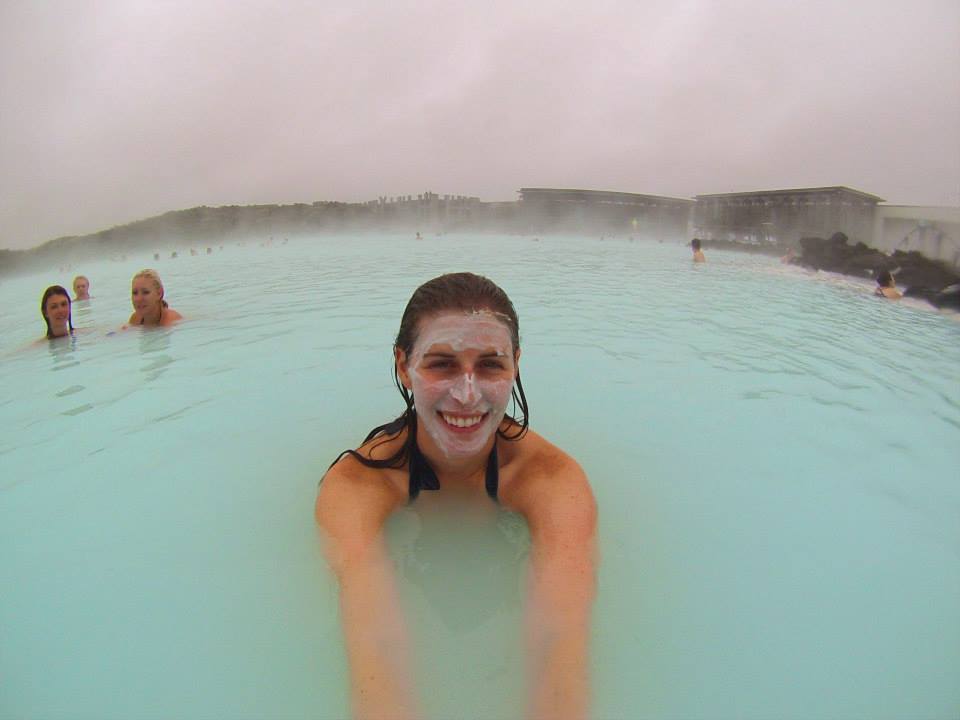
Head out to lagoon area — the ground can be chilly and slippery, which is why flip flops are ideal. Hang your robe on the racks of hooks (it reminded me of a ski chalet where everyone parks their skis), then… get in! It’s very warm. To the right there’s a bar (don’t worry about money, you just use your wristband to charge stuff and pay when you check out). There are a few small bridges you can swim under. Along the sides to the left/back are silica mud pots — slather it on the give yourself a facial. It’s free. (Some packages also offer an algae mask, but most people just were using the free stuff.)
Free silica mud mask
To the left there are steam rooms, a warm waterfall you can stand under, some nooks, and a water massage area.
Near the bar a Lagoon employee makes the rounds taking pictures (for free). He emails them to you so you don’t have to bring your camera in the water. (I brought in my waterproof GoPro but was surprised how many stupid people had their pricey DSLRs in there with no protection.)
I swam around and got a beer at the bar, then put the gray-blue mud on my face. After about a half hour in the water, I moved over to the spa section and got a massage. It was simultaneously wonderful and weird. You float on a soft foam pool raft and are covered with a blanket. The masseuse occasionally dips you under water to keep you warm. It feels like you’re getting a massage in a giant warm bath, but since there’s no resistance from the water and the raft makes back access difficult, it can feel awkward when the masseuse reaches back there.
The steam rooms near the massage pool are small but weren’t very crowded. There’s also an upstairs relaxation room, which is quiet — actually for a major tourist site/bar/place with kids the whole lagoon was surprisingly quiet.
At 1 pm I went back inside, showered, dumped the robe, and put on my clothes. Checked out and paid balance (I had paid about $192 up front for the bus, entry, and massage, so the remaining $20 or so covered the beer and robe). There can be a line to get out of the locker area, but I lucked out and had extra time, so checked my email using the hotspot in the cafe. You can also walk up to second level where there’s an outdoor photo viewpoint.
On the way out, I walked through the very pricey gift shop and went to pick up my luggage. Got to the luggage check about half hour before the bus was supposed to leave so had some time to check email and charge my phone in the one wall outlet while I waited.
My flight was leaving Reykjavik at 4:50 pm so I took a 2:30 pm bus from the Blue Lagoon to KEF. The ride took about 20 minutes.
Going to Iceland? Do not forget your camera. This is one of the most photogenic countries out there, with stunning volcanic landscapes, epic waterfalls, colorful houses, geysers, wildlife and more.
Here are some photos from my trips to Iceland that capture why this is one of my favorite places to travel.
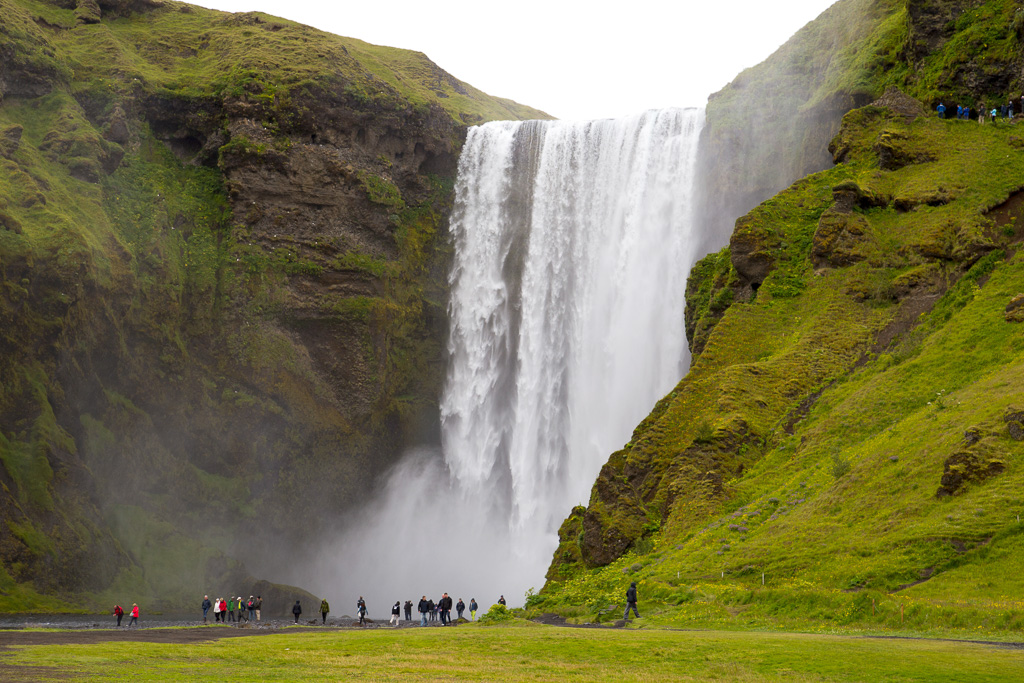
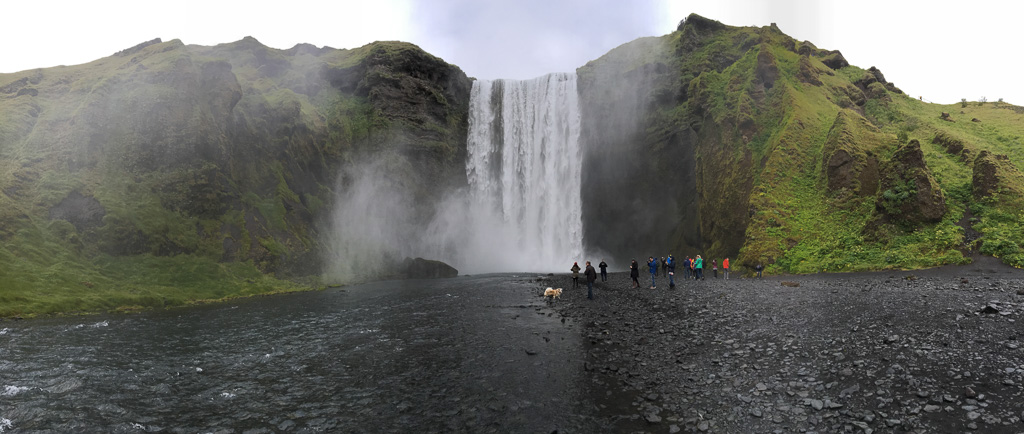
You can walk right up to powerful Skógafoss on Iceland’s South Coast.
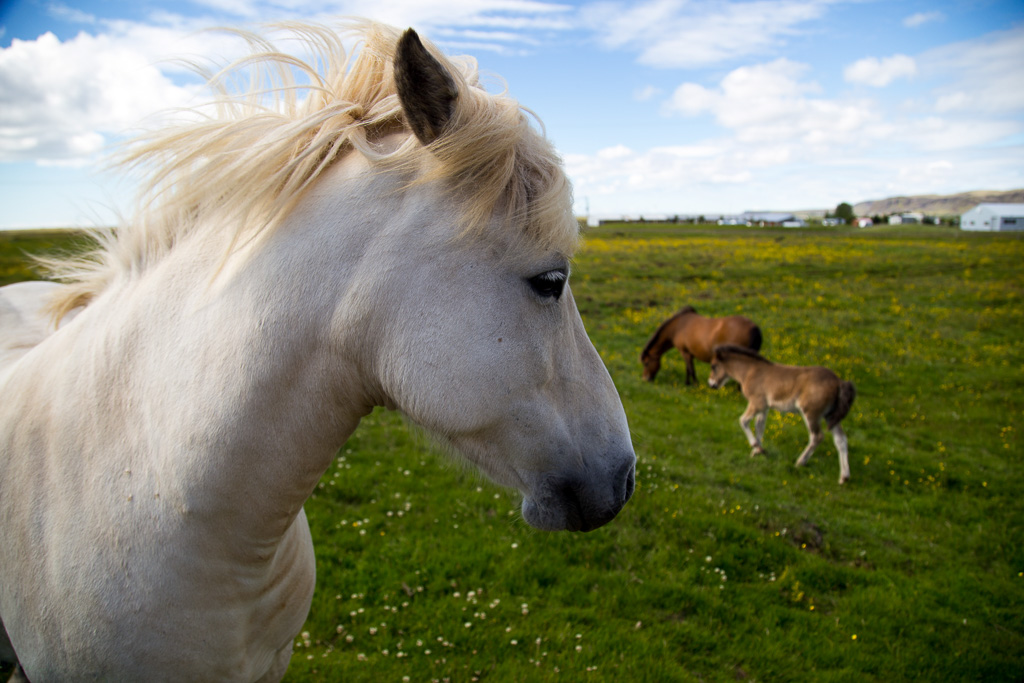
Driving around the island? Pull over to say hello to the Icelandic horses.
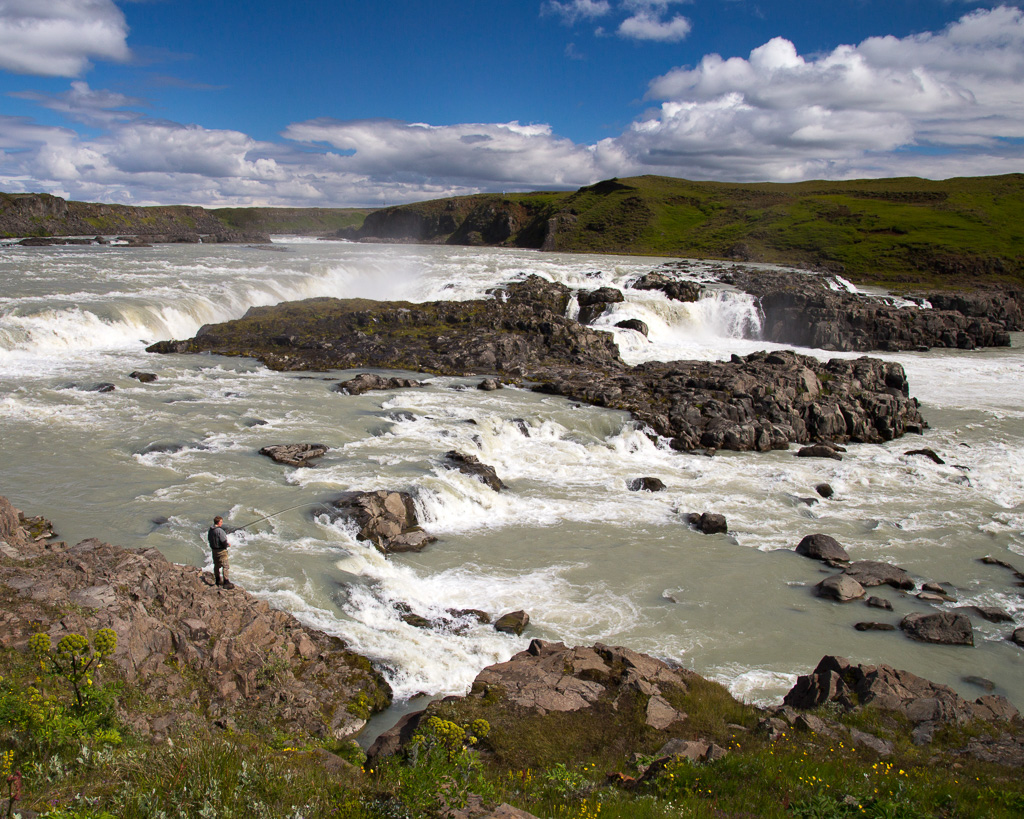
A man fishes at a waterfall on Iceland’s South Coast.
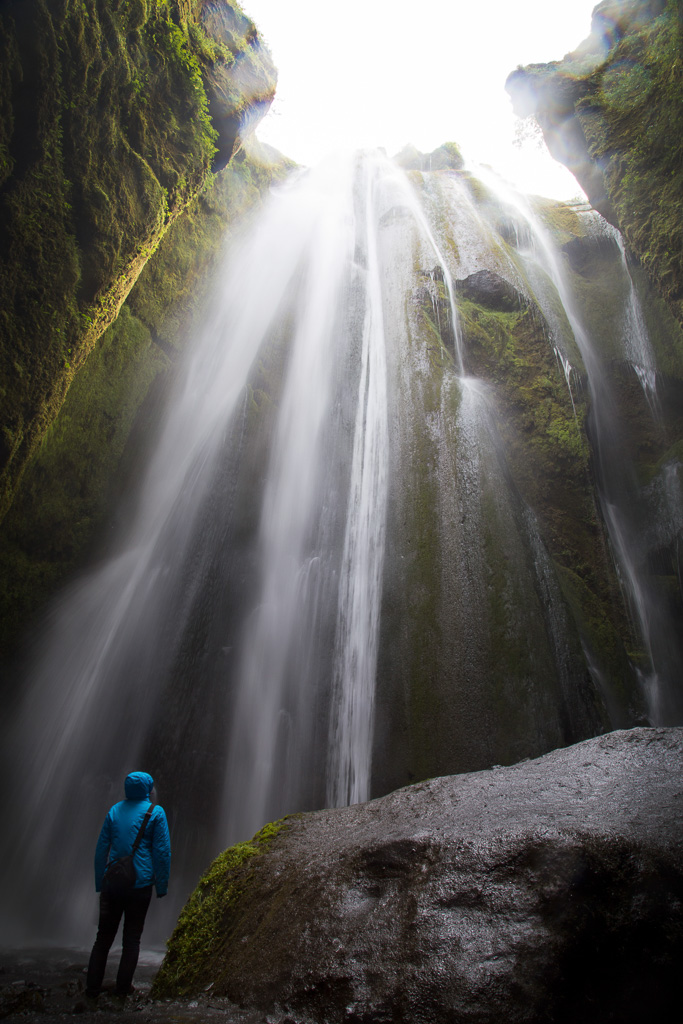
You’ll have to scramble behind a rock face to find the hidden Gljúfrabúi, a waterfall near Seljalandsfoss.
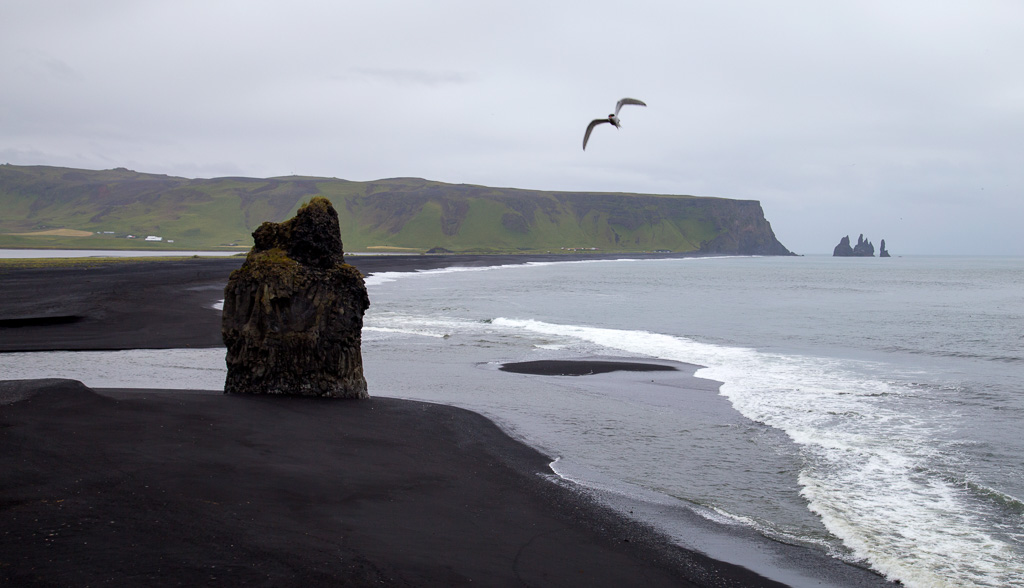
Reynisfjara, a black volcanic sand beach with massive sea cliffs near Vik on Iceland’s South Coast.
People gather at the base of Skógafoss.
Iceland’s top tourist attraction, the Blue Lagoon, is an easy stop on your way to or from the airport.
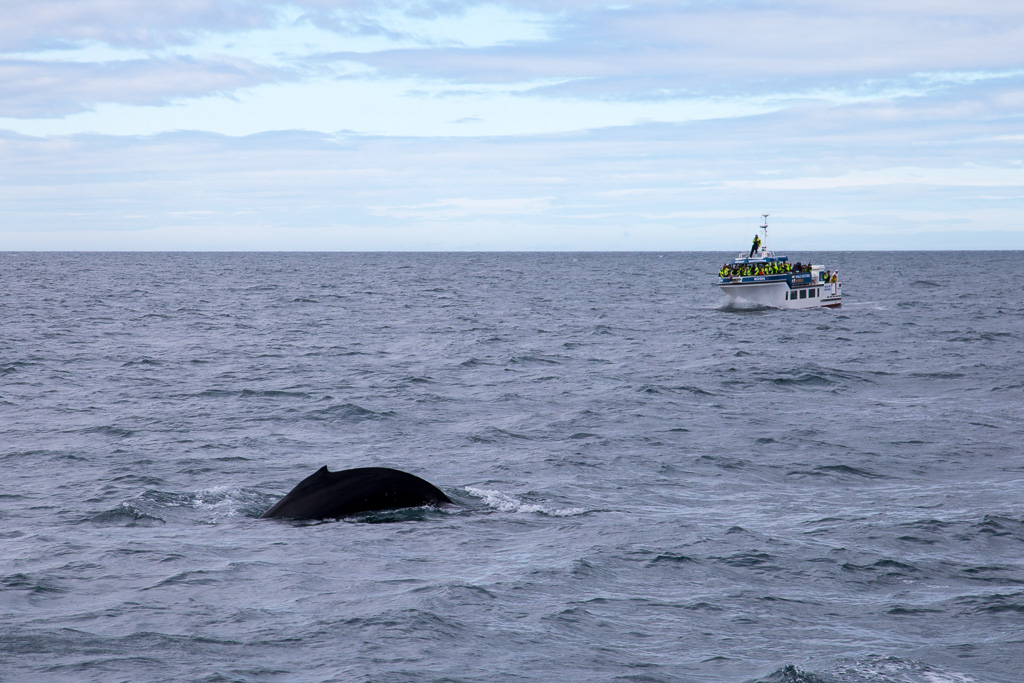
Whale watching tours leave daily from Reykjavik.
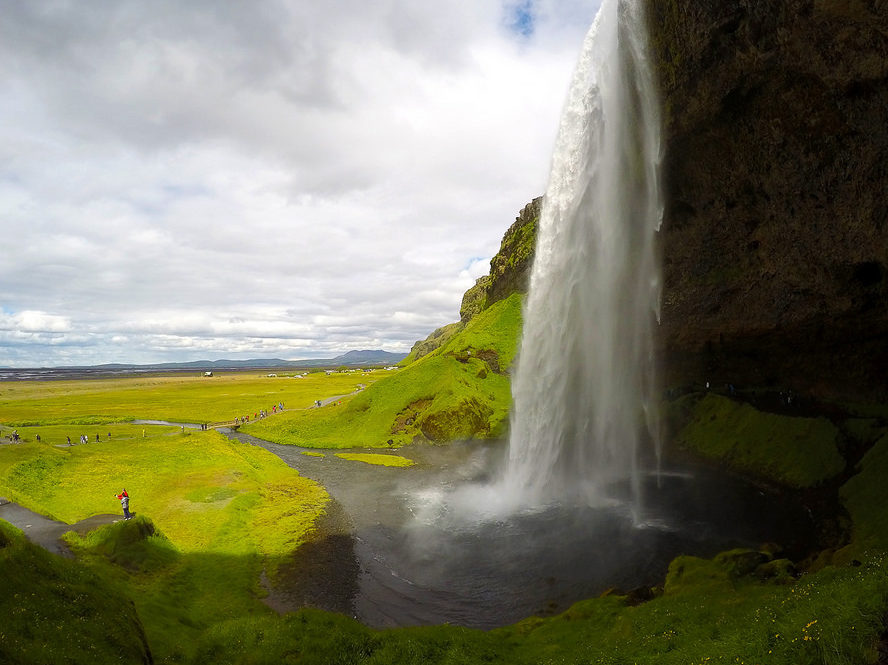
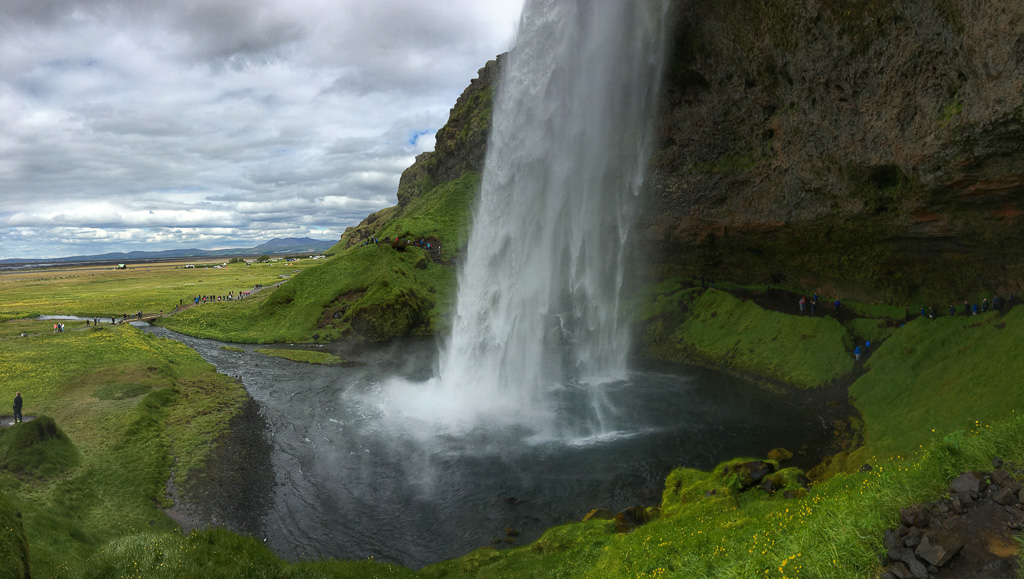
Seljalandsfoss is one of Iceland’s most spectacular waterfalls.
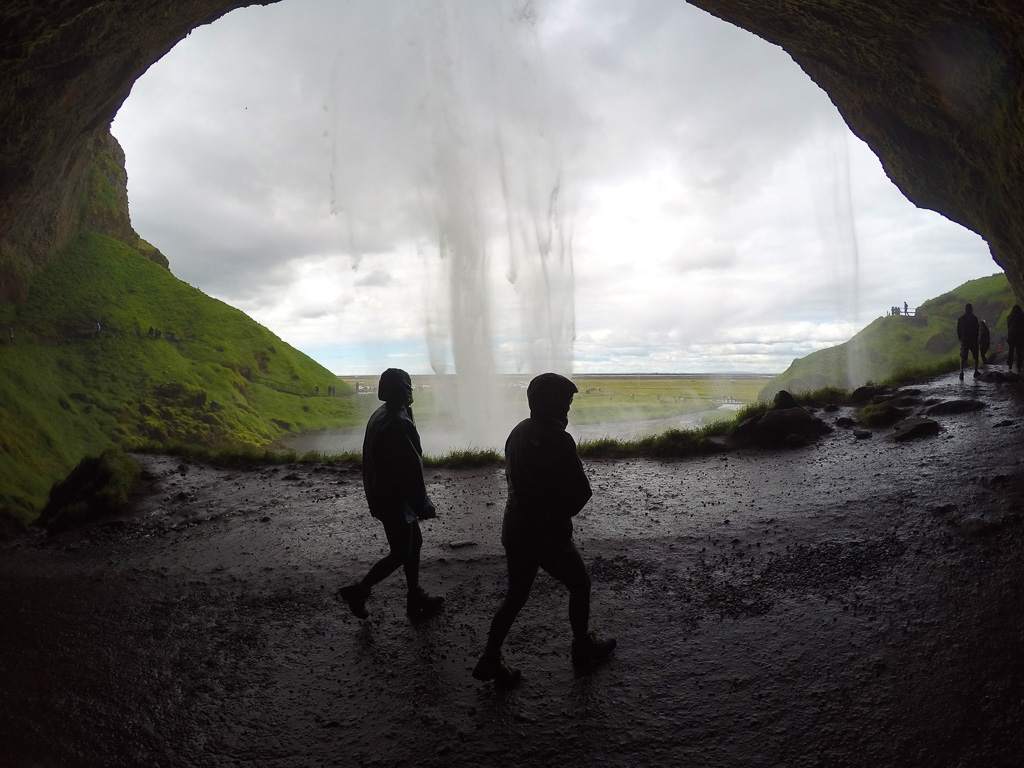
A view from behind Seljalandsfoss — you can walk all the way around the falls.
In late April/early May I took a family vacation to Portugal—a multigenerational trip for my grandma’s 80th birthday. Here are my (rough, unedited) notes on what I did:
How I Got There
United flight from Newark: it was a small plane for an overseas flight; just 3 and 3 seats.
Where I Stayed
Lisbon
Portuguese Soul: A 5-bedroom apartment that can sleep up to 15 people near the Saldanha metro station. The owner is a local artist and each room is beautifully decorated with its own themed artwork, such as a full-wall line sketch of the Lisbon cathedral.
Douro
Quinta de la Rosa: A working quinta (vineyard) near Pinhao, this place overlooks the river and has a fabulous outdoor terrace where meals are served. Ask for one of the newer suites; there’s a huge difference in quality between these and the rooms in the old house (those are closer to the water, but small and musty).
Sintra
Apartment rental: Another beautifully decorated apartment. The owner of this unit is a photographer, and the walls are adorned with enlarged prints from his shoots at the Lisbon Botanical Garden. It’s about a 10-15 minute walk to downtown Sintra.
Day 1: Lisbon
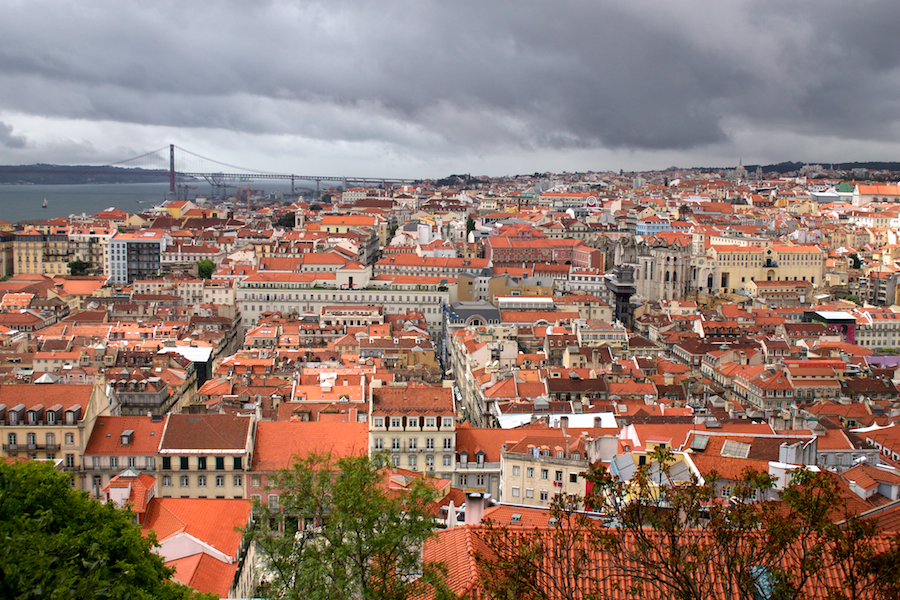
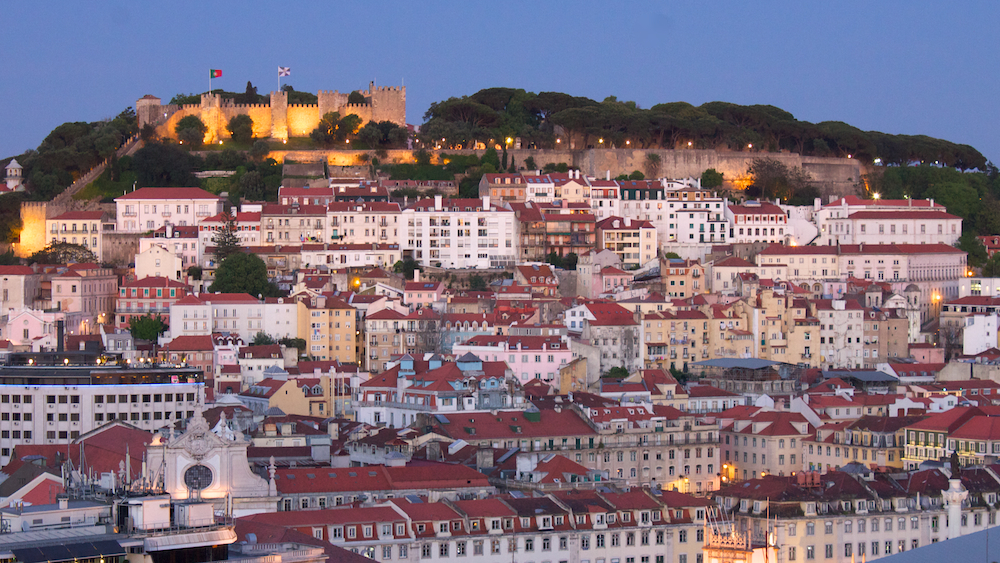
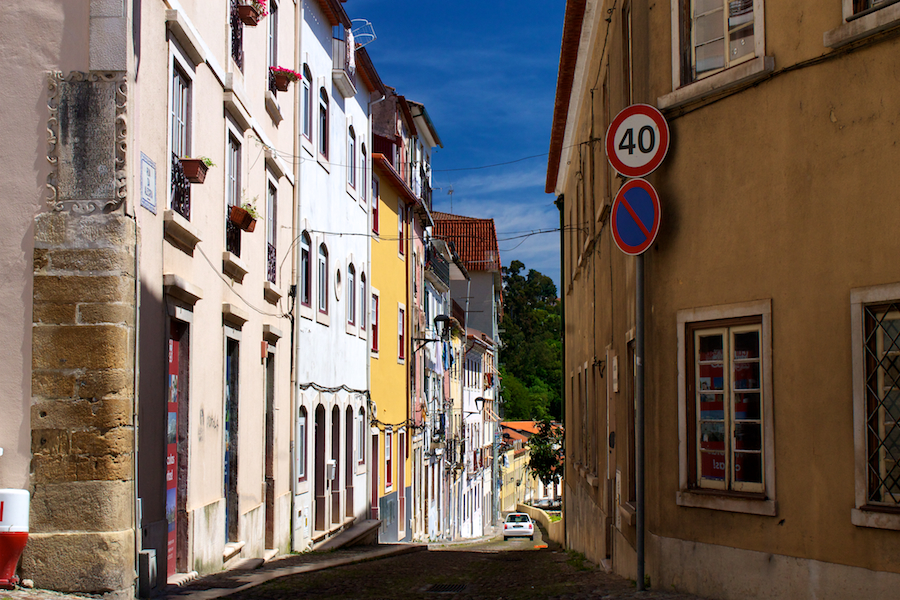
I walked from Saldanha house down Aves Republica and Liberadade, over to Alfama and up the hill to Castelo Sao Jorge. Then walked down the twisty narrow streets and had lunch at a small cafe. Continued the walk downhill to the Se. From there I took taxi to the Tile Museum, though I skipped 3rd floor, which everyone kept mentioning. Did I miss something epic?
Ate dinner at Cafe no Chiado, which served delicious risotto and had a full wall of books—it felt like eating in someone’s library. From there I took a cab to Bairro Alto and bar hopped until 3:30 in the morning, trying cocktails, ginjinhas and Super Bocks at the New Orleans-like bar nooks and street party.
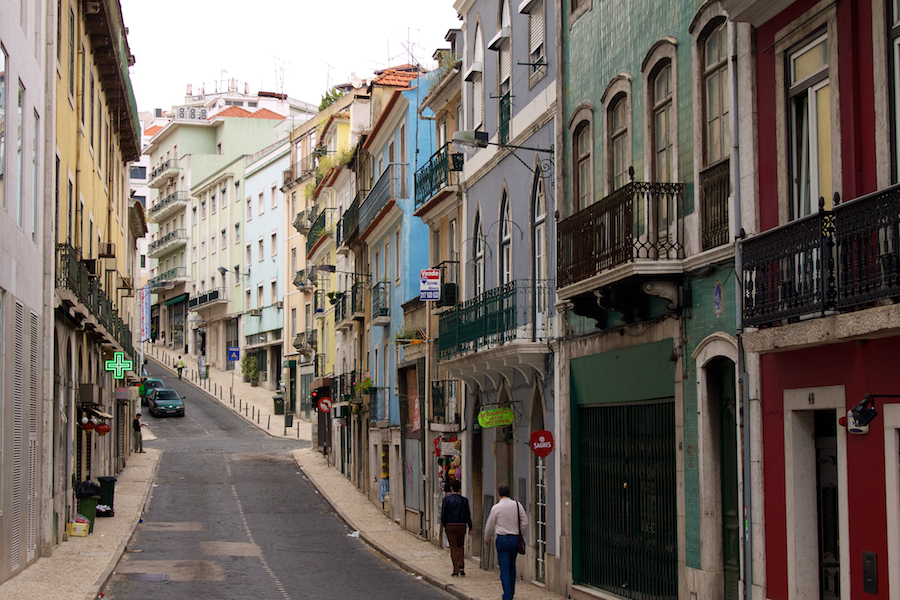
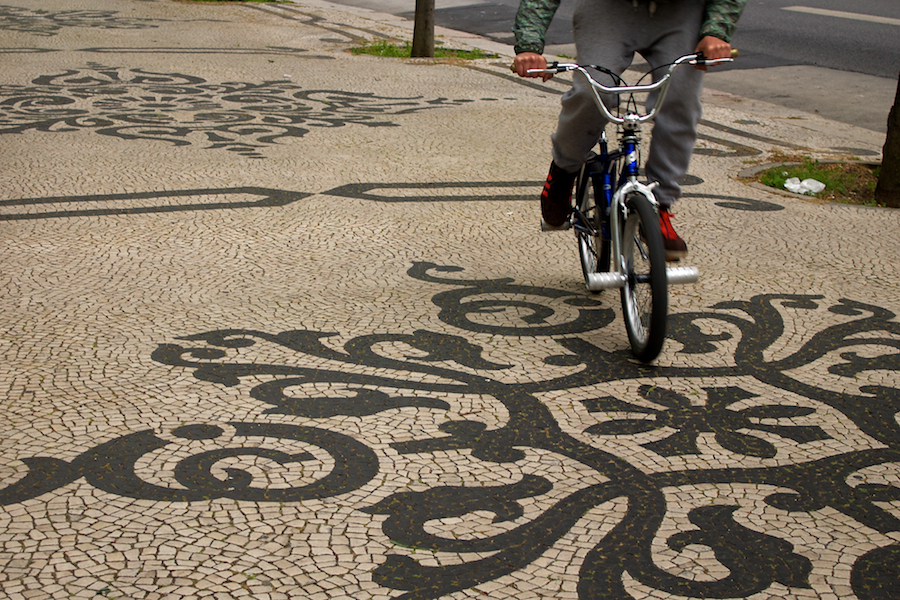
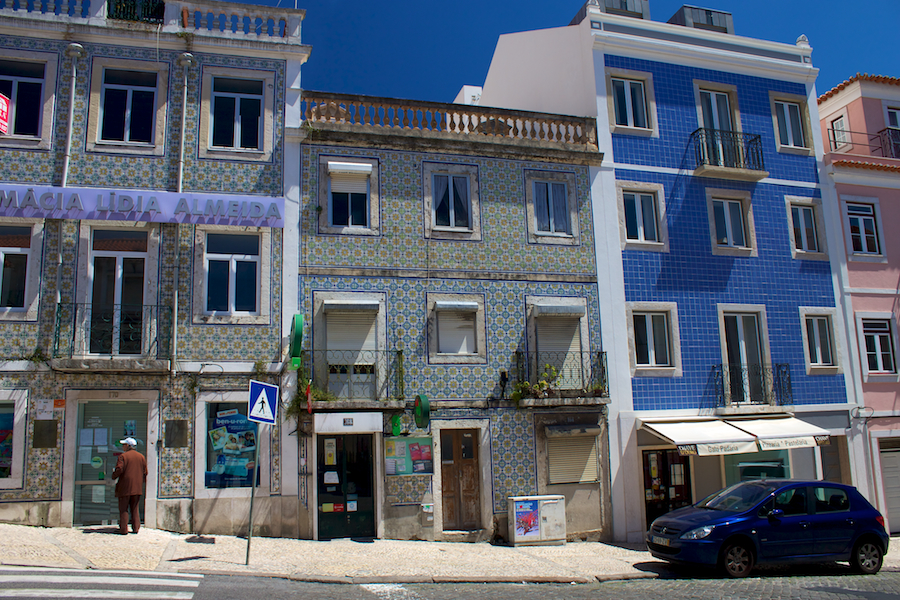
Lisbon streets
Castelo Sao Jorge
Avenida da Liberadade tiles
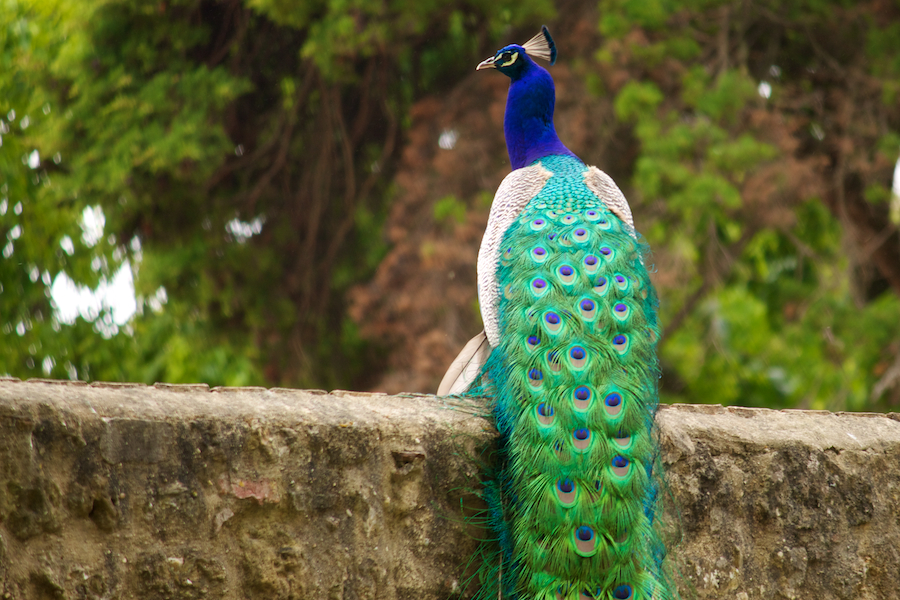
Peacock at the castle
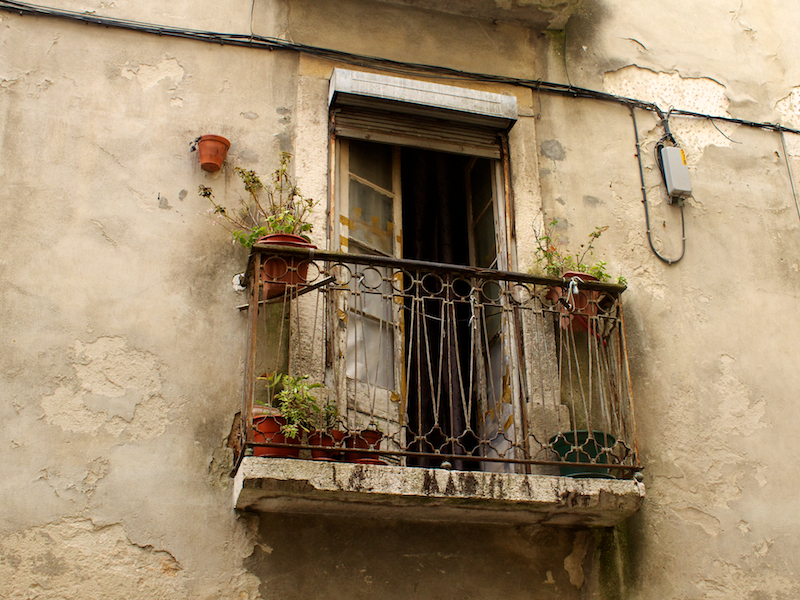
Lisbon window
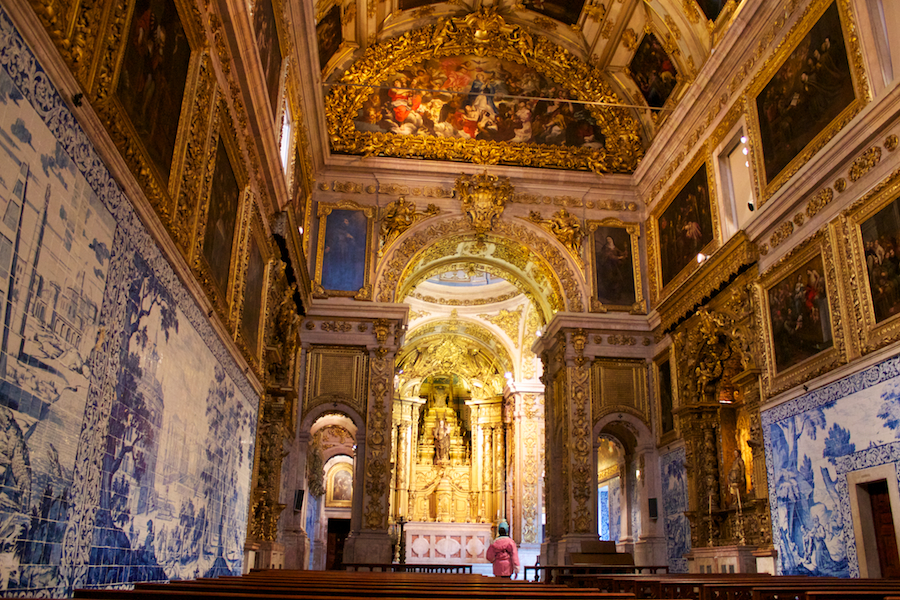
Tile museum
Day 2: Lisbon
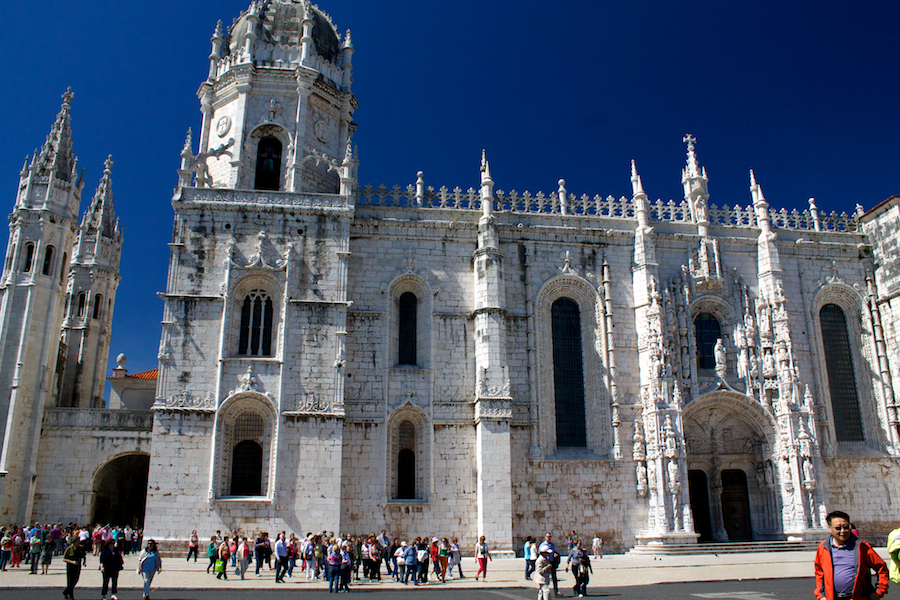
I rode the bus from Saldanha to Belem, a waterfront neighborhood a good 45 minute ride from downtown Lisbon. The previous night’s bar hopping made for a rough morning, punctuated by a bumpy bus. From the top of the hill where the bus dropped off, I walked through a small botanical garden, then down to the enormous Jeronimos Monastery.
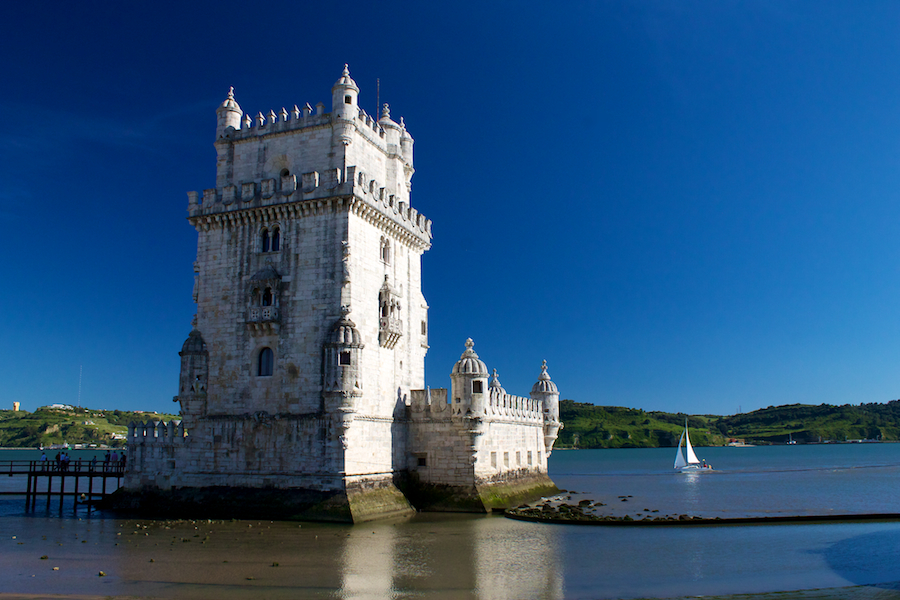
Ate lunch at Banana Cafe, an outdoor to-go spot across from the monastery with surprisingly fresh salads. Desert was pastries from the Pasteis de Belem—I didn’t go inside but it’s apparently tiled beautifully. I then walked along water past the Soviet-like Monument to the Discoveries statue and the stubby little Belem tower from which Vasco de Gama departed.
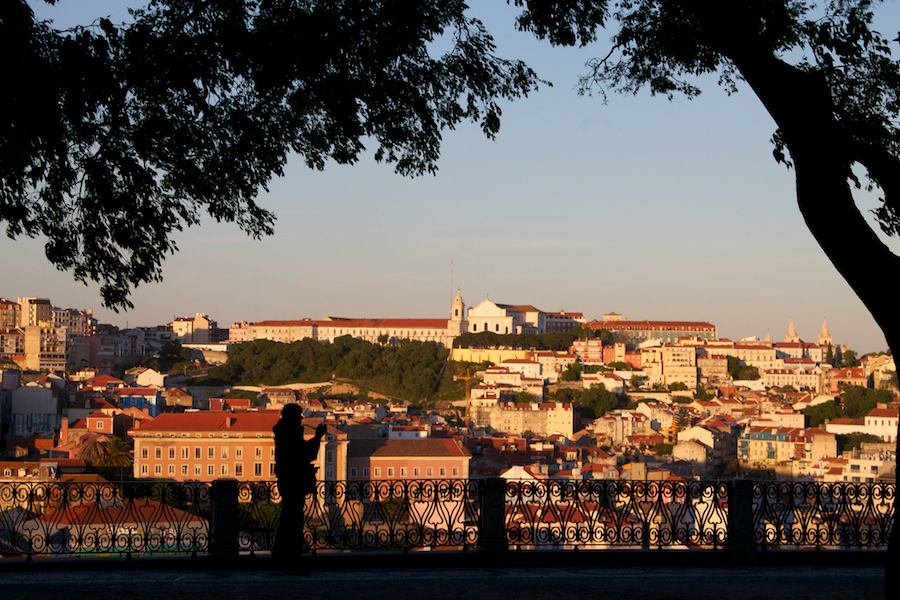
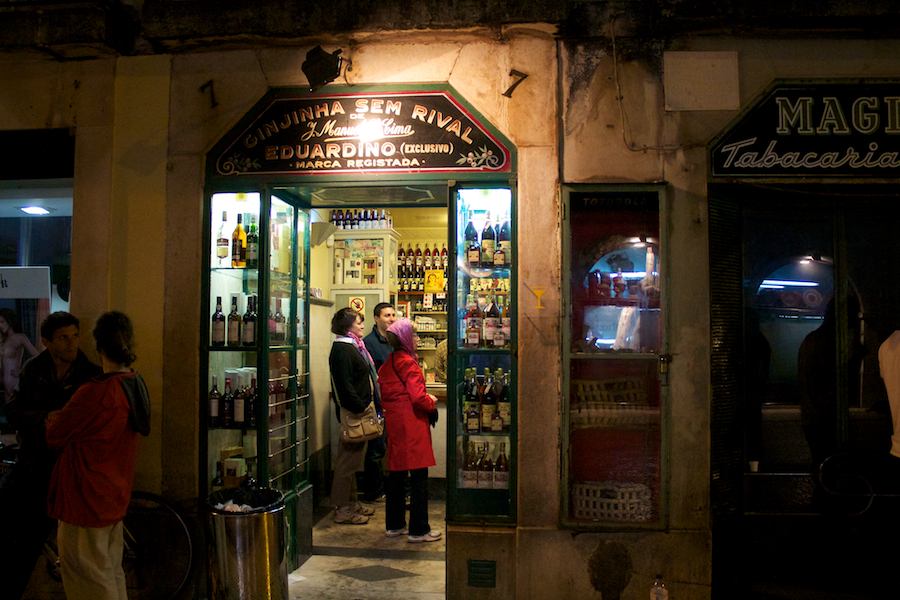
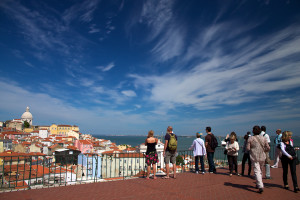
It took a while to find a cab from the Belem Tower. Spent the evening at Miradouro Sao Pedro for sunset and sangria. Walked to Bairro Alto for din at touristy place. Took funicular down to Rossio and had ginjas at Ginjinha sem Rival.
Blue tiled houses in Belem
Monasterio dos Jeronimos
Belem Tower
Miradouro Sao Pedro
Miradouro Sao Pedro
Ginjinhas sem Rival
Day 3: Lisbon
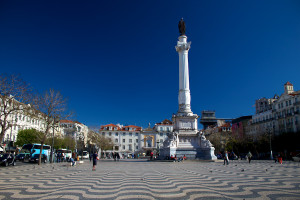
Took the metro to 2nd to last stop on blue line, Terreiro do Paco, and got out in a large square, Praca do Comercio. Ate lunch in a sidewalk cafe right off the square on Avenida Augusta and took the Tram 28 to Miradouro da Graca. Then walked down to Miradouro Santa Luzia, which had a different perspective than the other miradouros (away from the city center) and had a “beerodouro.” Continued walking down through Alfama past the Santa Justa Elevator and to the Restauradores metro stop. Went home to Saldanha via Sao Sebastio; walked to big Soviet-like park with giant Portuguese flag.
Ate dinner at Tagide to celebrate my grandma’s 80th birthday. Located in Chiado, it’s a Michelin-rated restaurant with great city views.
Miradouro da Graca
Tram 28
Miradouro de Santa Luzia
Rossio square
Parque Eduardo VII
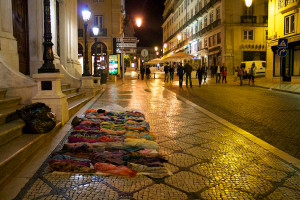
Chiado at night
Day 4: Road Trip – Lisbon, Obidos, Nazare, Aveiro, and Douro
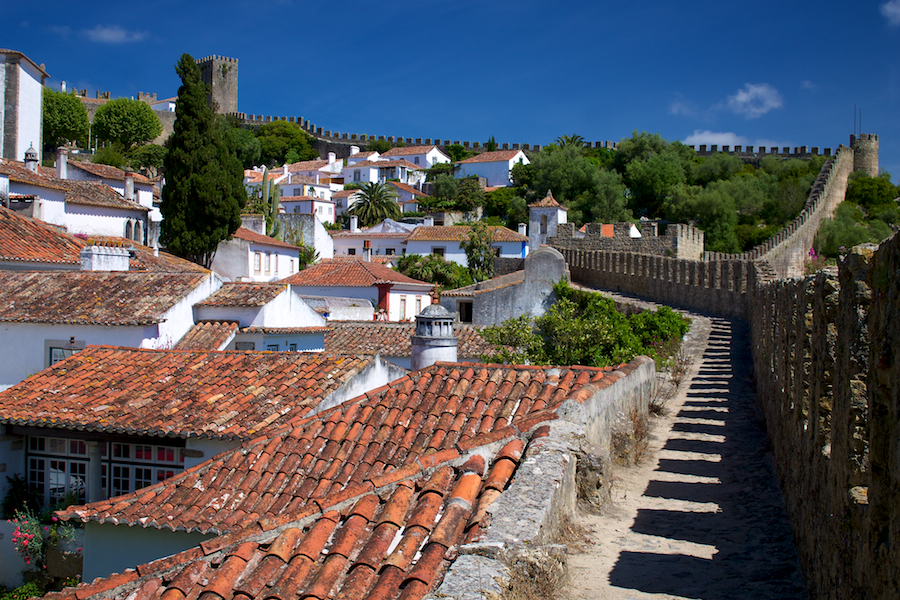
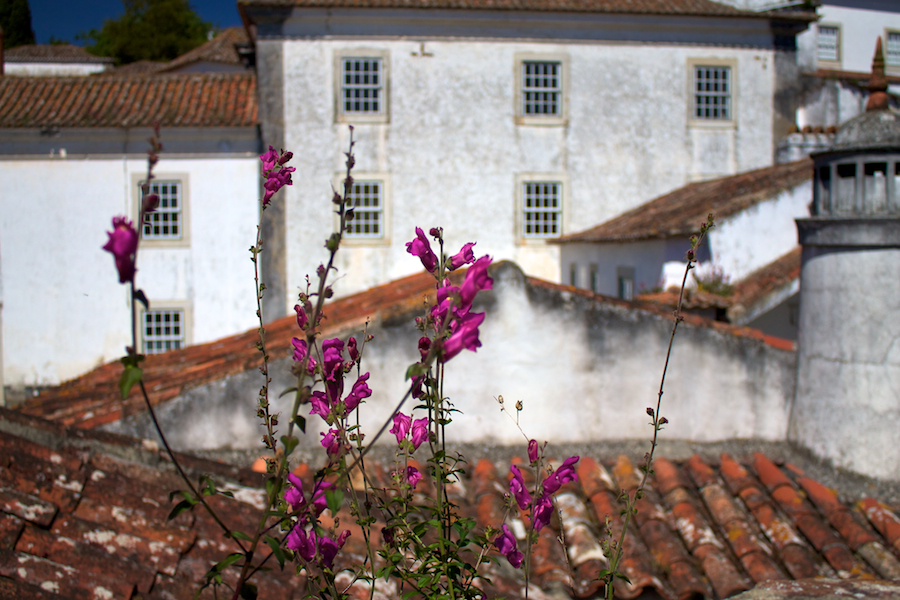
Drove from Lisbon to Obidos, about an hour away. It’s a well preserved walled medieval town; you can climb the walls and walk around the perimeter. Ate lunch at a shady outdoor cafe near the church. Gihnjas de Obidos, the must-try cherry liqueur show served in a chocolate thimble are from here, and there are plenty of bars with tables outside serving the drink. There are also vendors with art, cork bags and other souvenirs, but the town escapes a total “tourist trap” feel.
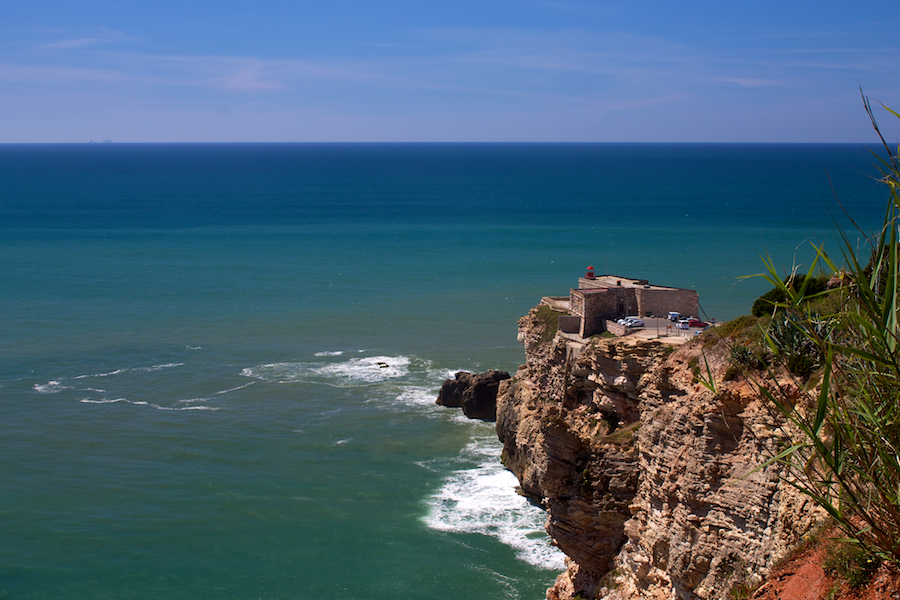
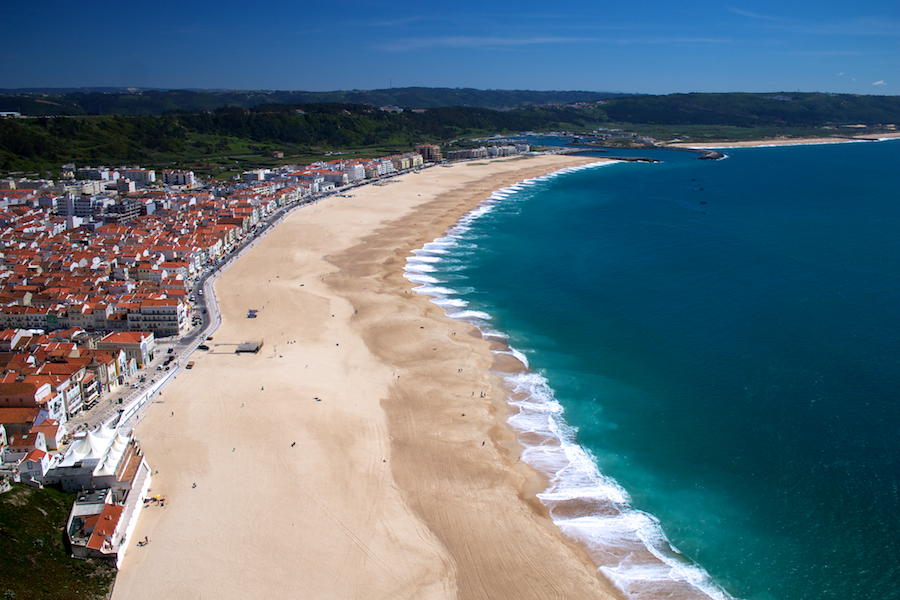
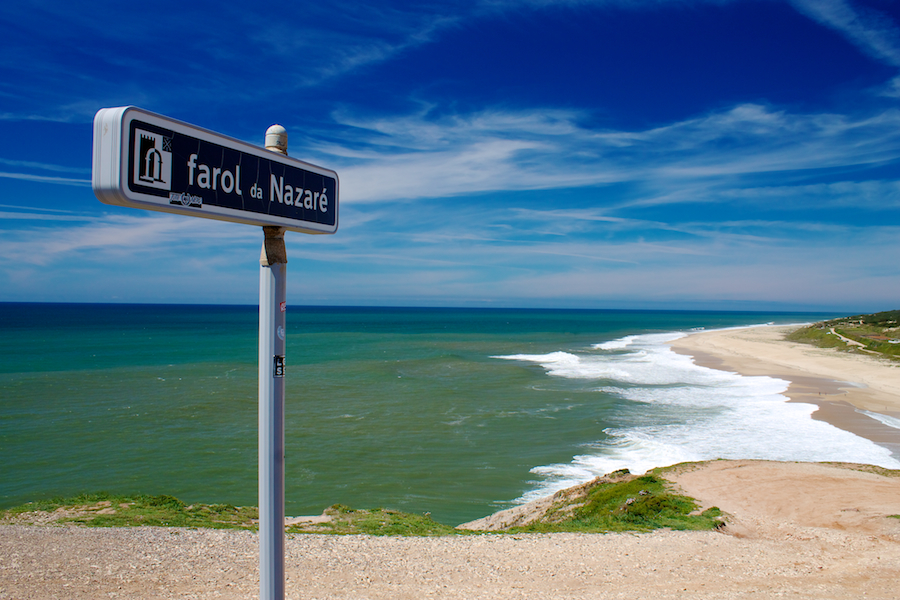
From Obidos I drove to Nazare, about 30 minutes away. I got out at an overlook near the Farol da Nazare and hiked down the hill to the lighthouse point. This is where, when conditions are right, the some of the world’s biggest waves ever surfed break. There’s a beautiful deserted beach on one side, and while it was flat the day I was there, there are signs detailing the surfing feats that have happened here. I then went back up to the little town center, where a miradouro overlooks the main Nazare beach. You can’t see the lighthouse from town, so you have to walk or drive down (careful, it’s windy).
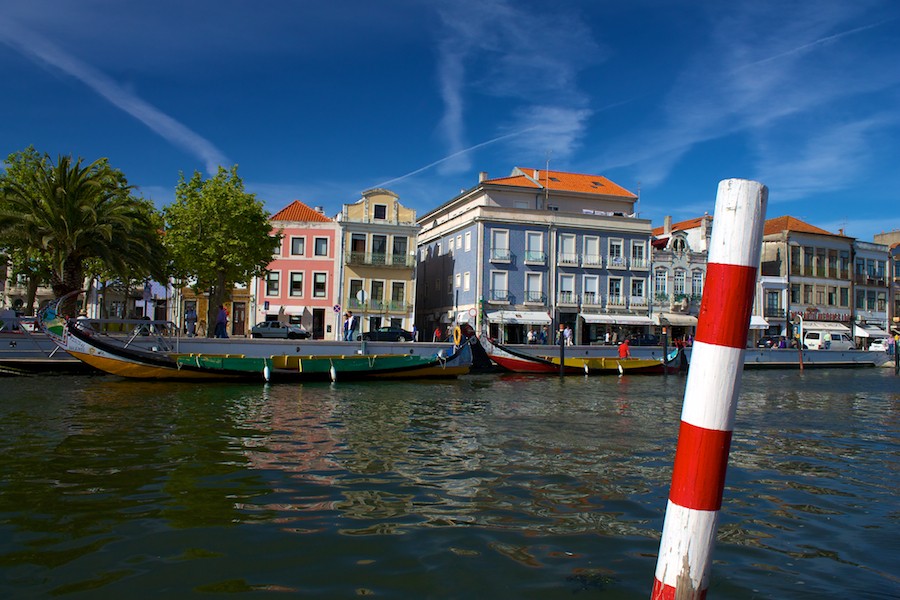
About 2 hours’ drive from Nazare is Aveiro, known as the Venice of Portugal. Honestly, there’s not much here for a quick visit. I got some pretty pictures at the one canal I saw, but it felt both touristy and shabby. I don’t know if there’s an actual purpose for the canals. ATMs worked here at least; had problems using the ones in Lisbon.
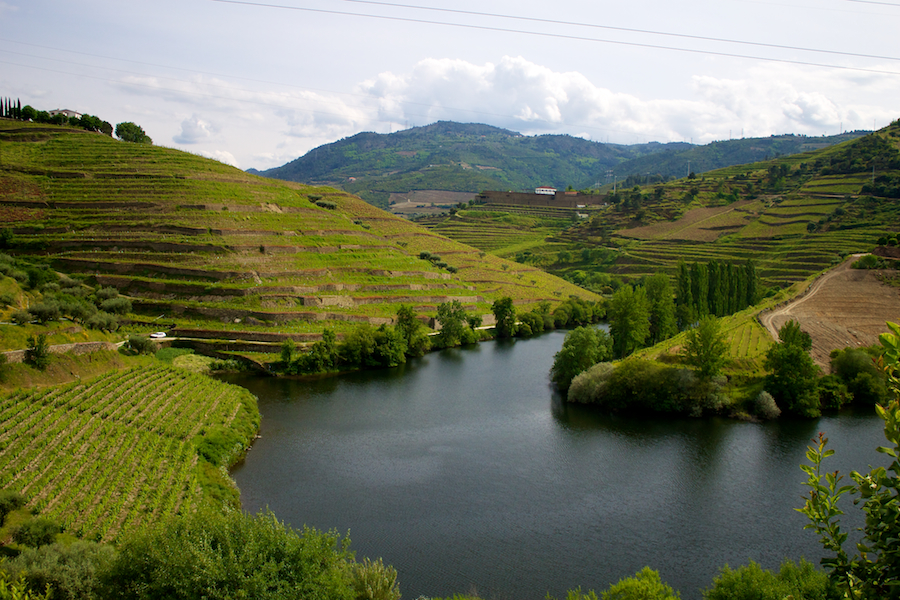
From Aveiro it was on to the Douro. When I reached the valley, rain clouds were rolling through, with patches of light shining on terraced vineyard hills and a green river. Once you get into quinta country you’ll be on a super windy cliffside roads that are very narrow.
Got to Quinta de la Rosa just in time for the communal dinner. There was only one dish/menu served; not a lot of choice for picky eaters (my plate of shredded cod and potatoes went untouched). But the wine and port is served liberally!
Obidos
Obidos
Nazare
Nazare
Nazare
Aveiro
Day 5: Douro
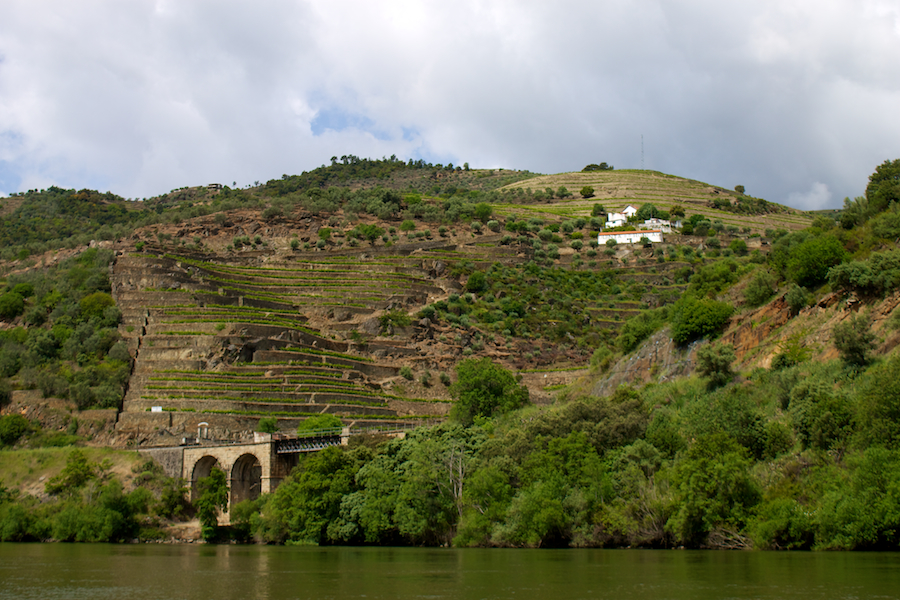
Started the day with a private boat ride on Douro, departing from Pinhao (a 5 minute drive down the hill from Quinta de la Rosa). We passed quintas, terraced hills, and only one other boat—it was very peaceful.
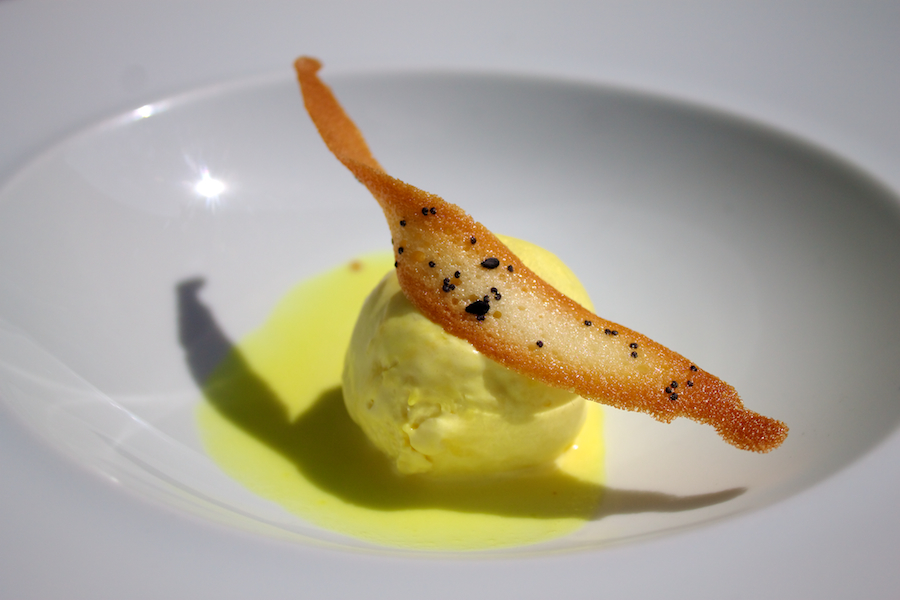
Then drove to Restaurante DOC, a food temple on the river. The service, setting, and food was all wonderful. I loved the pop rocks mini dessert and the fact that one of the tasting menus is called an “olive oil menu.” After lunch I went to Quinta do Tedo and sampled some red ports—you should call ahead to quintas to reserve a time to visit, it’s harder to just walk in.
That night I had dinner in Pinhao, a river cruise port town that was dead at night (only one river cruise ship was docked tonight, and the passengers stayed on board). Ended up eating at a family spot, Adega Grande Porto. Again, one meal on the menu, but LOTS of it: huge carafes of wine, and pork, sausage, lamb, Port soaked cake, Port tasting glasses, etc.
Douro
DOC
Douro quinta
Day 6: Road Trip – Douro, Coimbra, Sintra
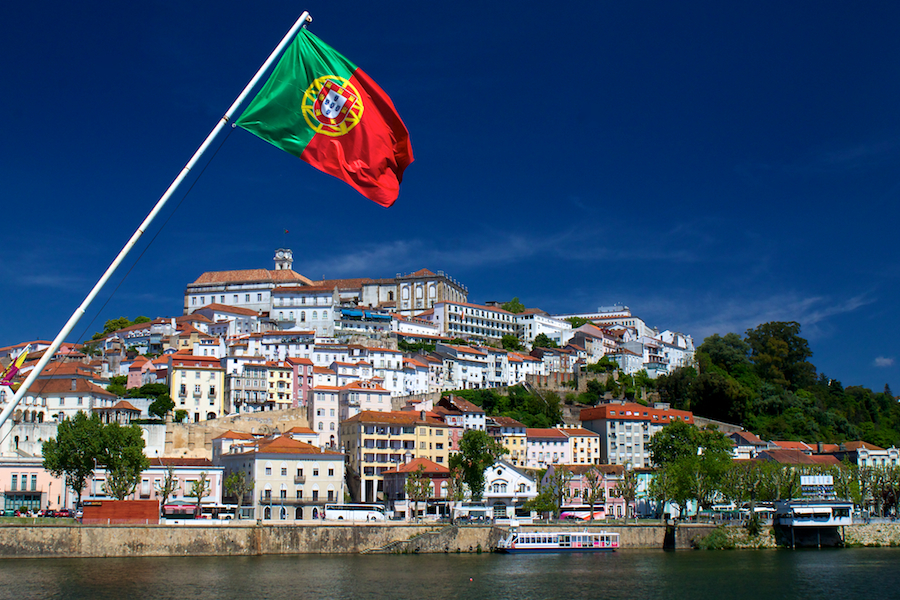
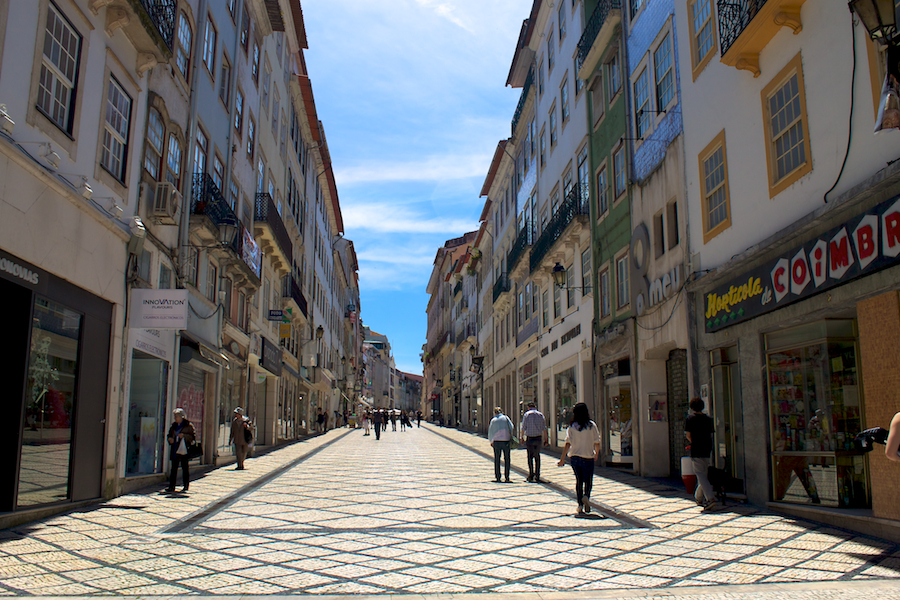
Drive to Coimbra from Douro (2 hrs or so). It’s a medieval/university town, an odd mix. Lunch at Cafe Santa Cruz, a restaurant built out of part of the adjacent church. I then spent an hour or so walking around the town and across bridge for city views. I then meandered up to the university but left without finding good views.
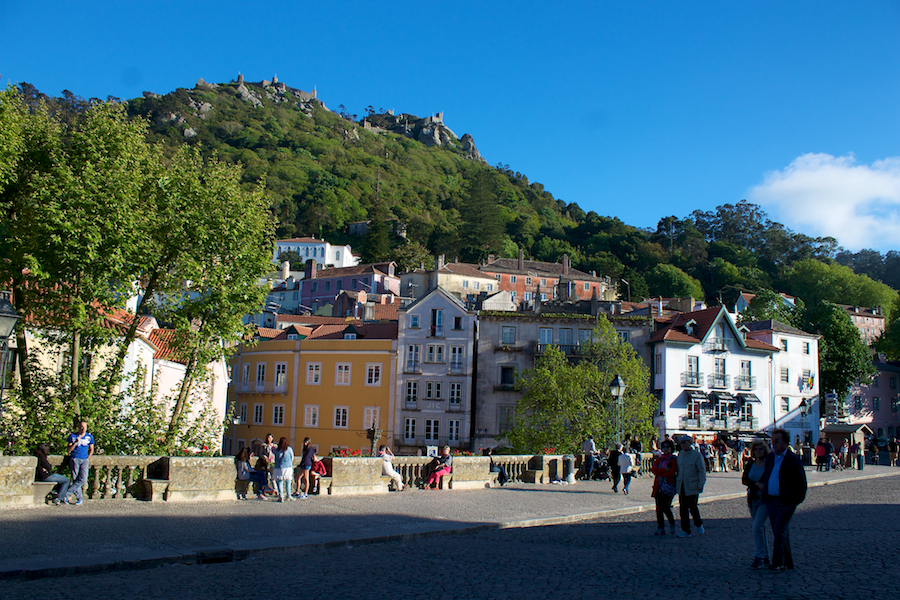
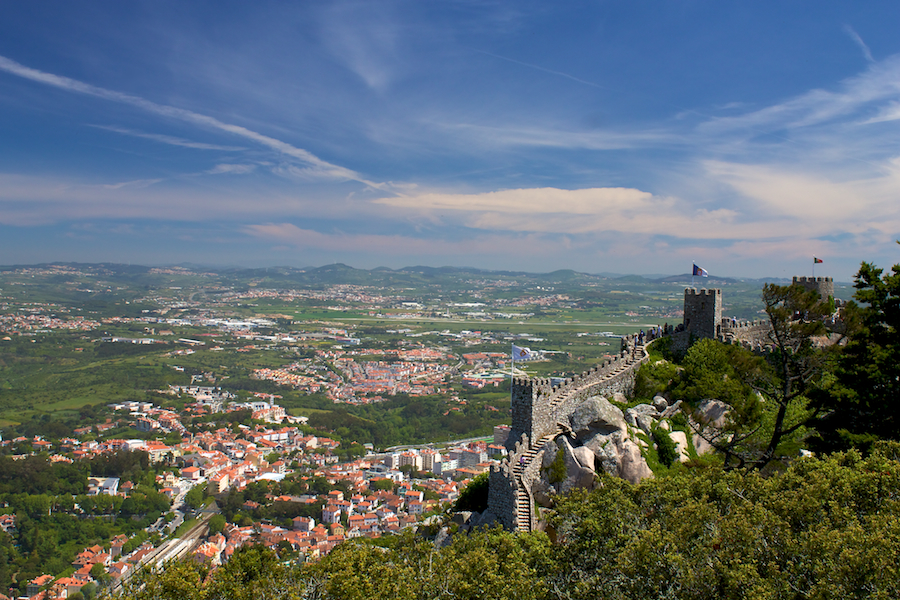
I drove 2 more hours to Sintra, playground of palaces about a half hour from Lisbon. You can see the Moorish Castle atop the hill as you drive in. I walked into town and had a large drink at the centrally located outdoor patio at Hockey Cafe. A short walk away from the main square is a quiet miradouro; I sat here and watched the sunset. Had dinner at Ristorante Alcobaca, which had a large shark figurine hanging out front. After dinner I got a drink at the bar across from the Sintra National Palace.
Coimbra
Coimbra
Coimbra
Moorish castle above Sintra
Day 7: Sintra
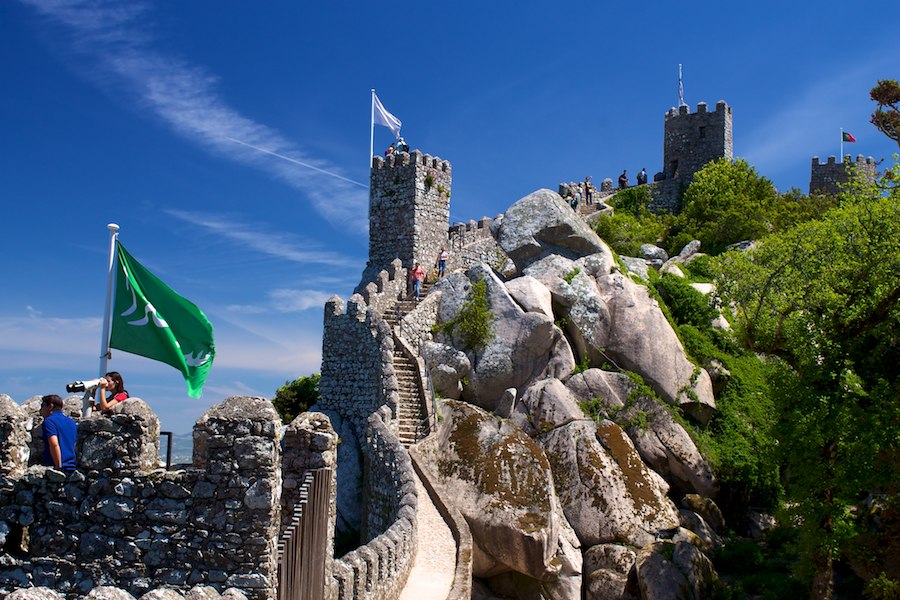
From Sintra, I walked up to the Moorish Castle. It was a long, hot walk up—so many stairs. It’s a cool open air fort, with a lot more stairs. There were long lines to the Pena Palace by bus so I walked through the woods, which took about 10 minutes. Tip: go to the Moorish Castle first and buy tickets for both sites there; it’s cheaper and will save you a long wait in line at Pena.
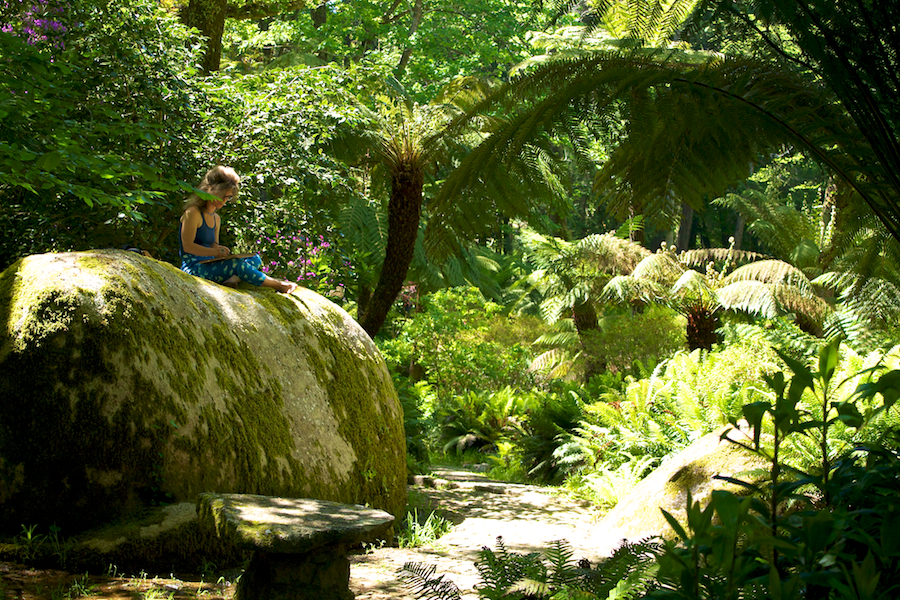
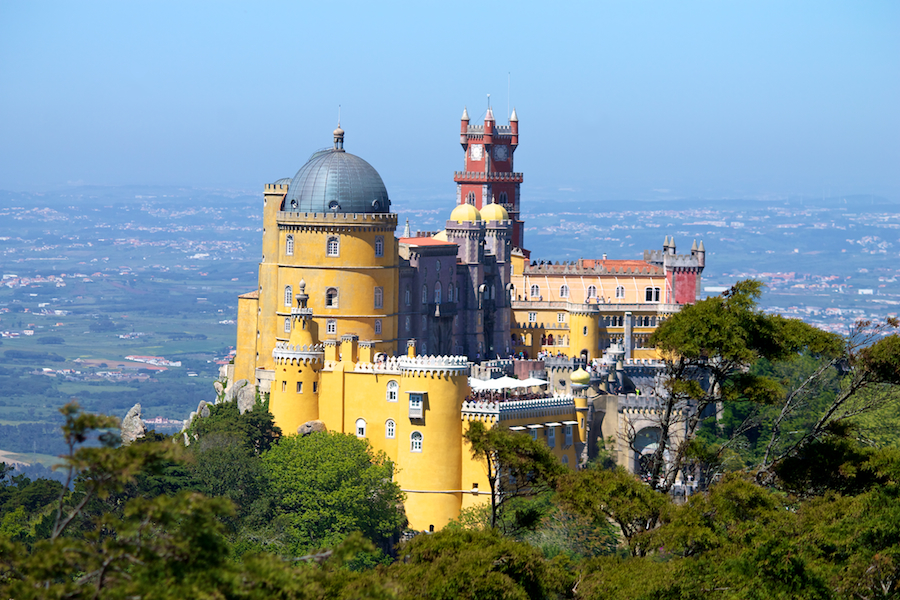
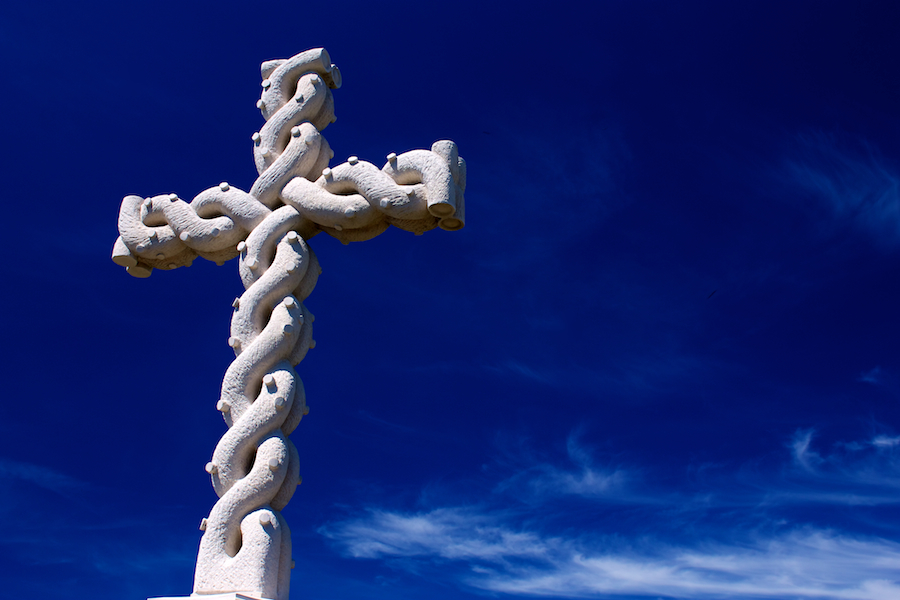
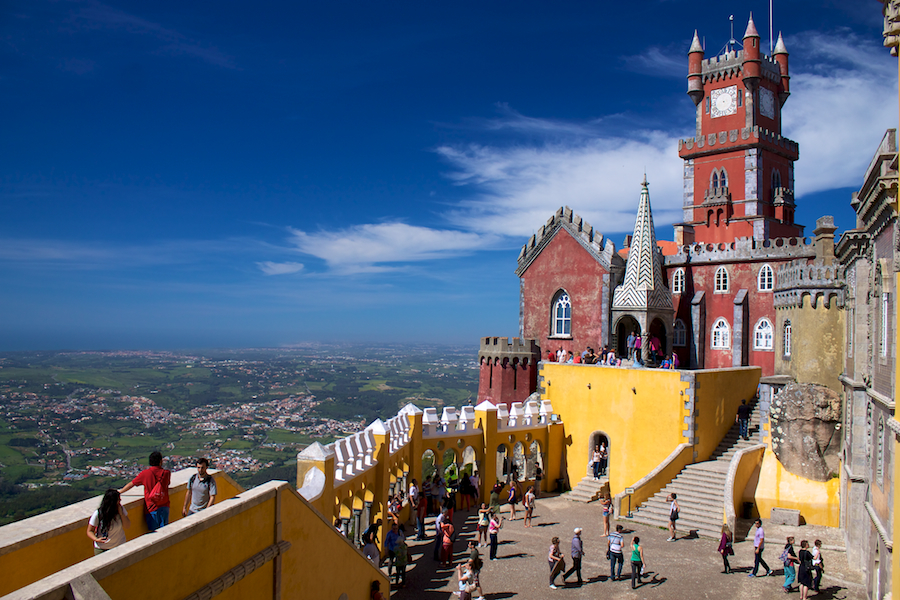
Pena Palace is a wonky-colored (purple, yellow, black and white checkered) mismatched building set on beautiful grounds. It’s easy to get lost here, especially on the side paths in the gardens. Skip the rooms in the palace (they’re crowded) but walk around the castle exterior and the gardens (be sure to go up to the cross).
Back in Sintra I had a giant sangria at Hockey Caffe. Watched the sunset at the same miradouro, this time with vinho, and then dinner at a little restaurant right off the miradouro. Had beers at a latenight bar and walked home with the Moorish Castle glowing in the night.
Moorish castle
Moorish castle over Sintra
Palacio da Pena gardens
Pena Palace
Pena Cross
Palacio da Pena gardens
Palacio da Pena
Day 8: Road Trip – Sintra, Azenhas do Mar, Cabo da Roca, Cascais
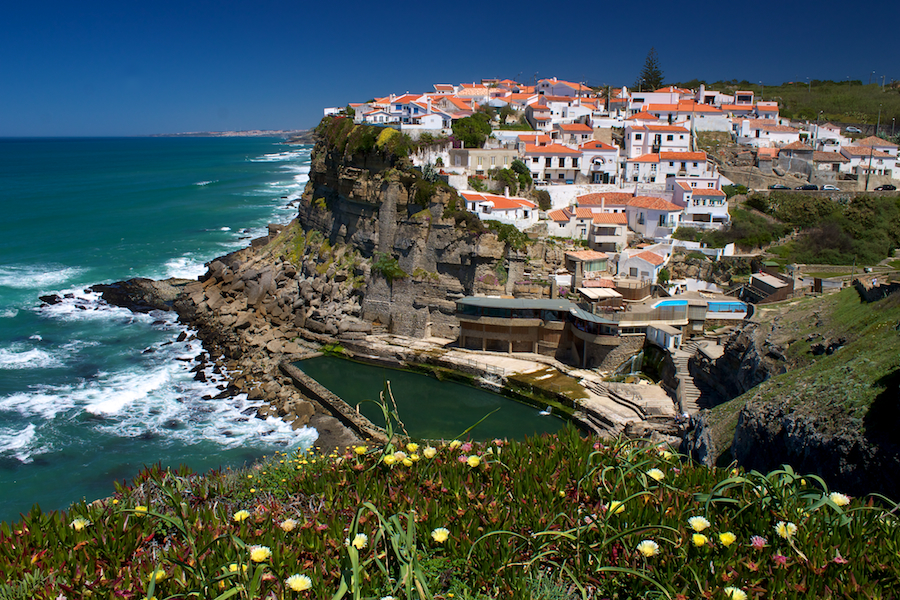
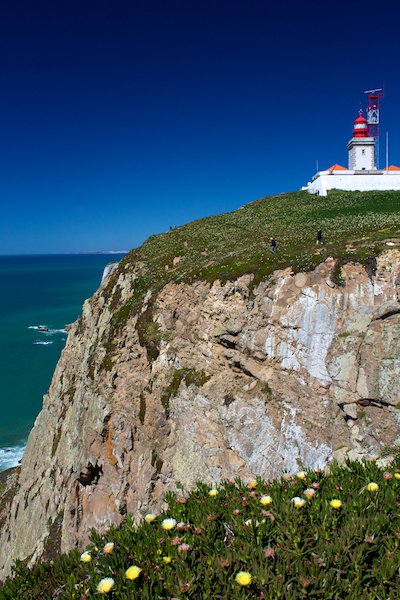
I drove half hour from Sintra to Azenhas do Mar, a tiny seaside town with an awesome miradouro. Ate lunch at Nortada, a restaurant overlooking the ocean. Drove a little farther down the coast to Cabo da Roca, the westernmost point in continental Europe. From there it was on to Cascais (with a stop at Boca de Inferno, which sometimes turns into a blowhole, though today there were no waves). Cascais was a casual waterside town with a slight, but not super, beachy vibe. I browsed some market stalls and had a beer at a bar on a side street before heading back to Sintra.