Category: Peru

  • How to Spend 9 Days in Peru: Travel Guide

    How to Spend 9 Days in Peru: Travel Guide

    I spent a week in Peru in November (over Thanksgiving) with a friend. We visited Cusco, Lima, and hiked the Inca Trail to Machu Picchu. Here’s what we did:

    How I Got There

    We flew Avianca from Dulles to Cusco, transferring through San Salvador and Lima (and snoozing in that airport for a bit since there was a latenight layover).

    Where I Stayed

    Cusco: Hotel Marqueses: About a 5-minute walk from the Plaza de Armas, this charming little hotel was quiet, clean, and rooms overlooked a nice little interior courtyard with a fountain. Because the hotel was next door to our Inca Trail trekking company, they let us store our bags there during our trip (though they might do that anyway, the staff was super accommodating).

    Aguas Calientes: Hostel Viajeros: If you’re coming off four days of Inca Trail hiking, this place is fine (it has toilets and marginally functional showers, which is all you’ll care about at this point). Otherwise steer clear; it’s old, dark, and dingy.

    Lima: Hotel Antigua Miraflores: A cute and quirky hotel in Miraflores. It kind of feels like staying in someone’s mansion, and the restaurant is good.

    What I Did

    Day 1: Cusco

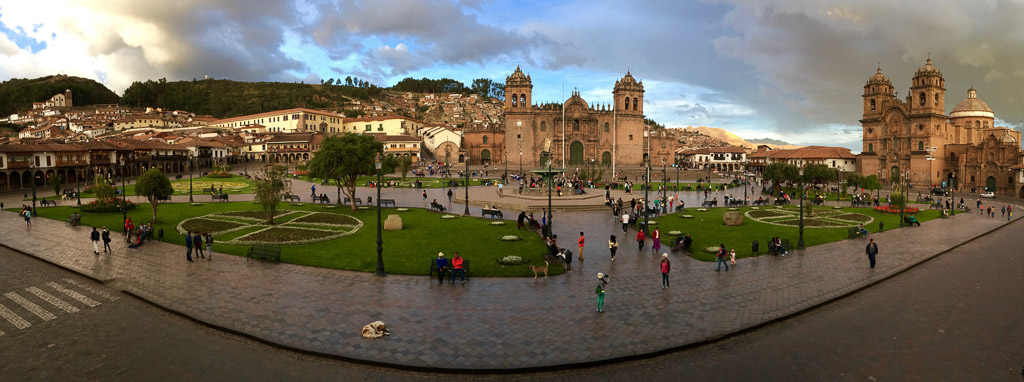
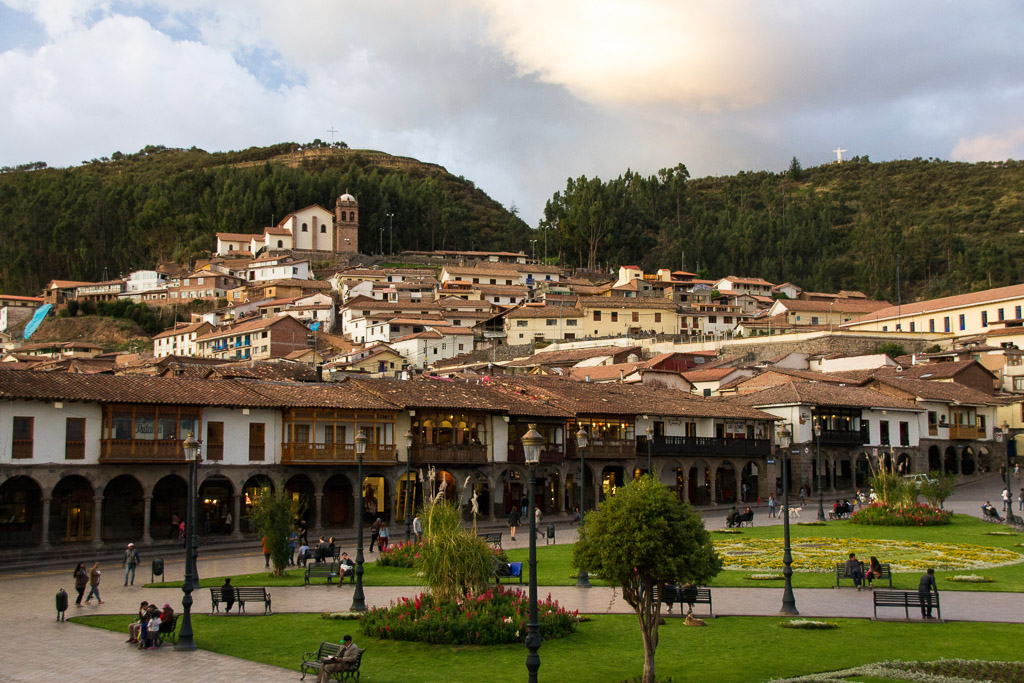
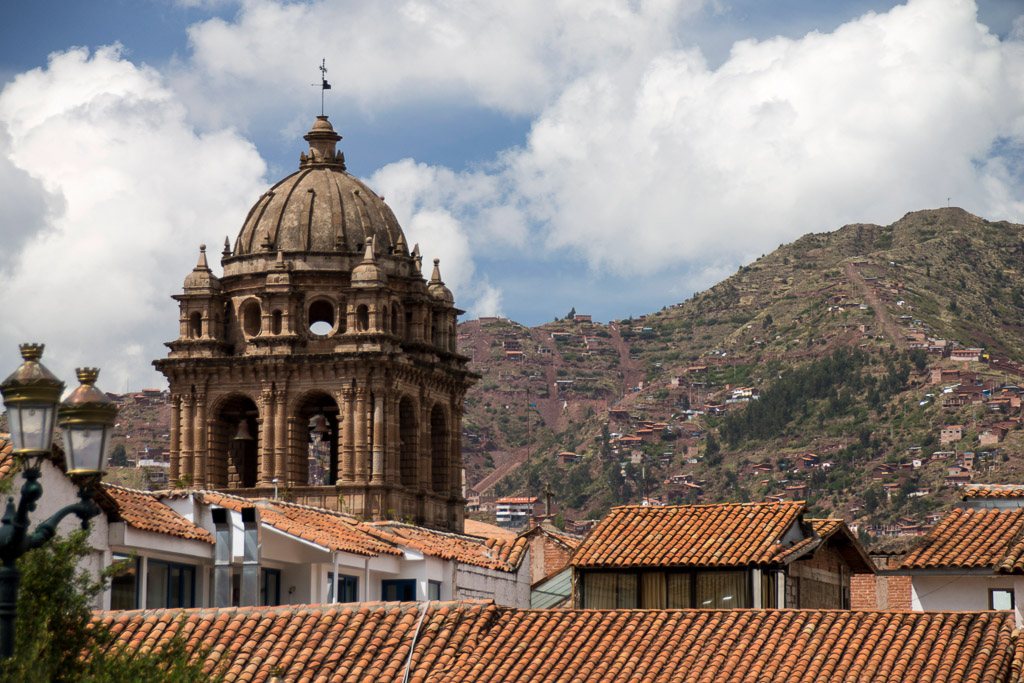
    Plaza de Armas: The main square in Cusco, and my favorite spot. Come here any time of day, but at sunset the dusk light is beautiful. There are two churches here — the Cathedral and Iglesia de la Compañía de Jesús, where you can climb up for a good view of the square. There are also a handful of restaurants and bars surrounding the plaza where you can get seats on balconies overlooking everything.

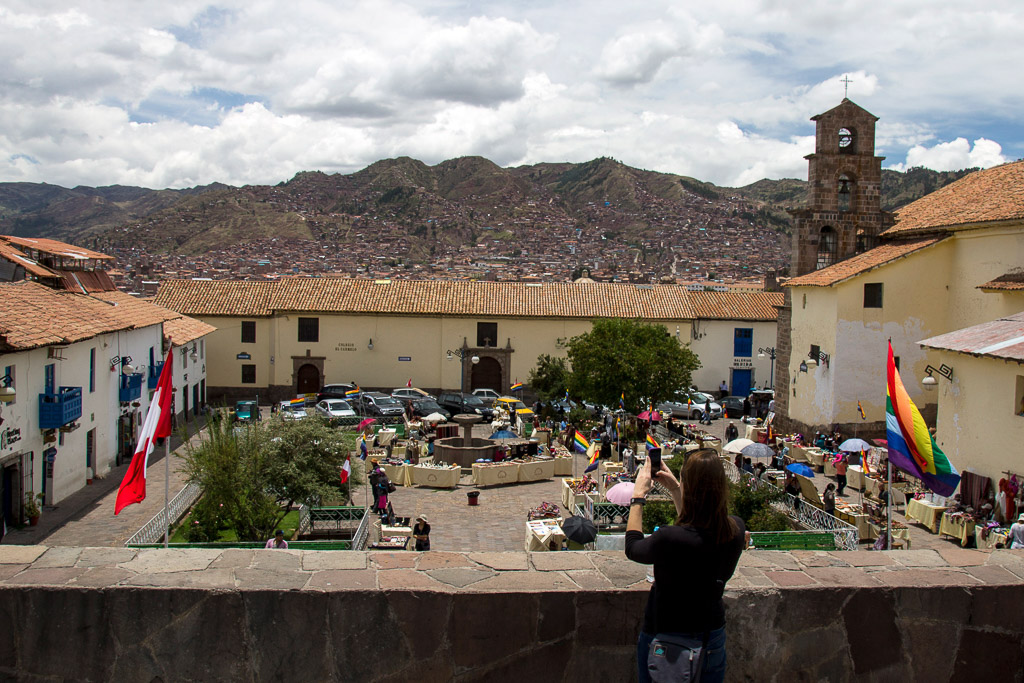
    San Cristobal Church: Since we, like many visitors to Cusco, were here to acclimate before hitting the high-altitude Inca trail, we figured we’d start exploring with a bit of a hike up to this church overlooking the city. This. Was. Hard. Altitude is no joke. But the view from this church is a great one, and worth the breathlessness.

    San Francisco Church and Monastery: We “popped” in to see the bones in the church’s catacombs, but didn’t realize this meant joining a very long and uninteresting tour. There was some nice art (and some very strange fantastical modern art), but plan for an hour if you’re going to visit/do the tour.

    Papachos: A contemporary burger restaurant with balconies overlooking Plaza de Armas. There’s a good alpaca burger here (alpaca is one of your “must try” Peruvian dishes). Gaston Acurio, the chef, is a big deal in Peru.
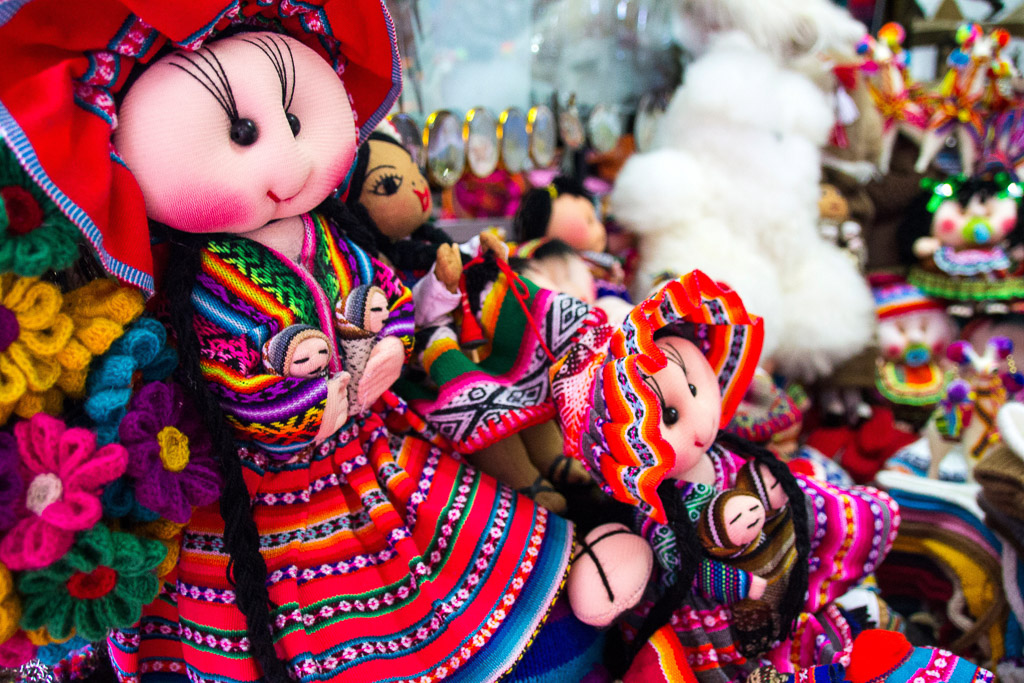
    San Pedro Market: Food, crafts, and alpaca knits. This big market is a great place for snacks or to load up on local knick knacks for people back home.

    Qurikancha: You can see layers of history here. It once was the most important Incan temple, covered in gold to honor the sun god. Then Spanish colonialists took all the gold and built a church on the site. Now you can see the ancient temple walls as well as the church, a convent, and a nice little garden.

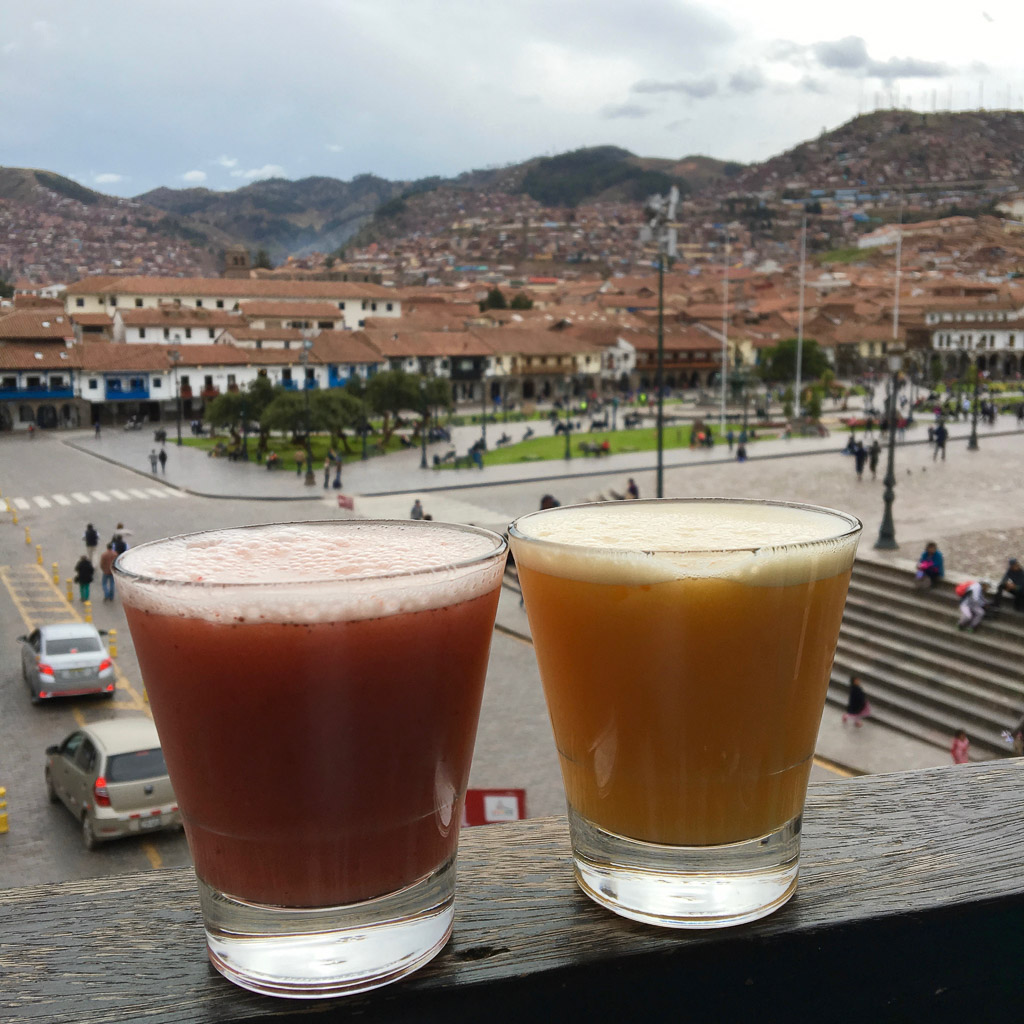
    Pisco Museum: Museum is a strong term, this is really just a bar with an enormous pisco selection and some enlightening wall art about how the drink is made.

    Calle del Medio Restaurant: You can try fancy cuy (guinea pig) here. “Fancy” because your dish won’t look like a roasted rat (as other places serve it) … the cuy here comes in more of a filet form, adorned with flowers and salad.

    Day 2: Cusco

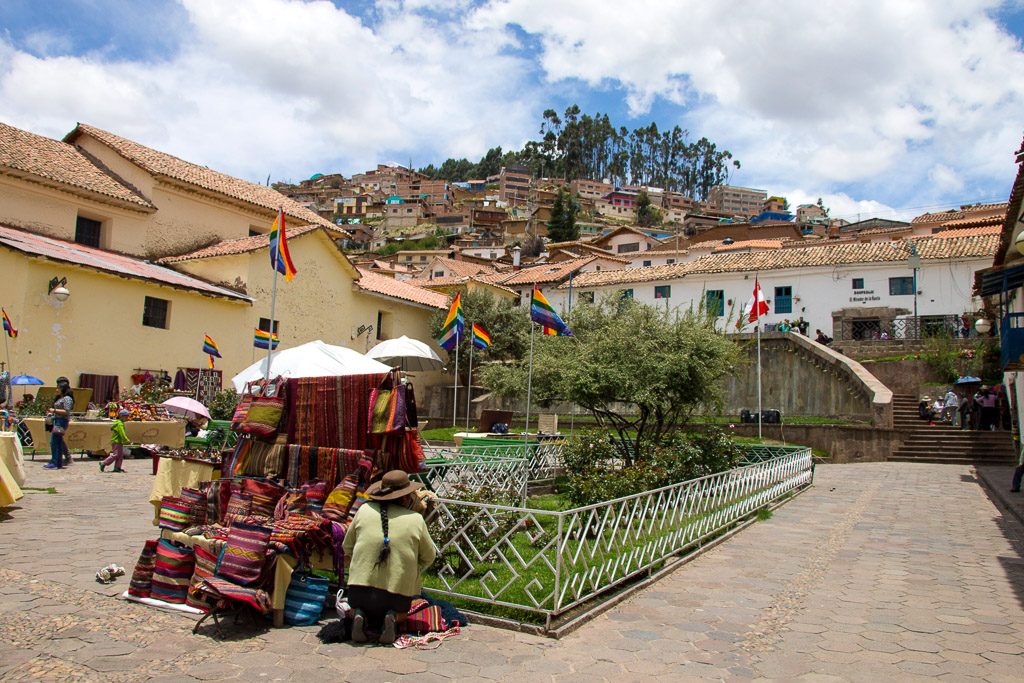
    San Blas: An artsy neighborhood up a hill. It’s an easy walk from the Plaza de Armas and a great place for eating, shopping, and wandering. The small square around the San Blas church has lots of local craft and jewelry vendors, and some shops nearby sell alpaca knits.

    Cafe Loco: Supposedly one of the best coffee spots in Cusco. I don’t drink coffee so have to defer to others on this.

    Jack’s Cafe: One of the most popular expat hangouts, this place has HUGE sandwiches and is a good brunch spot. There’s no WiFi (they’re so popular they can’t give people more reason to linger longer).

    Cava Mora Restobar: A balcony bar and restaurant overlooking Plaza de Armas.

    Cicciolina: An upstairs, upscale tapas and wine bar, this place buzzes at dinner time. The food is excellent, and ranges from Italian to Spanish to Peruvian.

    Day 3: Inca Trail

    Inca Trail: this is the “easy” day. (Easy is all relative.) See my Inca Trail post for full details.

    Day 4: Inca Trail

    The “challenge” day of the Inca Trail. Basically you climb straight up, then down, a 14,000-foot Andean peak. Diamox is essential.

    Day 5: Inca Trail

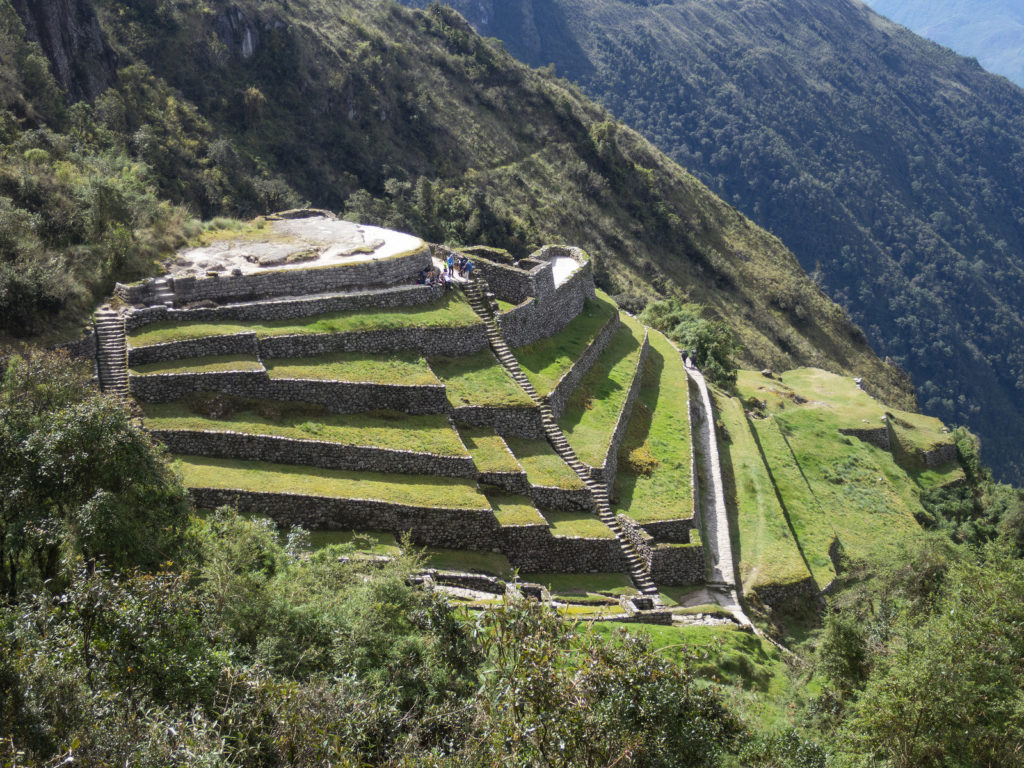
    The “unforgettable” day – you’ll start seeing more and more Incan archaeological sites. But it’s also the longest day, with lots of tromping down stairs.

    Day 6: Inca Trail & Machu Picchu

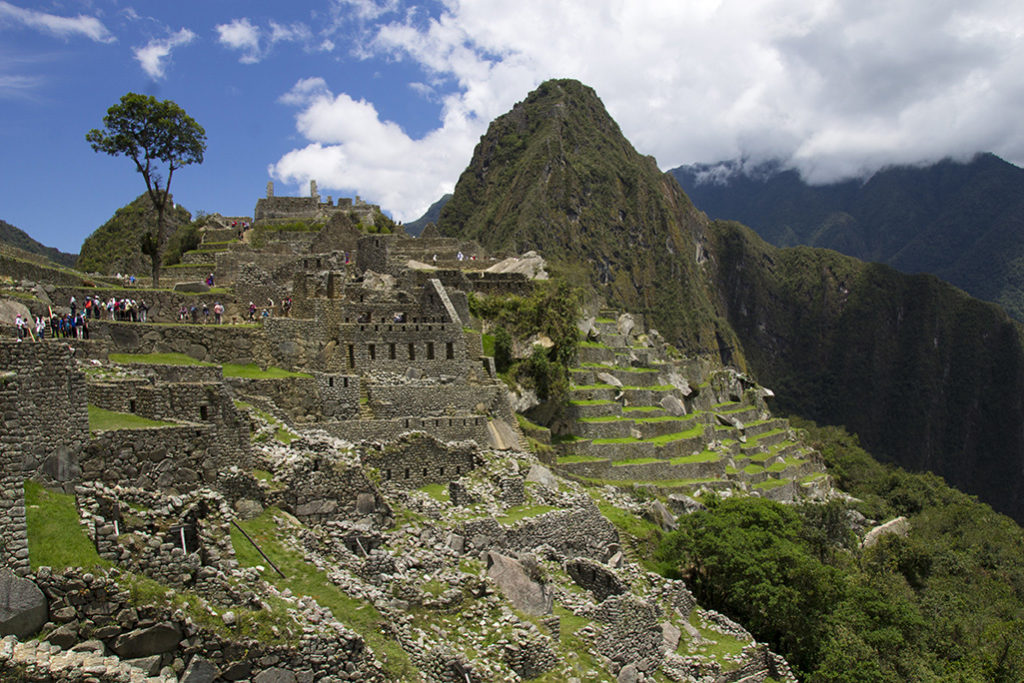
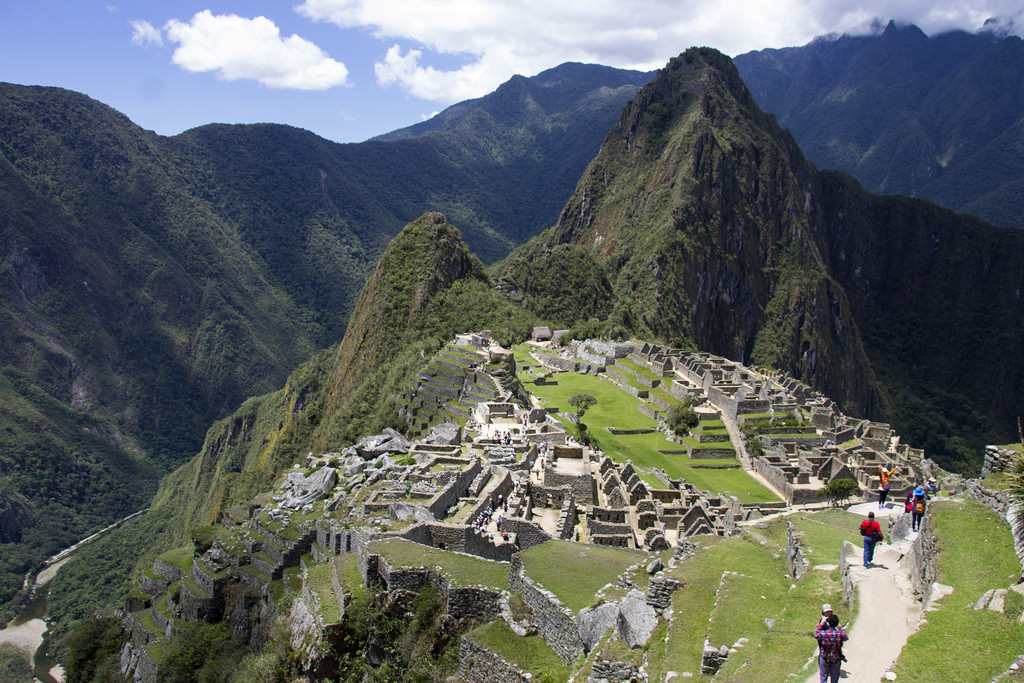
    Machu Picchu! Thank god.

    Doing the hike, you arrive in the early morning at the Sun Gate. Then you’ll have to climb down and grab tickets and re-enter to tour the site.

    Aguas Calientes: The little tourist hub at the base of Machu Picchu. I don’t have a lot of great things to say about this town, except that there are toilets with seats and beds with sheets. And pizza. Believe me, after 4 days of trekking these were all incredible luxuries. Otherwise it’s a town of kitschy souvenirs and tourist restaurants and bars.

    Day 7: Machu Picchu & Cusco

    Huayna Picchu: You need a timed ticket to climb the iconic mountain at Machu Picchu. It’s about a 45-minute hike up the mountain, once at the top you’ll have awesome views of the site below. There are some viewing ledges where many people stop their climb, though you can go all the way to the boulder-y top. Coming down you have two choices: the short way, which is NOT for anyone who’s scared of heights (these stairs are part of the route), or the long way around the mountain past the Temple of the Moon. The long way is LONG — for me, after 4 days of Inca Trail trekking, the extra 3 hours of hiking up and down through the humid jungle this was the last straw for my legs. So I’d recommend the shorter route unless you find heights debilitating.

    Train from Aguas Calientes to Cusco: The tourist train has big windows so you can take in the sights. Unfortunately ours broke down and then had to pull another broken train so it was dark for most of the ride. The train doesn’t connect all the way to Cusco; you have to take a bus for the last 45 mins or so.

    McDonalds: Yes, we ate McDonalds in Peru. For Thanksgiving dinner. We were supposed to arrive back in Cusco around 7 pm but because of delays we didn’t get back til closer to 11. So, McDonalds it was.

    Day 8: Lima

    La Mar Cebicheria: Lima’s not my favorite place, but the food here is definitely worth a stop. This trendy restaurant is in a fringe part of the Miraflores neighborhood, but once inside we were wowed by the cocktails and tasting flights of ceviche. One of the best meals of our Peru trip.

    Huaca Pucllana: An ancient, pre-Incan ruin, right in the middle of urban Miraflores. Honestly, historical significance aside, this site was super underwhelming; it looks like a big pile of bricks. Worth a 10 minute visit, or better yet, come at night when the ruins are lit.

    Costa Verde and Larcomar: This coastal string of parks and upscale shopping mall built into a sea cliff is a nice way to stretch your legs in Miraflores. There are art installations and workout stations along the way.

    Barranco: This is Lima’s coolest hood — for nightlife, come here. Bars and restaurants are hopping, galleries and outdoor art bring the culture, and you’ll find random pop-up street performances.

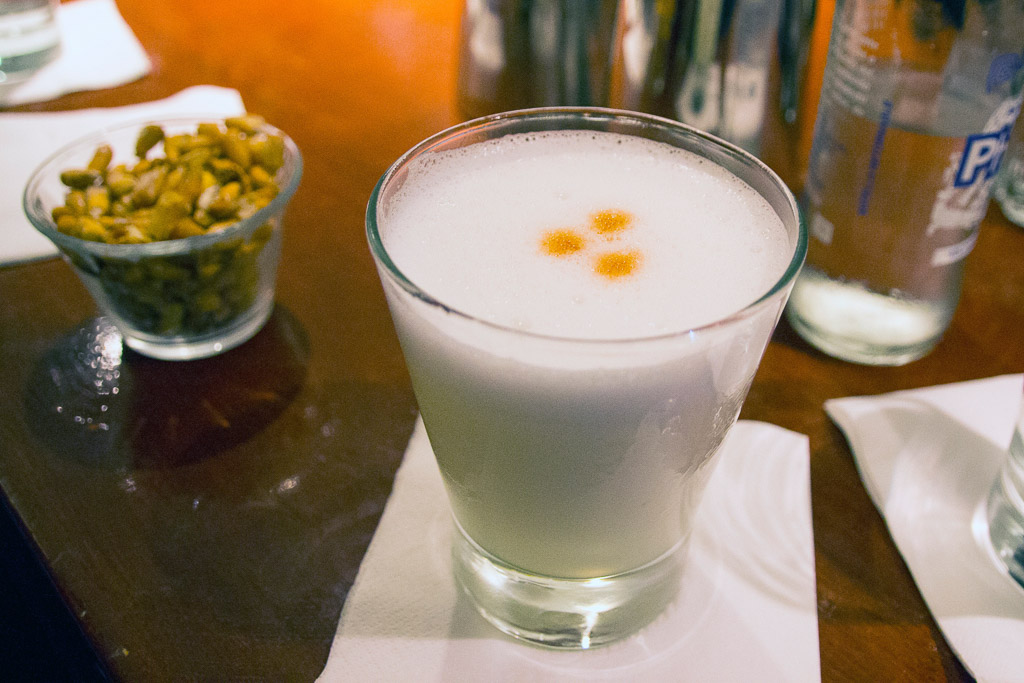
    Orient Express: This tiny bar in Barranco is modeled after a train car. Climb aboard and sip some delicious pisco sours.

    Day 9: Lima

    Plaza de Armas: Downtown Lima’s central square is grander than its Cusco counterpart.

    Convento de San Francisco: The catacombs here are the real deal. You also have to join a tour to visit the skulls and bones in the crypt. Photography isn’t technically allowed here.

    La Casa de la Literatura: A museum honoring Peruvian writers, this place is a must for any book nerds.

    Hotel Bolivar: This classic hotel in downtown Lima claims to have the best pisco sours in the city.
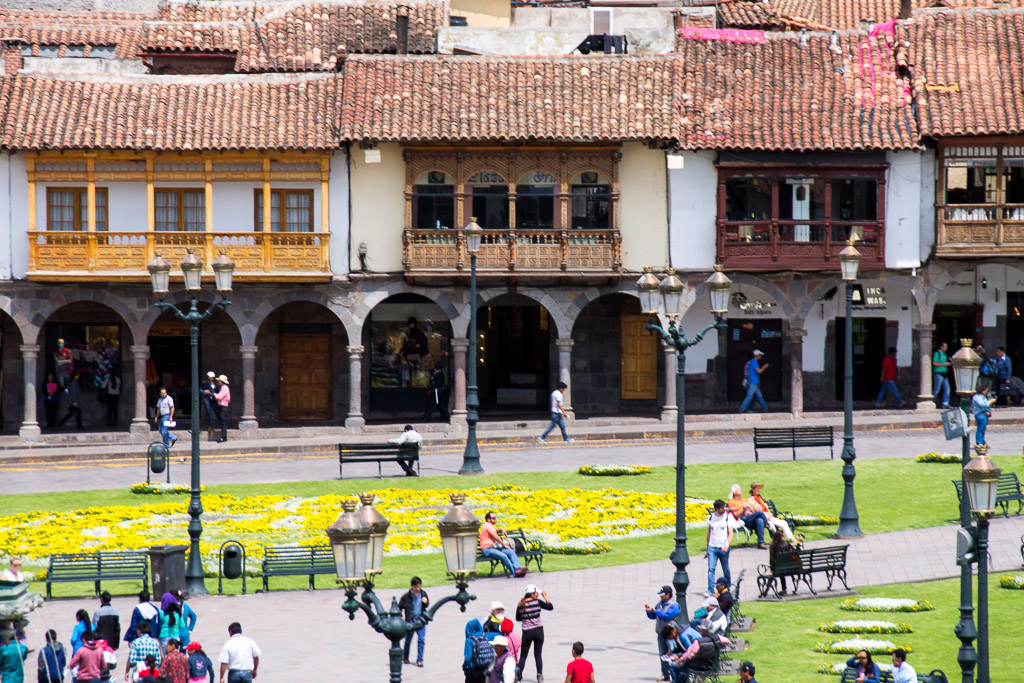
  • Photos: Cusco, Peru

    Photos: Cusco, Peru


  • How to Plan a Trip to Machu Picchu Before It’s Too Late

    How to Plan a Trip to Machu Picchu Before It’s Too Late

    February 3, 2016 on U.S. News Travel || Machu Picchu is the granddaddy of archeological sites. Set in the Andes Mountains, the site was once an estate for the Inca emperor, as well as a place of worship and education. When the Spanish conquered Peru, Machu Picchu was abandoned, and the colonists never learned of its existence. The site remained hidden in the Andes, shrouded by green mountains and clouds of mist, completely unknown to the outside world.

    It wasn’t until Hiram Bingham III, a Yale historian and explorer (and the inspiration for the famous character Indiana Jones) uncovered the ancient site in 1911 that the world took notice.

    And what notice it was. Machu Picchu’s visitor numbers grew quickly, as did its aura. It soon became Peru’s largest driver of tourism. Movies were made, books were written. Artifacts were taken, then returned. Machu Picchu was even recognized as one of the new seven wonders of the world, an honor that all but solidifies its place on the bucket lists of intrepid travelers around the world.

    But all this popularity has taken a toll.

    With 2,500 visitors per day wandering around the sacred stones, the temples are starting to topple. Structures that held for more than 500 years through earthquakes and landslides are coming apart. The site is under UNESCO protection, and in 2011 the Peruvian government limited the number of visitors allowed each day. Some have called for stricter rules, such as making areas off limits or requiring all visitors to stay with a guide. The future is unknown but one thing seems inevitable; it may not always be possible to visit the ancient city the way you can today. Here’s what you need to know to before visiting Machu Picchu.

    Read full article>>

  • Planning a Trip to Machu Picchu and Hiking the Inca Trail

    Planning a Trip to Machu Picchu and Hiking the Inca Trail

    It all started with a poster.

    Hiking Machu Picchu had been on my list for a while, but it floated on that level that always got usurped by another destination when it came time to book. Then a few months ago my landlord inexplicably decided to plaster the hallway near my apartment door with a floor-to-ceiling mural of MP. A sign from the Incan gods? Who knows. But there’d be no more putting it off: I’m going to hike the Inca Trail.

    The problem is, the best time for me to hike the trail due to work is not the best time to actually go to Machu Picchu.

    So I’m starting with the research stage. Main question: Is November (Thanksgiving) an okay time to do the trek? Or, because it’s the start of rainy season, will hiking and camping and lugging my cameras for four days at the end of November be a terrible mistake?

    I’ve decided to document my research and the resources I’ve found helpful to plan my trip to Machu Picchu. If you’ve traveled here (especially if it was over Thanksgiving), please share your tips in the comments!

    Machu Picchu Trip Planning Resources

    …listed in order of when I found/read them, not in order of value.

    Notes from People I’ve Talked to

    • Should spend at least 2 days in Cusco to acclimate
    • Salkantay is a longer, harder but apparently less touristy hike
    • A guided group hike should be about $500-600. Plus people recommend a porter, which I’d def do given all my cameras.
    • Since November isn’t high season there’s still time (in June) to book a group. A few people have said its okay to go then, others have said it will be wet.
    • Aguas Calientes is a touristy, but fun town right near Machu Picchu. It feels a bit like a ski resort town.
    • Clilmbing Huayna Picchu is great, but there’s another mountain nearby that isn’t as popular, doesn’t sell out, and overlooks MP and HP to get an often unseen view.
    • Watch what you eat and drink — outside of Lima, a number of people I’ve met have gotten food poisoning (including in Cusco).

    Choosing a Tour Operator

    Booking a tour operator is the first major step when booking your Machu Picchu trip. All trekkers must go with a group, and tickets sell out up to six months in advance — so don’t wait.

    I don’t want to travel with a big international brand; I want something local and Peru-centric. Research and polling friends who’ve done the trek rounded up a healthy menu of options: Llama Path, Andina Travel, Mountain Lodges of Peru, Pachamama Explorers, and SAS Travel. Llama Path, G Adventures, and SAS were the most frequently mentioned, so I settled on SAS, partially because of the company’s stellar online reviews, and partially because it doesn’t seem to offer press trips to bloggers (so the reviews I found seemed more authentic than the glowing accounts from junkets elsewhere).

    I’ll be traveling with a friend so in mid-July we booked two spots on the November 22 trek. We opted for the 4-day/5-night trip, which includes a night in Aguas Calientes and a ticket to climb Huayna Picchu (the mountain you see in all the MP pics) the next day. Tickets for this climb are very limited and sell out quickly, so it seemed easier to book it all at once and let the tour company take care of organizing and lodging.

    Total cost for the 4-day/5-night trek, plus a porter to carry my stuff (I lug a lot of camera gear…): $780.

    We booked on a Monday, and that Wednesday sent the info to some friends who were interested in joining. When they looked at the schedule, our trip was gone. Five months out, and not in peak season, and it was still sold out.

    Post trip update

    While I ended up going with SAS Travel, I had a pretty bad experience with the guide on our trek. Wouldn’t recommend them just because of him and the fact that we were supposed to have two guides but only got one.

    Pre- and Post-Trek Travel

    With our trek tickets secured, it was time to book flights. This far out there were still plenty of options. Avianca had the lowest fares, and while the price didn’t vary too much between a multi-city DC>Cusco>Lima route, it ended up working better for us to connect in Lima on the way down as well. We started on Kayak but found that Avianca’s website had more options, so booking directly there allowed us to squeeze in an extra day in Lima on the way home. Bonus: Avianca’s Star Alliance, so I’ll be earning United miles on the trip.

    Total airfare from D.C. (with connections) to Cusco to Lima to D.C.: $1005.

    Next up were hotels. SAS Travel had an arrangement with Hotel Marqueses in Cusco; if you stay here before your trek you can keep your non-hiking gear here while you’re on the Inca Trail. That seemed like a good set-up (and the hotel has good reviews), so we booked a stay here for the 2 nights before our trip. For the return from the trek, we thought we’d treat ourselves with a room at the swanky JW Marriott Cusco, so we booked that. However, once in Cusco we learned that we probably wouldn’t get back from Machu Picchu until 10 or 11 at night, so it seemed like a waste to go big on a fancy hotel. We cancelled the JW Marriott and opted for another night at the Marqueses where our stuff was.

    Preparing for the Trip

    How do you train to hike the Inca Trail? Stairs. A handful of friends who’d done the trip recommended just getting on the stairmaster and staying there. 

    In reality, you can train however works best for you. Stairs will be the most useful; the trail is mostly hiking up and down giant stone stairs. Also practice walking long miles and being on your feet for hours at a time (break in your hiking boots doing this if they’re new). Some days on the trail are like 12-13 hours without many places

    What to Pack to Hike the Inca Trail

    I updated this list AFTER my trek, so it includes some things that I hadn’t read about but were sanity-savers (Wet wips, febreeze, Princess Gummies…).

    • DEET bug spray
    • SPF
    • Hiking Boots (ones with good ankle support)
    • Rain gear (you can buy cheap ponchos in Cusco — these are better than rain coats because they cover your pack too)
    • Bags to protect cameras from rain
    • Polarized sunglasses
    • Hat
    • Water and sweatproof layers (pants and tops)
    • Good hiking socks, like Smartwool
    • Tissues for toilet paper
    • Wet wipes (aka portable shower)
    • Febreeze spray (aka portable laundry)
    • Headlamp
    • Camelpack backpack (much easier than filling up and lugging individual water bottles)
    • Small flashlight to hang in your tent
    • Sleeping bag (you can rent these, but it grossed me out to sleep in the same bag as a bunch of other unshowered strangers — if you do this, bring a sleeping bag liner)
    • Water purification tablets (your crew will boil water from streams, but better safe than sorry)
    • Gatorade powder (hides the taste of water purification tablets)
    • Anti-diarrhea meds 
    • Altitude medicine like Diamox (this is important! Altitude sickness is no joke!) 
    • Advil
    • String or small clothesline with clips (to hang in your tent)
    • Granola bars/snacks
    • Binoculars (if you’re into birdwatching)
    • Playing cards
    • Extra batteries for your camera, or battery pack for your phone (there won’t be any place to charge en route)
    • Camera gear (optional, but here’s what I packed):
      • Canon DSLR
      • Tripod
      • Polarizing filter
      • 18-250 mm lens (to avoid swapping it mid-hike)
      • GoPro
      • GoPro stick mount (for those llama selfies)
      • GoPro head mount (useful for climbing Huayna Picchu)
      • GoPro remote
      • Canon S120 point-and-shoot
      • iPhone
      • Extra batteries (for every camera)
      • Extra memory cards