Tag: itineraries

  • How to Spend 4 Days in Holbox, Mexico

    How to Spend 4 Days in Holbox, Mexico

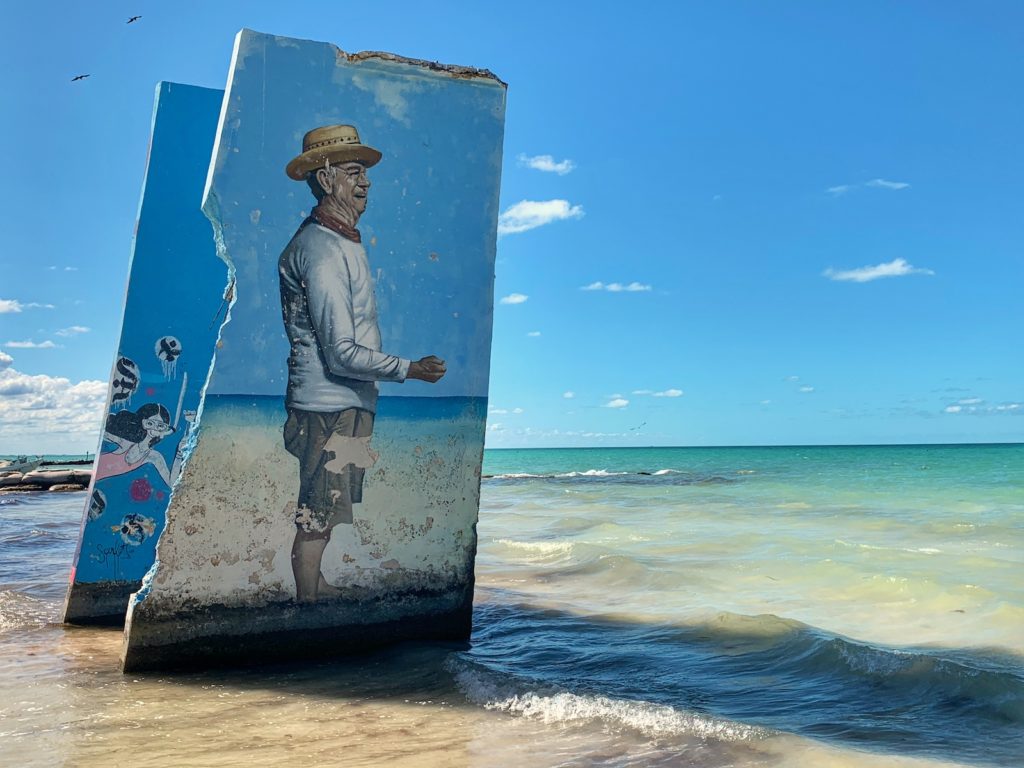
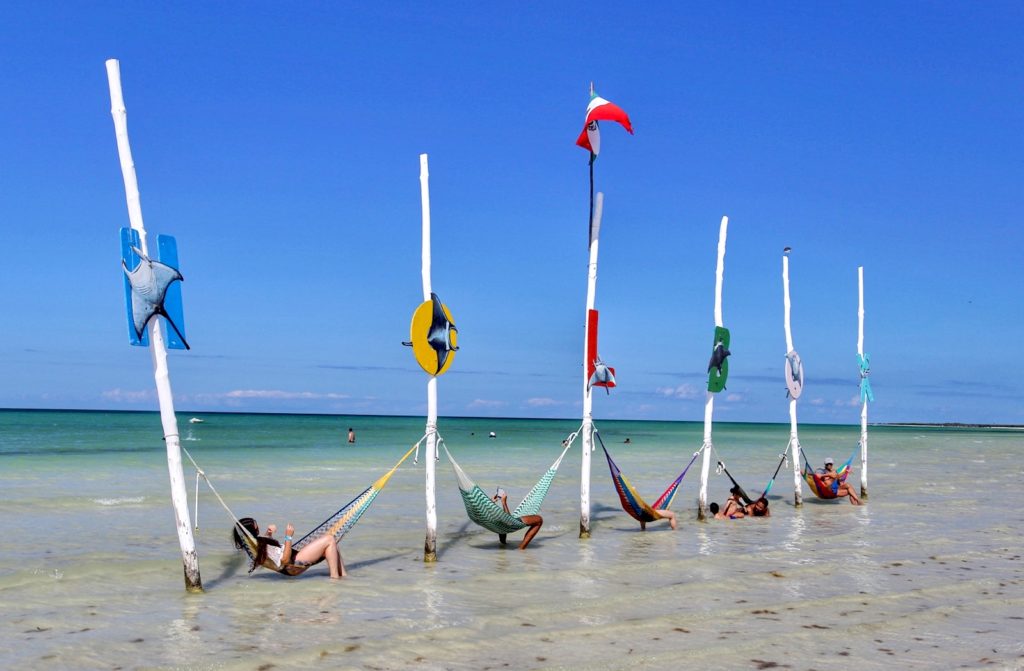
    I spent a long weekend (Thursday – Sunday) on the island of Holbox, Mexico in December. I had heard of the island (which is apparently pronounced “Hol-bosch” not “Hol-box”) for a number of years. Despite being near-ish to Cancun, it was billed as the anti-Cancun — no mega resorts, cash only, and few of the tourist crowds. It’s popular among Europeans but Americans haven’t taken over en masse yet, though it’s becoming increasingly popular among the Instagram set for its colorful street art and FOMO-inspiring water hammocks. I haven’t been to Tulum, but I’m told Holbox is what Tulum was like 20 years ago, before it blew up.

    Here’s what I did:

    Note: these are just rough, unedited travel notes. For examples of my published writing, check out my published clips.

    How to Get to Holbox

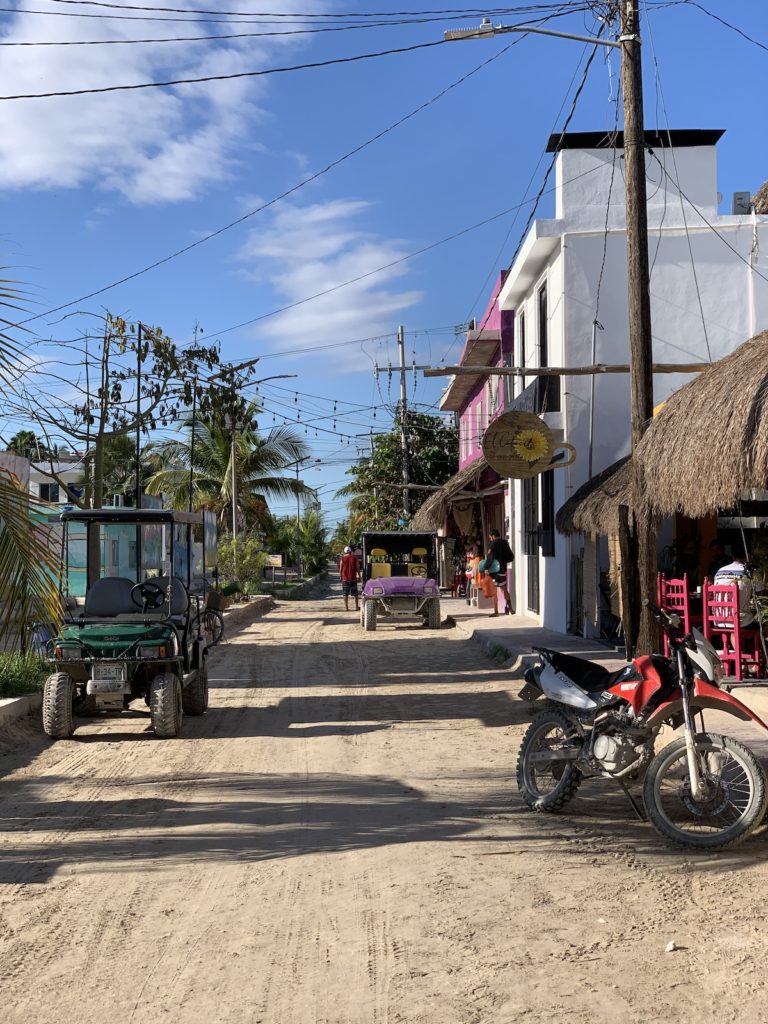
    Most people get to Holbox by flying into Cancun, then traveling by car/van about 2½ hours north to the little port of Chiquila. From here, it’s about a half-hour long ferry to Holbox, where you can hop on a ATV-golf cart–style taxi or walk to your hotel.

    It’s possible to take a bus from Cancun to Chiquila where the Holbox ferry is. You can also grab a taxi from the airport, though that’ll cost you. If you’re on a tight budget that’s your best bet, though from what I could tell you have to transfer from the Cancun airport into the city and then get your bus there. You can also rent a car and drive yourself, but the roads aren’t great at some parts.

    With limited time and Spanish skills, I organized a transfer with Holbox Adventure through my hotel and am so glad I did. The transfer cost $150 each way (total price for two of us) and included a private van transfer with airport pick-up, tickets to the ferry, and a taxi pickup once we arrived in Holbox. They coordinated tickets and timing, so we just showed up and watched the countryside speed by.

    Two notes if you do use a driver and aren’t fluent in Spanish, like us:

    • Arrival at the Cancun airport is a little confusing — there are a few areas where people will try to pick you up/offer you a ride. We almost got duped by someone trying to “help” us, who kept telling us the driver to Holbox was in a different location from where our guy actually was waiting. Follow the pickup instructions closely, don’t give your name out, and find the official tourism people in the airport if you need directions.
    • Most things in Holbox are cash-only, and our transfer was no exception. I thought I had paid for it when booking our hotel; turns out it was just an online deposit that ultimately went toward the hotel room, not the transfer. So I had to fork over the entire 3,000 pesos I took out for my time on the island to our driver. So make sure you take out extra cash to pay for the transfer, even if you book it through your hotel.
    Where to Stay in Holbox

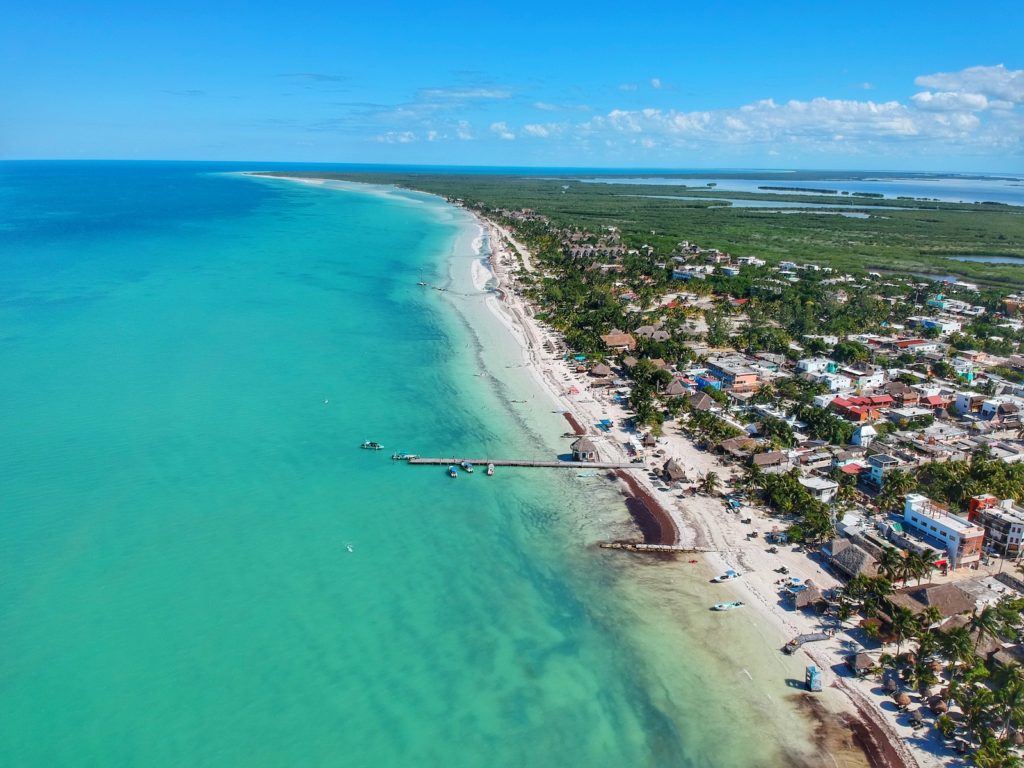
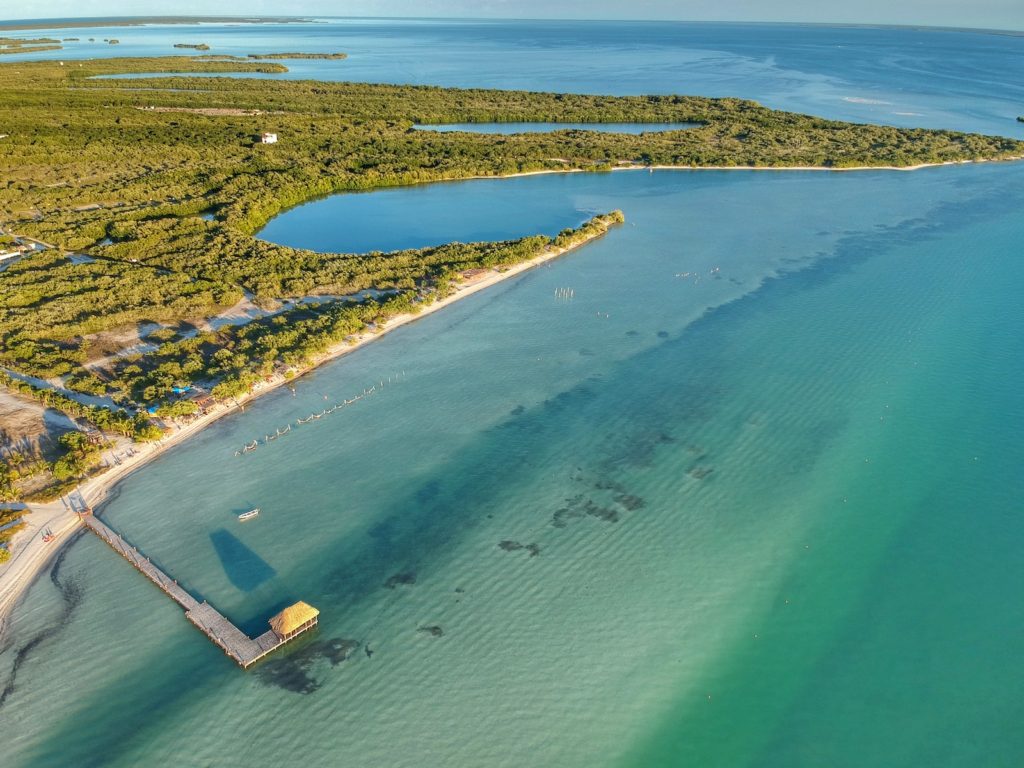
    While the island of Holbox is about 26 miles long, the town on the island only takes up a mile or two, and the rest of it is largely nature preserve and undeveloped. Because of that, lodging is mostly concentrated around this town. Hotels range from little hostel-like lodgings to boutique beach spots — no chains or big resorts here. There’s also Airbnb, though the tourism office discourages use of that here because it’s said to be causing gentrification and developers are pricing out residents to build rental units. The hotels are spread along the beach and through town. I thought it was easiest to stay close to town, whereas if you’re at the far end of the beach (at like Hotel Villas Flamingos or near Punta Cocos) it’ll be about a half-hour walk, or a short bike/taxi ride into town.

    Here’s where we stayed:

    Hotel La Palapa: Friends recommended this beachfront spot, and I wholeheartedly second the suggestion. The hotel is RIGHT on the beach, like about 15 steps from our room to the sand. It’s about 2 blocks from downtown, meaning it’s right there and takes like 2 minutes to walk to the center of things, but it’s removed from any nighttime noise. The beach itself is compact and on the shady side, but there’s a little beach bar and a handful of loungers/chairs on the sand where you can order drinks and watch the water.

    The rooms were spacious and clean, with cool little touches like towel animals and a sink and showerhead that were basically giant conch shells that cascaded water.

    How Much Money to Bring to Holbox?

    Almost everything on Holbox is cash-only, and there are only a couple ATMs on the island — one at the police station, and one at a Ci Bank on Calle Tiburon Ballena. Sometimes they work, sometimes they don’t, and sometimes they have a line of people waiting to use them and then they run out of money.

    We read online that a rule of thumb for how much money you need in Holbox is 1,000 Mexican pesos per day per person. That’s about right, however it doesn’t account for specific activities or things like transfers. For two people, over four days, we spent about $17,000 pesos: 6,000 on transfers to/from the airport, 4,600 on a fishing charter, and the remainder on food/drink. Most meals set us back 300-600 pesos. We didn’t splurge on any big meals, but also didn’t hold back on drinks — beer cost like 40 pesos, and cocktails were about 120 pesos. 
    Where to Eat & Drink on Holbox

    Before traveling here we collected the following Holbox restaurant recommendations from friends and blogs. In 3½ days on the island we made it to almost all of these spots (marked with an * asterisk)! We did not, however, try the Lobster Pizza that Holbox is known for.

    • Las Planchas*: right behind the hotel and a great spot for lunch — fresh seafood
    • El Cafecito*: some of the best coffee in town, and delicious breakfasts and juices
    • Luuma: A cool bar/resto where you eat in like a garden. Very instagrammable. One of the more “upscale” places on the island (though nothing here is incredibly fancy).
    • Coquitos Beach Club*: Trendy spot on the beach west of town with a beautiful bar + bar swings!!
    • Viva Zapata*: also has bar swings! Good menu, has a bit of a touristy/international vibe but food is far above tourist traps.
    • Holbox Foodie Market*: outdoor market with live music (though we didn’t see any music while here). Mix of tacos, burgers, sandwiches, and seafood.
    • Raices Bar*: has great seafood and good cocktails. Looks over beach and has hammocks and swings. Great sunset spot.
    • Cafe del Mar: (by Fly Fishing Lodge) supposedly has good cocktails and is good sunset spot
    • Los Pelones has good pasta
    • Hot Corner*: a good bar; right by the hotel; gets crowded on weekends; live music and dancing; free cocktails for ladies on Thursday nights from 8 pm to 10 pm
    • Bar Arena*: rooftop bar
    • Barba Negra: gourmet tacos, located in Holbox Foodie Market
    • Basico: recommended for juice, food, drinks
    • Zomay: beach bar with drinks on swings
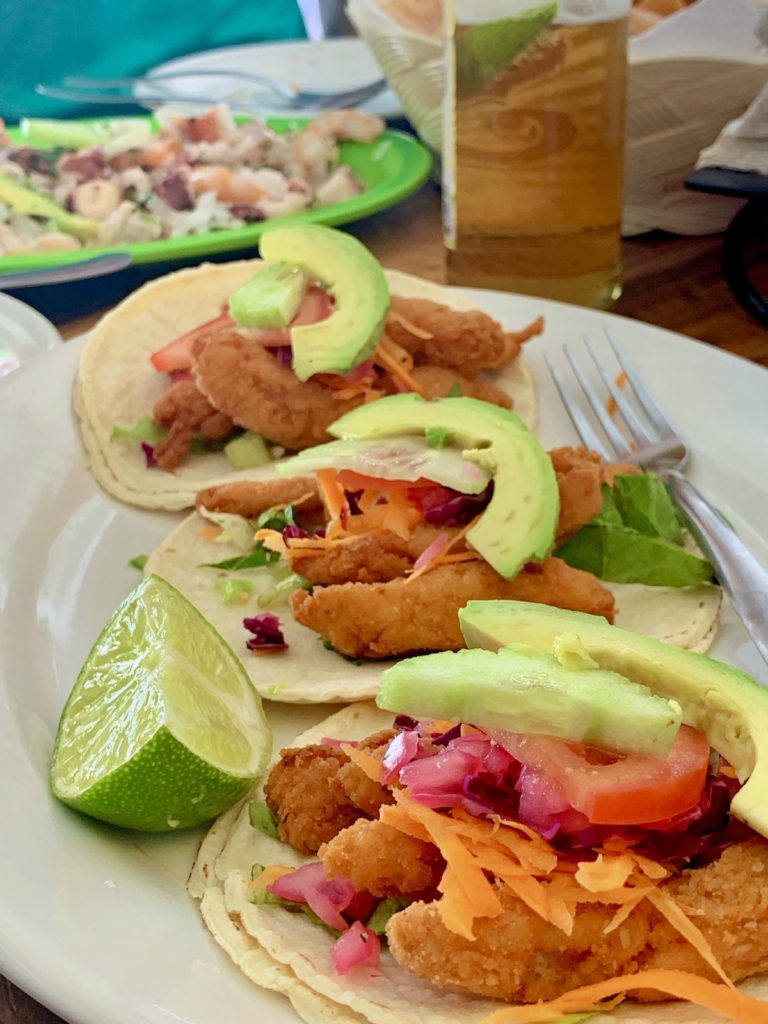
    • El Chapulim: great food (try the fish tacos) in cozy spot
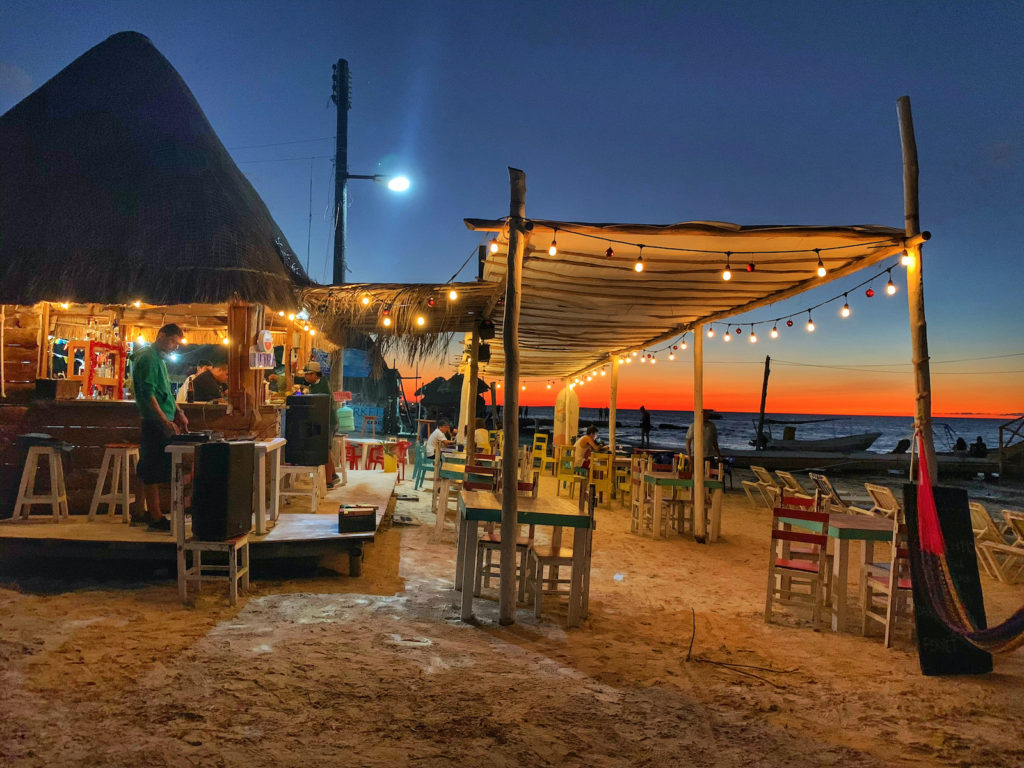
    What to Do in Holbox

    Relax, of course! This place is beach bum heaven, where the dress code includes flip flops and you can easily pass a day just gazing at the blue Caribbean waters. For the more activity-prone, here are some other things to do aside from eat, drink, and chill.

    • Lie in water hammocks: They’re all over, with some strung along the main beach, as well as at Punta Cocos.
    • Fishing: You can charter a local guide to go deep sea or not-as-deep sea fishing. If you’re really serious about it, a couple of fly fishing operators set up whole tours.
    • Rent bikes or a golf cart and explore the island
    • Find the flamingos: You can often see them around Punta Mosquito, and also may spot some at Punta Cocos. Or just keep an eye out for a pink bird flying!
    • Kayaking: Tours are approx 2 hours and you go through mangroves. (Tours leave only in the mornings around 9 am so plan ahead)
    • Bioluminescent Tours & Beach: Punta Cocos on the southwestern side of the island is a bio bay; you can swim in the water here or join a tour and paddle around the glowing water. Check moon phases before you come — the best time to see the phosphorescence is during a new moon when it’s darker out. 
    • Sunset at Punta Cocos: Sunset is something to see wherever you are on the island, but Punta Cocos is the best place to watch. It’s the westernmost spot on the island and has a little bar setup so attracts a fun crowd of sunset-seekers. Bring a flashlight or plan for a taxi to come pick you up — the bugs get bad after dark and the dirt road back to town is dark and pot-holey.
    • Swim with whale sharks: Whale shark season in Holbox runs from June through September. During this time you can join a tour to snorkel or dive with the majestic animals. 
    4 Days in Holbox — What I Did

    Day 1 (Thursday)

    We arrived in Cancun and first needed cash. Flying in on Southwest, we landed in a terminal that didn’t have an ATM, so went on a little airport adventure to find one. After the transfer via van, boat, and ATV, we arrived at our hotel around dinner time. 

    El Taco Queto: We stumbled across this super casual taco spot, which is basically a smattering of plastic tables and chairs under an awning … and it turned out to be one of our best meals on the island. It’s BYOB (pick up beer at the market next door), with tacos, quesadillas, and chips and guac. 

    Hot Corner: This is one of the main nighttime hangouts in Holbox, with live music and a great location on a downtown corner. It’s about as clubby as we saw, but the dress code is backpacker-chic; you’ll see far more flip-flops than heels. Thursday is “ladies’ night” so women get free cocktails. Or you can get beer from the market across the street and sit on the curb and listen to the music and dance in the street.

    Day 2 (Friday)
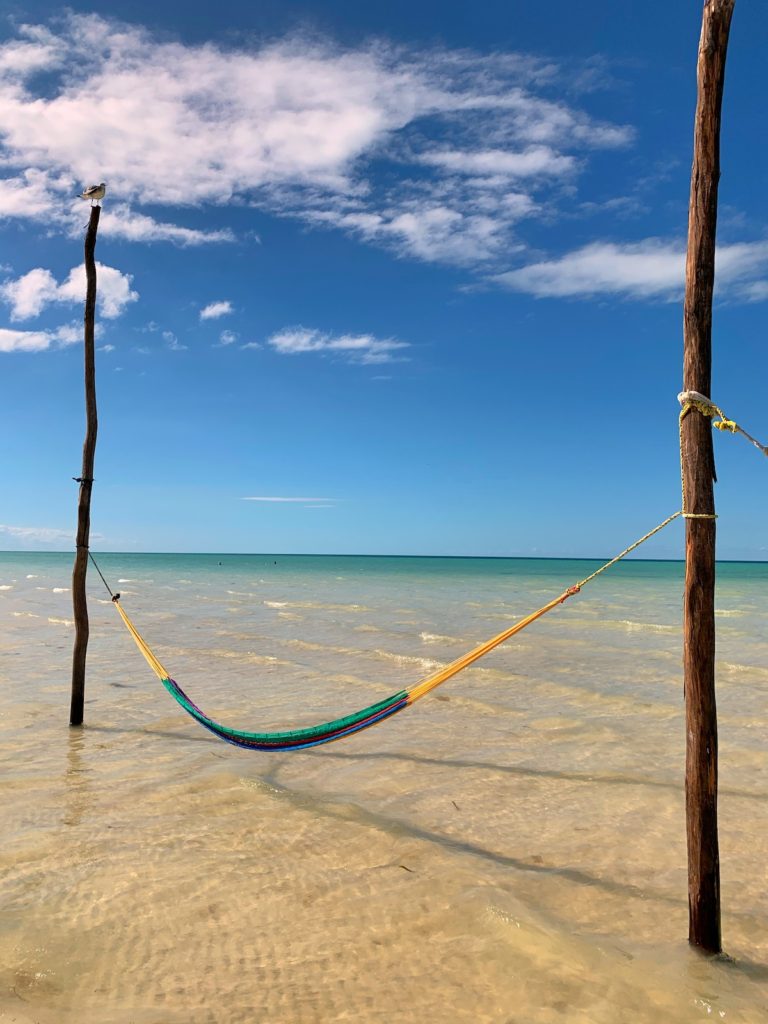
    I woke up and went for a run along the beach — the sand here is hard-packed so it was a great beach run, and I got to scope out bars and beach setups along the way to return to later. Morning was also a great time to visit the big photo opps: the “Holbox” sign had no one there, nor did the Holbox hammocks. Later in the day, both of these are quite popular.

    El Cafecito: This little cafe has good smoothies, coffee, and sandwiches/breakfast food like omelets. There’s an inviting front porch with brightly colored tables and chairs for al fresco breakfast. 

    After breakfast we had to go to the ATM like 3 times because paying for our transfer in cash drained all the money I took out. After empty machines and one that seemed to be frozen, we got one to work and got mas dinero. 

    Las Planchas: We came for lunch and enjoyed huuuuge servings of fresh seafood and tacos. It was very fresh and very good. The restaurant is right behind Hotel La Palapa; I couldn’t figure out what hours this open-aired seafood centric spot was open, since there were always people here but a “closed” sign was often up, but they seem to at least do breakfast and lunch.

    After lunch we took a beach walk to Las Nubes at the far eastern end of town. Along the way we scoped out the beach bars, many of which have my new bar obsession: BAR SWINGS!!! I also tested out the hammocks that are strung on posts in waist-high water all over the beaches here. Once we made it to the end of the beach, and a little beyond, we turned around and walked back on sand bar for about a mile back to town. 
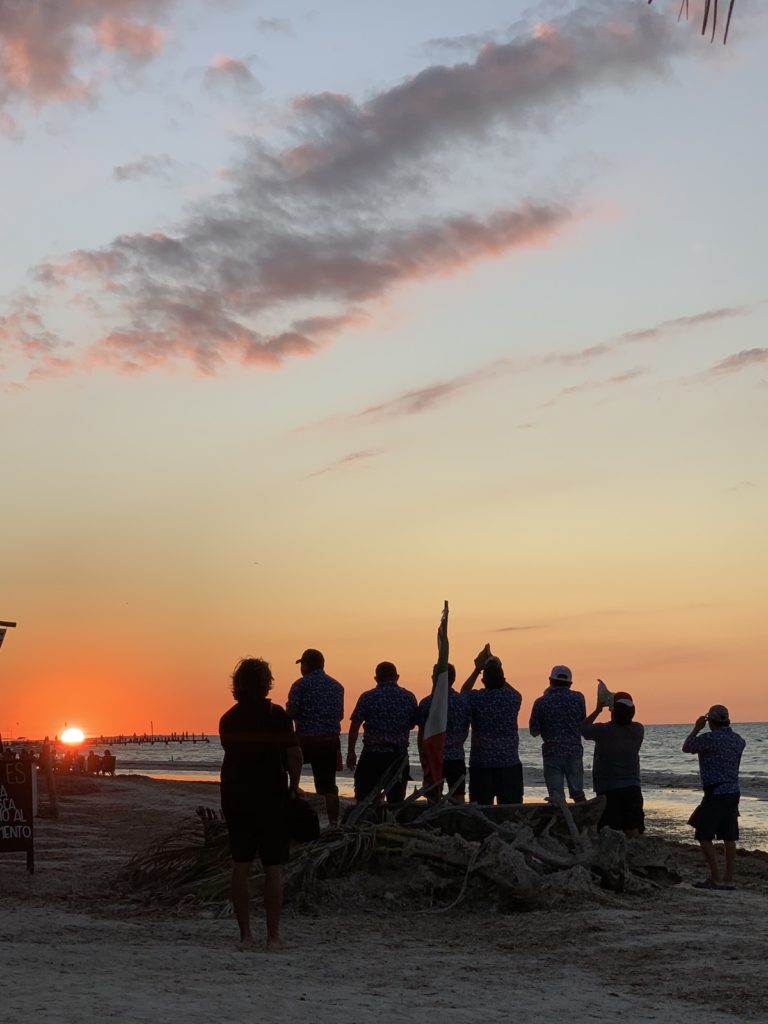
    Raices: A lot of people rave about this beachfront bar and restaurant. We set up camp here to wait out our first real Holbox sunset (there are great views here, as there are all along this stretch of beach. The pier is a popular place to watch sunset too — there’s an unobstructed view here). Little did we know they have a sunset ritual, which includes a conch shell, and a feathered fire dancer.

    Viva ZapataDespite seeing bars with swings all day, none of them were actually OPEN yet, until we got to Viva Zapata. Off the main drag in town, this place has an eclectic menu and flags from around the world line the walls. At first glance, it feels like it might be a not-so-great tourist trap, but the food is excellent, and anyway who cares if it’s touristy because swings. 
    Day 3 (Saturday)

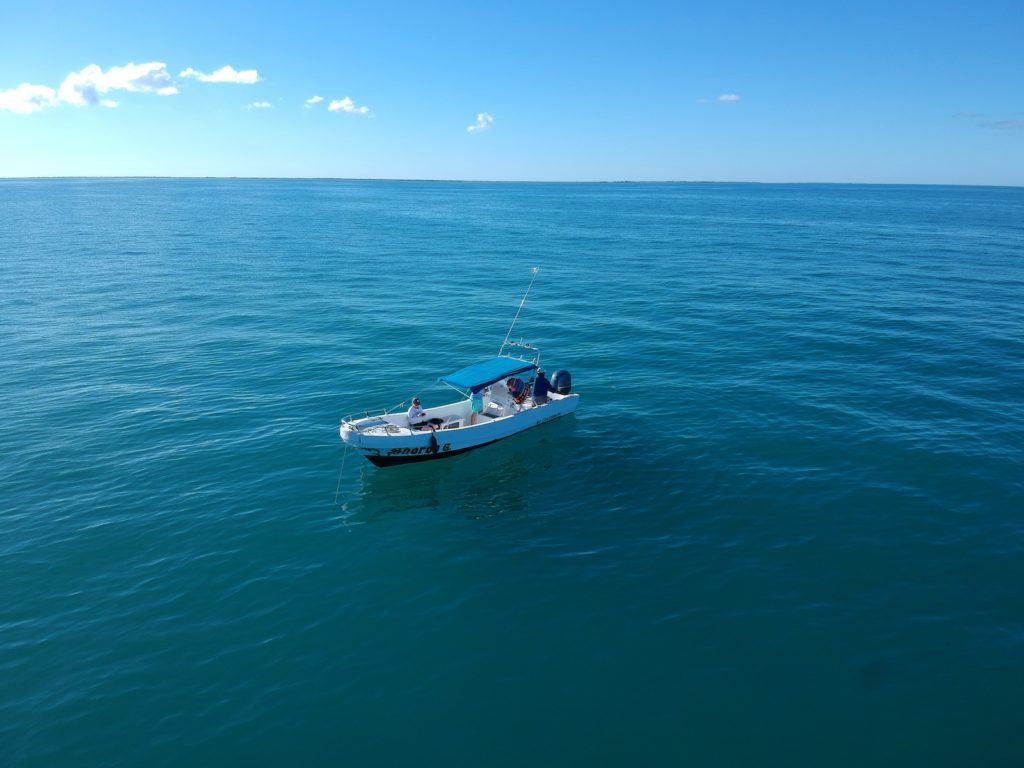
    Fishing! Holbox is a fishing hotspot, for everything from deep sea to hand lines to fly fishing. We set up a fishing charter through our hotel, and a local captain came and picked us up right from the beach at La Palapa. Once we were out of sight of land, we dropped anchor and our captain set us up with hand lines and bait. From there we had a solid 3 hours of catching what would end up being our lunch — mostly pargo (snapper) and grouper, plus a few jacks and one little pufferfish who our guide set free after inflating. 

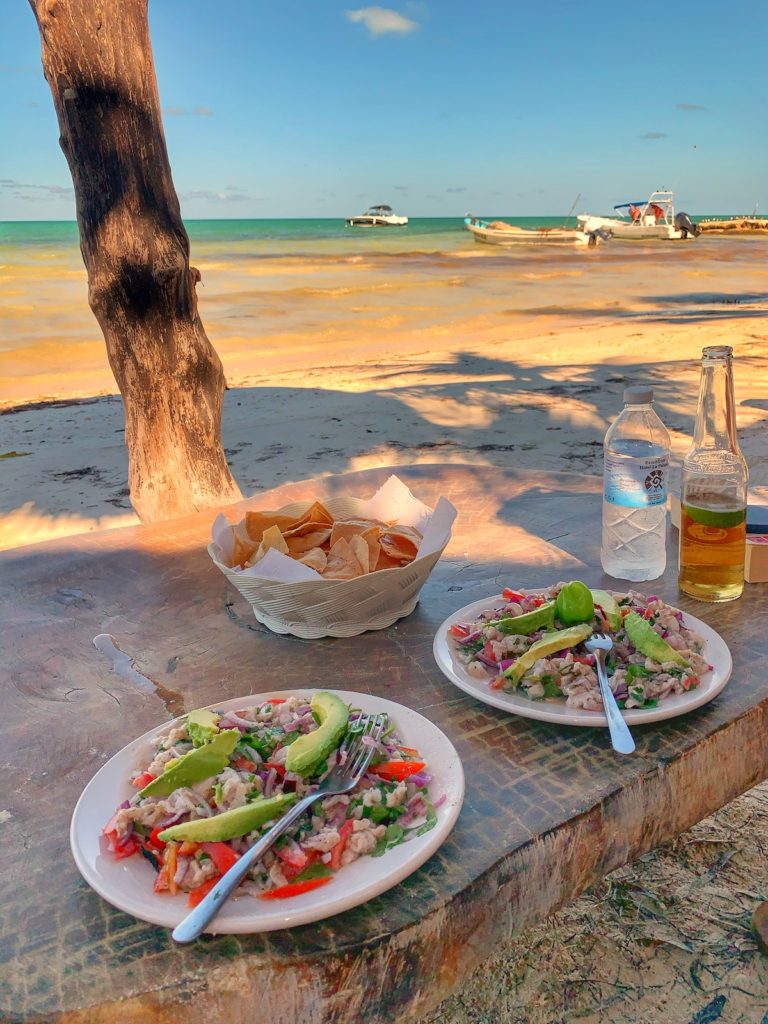
    Upon our return, the captain chopped up our catch into the freshest ceviche I’ve ever had, which we enjoyed beachside at our hotel.

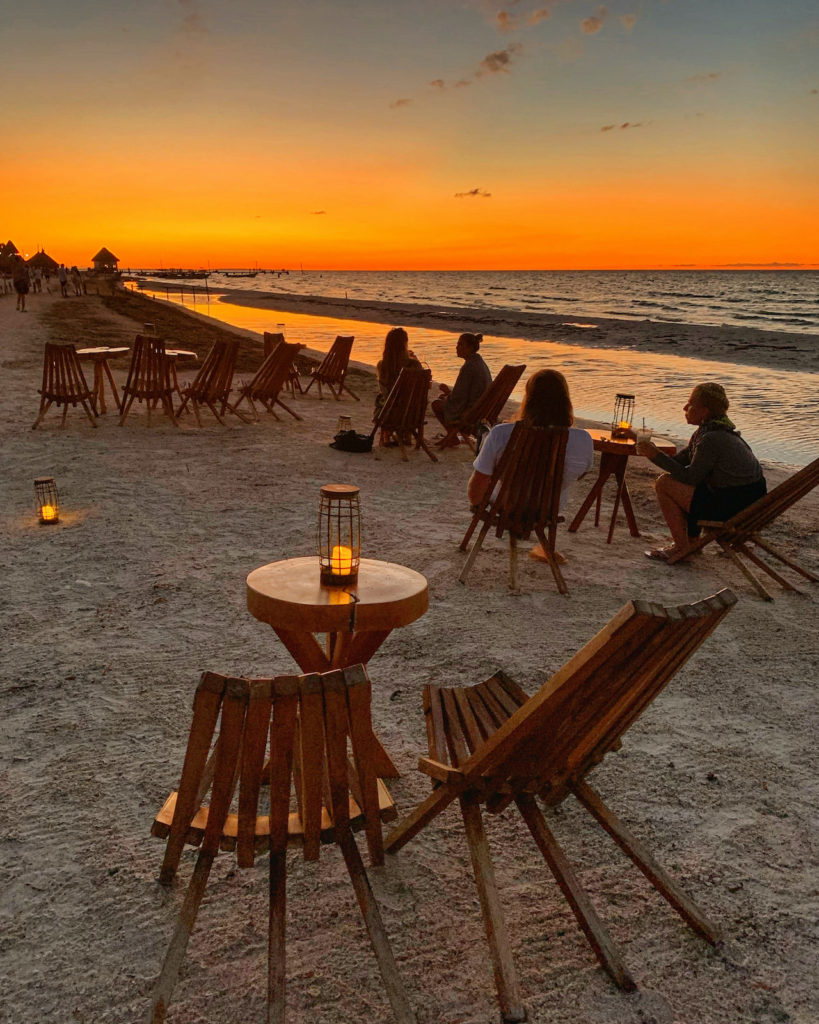
    Sunset at Punta Cocos: Holbox is known for its sunsets, and this is the ultimate place to watch the show. It’s about a half-hour walk from downtown Holbox to Punta Cocos at the western end of the island (or you can bike or take a taxi buggy). Once you’re here, it’s beach heaven: a smattering of chaise lounge chairs set amidst shrubby trees on the water’s edge, a small bar (we brought beers not knowing there’d be some to buy), hammocks strung in the water, and a pier that was closed to the public but made a nice backdrop in the sunset. Farther west, the bay opens up; we saw a flock of flamingos and at night this is where many of the bioluminescence tours operate. 
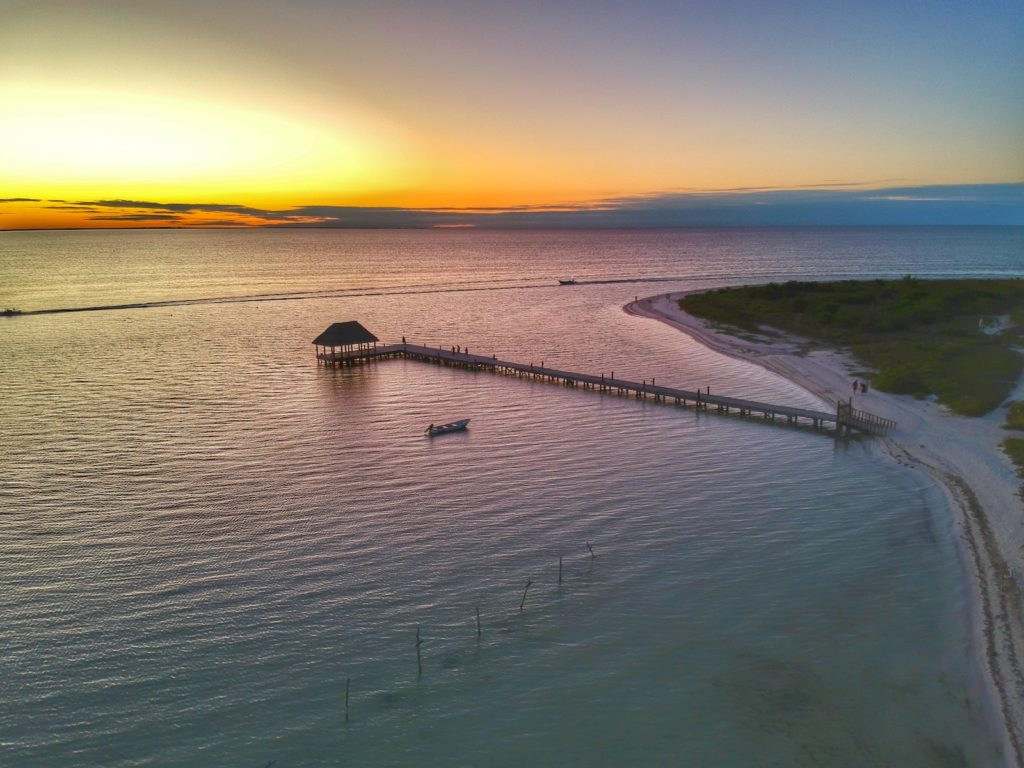
    Sunset here lived up to expectations, but what was not expected were the mosquitos that came out in force as soon as the light started to fade. Hardcore DEET bugspray was not a deterrent, these things were insane. 

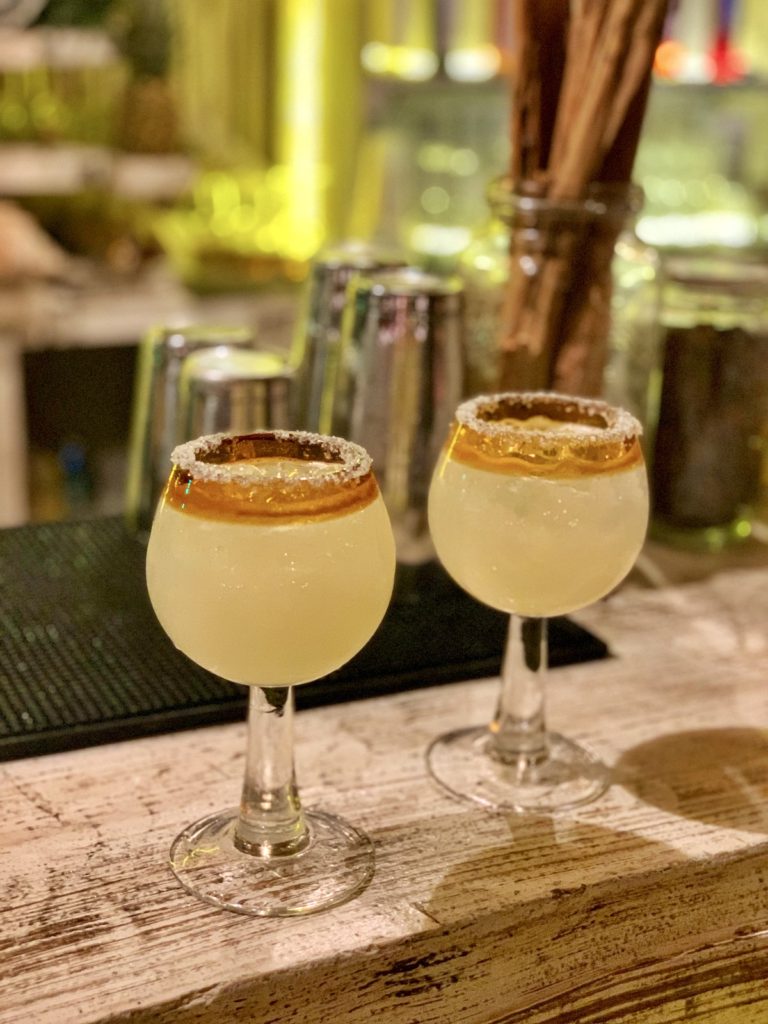
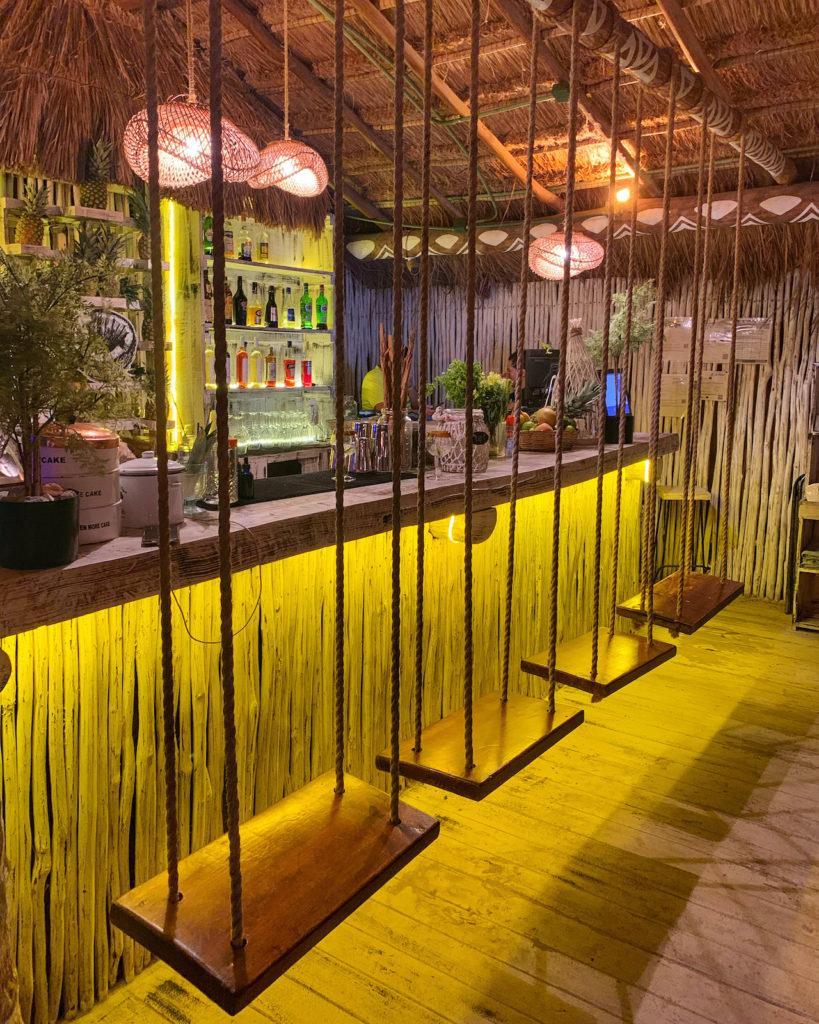
    Coquitos Beach Club: On the walk back to town from Punta Cocos, we stoped at this trendy beach club, which had a very photogenic bar swing set up, as well as some delicious margaritas. 

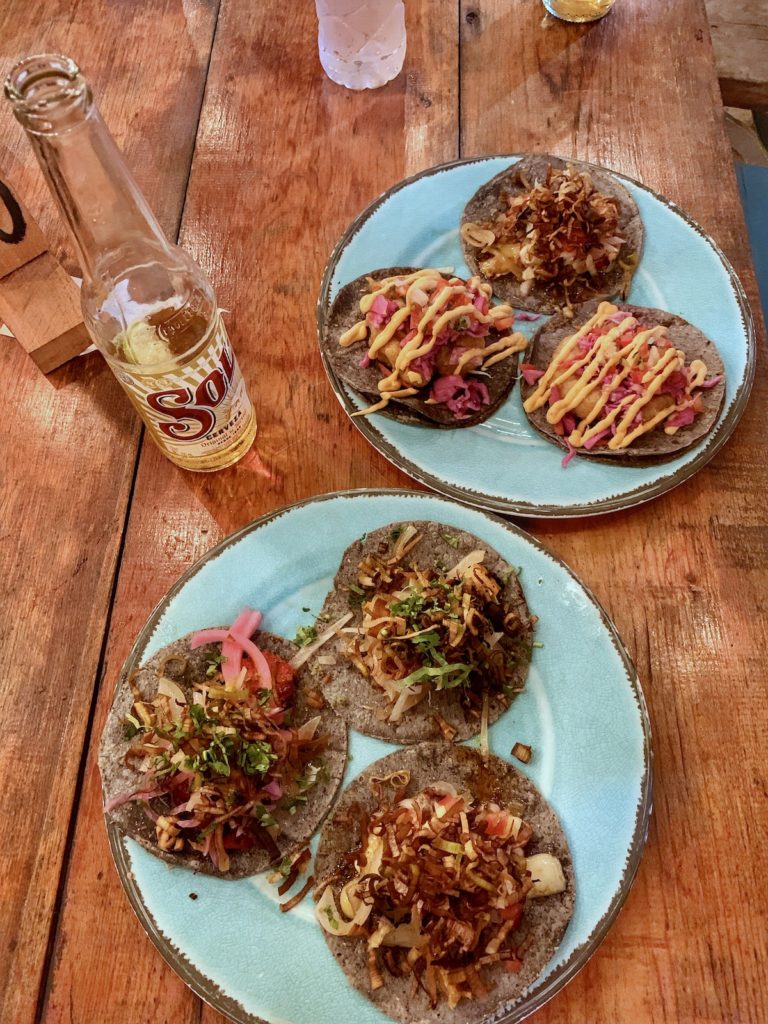
    Holbox Foodie Market: This tiny airy food hall has an assortment of different restaurants/food trucks. We did Barba Negra which had really good tacos

    Bar Arena: The rooftop bar on top of Hotel Arena has expansive views of town, plus a small pool which had a giant flamingo floatie in it.

    Hot Corner: Compared to our visit on Thursday night, Saturday was much more crowded here, though we were still able to grab seats at the outdoor bar. There were many folks sitting on street median; good people watching.
    Day 4 (Sunday)

    Because our airport transfer began at 11 am (to make it to a 5 pm flight from Cancun — we arrived at the airport at 2:30 pm), we took it easy today and spent the morning just chilling at the hotel beach.
    Want more Holbox? Check out this photo tour of the island>>
  • How to Spend 8 Days on Kauai: Travel Guide

    How to Spend 8 Days on Kauai: Travel Guide

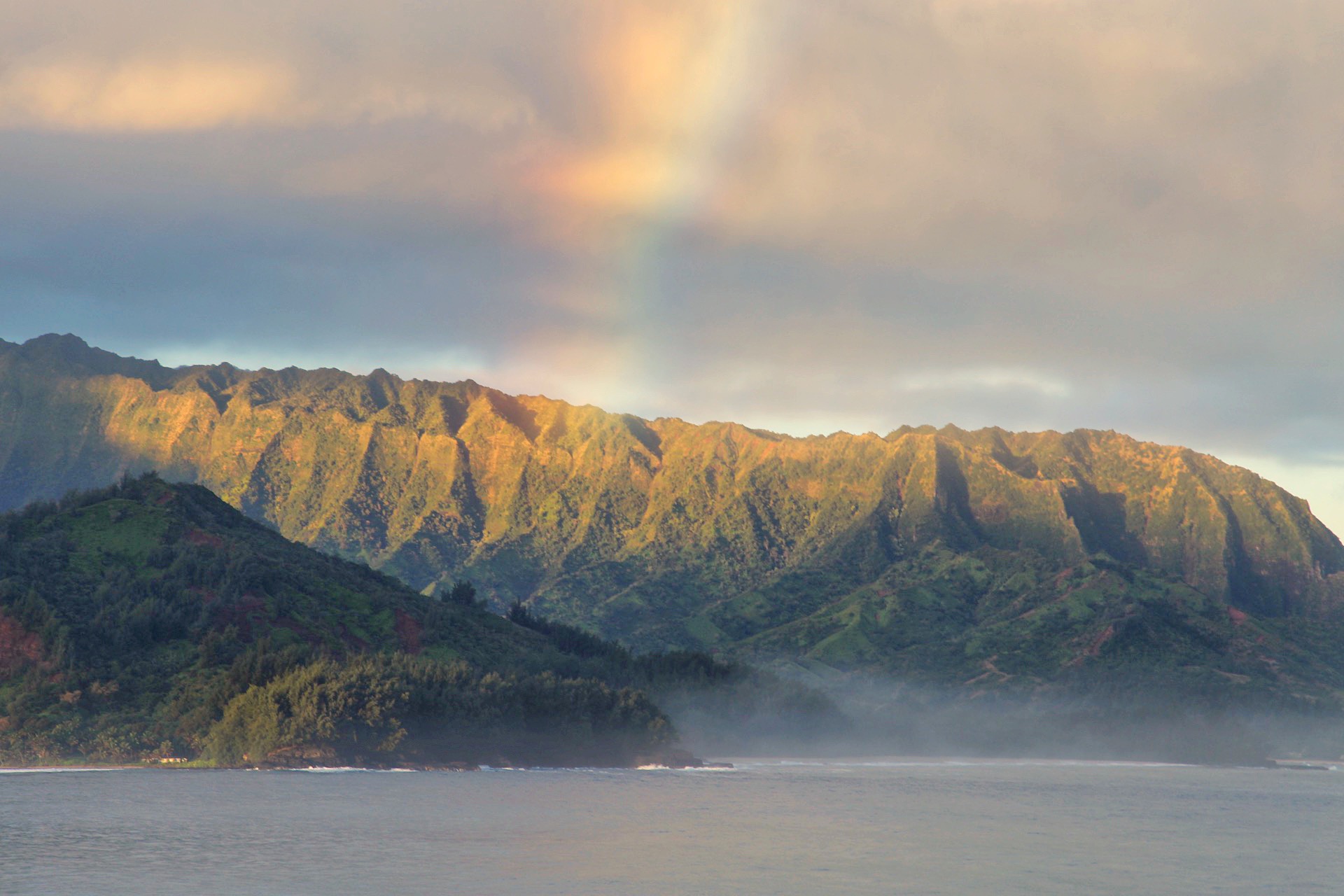
    Hawaii is my favorite place on the planet, and while every island is special, Kauai’s blows them all away. It’s stunningly green and blue and beautiful, it’s small enough to get everywhere, and it’s not quite as resorty as some of the other islands.

    In January I flew to Kauai for 8 days. It was the perfect amount of time on the island — enough beach bumming time and a handful of hikes and activities.

    The one downside was that parts of the North Shore are currently closed due to extreme flooding in the spring of 2018. The road to access Kalalau Trail, Kee Beach, and some of the other spots past Hanalei is closed, so sadly we didn’t get any Kalalau hiking in.

    Here’s what we did, ate, and where we stayed:

    Where to Stay

    One of the most common questions I get is, what side of the island should I stay on? My typical answer is, if you can swing it and don’t mind a hotel change, do half your trip on the North Shore and half on the South Shore.

    The North Shore (Princeville, Hanalei, etc.) is heaven on earth. It’s mountainy, it’s lush, it has some great food. It’s also home to my favorite beach in the world: Hanalei Bay. But it also can be rainy, and in winter the waves can be big.

    The South Shore (Poipu, Koloa, etc.) on the other hand is more consistently sunny and has beaches that are more protected so are better for winter swimming (especially if you’re here with kids). It’s also more convenient to the boat tours from Port Allen and the web of hiking trails in Waimea Canyon and Kokee State Park.

    If you’re on a budget, or are only here for a short trip, look at the East Side (Kapaa, Wailua, Lihue). It’s much more central — easier to get to any part of the island, and there are some less expensive options.

    For this trip, we actually stayed 3 places: Lihue for a night (friends graciously let us crash at their hotel when we got in), Princeville, and Poipu. I also saw 2 places that I’m obsessed with and need to come back and stay in:

    Kauai Marriott Resort: Lihue as a town isn’t that exciting, but this resort is very nice. It’s right on Kalapaki Beach, where you can swim and paddleboard and walk to a handful of restaurants. The highlight of the resort (in my opinion), is its stunning pool, and the parrots/wildlife garden in the middle of the lobby.

    Princeville Resort: Formerly the St. Regis (it recently changed hands), this is one of the best hotels I’ve ever stayed in, simply because of its location and its views. (The hotel itself is a tiny bit dated, but they’re redoing it, and also who cares because those views though.) It’s perched overlooking Hanalei Bay, so expect to spend a lot of time staring at the edge of the water…

    Poipu Kapili Condos: For our South Shore leg, we rented this condo on VRBO. It was perfect for 2 couples: plenty of space, great views, and almost constant whale sightings — in one case they were only about 100 yards offshore!

    The Palmwood: A little jungle hideaway up in the hills of the North Shore. I didn’t get to stay here but came for an afternoon and am itching to get back there. The house has 3 units, and a stay comes with incredible breakfasts. You get sunrise and sunsets over the mountains and it’s an oasis of zen and island calm.

    Gillin Beach House: When I walked by this Mahaulepu beach house, I took a picture to post in my cubicle as a “work hard to retire and buy a house like this” reminder. Welp, it turns out you can rent it! It’s the only house for miles around, has amazing beach, whales, and sunset views, and in the scheme of rentals isn’t too expensive.

    Getting Around

    You need a car on Kauai (on any Hawaiian island, really). I rented a small SUV on Priceline which cost a little under $600 for 7 days.

    Once we got to the checkin they upsold us to a Jeep for an additional $136. Jeeps aren’t necessary for most things but if you want to get to Polihale, Mahaulepu, and some of the Waimea Canyon hikes it makes the off-roading drive easier. (Though technically some of these spots aren’t covered in your rental agreement so you don’t wanna blow a tire.)

    Super glad we got the Jeep but I’ve done Kauai in a sedan in the past and it’s fine.

    What To Do

    Day 1: Arrival and Lihue

    Landed around 6 pm (moments before the sun set – first Hawaiian sunset yay!). The airport is tiny so it’s easy to pick up your car etc.

    Two friends had space in their room at the Marriott Vacation Club at the Lihue Marriott so we crashed with them. Had we not, probably would’ve driven straight to the North Shore, but after like 20 hrs of travel and 5 hrs time zone change, staying in Lihue was nice and easy.

    Food:

    • Dinner: Dukes on Kalapaki Beach: right next to the Lihue Marriott, this Hawaiian restaurant is a good entry into island life -think outdoor dining, tiki torches, drinks in pineapples, etc. The bar menu is a bit more casual and h lower prices than the upstairs dining room.

    Hotel: Kauai Marriott

    Day 2: Wailua River Kayak & Drive to the North Shore

    Made our way slowly up the east side of the island from Lihue to the north shore.

    Things We Did:

    Kapaa Coastal Path: To kill time before our kayak rental, we walked along this 3-ish mile path along the water. You can rent bikes too, right off the trail in Kapaa.

    Wailua River and Secret Falls: rented kayaks from Wailua Kayak and Canoue. There are a handful of kayak rental spots along the river but this one is easy since you can roll your boat on a wheely thing to the out-in spot. $99 for a 2-person kayak for 5 hrs, plus they have coolers, dry bags, etc.

    We paddled about 45 mins up the river to a beach where you can ditch the kayak and hike on a very muddy trail to a big waterfall. (Secret Falls, but it’s definitely not secret, lots of people.) Wish I had brought my water shoes since there were some river crossings on the hike. Bring beers and sandwiches and you can have a little picnic at the falls (you can also swim in the, but it’s collld). There are also guided tours but we just wanted to do our own thing.

    Kilauea Lighthouse: Great views and whale/bird watching (look for nene, an endangered goose — the Hawaiian state bird). When we got here it was closed for govt shutdown so we couldn’t actually go to the lighthouse.

    Hanalei Valley Overlook: I love this viewpoint over the mountains and taro fields because it always looks different in morning vs afternoon light

    Food:

    • Breakfast: Coffee bar at the Lihue Marriott. Expensive — like $6 for a make it yourself bagel and little tub of cream cheese.
    • Lunch: Mermaids Cafe in Kapaa. Got sandwiches to go for the kayak trip but the sit-down salads and grain bowls also looked great.
    • Dinner: Tahiti Nui in Hanalei. Local tiki/Hawaiian spot that is in the movie The Descendants. Live father-son duo crushed it with Hawaiian music and Hawaiian covers of classic rock songs. At around 9 all these locals poured in — I think the scene turns dancier and it’s the hangout spot, but we couldn’t stay awake to find out.
    •  

    Hotel: Princeville Resort

    Day 3: Hang on the North Shore

    Our plan was to hike ~8 miles on the Kalalau Trail to the Hanakapiai waterfall but the road is closed just past Hanalei due to major floods last spring. So you can’t access the trail or beaches like Lumahai or Kee.

    Things We Did:

    Walk Hanalei Bay: This is my favorite beach in the world, a 2-mile cerulean crescent of sand that’s backed by stunning green mountains laced with waterfalls.

    Princeville Resort Beach: Had some beach beers in the loungers at the resort beach. I had bought a cheapo mask and snorkel so popped into the water (theres a big reef just off the beach). You can also rent water gear from a little stand here.

    Hanalei Bay Sunset: Parked on the sand near the pier and watched the sun set over the bay. This sunset was especially memorable!

    Food:

    • Breakfast: Hanalei Bread Company: a hip and busy bakery/coffee shop from the folks who own Bar Acuda and Ama. Freshly baked breads too — we bought some for later.
    • Lunch: Went to the Foodland grocery store in Princeville to try save money and get breakfast/snacks for the room. That. Place. Is. Expensive! Should’ve gone to Costco or Safeway in Lihue.
    • Dinner: Bar Acuda in Hanalei. Made a reservation. They serve tapas style food (with local ingredients) that was very good. Pricey.
    •  

    Hotel: Princeville Resort

    Day 4: More North Shore Beach Time

    Things We Did:

    Walk around Princeville: There’s a walkway overlooking the ocean with benches to sit and look for whales (bring binoculars!). To see them (between Nov. and April), look for a little white puff that lingers — that’s how you can tell where they are.

    Hideaways Beach: A very steep and muddy (like there are rope railings you’ll want to grab) walkway next to the parking lot before the Princeville Resort leads to this hidden little beach. Awesome snorkeling if you bring gear and the water is calm.

    Princeville Resort Beach (again): Hung out at the resort beach again and watched boyfriends take photos of their dolled up influencer gfs.

    Anini Beach: Switched it up and headed to this beach that is super flat/safe for swimming. Popular spot among families and campers — you can pitch a tent right there next to the sand.

    Sunset at the Princeville Resort bar: Perched over Hanalei Bay, this is one of the best sunset spots. Get there at least an hour before sunset if you want a table.

    Star pics on the beach: Winter isn’t great for Milky Way visibility, but Hawaii skies are so dark you can still see it, low on the horizon. You can even see it bare eyed, plus watch for shooting stars!

    Food:

    • Breakfast: Ate groceries at the hotel
    • Shave Ice break: Went to Wishing Well, a little shack on the north side of the road as you drive into Hanalei. They have a ton of options, but I went with a simple strawberry-mango-grape ice only (didn’t add ice cream). They have some cute tank tops and hoodies and hats too.
    • Lunch: Hit up the little food truck lot in Hanalei. We wanted to eat at Trucking Delicious because it’s supposed to be awesome, but it was closed Sun/Mon so we missed it. Instead got good fresh sandwiches at Fresh Bite Kauai. There were also trucks with Thai and Brazilian eats.
    • Dinner: Princeville Resort bar — ordered a flatbread plus some wine while we watched the sunset.
    •  

    Hotel: Princeville Resort

    Day 5: Poipu, West Kauai & Whale Watching Boat

    Things We Did:

    Waterfalls: On the drive south we stopped at two East Side waterfalls that you can drive up to. First, Opaekaa Falls also has good views of Wailua River. Next, Wailua Falls has an overlook that’s quite close to the falls.

    When driving south, we took the Kapaa bypass route to avoid town traffic.

    Kauai Coffee Company: Kona coffee’s the best known, but this is Hawaii’s largest coffee estate. Did the short self-guided walking tour. I learned that you’re never supposed to put coffee in the fridge or freezer! (I don’t drink coffee though, so maybe everyone knows that already.) You can then sample like 30 different coffees. It’s all free so is an easy stop and you can ship coffee home.

    Waimea Canyon Overlook: Drive up the windy road from Waimea town up to the canyon. There’s a big parking lot at the main canyon overlook. If it’s cloudy wait a bit to see if they blow through.

    Hanapepe: A tiny little west Kauai town with some art galleries and a swinging bridge you can walk across. It’s kinda underwhelming, but on Friday nights they have an art walk that sounds like it’s cute if you’re out here.

    The whole west side of the island is much hotter, more arid and things are covered with a red dust.

    Glass Beach: Right near the Port Allen boat launch is a beach that doesn’t look like much when you pull up but walk up to the waters edge and you’ll see that the sand is largely little pieces of sea glass. It’s mostly clear and brown glass but you can find some nice blues and greens in there.

    Kauai Island Brewing: Stopped at this brewpub for a pint before our boat left. It’s a quick walk from the Port Allen boat harbor.

    Whale Watching Tour: During whale season (Nov. to April), pretty much any boat you get on turns into a whale watching cruise. But we opted for Blue Dolphin Charters’ specific whale watching tour because we wanted to follow the whales, rather than see them along a prescribed snorkel/Napali Coast sailing route. In our case we didn’t have to go far — saw at least 6 whales, including one that surfaced right near the boat! They also served Mai Tais and beers, plus some food.

    Food:

    • Breakfast: Swung by Hanalei Bread Co. again for that awesome fresh bread.
    • Lunch: One of my favorite spots on the island is Puka Dog, which does Hawaiian-style hot dogs. They toast the roll from the inside and fill it with special sauces and Hawaiian relishes like pineapple or mango. Not the most traditional Hawaiian meal, but it’s better than any stadium hot dog you’ve ever had.
    • Snack: Lapperts ice cream is a Hanapepe tradition, and on a hot day the homemade island-inspired flavors are just right.
    • Dinner: Snacked on pupus that were served on the whale watching boat, then came back to our condo and snacked more on the food we bought at Safeway in Lihue on our drive south.

    Hotel: Poipu Kapili condo

    Day 6: Big Hike and a Big Beach

    Things We Did:

    Awaawapuhi hike: This is a tough but totally worth it 6-ish mile hike to a spectacular viewpoint overlooking the Napali Coast. You park at the trailhead in Kokee State Park (pick up a hiking stick at the start of the trail), then head a little over 3 miles downhill to the overlook. This part’s pretty easy, unless it recently rained and then it’ll be slippery.

    The viewpoint has a metal observation rail, but you can walk down another 100 feet or so to a better view. From here you can keep going farther but it crosses a thin ledge that has 2,000 foot dropoffs on either side. Usually I’m all for those scrambles but I got vertigo just looking at it so stayed behind. The tough part on the hike comes on the way back up — it’s that same 3ish miles back uphill, so bring plenty of water. The whole hike takes 3-4 hours.

    Polihale Beach: The longest beach in Hawaii is also one of the most remote. To get here you’ve gotta bounce down a long unpaved potholey road (hence the Jeep, though it was dry so we saw smaller cars doing it). Once you’re here it’s rugged and beautiful — the cliffs of the Napali Coast bookend the northern beach, the waves are huge, the dunes are huge, and the beach stretches for like 7 miles. It’s a perfect place for a picnic, especially at sunset. But don’t plan on swimming, and be careful if it’s rainy — the road in floods.

    We then got back and tried to go to a farmers market in Koloa which is open on Wednesdays, but I think we missed it. Spent the evening watching whales and sunset from the condo in Poipu.

    Food:

    • Breakfast: Stopped at Aloha Roastery in Koloa town for coffee.
    • Lunch: After our hike we stopped at Island Taco over in Waimea. The food was good but for some weird reason they didn’t let you mix and match taco orders; your 2 tacos had to be the same type. Also slow service.
    • Dinner: Keokis Paradise is run by the same people who do Duke’s. It’s a fun open air tropical restaurant with tiki torches. Feels pretty touristy, but apparently locals like the bar too and hey, you’re a tourist. Eat at the bar for lower food prices (but still good options).

    Hotel: Poipu Kapili condo

    Day 7: Helicopter and Poipu

    Things We Did:

    Jack Harter Doors-Off Heli Flight: This is a total splurge that’s totally worth it. Seeing Kauai by helicopter gives you an amazing view of parts of the island that are otherwise inaccessible.

    Usually I think it’s best to do this early in your trip — that way you get a good sense of what’s where on the island and you have time to reschedule if the weather’s bad on flight day. We waited til the end of our trip because we had 2 friends coming in who we wanted to fly with. Went in the morning which is good for visibility— we lucked out and had no clouds on Mt. Wai‘ele‘ele so got to see the summit. But morning light on Napali is harder for photos; afternoon light is probably best for that part of the coast.

    We chose the doors-off helicopter because it is better for photos: you have no reflections getting in the way of your shots. It is cold though — wear pants and a jacket if you do it.

    Koloa Town: This little cross-roads is much cuter than resorty Poipu. There’s a block or two long stretch with cafes and some shops.

    Mahaulepu Beach: This is a beautiful rugged stretch of coast just east of Poipu. It’s hard to get to (made harder right now because there was a film set barring the main road in) — the road is unpaved so again a 4WD car is highly recommended. Keep an eye out for monk seals sleeping on the beach and whales playing offshore. There’s also a coastal trail here that goes from near the Grand Hyatt about 2 miles to the beach (we didn’t hike it though).

    Food

    • Breakfast: Ate groceries at the house
    • Lunch: Grabbed sandwiches and mac salad at Koloa Deli
    • Dinner: Made reservations for a sunset dinner at The Beach House, which is right on the water. This is one of Kauai’s “special occasion” spots (though I think sunset is a special enough occasion to go here on its own!). It’s a bit pricey, but the food (seafood and island faves) is fantastic and the sunset view is one of the best on this side of the island.

    Stay: Poipu Kapili

    Day 8: Waimea Canyon Hike and Departure

    Our flight didn’t leave til 11 pm (which was almost impossible to stay awake for, given the east coast time change), so we took advantage of our last full day plus friends who were staying longer’s B&B to shower before the plane.

    Things We Did:

    Canyon Trail Hike: This Waimea Canyon hike takes 1-2 hours and is about 3 miles round trip. It’s not too tough; you climb down to the canyon rim, then walk along that (look for goats on the cliffs) until you hear the waterfall (and people screaming in the cold water). This is the waterfall that you can see across the way at Waimea Canyon overlook; this hike takes you to the top of it, where you can sit overlooking the canyon. The climb back up is a bit of an effort, but not as long or sustained as Awaawapuhi.

    Getting to the trailhead’s the hardest part. For this you need a Jeep or 4WD — the road is crazy bumpy. If you don’t have that car you just have to park at the top and walk down said bumpy road an additional 3/4 of a mile to the trailhead.

    Puu o Kila Lookout: Just past Kalalau Lookout (stop there too; we were hungry so skipped it), this is where you’ll find that classic postcard view of the green folded cliffs of Napali Coast. Look down into the Kalalau Valley — apparently a bunch of hippies live off the grid in the jungle here (this is a fascinating story about them).

    Warehouse 3540: We drove by this place a bunch not really knowing what it was and finally stopped on our way back east. OMG what a cool spot — it’s a warehouse-turned-market for all these adorable artists and shops, plus a handful of food trucks. I bought some prints at Ocean Paper because I was obsessed with everything they had.

    The Palmwood: Our friends were spending the rest of their stay at the Palmwood, a B&B-style retreat in the jungle on the North Shore. What an amazingly peaceful and beautiful spot. Definitely want to come back here for a stay.

    Food

    • Breakfast: Cleaned out the last of our groceries at the condo.
    • Lunch: Kauai Poke Co. is one of the food trucks at Warehouse 3540. The poke bowls were delicious and use all locally caught ahi.
    • Dinner: En route to the airport we stopped in Kapaa for a meal at The Local. This friendly spot had live music and the walls were decked with amazing scenes by a local photographer. Most of the menu items are locally sourced.
  • How to Spend 9 Days in Peru: Travel Guide

    How to Spend 9 Days in Peru: Travel Guide

    I spent a week in Peru in November (over Thanksgiving) with a friend. We visited Cusco, Lima, and hiked the Inca Trail to Machu Picchu. Here’s what we did:

    How I Got There

    We flew Avianca from Dulles to Cusco, transferring through San Salvador and Lima (and snoozing in that airport for a bit since there was a latenight layover).

    Where I Stayed

    Cusco: Hotel Marqueses: About a 5-minute walk from the Plaza de Armas, this charming little hotel was quiet, clean, and rooms overlooked a nice little interior courtyard with a fountain. Because the hotel was next door to our Inca Trail trekking company, they let us store our bags there during our trip (though they might do that anyway, the staff was super accommodating).

    Aguas Calientes: Hostel Viajeros: If you’re coming off four days of Inca Trail hiking, this place is fine (it has toilets and marginally functional showers, which is all you’ll care about at this point). Otherwise steer clear; it’s old, dark, and dingy.

    Lima: Hotel Antigua Miraflores: A cute and quirky hotel in Miraflores. It kind of feels like staying in someone’s mansion, and the restaurant is good.

    What I Did

    Day 1: Cusco

    Plaza de Armas: The main square in Cusco, and my favorite spot. Come here any time of day, but at sunset the dusk light is beautiful. There are two churches here — the Cathedral and Iglesia de la Compañía de Jesús, where you can climb up for a good view of the square. There are also a handful of restaurants and bars surrounding the plaza where you can get seats on balconies overlooking everything.

    San Cristobal Church: Since we, like many visitors to Cusco, were here to acclimate before hitting the high-altitude Inca trail, we figured we’d start exploring with a bit of a hike up to this church overlooking the city. This. Was. Hard. Altitude is no joke. But the view from this church is a great one, and worth the breathlessness.

    San Francisco Church and Monastery: We “popped” in to see the bones in the church’s catacombs, but didn’t realize this meant joining a very long and uninteresting tour. There was some nice art (and some very strange fantastical modern art), but plan for an hour if you’re going to visit/do the tour.

    Papachos: A contemporary burger restaurant with balconies overlooking Plaza de Armas. There’s a good alpaca burger here (alpaca is one of your “must try” Peruvian dishes). Gaston Acurio, the chef, is a big deal in Peru.
    San Pedro Market: Food, crafts, and alpaca knits. This big market is a great place for snacks or to load up on local knick knacks for people back home.

    Qurikancha: You can see layers of history here. It once was the most important Incan temple, covered in gold to honor the sun god. Then Spanish colonialists took all the gold and built a church on the site. Now you can see the ancient temple walls as well as the church, a convent, and a nice little garden.

    Pisco Museum: Museum is a strong term, this is really just a bar with an enormous pisco selection and some enlightening wall art about how the drink is made.

    Calle del Medio Restaurant: You can try fancy cuy (guinea pig) here. “Fancy” because your dish won’t look like a roasted rat (as other places serve it) … the cuy here comes in more of a filet form, adorned with flowers and salad.

    Day 2: Cusco

    San Blas: An artsy neighborhood up a hill. It’s an easy walk from the Plaza de Armas and a great place for eating, shopping, and wandering. The small square around the San Blas church has lots of local craft and jewelry vendors, and some shops nearby sell alpaca knits.

    Cafe Loco: Supposedly one of the best coffee spots in Cusco. I don’t drink coffee so have to defer to others on this.

    Jack’s Cafe: One of the most popular expat hangouts, this place has HUGE sandwiches and is a good brunch spot. There’s no WiFi (they’re so popular they can’t give people more reason to linger longer).

    Cava Mora Restobar: A balcony bar and restaurant overlooking Plaza de Armas.

    Cicciolina: An upstairs, upscale tapas and wine bar, this place buzzes at dinner time. The food is excellent, and ranges from Italian to Spanish to Peruvian.

    Day 3: Inca Trail

    Inca Trail: this is the “easy” day. (Easy is all relative.) See my Inca Trail post for full details.

    Day 4: Inca Trail

    The “challenge” day of the Inca Trail. Basically you climb straight up, then down, a 14,000-foot Andean peak. Diamox is essential.

    Day 5: Inca Trail

    The “unforgettable” day – you’ll start seeing more and more Incan archaeological sites. But it’s also the longest day, with lots of tromping down stairs.

    Day 6: Inca Trail & Machu Picchu

    Machu Picchu! Thank god.

    Doing the hike, you arrive in the early morning at the Sun Gate. Then you’ll have to climb down and grab tickets and re-enter to tour the site.

    Aguas Calientes: The little tourist hub at the base of Machu Picchu. I don’t have a lot of great things to say about this town, except that there are toilets with seats and beds with sheets. And pizza. Believe me, after 4 days of trekking these were all incredible luxuries. Otherwise it’s a town of kitschy souvenirs and tourist restaurants and bars.

    Day 7: Machu Picchu & Cusco

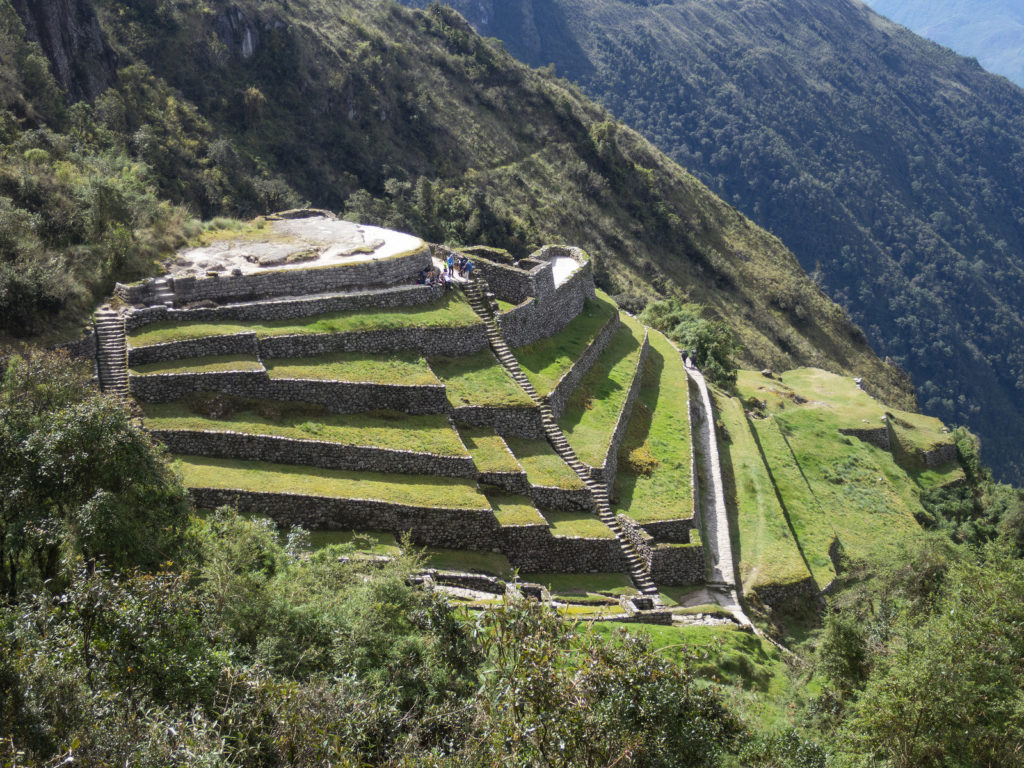
    Huayna Picchu: You need a timed ticket to climb the iconic mountain at Machu Picchu. It’s about a 45-minute hike up the mountain, once at the top you’ll have awesome views of the site below. There are some viewing ledges where many people stop their climb, though you can go all the way to the boulder-y top. Coming down you have two choices: the short way, which is NOT for anyone who’s scared of heights (these stairs are part of the route), or the long way around the mountain past the Temple of the Moon. The long way is LONG — for me, after 4 days of Inca Trail trekking, the extra 3 hours of hiking up and down through the humid jungle this was the last straw for my legs. So I’d recommend the shorter route unless you find heights debilitating.

    Train from Aguas Calientes to Cusco: The tourist train has big windows so you can take in the sights. Unfortunately ours broke down and then had to pull another broken train so it was dark for most of the ride. The train doesn’t connect all the way to Cusco; you have to take a bus for the last 45 mins or so.

    McDonalds: Yes, we ate McDonalds in Peru. For Thanksgiving dinner. We were supposed to arrive back in Cusco around 7 pm but because of delays we didn’t get back til closer to 11. So, McDonalds it was.

    Day 8: Lima

    La Mar Cebicheria: Lima’s not my favorite place, but the food here is definitely worth a stop. This trendy restaurant is in a fringe part of the Miraflores neighborhood, but once inside we were wowed by the cocktails and tasting flights of ceviche. One of the best meals of our Peru trip.

    Huaca Pucllana: An ancient, pre-Incan ruin, right in the middle of urban Miraflores. Honestly, historical significance aside, this site was super underwhelming; it looks like a big pile of bricks. Worth a 10 minute visit, or better yet, come at night when the ruins are lit.

    Costa Verde and Larcomar: This coastal string of parks and upscale shopping mall built into a sea cliff is a nice way to stretch your legs in Miraflores. There are art installations and workout stations along the way.

    Barranco: This is Lima’s coolest hood — for nightlife, come here. Bars and restaurants are hopping, galleries and outdoor art bring the culture, and you’ll find random pop-up street performances.

    Orient Express: This tiny bar in Barranco is modeled after a train car. Climb aboard and sip some delicious pisco sours.

    Day 9: Lima

    Plaza de Armas: Downtown Lima’s central square is grander than its Cusco counterpart.

    Convento de San Francisco: The catacombs here are the real deal. You also have to join a tour to visit the skulls and bones in the crypt. Photography isn’t technically allowed here.

    La Casa de la Literatura: A museum honoring Peruvian writers, this place is a must for any book nerds.

    Hotel Bolivar: This classic hotel in downtown Lima claims to have the best pisco sours in the city.

  • What to Do with 2 Days in Chicago

    What to Do with 2 Days in Chicago

    In August I traveled to Chicago for 2 days. While much of it was spent in meetings, I was able to eat, drink, and see some of Chicago’s finest. Here’s what I did:

    How I Got There

    I snagged a great Wanna Get Away fare on Southwest Airlines. Flew DCA to Midway for $98 round-trip … and only booked it two weeks in advance. (Guess that’s what a Tuesday — Friday schedule gets you!)

    Where I Stayed

    JW Marriott Chicago: The hotel is about a 10-minute walk from Millennium Park, and is blocks from the Willis Tower. It’s a nice upscale city hotel. There’s a large lobby with a bar and lounge area (though it didn’t stay open all that late). It’s in the Loop, so surrounded by businessy spots like Starbucks and take-out lunch restaurants. Rooms were cool, clean, and have those wonderful Marriott beds.

    Chicago Bean

    Day 1

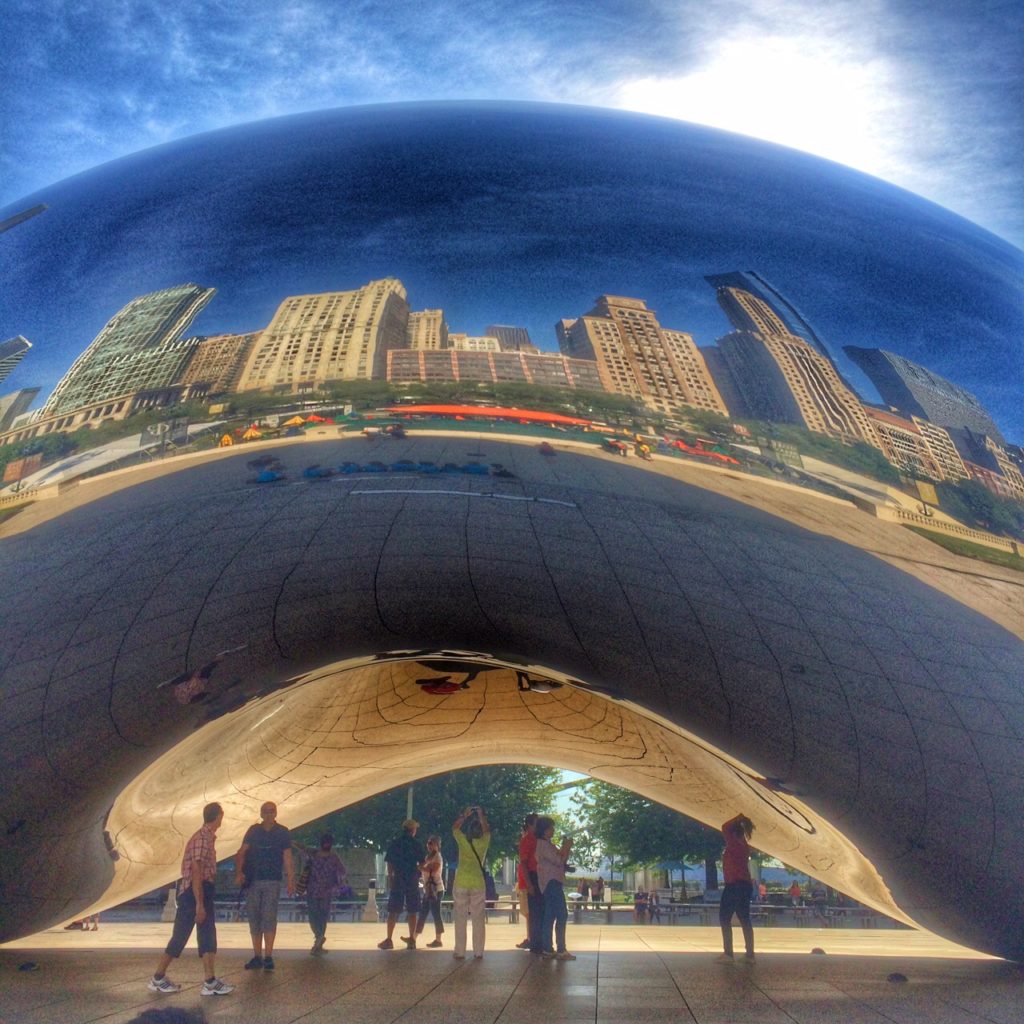
    The Bean: My favorite place to photograph in Chicago. I snuck a visit in before work and snapped some pics of the buildings and blue sky reflections.

    Tortas Frontera: From chef Rick Bayless, this Mexican quick-lunch spot serves hand-crafted sandwiches and a salad with lime-avocado dressing that I never would have ordered had it not been recommended by a colleague. Now I can’t wait to get back and order another one of those salads…

    City Winery Chicago Riverwalk: This whole Riverwalk district is brand new, with bars, restaurants, and more kayak rental shops than I’ve ever seen in a city. The winery was bursting with post-work happy hour-ers, and since you can’t take your drinks beyond a certain point, I just sat on the steps and watched the boats chug along the river a few feet away.

    Parlor Pizza Bar: Pizza in Chicago means one thing: deep dish. Except not at this West Loop hotspot, where Neapolitan pies are as creatively topped as they are named (check out the Cheesus, Mary & Joseph).

    RM ChampagneThis West Loop champagne bar has a great outdoor patio. Twinkle lights, exposed brick, and 12 types of bubbly all help you forget the fact that you’re kind of drinking in an alley. (There’s also a large indoor space.)

    Three Dots and a Dash: My colleagues and I closed out the night at this underground tiki-style bar. It’s known for its cocktails, but I’m even more of a fan of the ceramic tropical mugs that the drinks come in.

    Wrigley Field

    Day 2

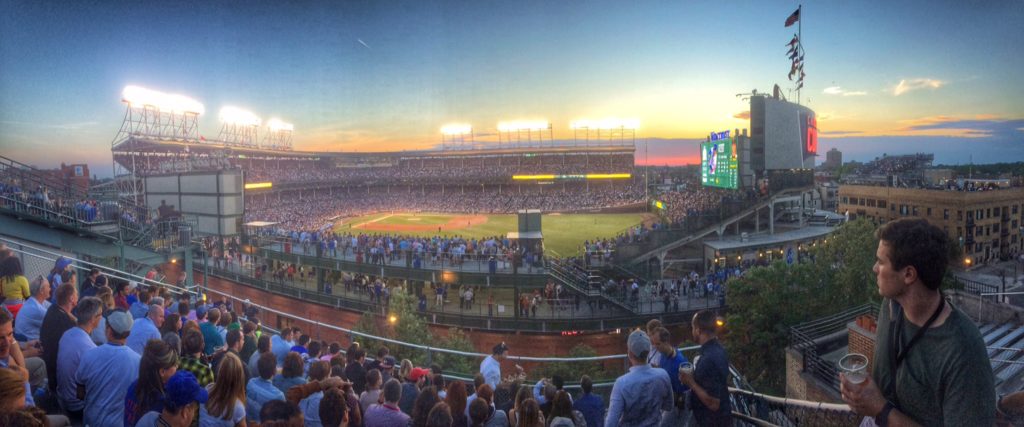
    Wrigley Rooftops: 3643 n. Sheffield: After a day of meetings we took a trolley from the Loop out to Wrigleyville for a Cubs game at the Wrigley Rooftops. New updates to Wrigley Field (a big jumbotron and more public space) has spoiled the view from some of the rooftop venues, but we could see everything but the deep outfield. The rooftops aren’t so much about the baseball, but more about the all-you-can-eat-and-drink deals. The menu included dogs, brats, and some ballpark sides, plus a good selection of wine and beer.

    Cindy’s RooftopThe rooftop bar and restaurant at the Chicago Athletic Association has a prime view overlooking the Bean, Millennium Park, and Lake Michigan. The place has an industrial-chic style and a cocktail menu called the “Potions & Elixirs” list.

    Hangge Uppe: A go-to late night dance party bar, apparently any night of the week. Come here if you want to keep the party going until 4 a.m. Think college dive, not techo club.


  • What to do on a 12-hour Paris Layover

    What to do on a 12-hour Paris Layover

    What to do on a long layover in Paris? It can be tricky to leave the airport, even if you have 5 hours. But if you have a really long layover — like my 12-hour gap between flights this August — you can actually squeeze in a lot.

    In 12 hours I was able to hop around to seven of Paris’s top sights, plus scarf down some French food (and vin, of course!), while making it back to CDG with plenty of time to check in for my flight. Here’s how I did it:

    First, travel light. I checked my bags at CDG (about 28 euros for 12 hours) near the train depot. Then I bought a 1-day transport pass for RER trains (including the airport) and hopped on the train into the city.

    Stop 1: Sacre Coeur

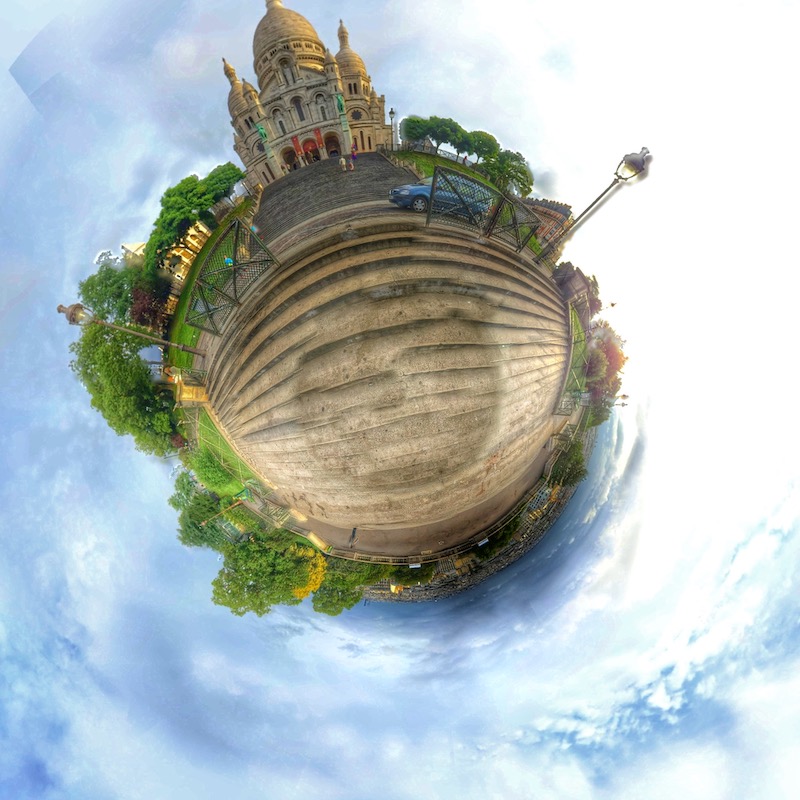
    I got to this hilltop church around sunrise. It was freezing and the church itself wasn’t open yet, but there were very few people around and it was very peaceful. A wonderful view of the city here. I then wandered around the Montmartre streets surrounding the church — most were empty, but some were starting to show signs of life at cafes. Then walked down to stop 2: Moulin Rouge.

    Stop 2: Moulin Rouge

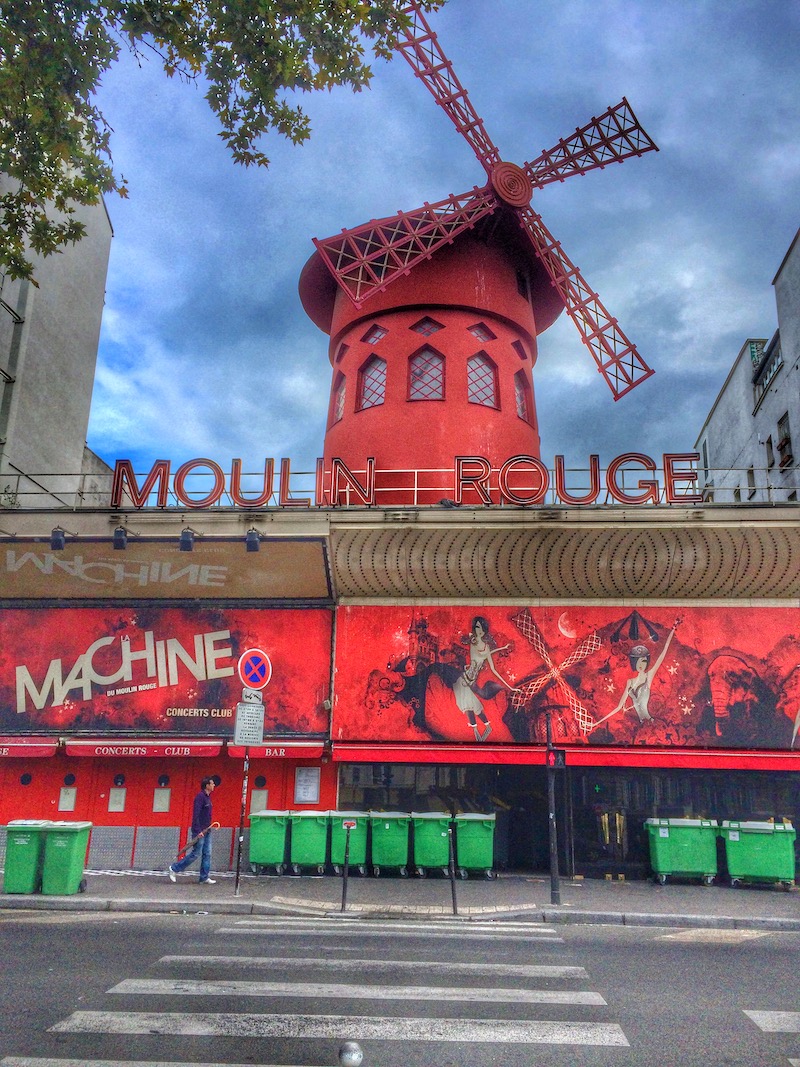
    This was a total fan-nut stop, as I saw the Baz Luhrmann movie like seven times in the theater. It was still super early, nothing was open, but I stood across the street and pretended Ewan McGregor was serenading me.

    Stop 3: Arc de Triomphe

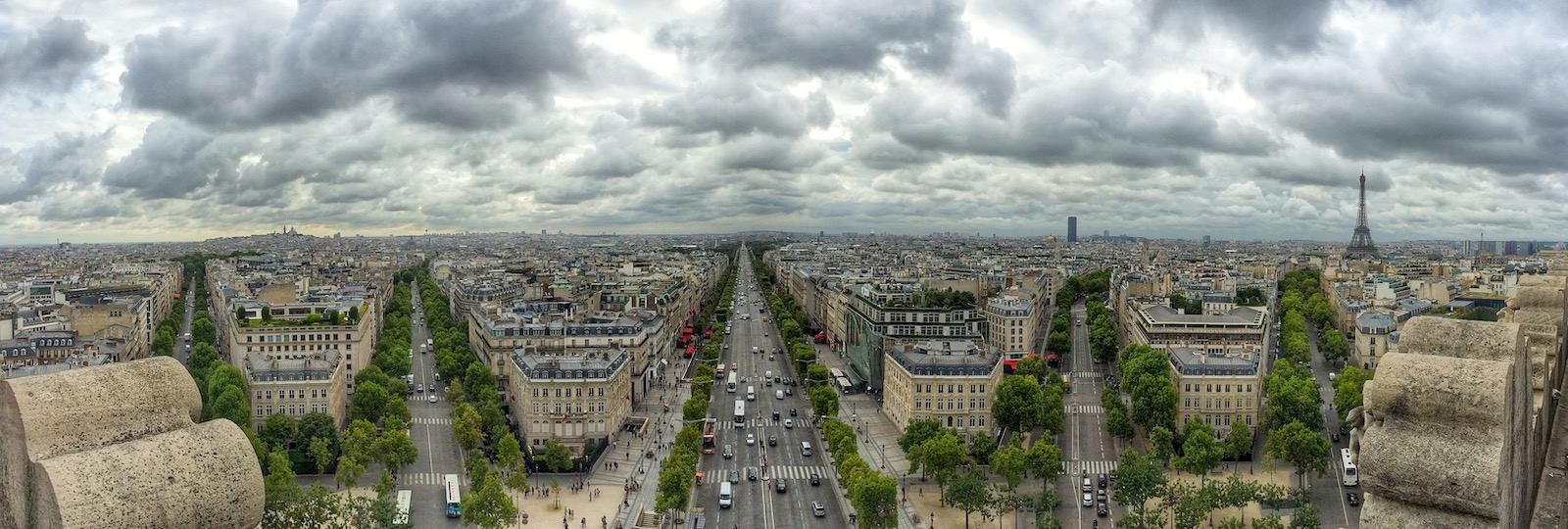
    This was my third trip to Paris, but the first time I’d actually gone to the top of the Arc. That was a mistake. The views from Sacre Coeur, Notre Dame, and the Eiffel Tower are awesome. But the 360-degree view from the Arc, with 12 streets radiating from its base like spokes, feels more connected to the city and is now my favorite Parisian panorama.

    Stop 4: Bastille

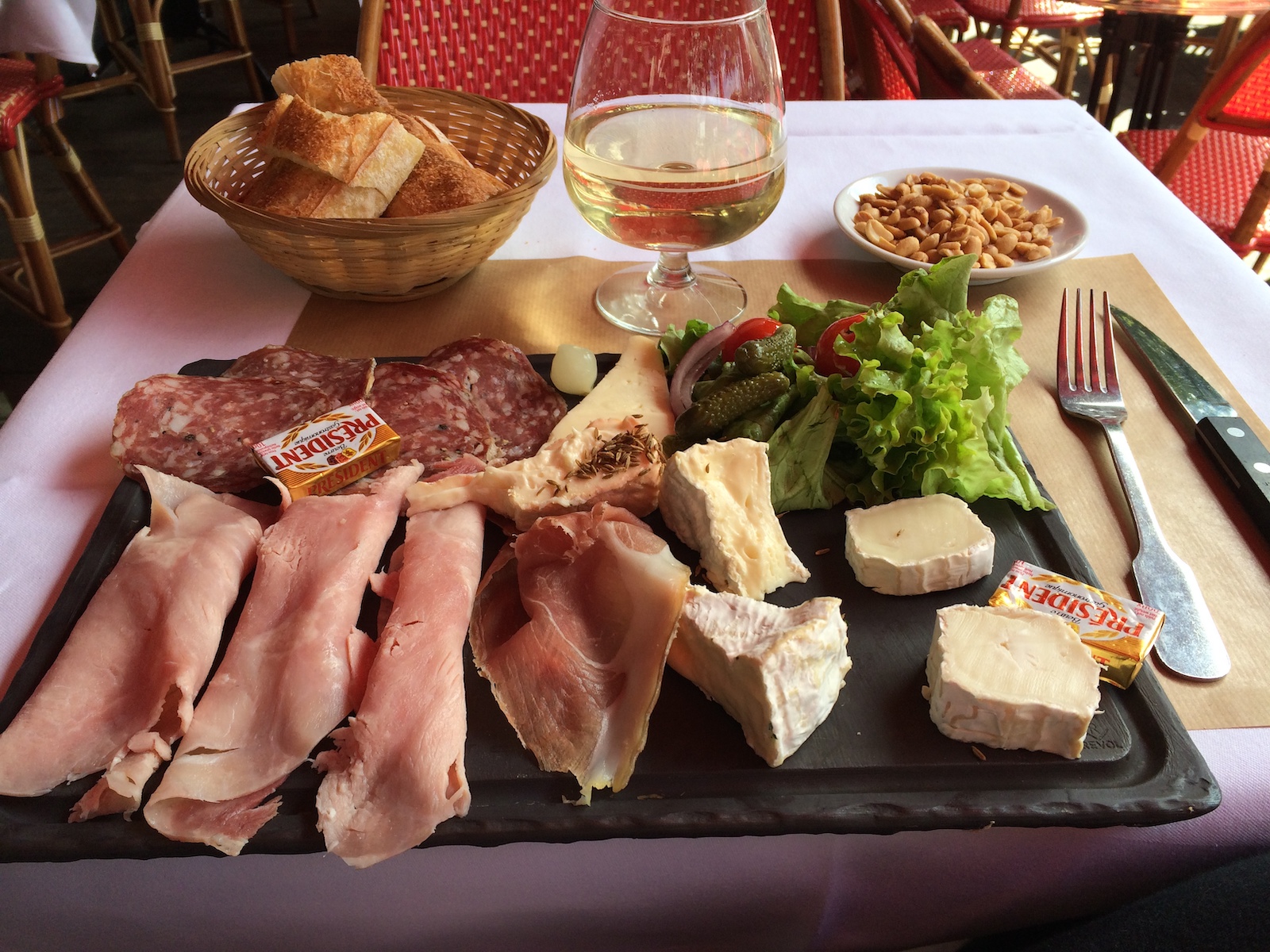
    I metroed from the Arc to the Bastille stop and parked myself at one of the standard cafes around the square.

    Stop 5: Canal St-Martin

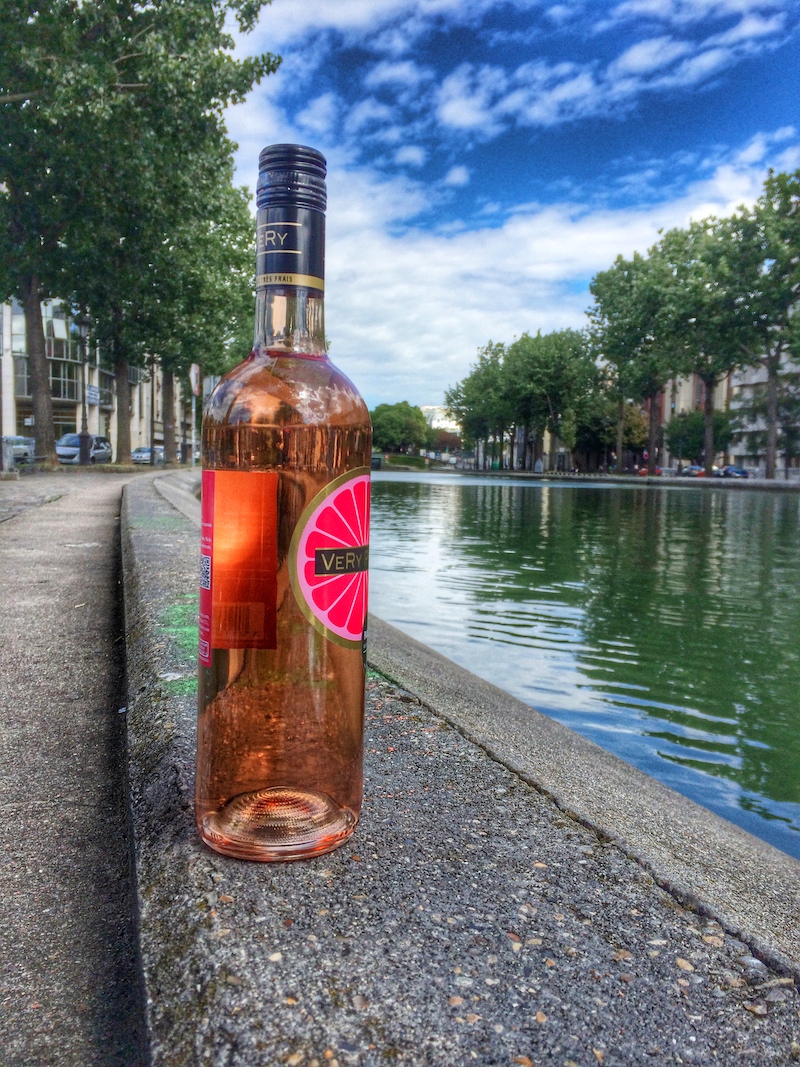
    After gorging on cheese I walked through Bastille up to Canal St-Martin. I had heard Canal St-Martin was the hip “new” Paris hood to visit. It was quiet along the canal; shady trees and bridges crossing over the green water. People were taking walks, but it was early afternoon on a Monday, so things were relatively quiet. I stopped in a supermarket and bought a 5-euro bottle of (not chilled) rose to drink along the water. It wasn’t worth the 5 euros…

    Stop 6: Notre Dame

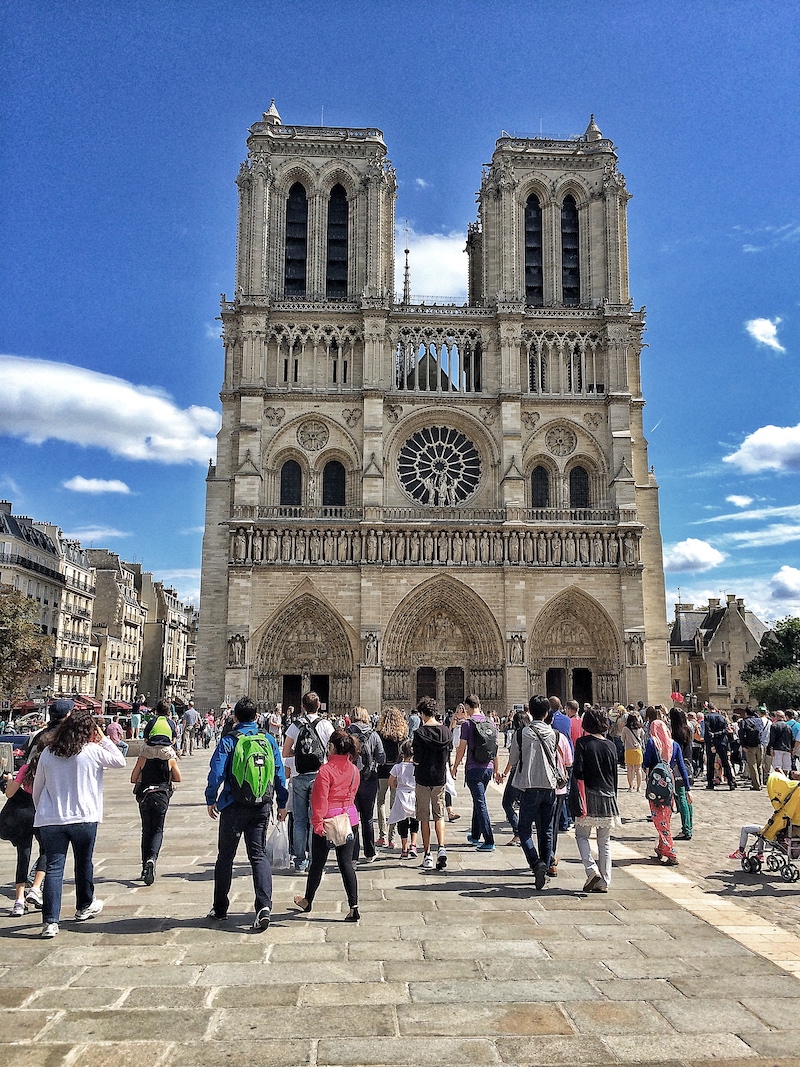
    This is my favorite spot in Paris; it just feels like the center of the world. I didn’t think I’d have time to make it down here from Canal St-Martin on my way back to the airport, but I actually had plenty of time to metro down to the cathedral and wander around Ile de la Cite.

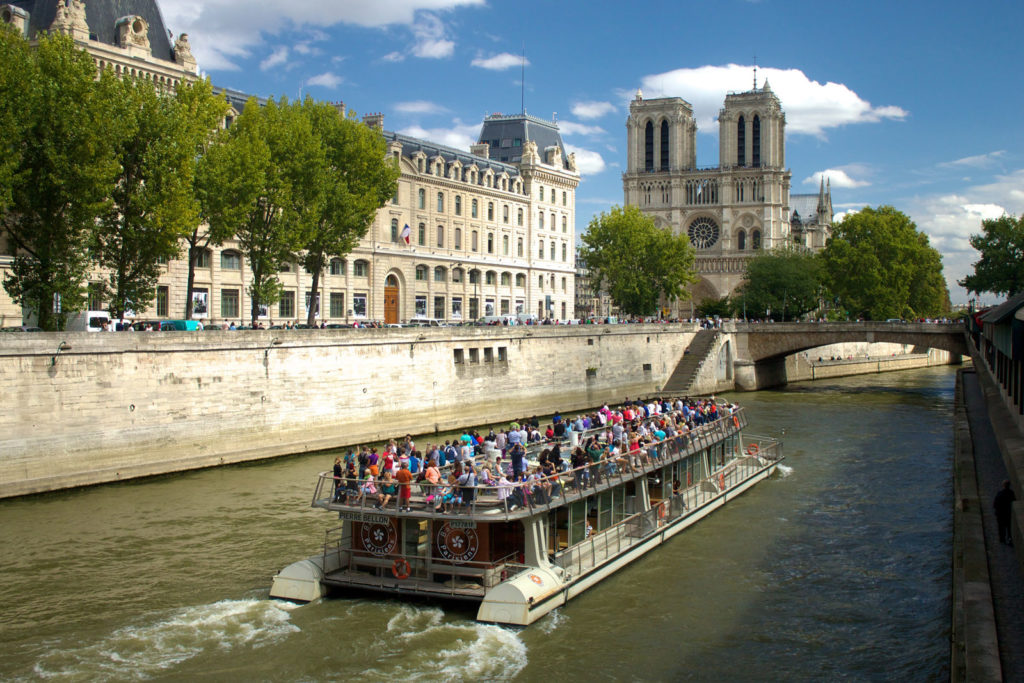
    Stop 7: Seine

    Before taking the RER back to CDG, I took a walk along the Seine and watched the boats. Hopped on a 3:30 train back to the airport, picked up my bags, and had plenty of time to check in for my 6:50 pm flight.

  • 8 Days in Portugal

    8 Days in Portugal

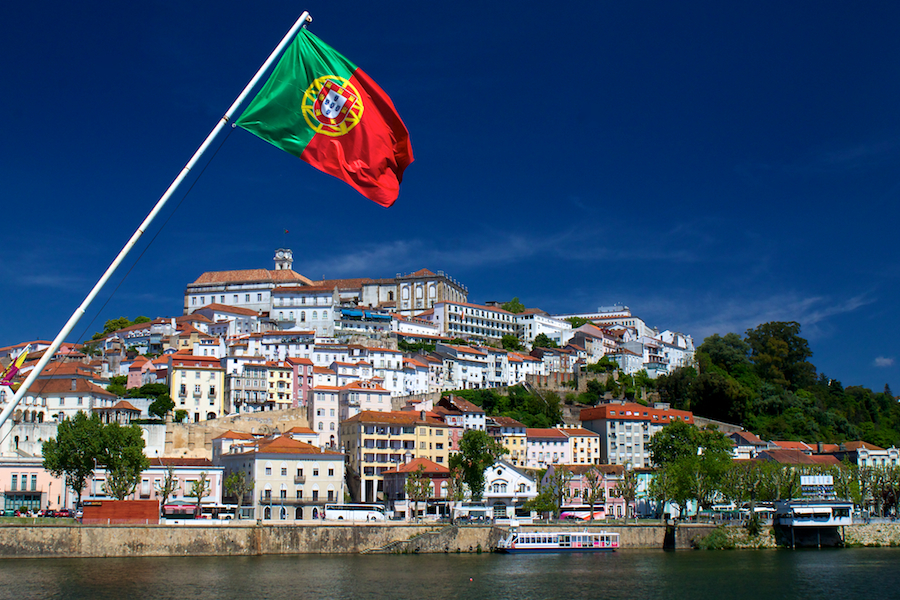
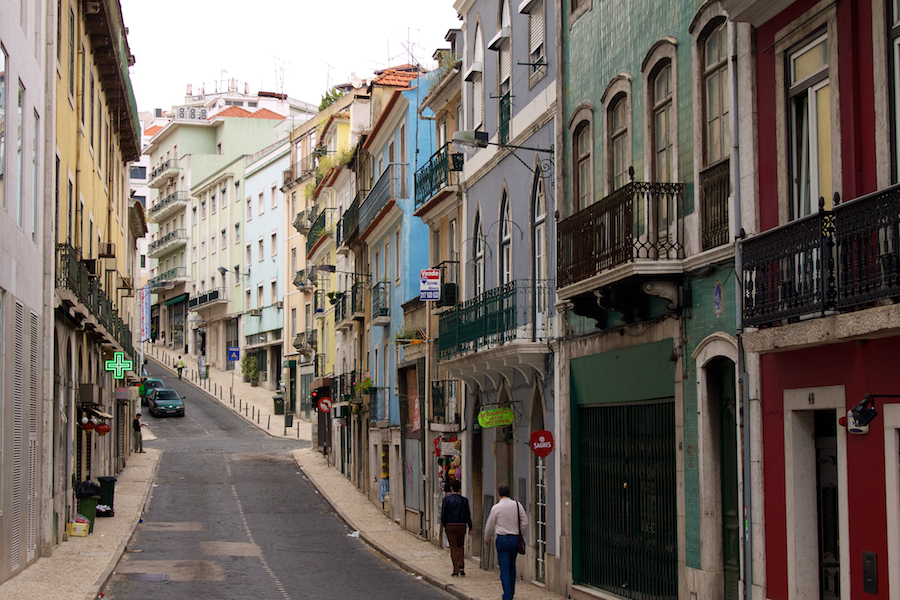
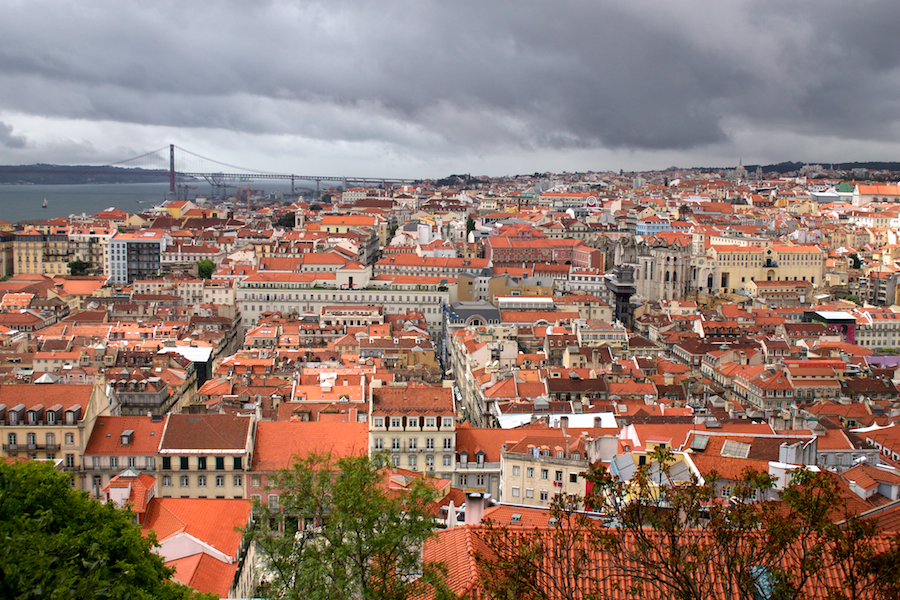
    In late April/early May I took a family vacation to Portugal—a multigenerational trip for my grandma’s 80th birthday. Here are my (rough, unedited) notes on what I did:

    How I Got There

    United flight from Newark: it was a small plane for an overseas flight; just 3 and 3 seats.

    Where I Stayed

    Lisbon

    Portuguese Soul: A 5-bedroom apartment that can sleep up to 15 people near the Saldanha metro station. The owner is a local artist and each room is beautifully decorated with its own themed artwork, such as a full-wall line sketch of the Lisbon cathedral.

    Douro

    Quinta de la Rosa: A working quinta (vineyard) near Pinhao, this place overlooks the river and has a fabulous outdoor terrace where meals are served. Ask for one of the newer suites; there’s a huge difference in quality between these and the rooms in the old house (those are closer to the water, but small and musty).

    Sintra

    Apartment rental: Another beautifully decorated apartment. The owner of this unit is a photographer, and the walls are adorned with enlarged prints from his shoots at the Lisbon Botanical Garden. It’s about a 10-15 minute walk to downtown Sintra.

    Day 1: Lisbon

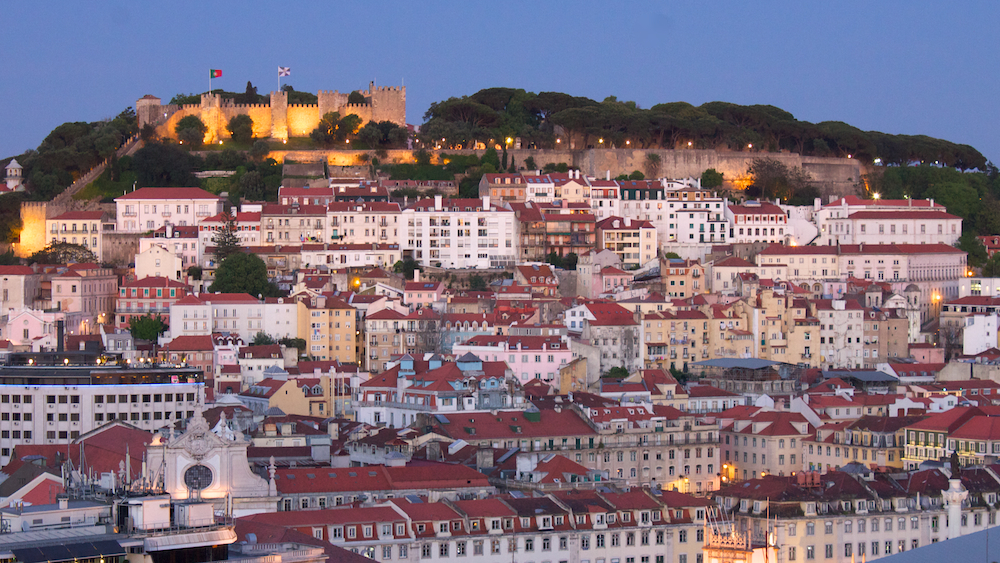
    I walked from Saldanha house down Aves Republica and Liberadade, over to Alfama and up the hill to Castelo Sao Jorge. Then walked down the twisty narrow streets and had lunch at a small cafe. Continued the walk downhill to the Se. From there I took taxi to the Tile Museum, though I skipped 3rd floor, which everyone kept mentioning. Did I miss something epic?

    Ate dinner at Cafe no Chiado, which served delicious risotto and had a full wall of books—it felt like eating in someone’s library. From there I took a cab to Bairro Alto and bar hopped until 3:30 in the morning, trying cocktails, ginjinhas and Super Bocks at the New Orleans-like bar nooks and street party.

    Day 2: Lisbon

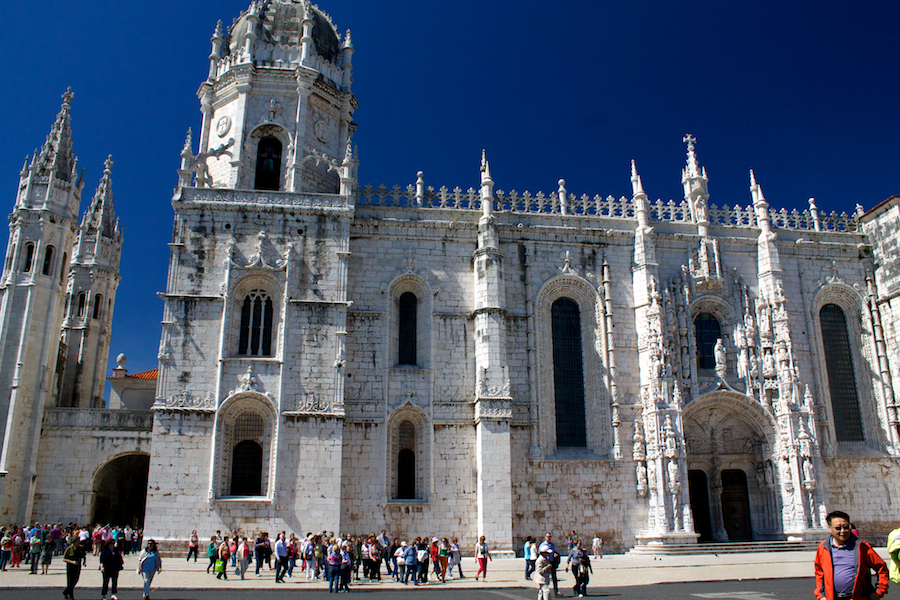
    I rode the bus from Saldanha to Belem, a waterfront neighborhood a good 45 minute ride from downtown Lisbon. The previous night’s bar hopping made for a rough morning, punctuated by a bumpy bus. From the top of the hill where the bus dropped off, I walked through a small botanical garden, then down to the enormous Jeronimos Monastery.

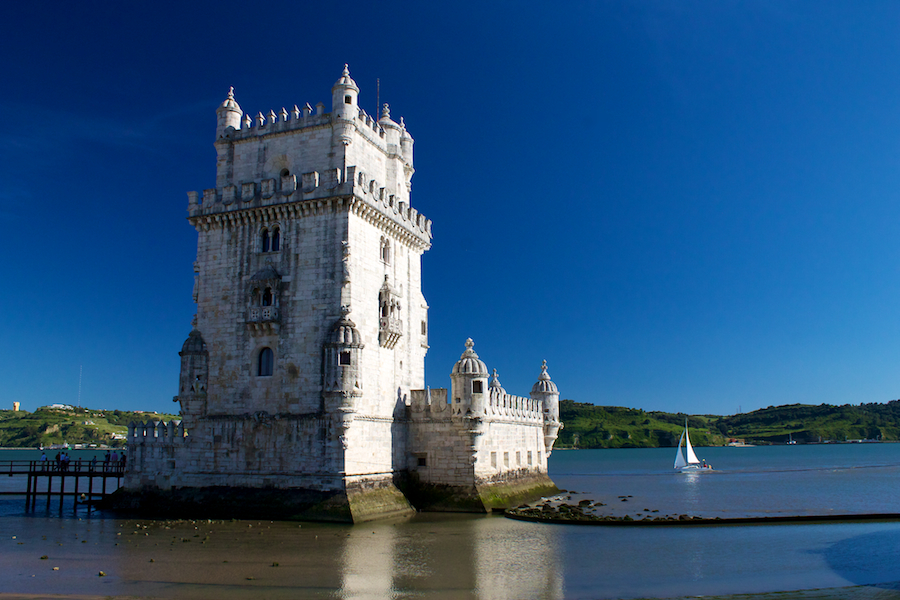
    Ate lunch at Banana Cafe, an outdoor to-go spot across from the monastery with surprisingly fresh salads. Desert was pastries from the Pasteis de Belem—I didn’t go inside but it’s apparently tiled beautifully. I then walked along water past the Soviet-like Monument to the Discoveries statue and the stubby little Belem tower from which Vasco de Gama departed.

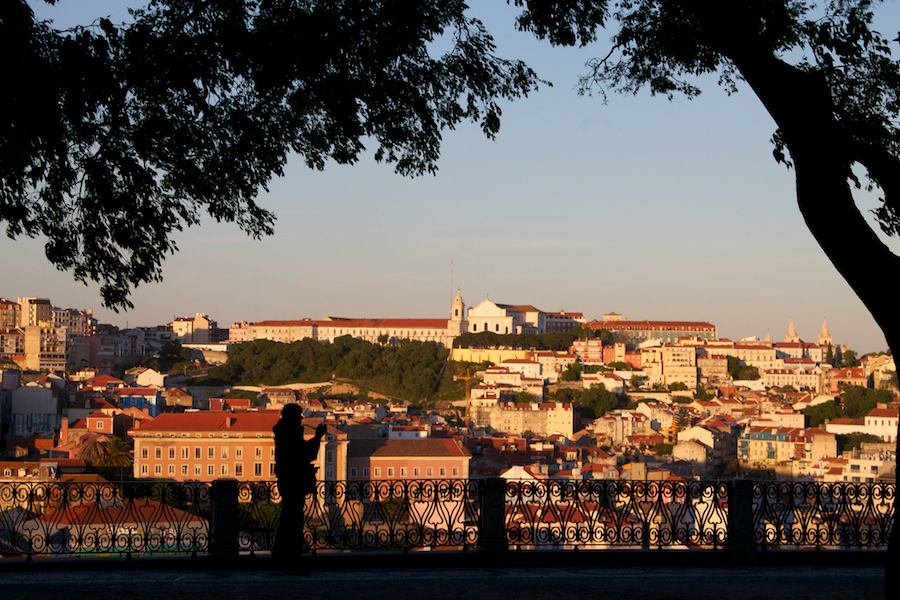
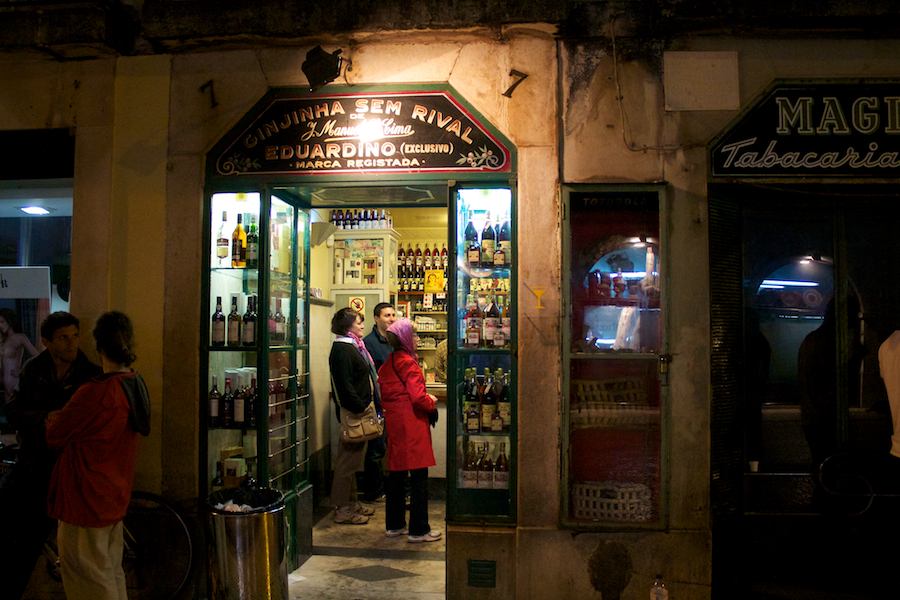
    It took a while to find a cab from the Belem Tower. Spent the evening at Miradouro Sao Pedro for sunset and sangria. Walked to Bairro Alto for din at touristy place. Took funicular down to Rossio and had ginjas at Ginjinha sem Rival.

    Day 3: Lisbon

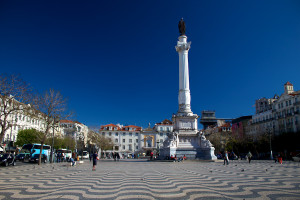
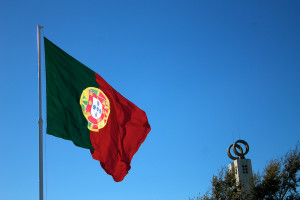
    Took the metro to 2nd to last stop on blue line, Terreiro do Paco, and got out in a large square, Praca do Comercio. Ate lunch in a sidewalk cafe right off the square on Avenida Augusta and took the Tram 28 to Miradouro da Graca. Then walked down to Miradouro Santa Luzia, which had a different perspective than the other miradouros (away from the city center) and had a “beerodouro.” Continued walking down through Alfama past the Santa Justa Elevator and to the Restauradores metro stop. Went home to Saldanha via Sao Sebastio; walked to big Soviet-like park with giant Portuguese flag.

    Ate dinner at Tagide to celebrate my grandma’s 80th birthday. Located in Chiado, it’s a Michelin-rated restaurant with great city views.

    Day 4: Road Trip – Lisbon, Obidos, Nazare, Aveiro, and Douro

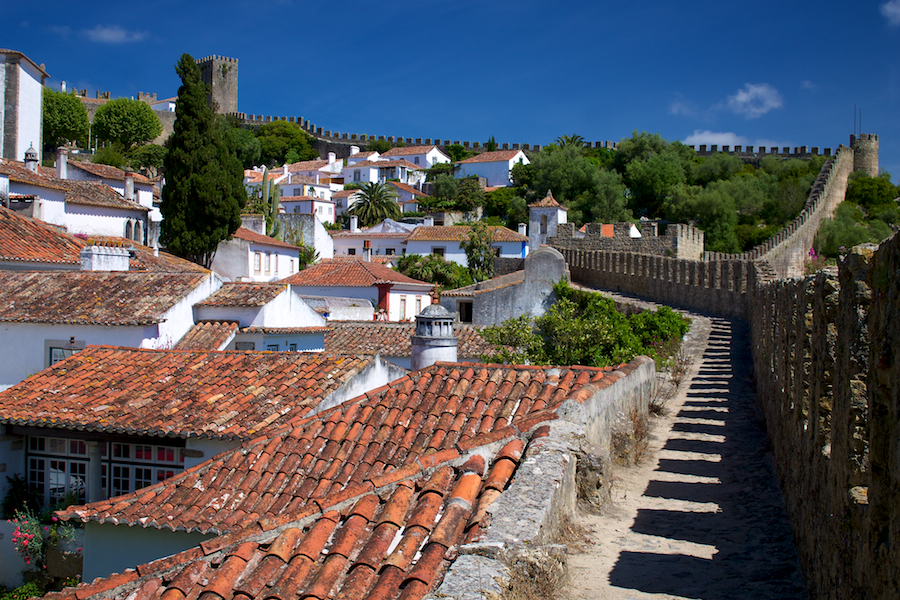
    Drove from Lisbon to Obidos, about an hour away. It’s a well preserved walled medieval town; you can climb the walls and walk around the perimeter. Ate lunch at a shady outdoor cafe near the church. Gihnjas de Obidos, the must-try cherry liqueur show served in a chocolate thimble are from here, and there are plenty of bars with tables outside serving the drink. There are also vendors with art, cork bags and other souvenirs, but the town escapes a total “tourist trap” feel.

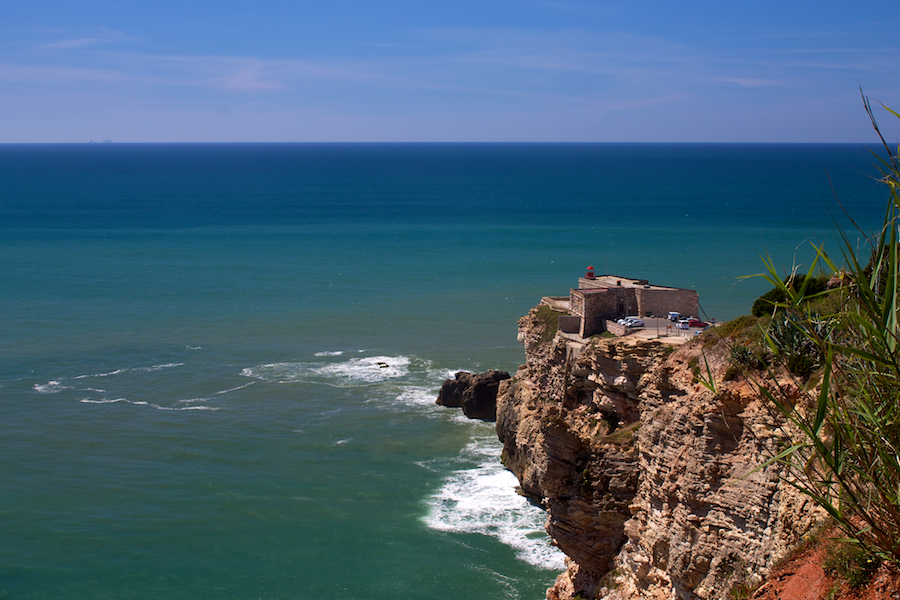
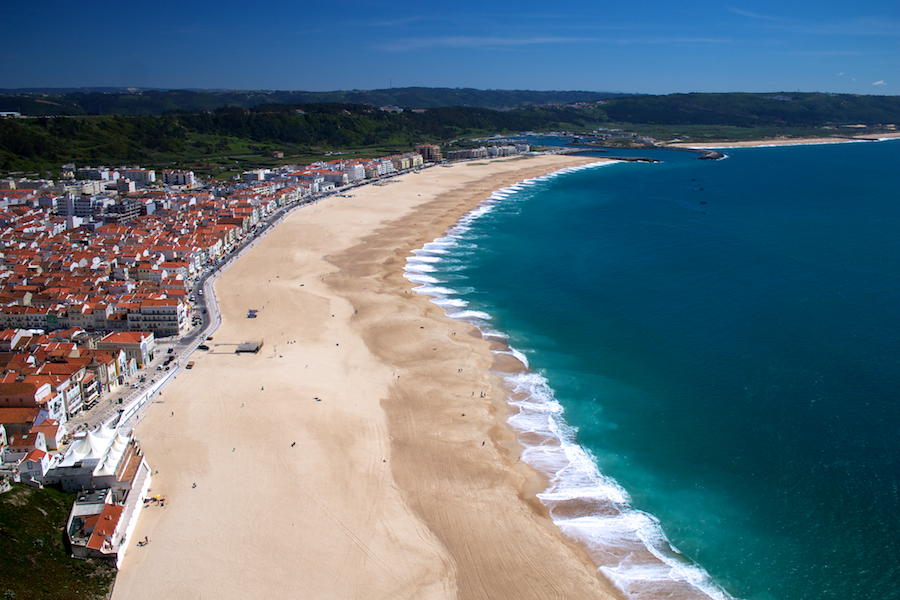
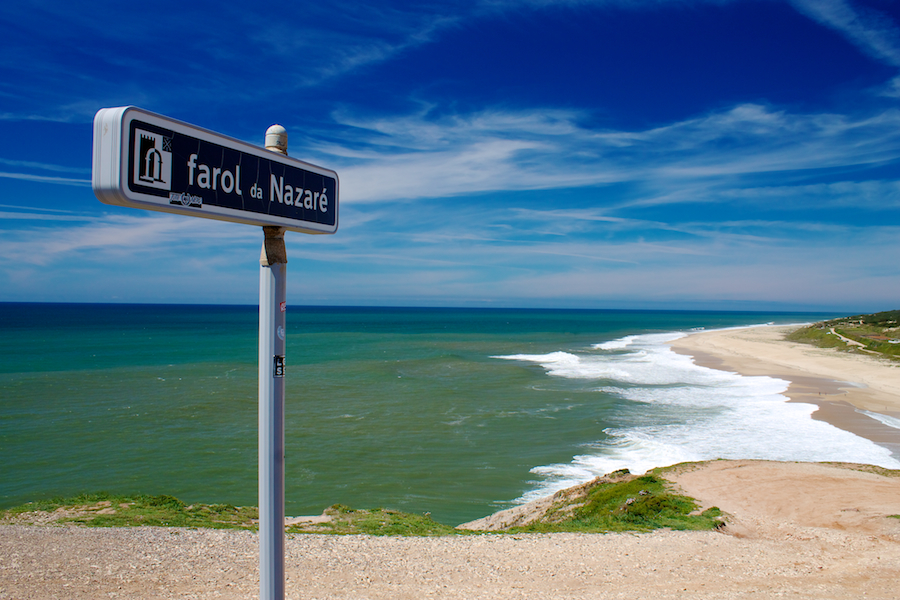
    From Obidos I drove to Nazare, about 30 minutes away. I got out at an overlook near the Farol da Nazare and hiked down the hill to the lighthouse point. This is where, when conditions are right, the some of the world’s biggest waves ever surfed break. There’s a beautiful deserted beach on one side, and while it was flat the day I was there, there are signs detailing the surfing feats that have happened here. I then went back up to the little town center, where a miradouro overlooks the main Nazare beach. You can’t see the lighthouse from town, so you have to walk or drive down (careful, it’s windy).

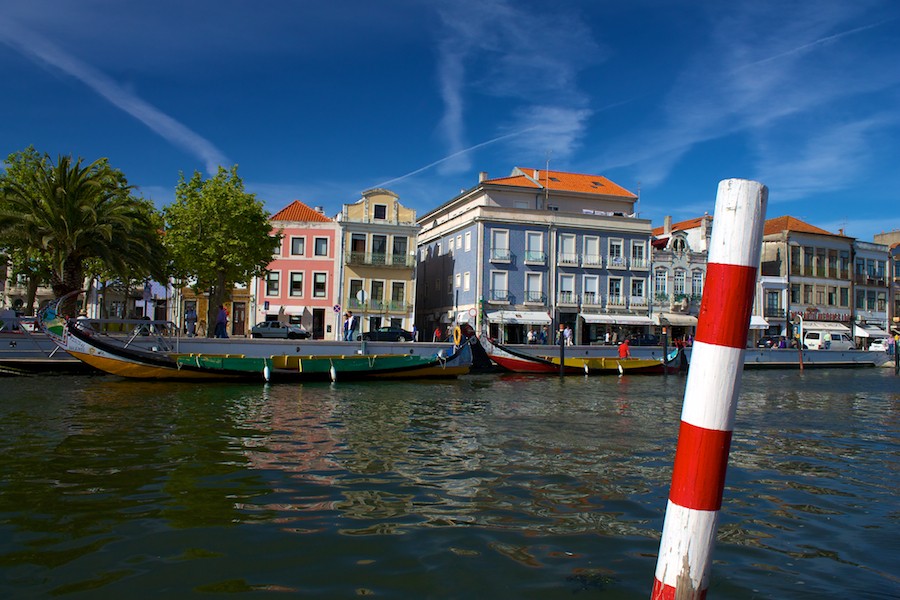
    About 2 hours’ drive from Nazare is Aveiro, known as the Venice of Portugal. Honestly, there’s not much here for a quick visit. I got some pretty pictures at the one canal I saw, but it felt both touristy and shabby. I don’t know if there’s an actual purpose for the canals. ATMs worked here at least; had problems using the ones in Lisbon.

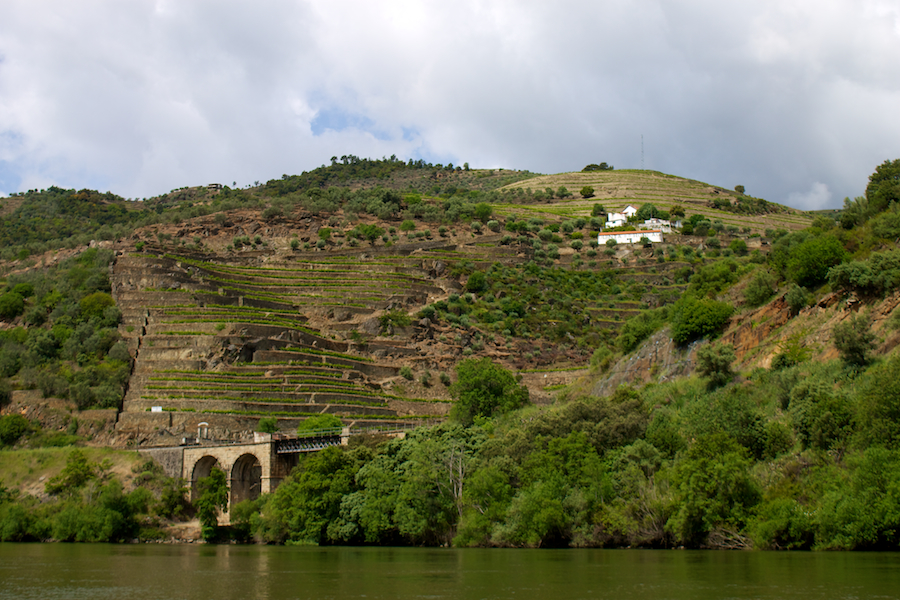
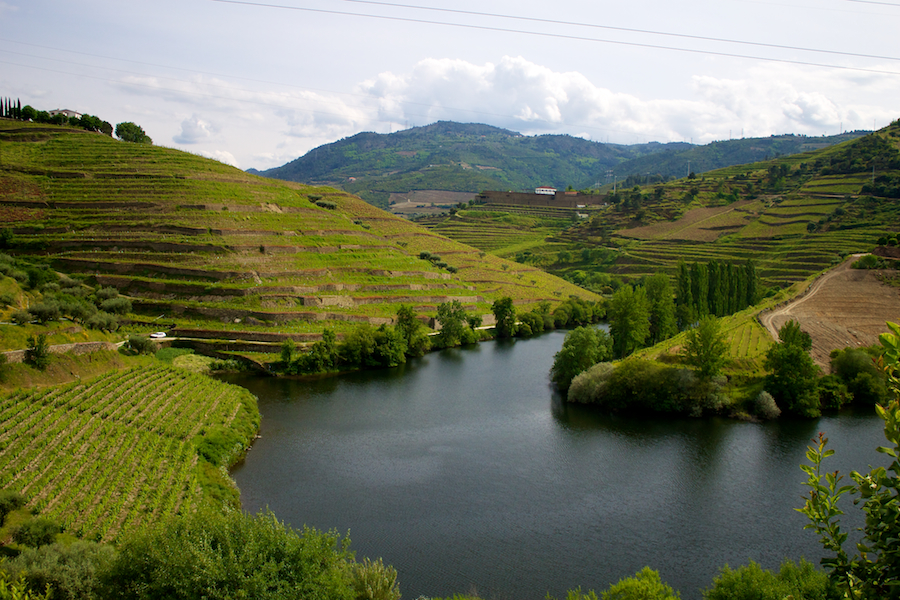
    From Aveiro it was on to the Douro. When I reached the valley, rain clouds were rolling through, with patches of light shining on terraced vineyard hills and a green river. Once you get into quinta country you’ll be on a super windy cliffside roads that are very narrow.

    Got to Quinta de la Rosa just in time for the communal dinner. There was only one dish/menu served; not a lot of choice for picky eaters (my plate of shredded cod and potatoes went untouched). But the wine and port is served liberally!

    Day 5: Douro

    Started the day with a private boat ride on Douro, departing from Pinhao (a 5 minute drive down the hill from Quinta de la Rosa). We passed quintas, terraced hills, and only one other boat—it was very peaceful.

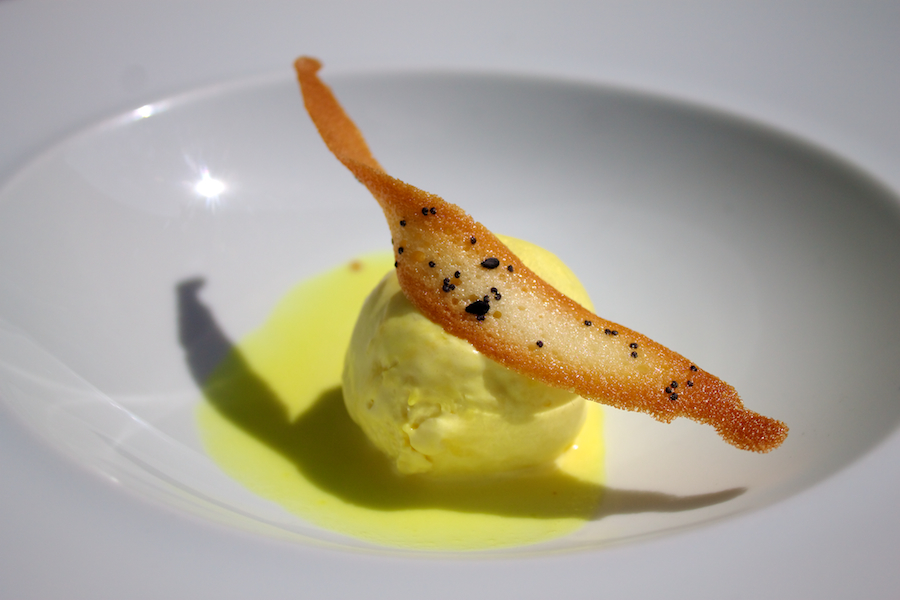
    Then drove to Restaurante DOC, a food temple on the river. The service, setting, and food was all wonderful. I loved the pop rocks mini dessert and the fact that one of the tasting menus is called an “olive oil menu.” After lunch I went to Quinta do Tedo and sampled some red ports—you should call ahead to quintas to reserve a time to visit, it’s harder to just walk in.

    That night I had dinner in Pinhao, a river cruise port town that was dead at night (only one river cruise ship was docked tonight, and the passengers stayed on board). Ended up eating at a family spot, Adega Grande Porto. Again, one meal on the menu, but LOTS of it: huge carafes of wine, and pork, sausage, lamb, Port soaked cake, Port tasting glasses, etc.

    Day 6: Road Trip – Douro, Coimbra, Sintra

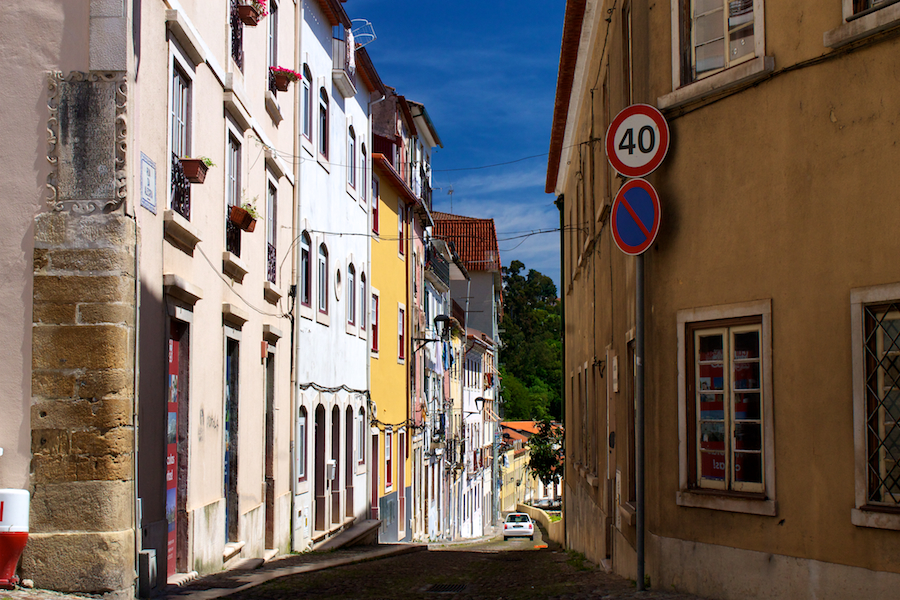
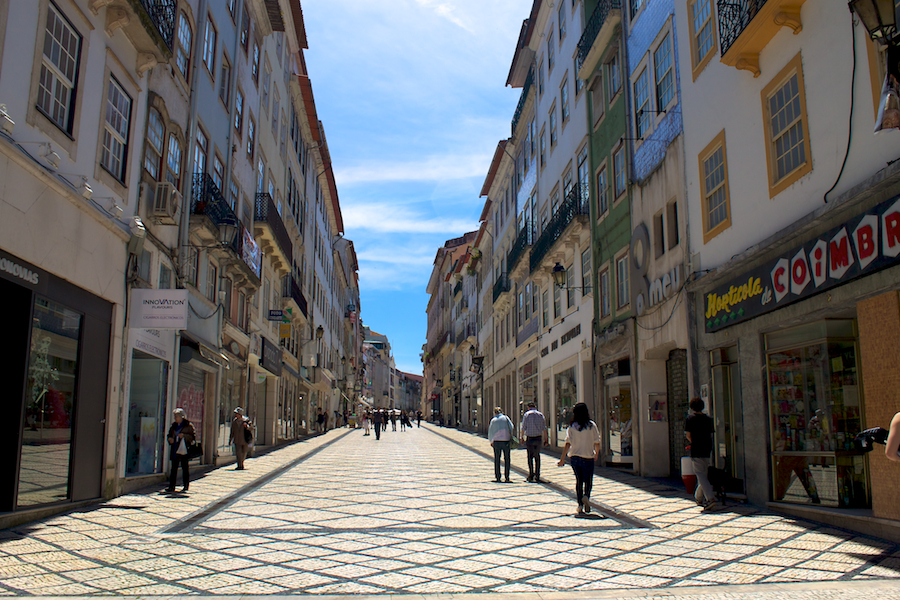
    Drive to Coimbra from Douro (2 hrs or so). It’s a medieval/university town, an odd mix. Lunch at Cafe Santa Cruz, a restaurant built out of part of the adjacent church. I then spent an hour or so walking around the town and across bridge for city views. I then meandered up to the university but left without finding good views.

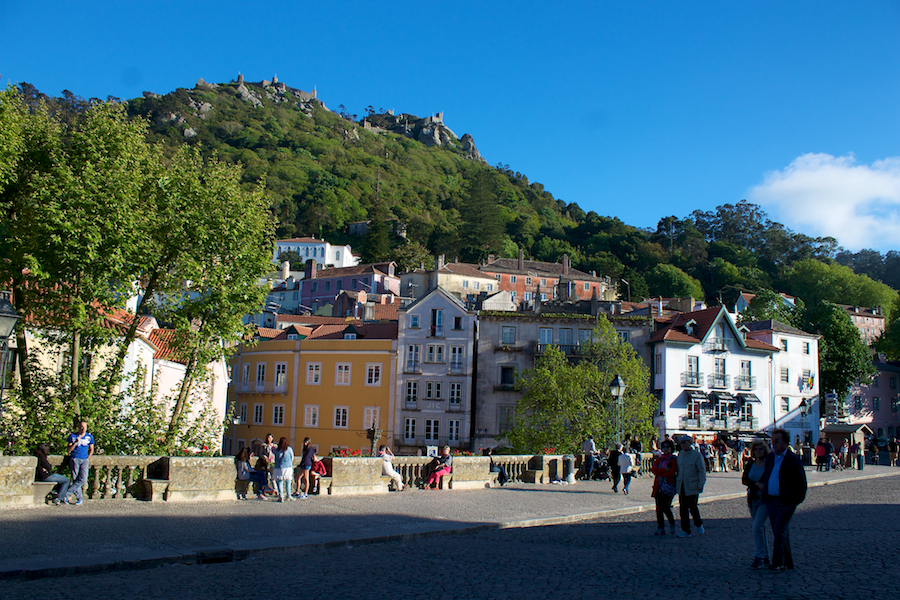
    I drove 2 more hours to Sintra, playground of palaces about a half hour from Lisbon. You can see the Moorish Castle atop the hill as you drive in. I walked into town and had a large drink at the centrally located outdoor patio at Hockey Cafe. A short walk away from the main square is a quiet miradouro; I sat here and watched the sunset. Had dinner at Ristorante Alcobaca, which had a large shark figurine hanging out front. After dinner I got a drink at the bar across from the Sintra National Palace.

    Day 7: Sintra

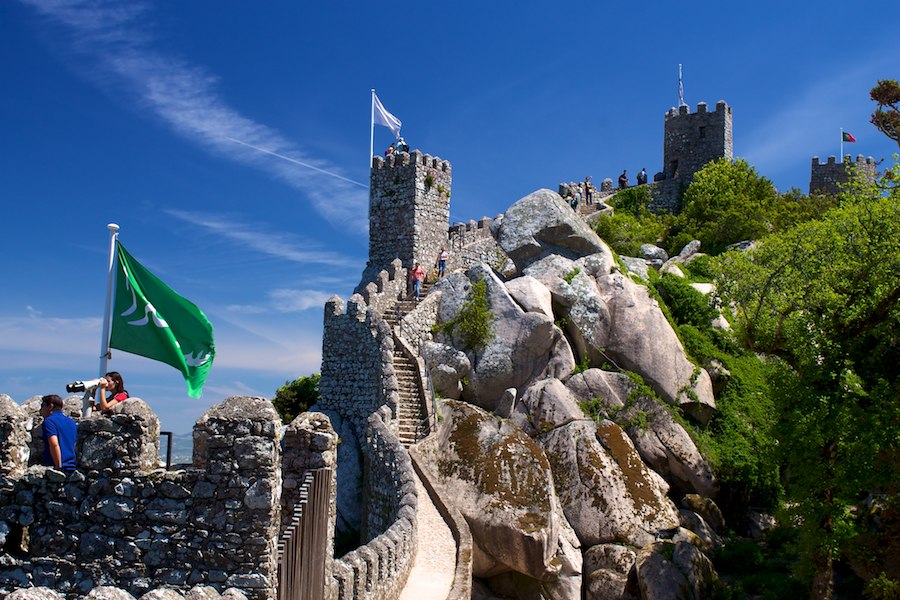
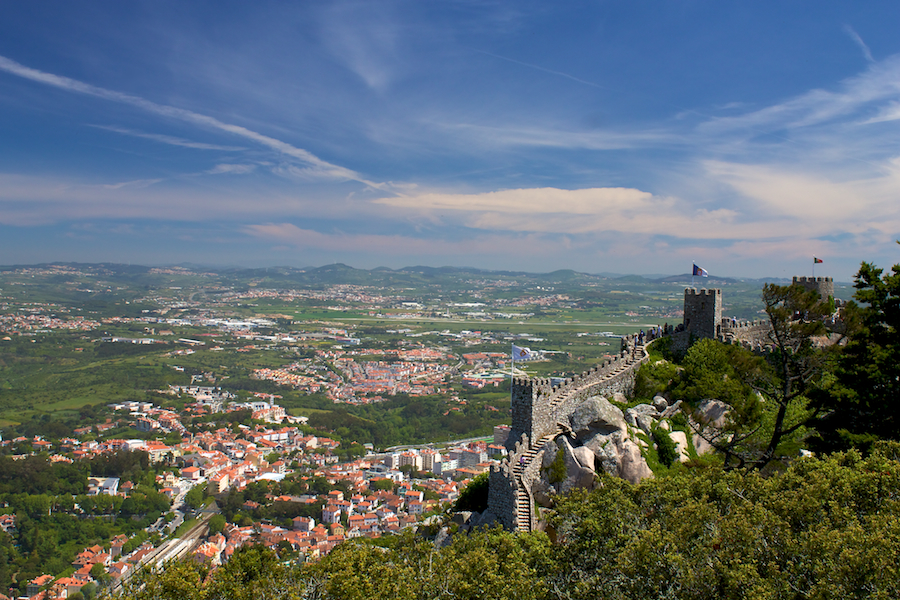
    From Sintra, I walked up to the Moorish Castle. It was a long, hot walk up—so many stairs. It’s a cool open air fort, with a lot more stairs. There were long lines to the Pena Palace by bus so I walked through the woods, which took about 10 minutes. Tip: go to the Moorish Castle first and buy tickets for both sites there; it’s cheaper and will save you a long wait in line at Pena.

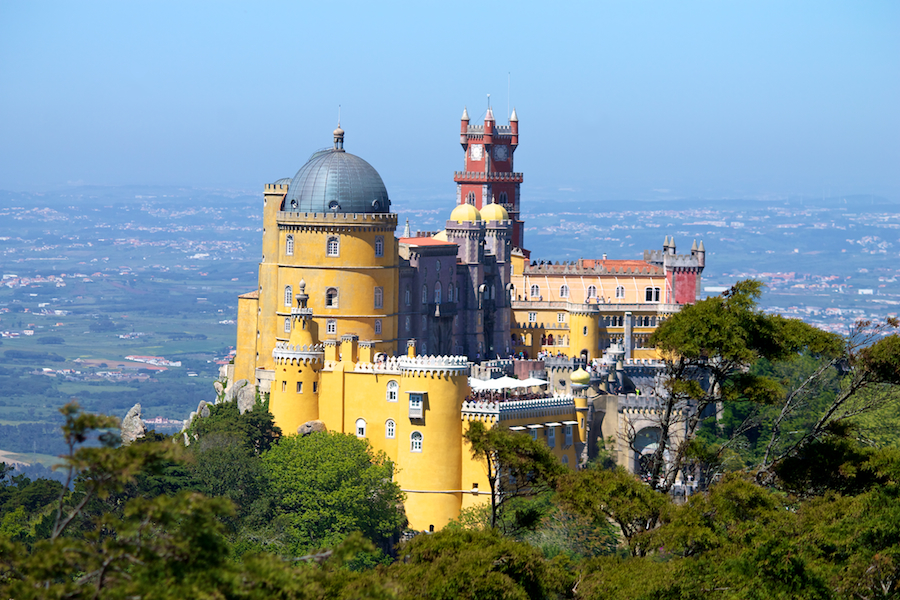
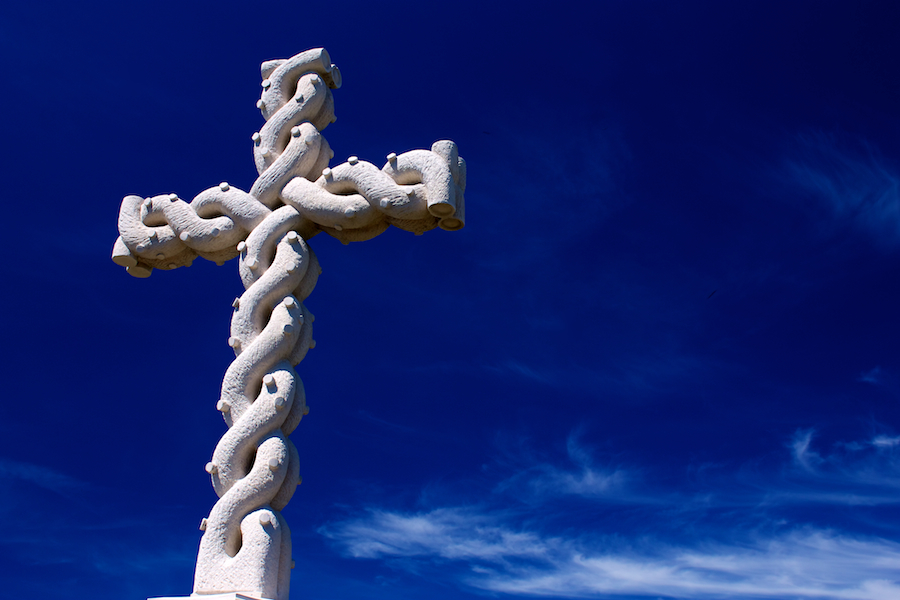
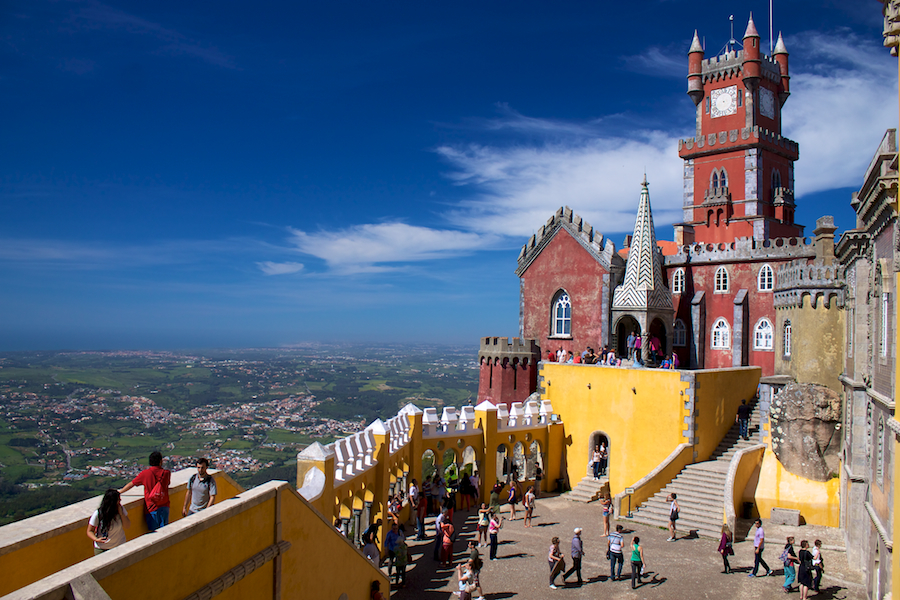
    Pena Palace is a wonky-colored (purple, yellow, black and white checkered) mismatched building set on beautiful grounds. It’s easy to get lost here, especially on the side paths in the gardens. Skip the rooms in the palace (they’re crowded) but walk around the castle exterior and the gardens (be sure to go up to the cross).

    Back in Sintra I had a giant sangria at Hockey Caffe. Watched the sunset at the same miradouro, this time with vinho, and then dinner at a little restaurant right off the miradouro. Had beers at a latenight bar and walked home with the Moorish Castle glowing in the night.

    Day 8: Road Trip – Sintra, Azenhas do Mar, Cabo da Roca, Cascais

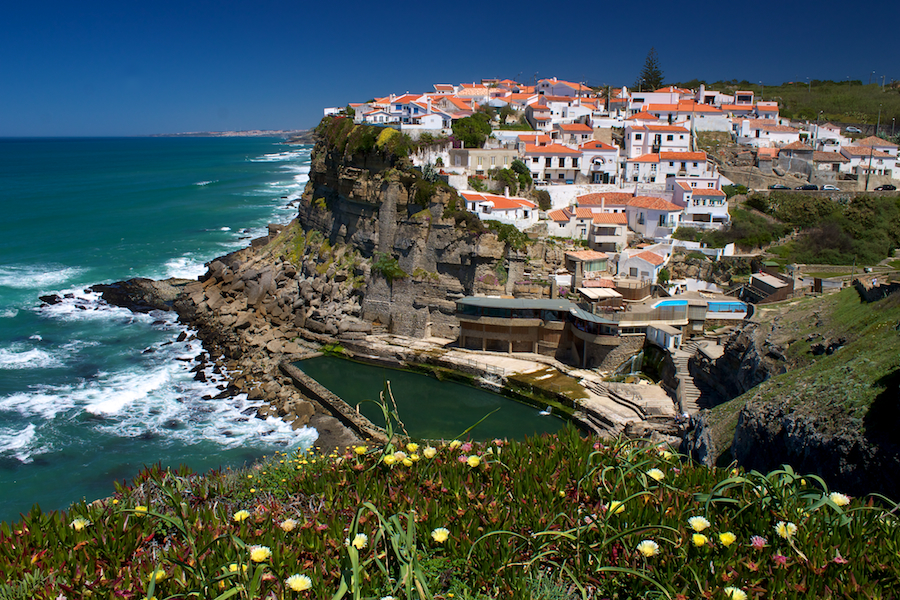
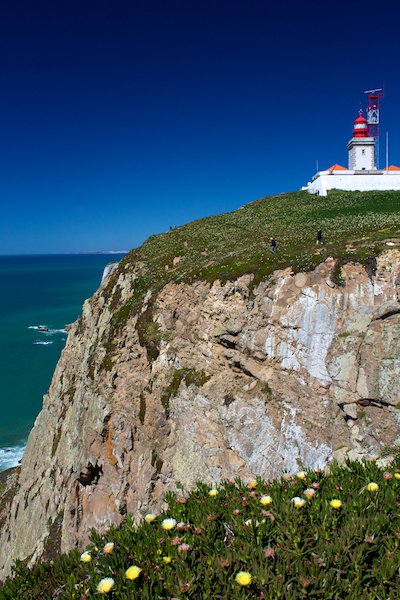
    I drove half hour from Sintra to Azenhas do Mar, a tiny seaside town with an awesome miradouro. Ate lunch at Nortada, a restaurant overlooking the ocean. Drove a little farther down the coast to Cabo da Roca, the westernmost point in continental Europe. From there it was on to Cascais (with a stop at Boca de Inferno, which sometimes turns into a blowhole, though today there were no waves). Cascais was a casual waterside town with a slight, but not super, beachy vibe. I browsed some market stalls and had a beer at a bar on a side street before heading back to Sintra.

    Day 9

    Time to go home!

    Related Posts

    Photos: Sintra, Portugal

    Portugal in Photos

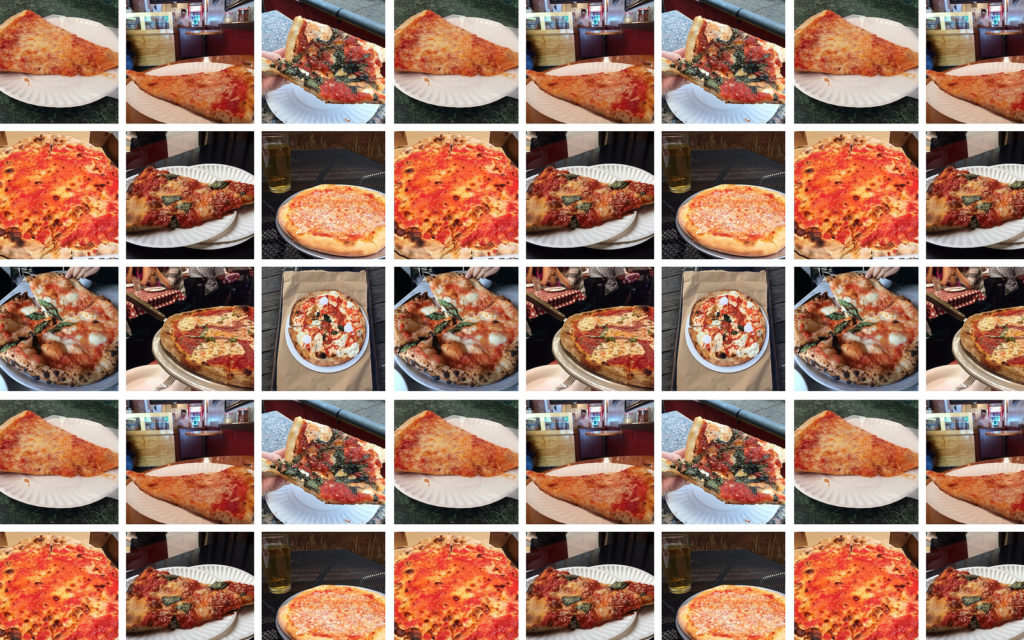
  • New York Pizza Crawl: 9 of NYC’s Best Pizzas in 1 Day

    New York Pizza Crawl: 9 of NYC’s Best Pizzas in 1 Day

    best pizza nyc

    Published July 9, 2014 on MapQuest || The cult of pizza is sacred in New York. Ask New Yorkers what the best pizza is and you’ll get a passionate, but varied, response from each person. There are lists and blogs dedicated to the search for pizza gold, and there’s rarely a consensus. My own quick poll of Facebook friends resulted in 19 different nominations.

    When I lived in the city, pizza was a central part of my life. Rosario’s filled my stomach at 4 a.m. after a night of dancing; Bellini’s delivery settled it during next-day hangovers. 2 Bros’dollar slices were a lunch lifeline to offset my soul-crushing apartment rent. Ray’swas such a late-night fixture for me and my circle that two of my friends stopped there the night they got engaged to share the happy news with their regular slice server.

    I had a pizza for every occasion, yet I had managed to chomp my way through six years of New York living without trying the city’s revered “best.” Read more…

    The New York City Pizza Crawl is part of MapQuest’s summer travel series: 99 Summer Travel Quests


  • Long Weekend in Puerto Rico

    Long Weekend in Puerto Rico


    In March I took a last minute trip to San Juan, Puerto Rico for 3 days (3 nights). Here’s what I did there:

    How I Got There

    JetBlue flight from JFK: so much legroom, plus with in-flight TV I got to watch March Madness on the plane.

    Where I Stayed

    Quality Inn El Portal: I booked the trip about 4 days before my departure date, during high spring break season, so most budget hotels and Airbnbs (and all hostels) were booked. This place was clean, the staff was friendly, there was a (very basic) continental breakfast and it was a 5 minute walk from Condado beach. About $150/night; $25 cab from the airport.

    Thursday

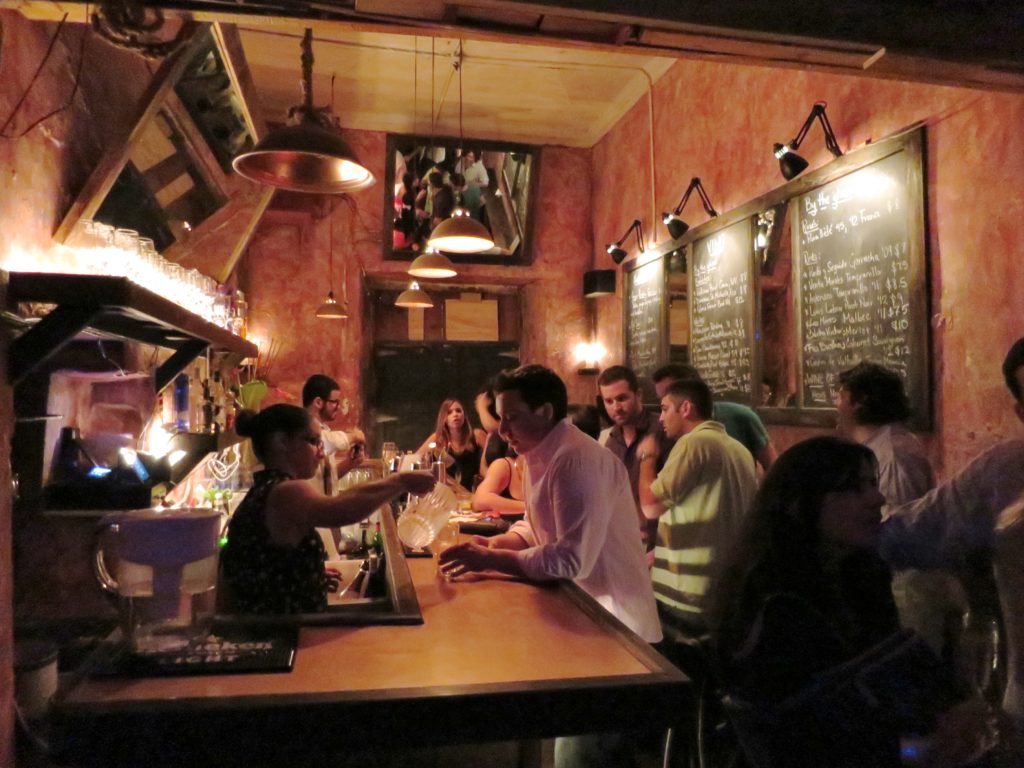
    Bodega Chic: I met my friend Liz after her dinner here. She raved about the French-Caribbean food. Staff was full of recommendations for bars, restaurants and things to do.

    La Factoria: Liz’s reaction to this place: “It feels like a Mumford and Sons concert in here.” Turns out there are hipsters in San Juan, and this converted factory-turned cocktail den is where they hang out.

    La Taberna Lúpulo: Craft beer is just starting to become cool in PR but there still aren’t many places to get it. This is one of the best beer bars on the island, with 50 brews on tap.

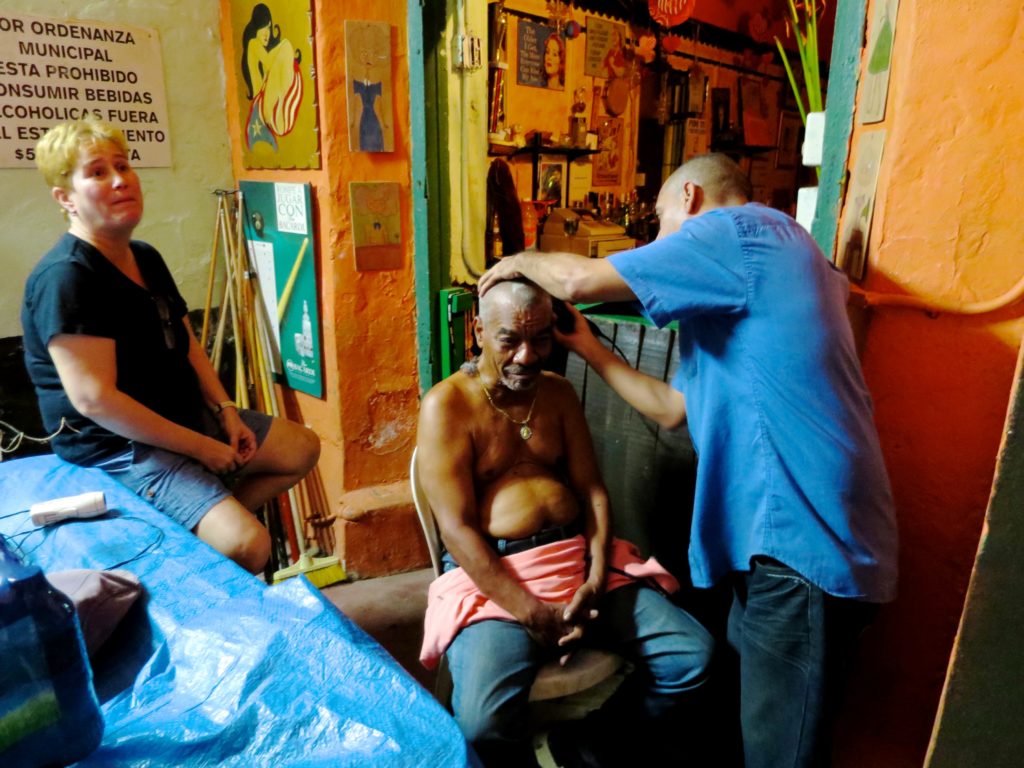
    Cafetin Marrero: A quieter neighborhood bar with a retro New York juke box and bathrooms outside in the back. When we were here the bartender was giving an old man a haircut.

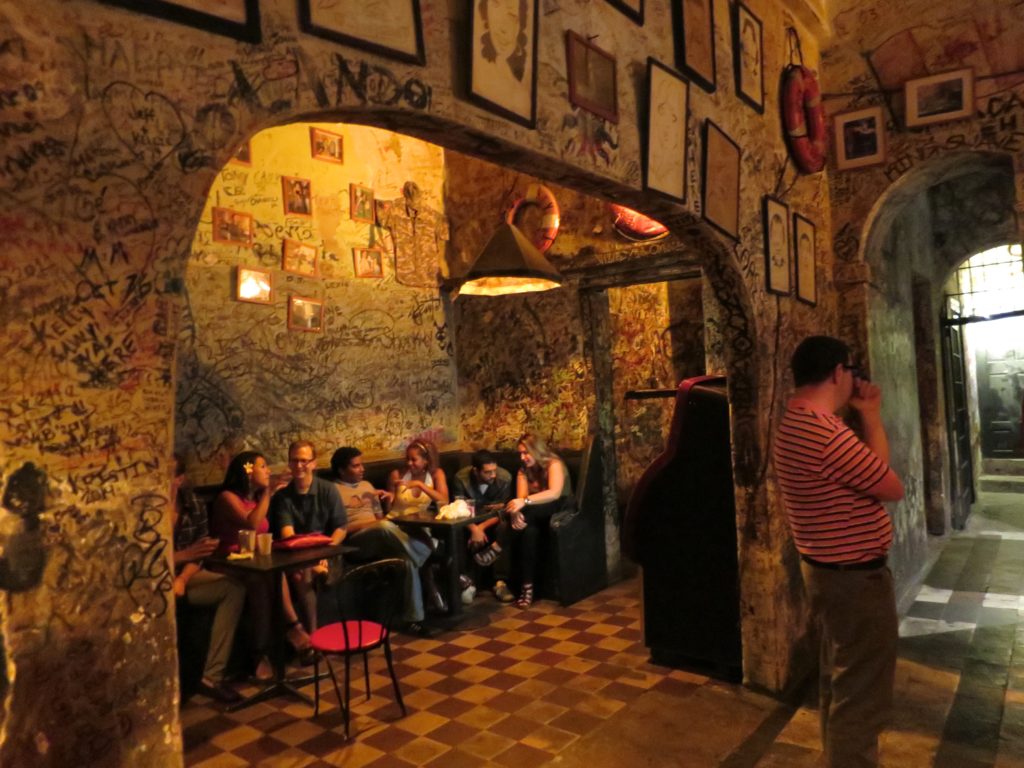
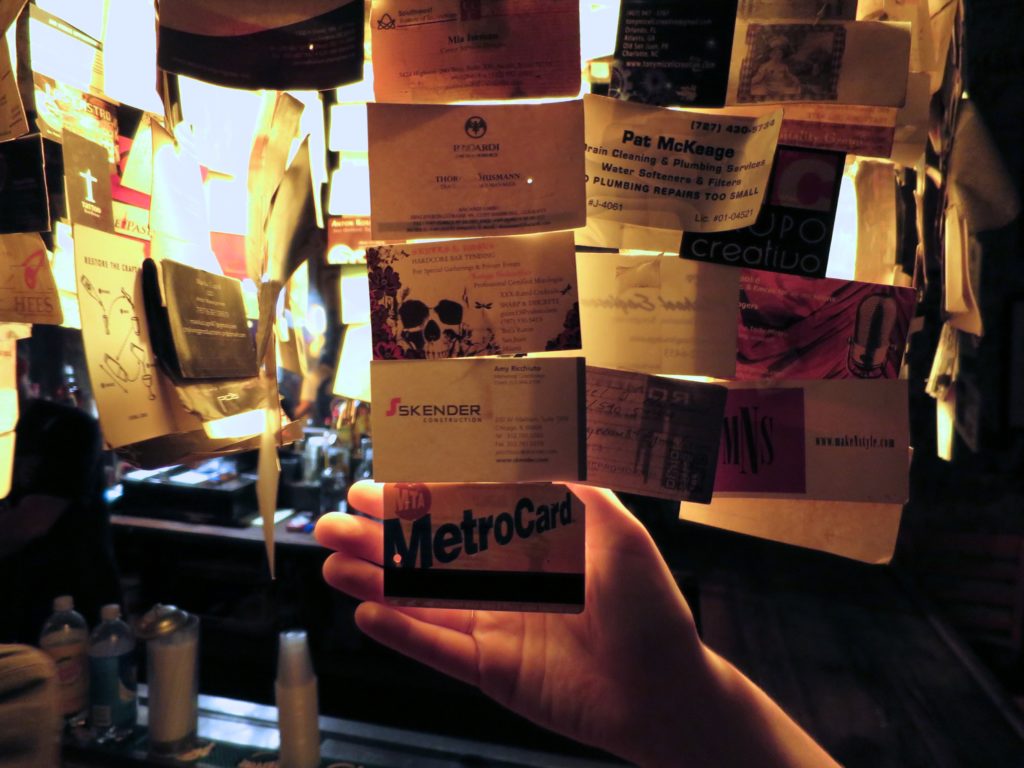
    El Batey: Feels like it should be in Brooklyn (the MetroCards hanging from a lamp help), there isn’t an inch of wall in this bar that hasn’t been scribbled on.

    Oddly enough, about a week after I got back, Conde Nast Traveler published this story that traced a lot of my San Juan steps.


    Friday

    Latin Star Cafe: Not recommended. It looked quick and was on the way to the beach. Cold food and slow service.

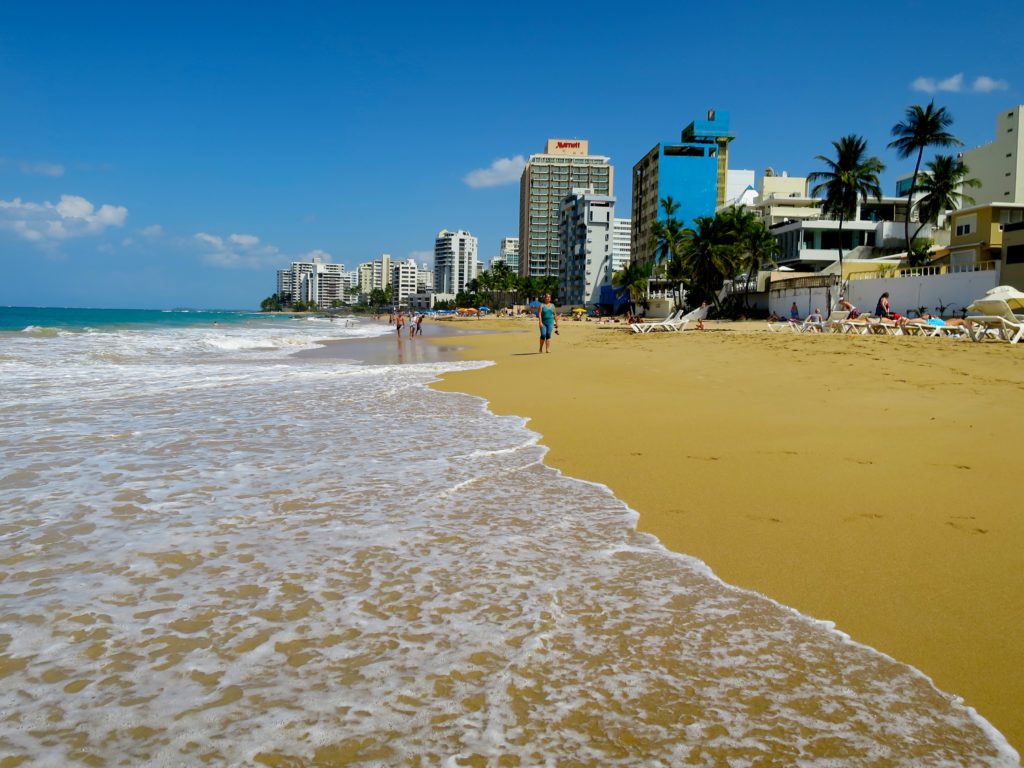
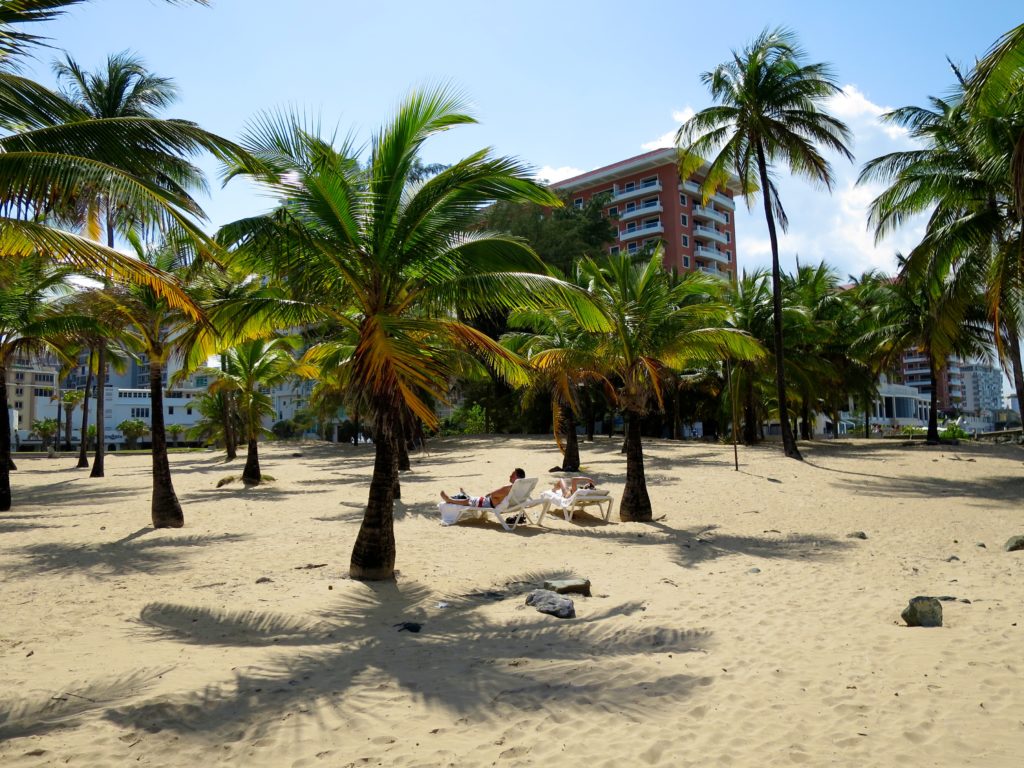
    Condado Beach: Your average hotel-fronted Caribbean beach. But there’s warm water, a few palm trees and ample sand…  and when it’s 35 degrees on the East Coast, those things are sometimes all I care about.

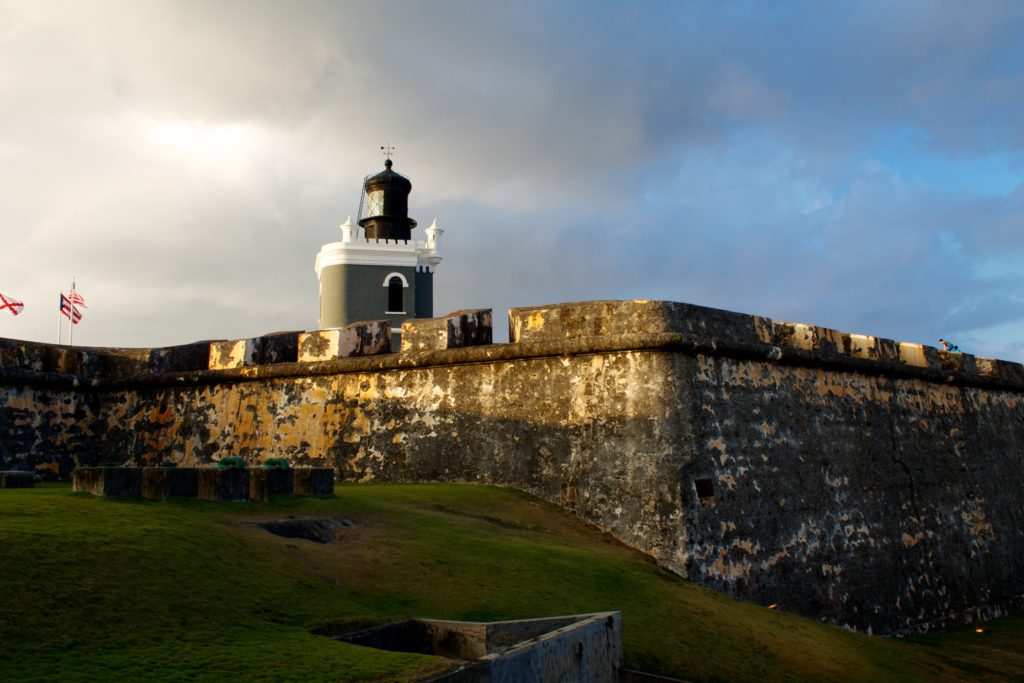
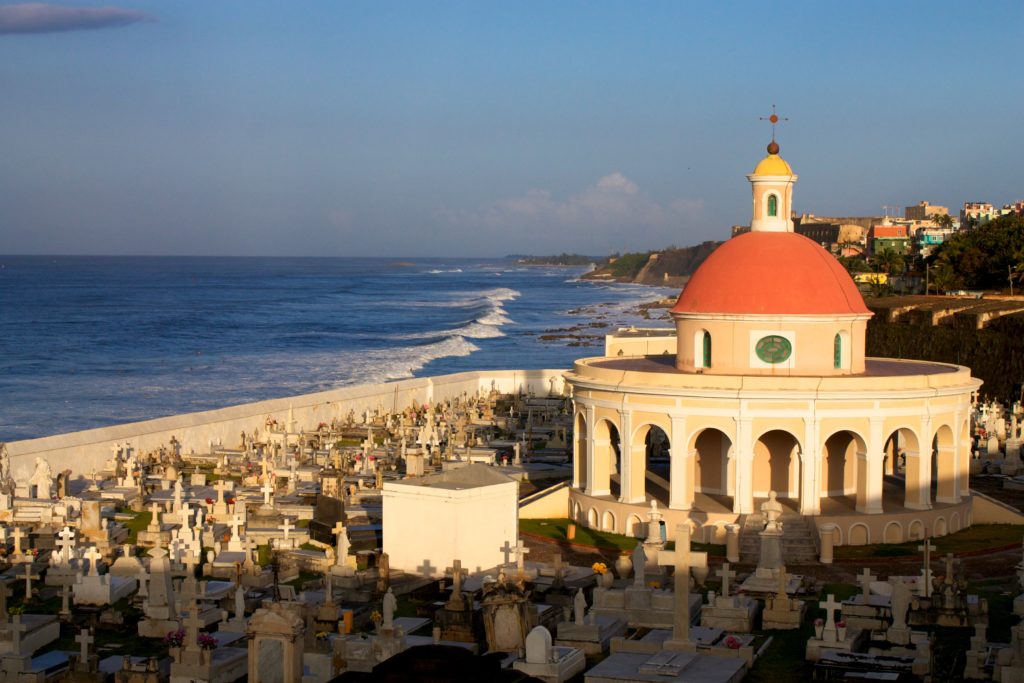
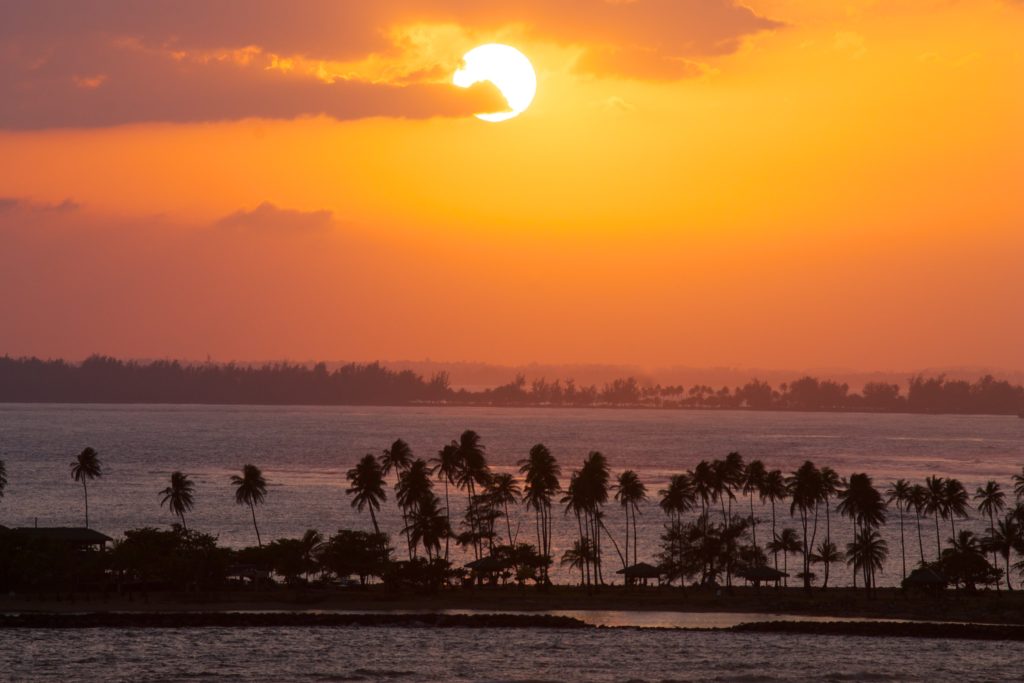
    Castillo San Felipe del MorroCame here for sunset, but the fort itself closes at 6 so didn’t make it inside. Beautiful sunset gathering spot though, overlooking the bay.

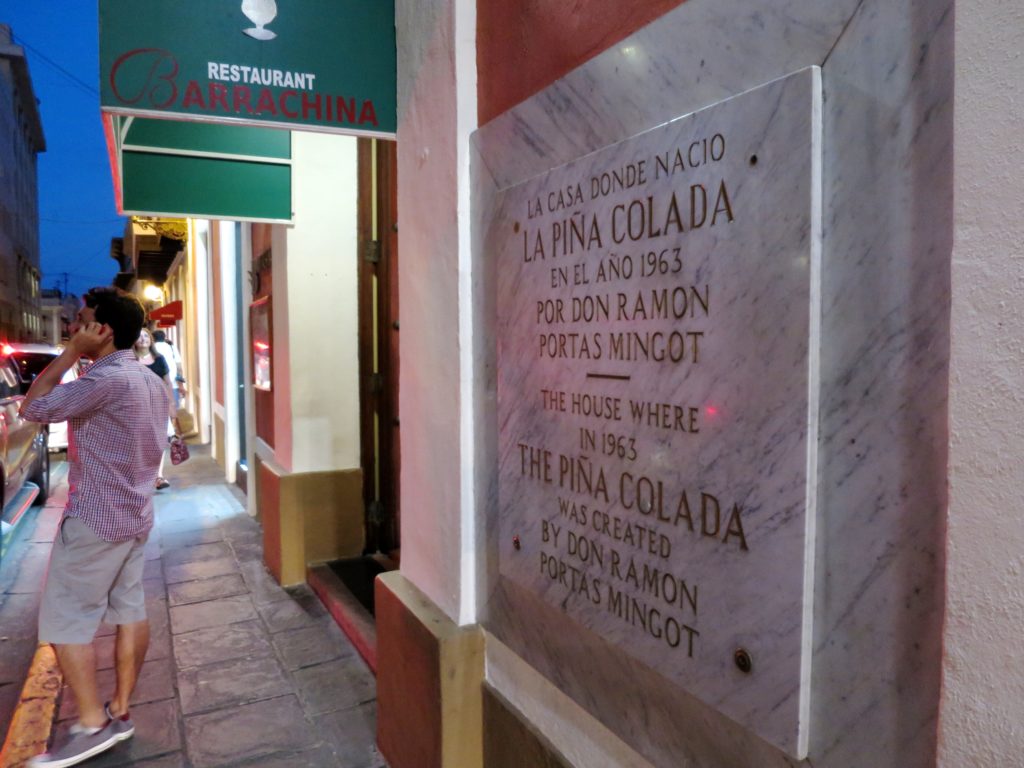
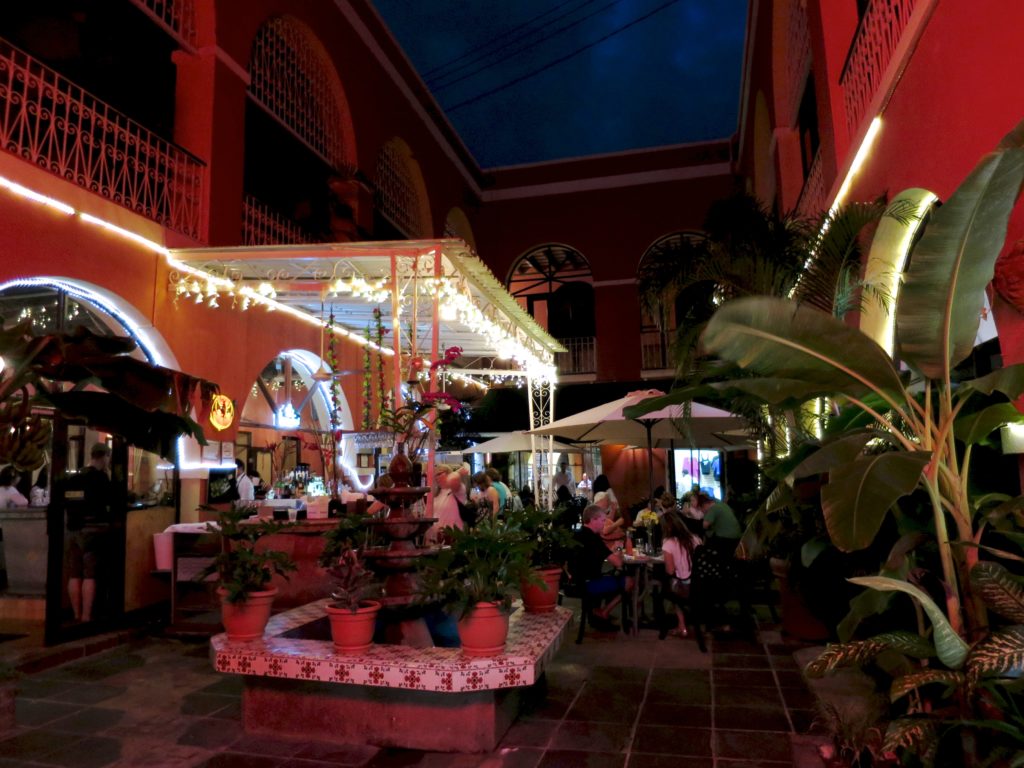
    Barrachina: Home of the original pina colada. It was the best pina colada I’ve ever had, so I was shocked when the women next to me asked for a wine list.

    Cafe Puerto Rico: This place was busy, but there was a public square with a dance and drum performance across the street during the wait. Great mofongo here – worth the wait.

    Old Harbor Brewery: Another beer spot in San Juan, though this one brews its own. Try the Coqui beer, a light lager, but for a better selection, Lupulo is your spot.


    Saturday

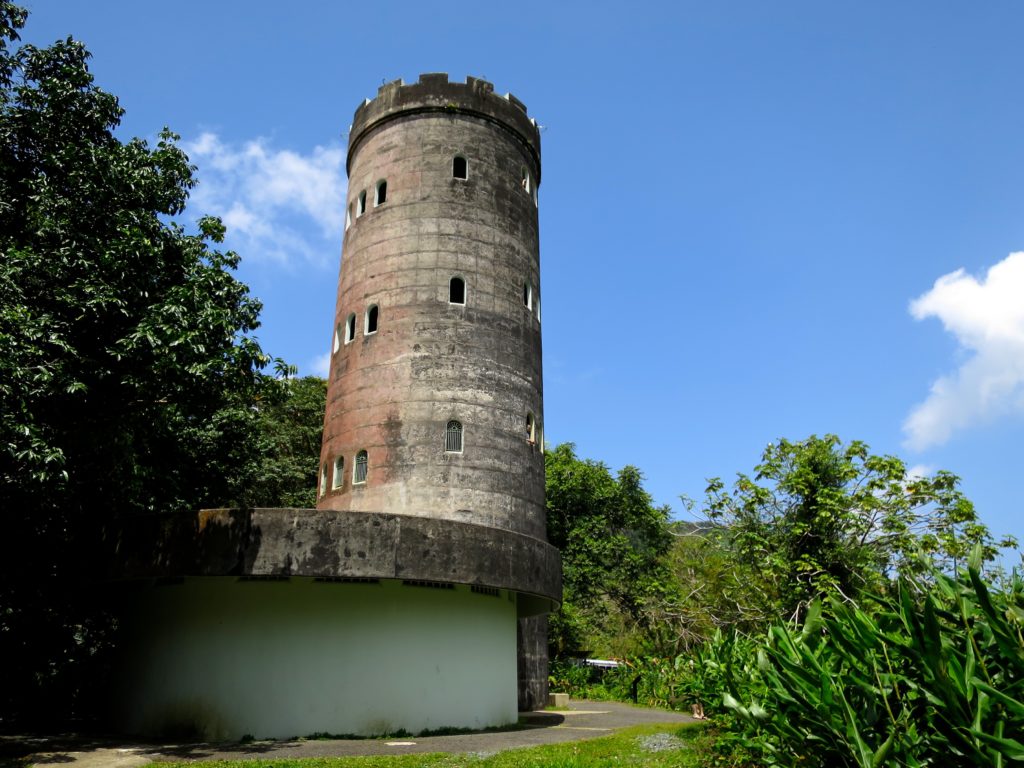
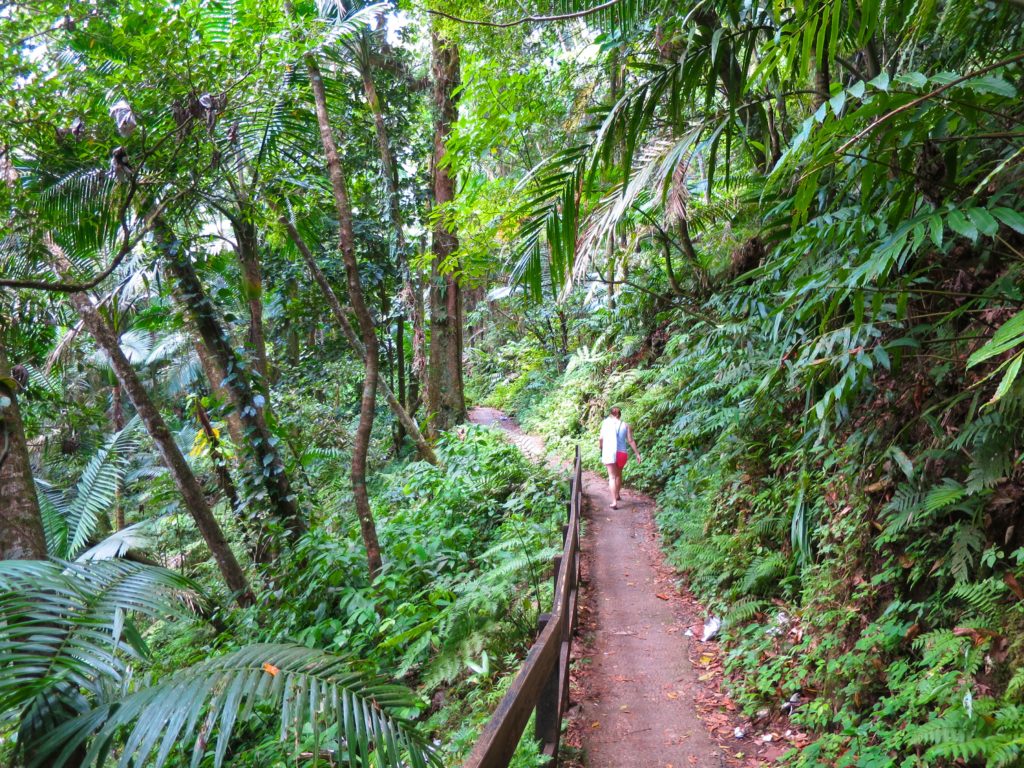
    El Yunque: Rented a car in Condado and drove out about an hour to El Yunque. The rainforest was good for a few hikes and a view from the Yokahu Tower. If you’re brave (I wasn’t), take a dip in the freezing water at La Mina Falls. Spent about 3 hours here.

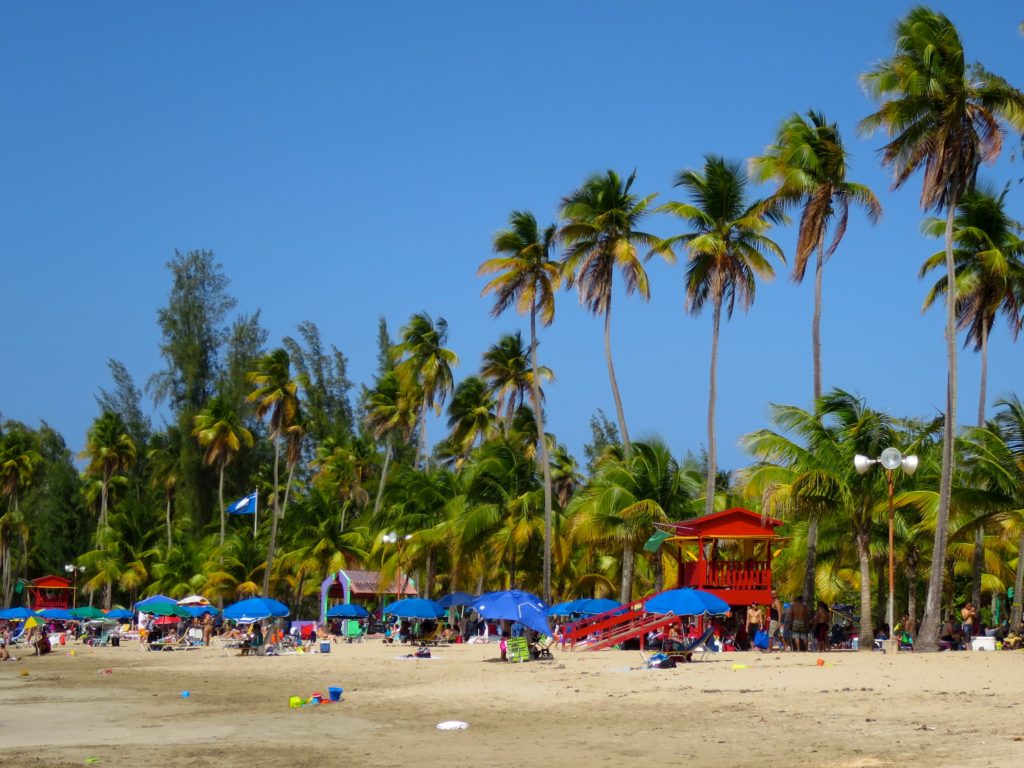
    Luquillo and the Kiosks: Circled through Luquillo town, which was sketchy and abandoned, then backtracked to the “kioskos” a mile or so east. The food kiosks start to all look the same, but the offerings were cheap and delicious. There are also bar and shopping vendors here. Walk through the kiosks onto Luquillo Beach. On Saturday it blows up into a local party spot, with music blasting from trucks that had subwoofers the size of a car. Red lifeguard shacks, yellow sand, blue sky, and green palms makes for a colorful photo op.

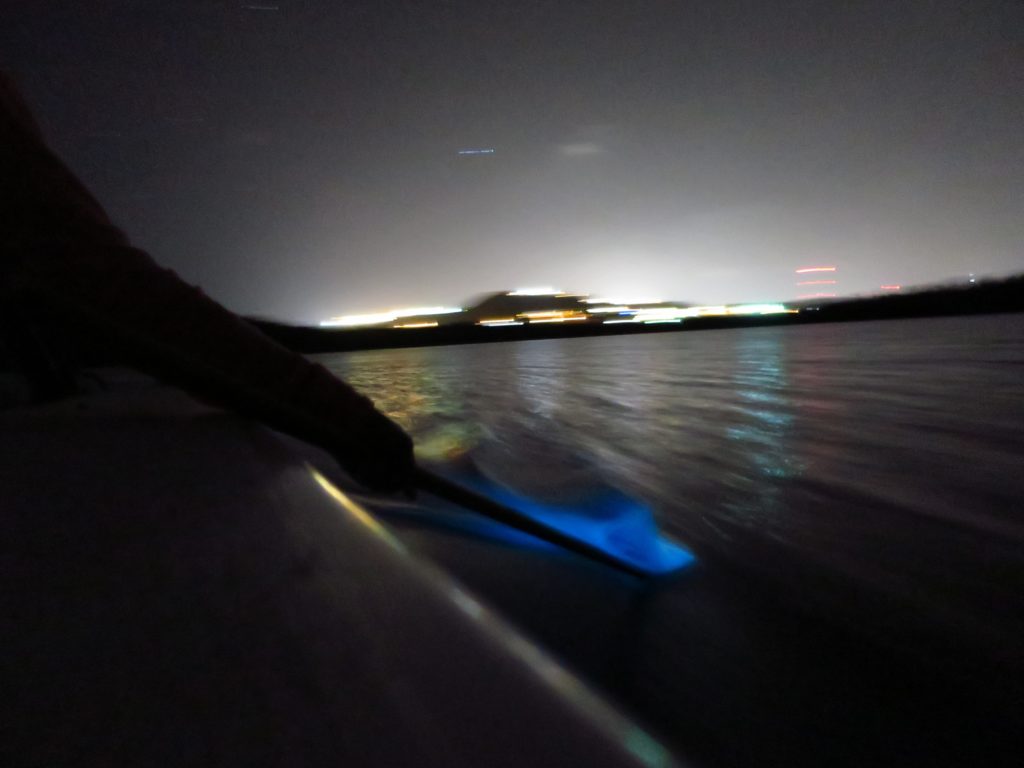
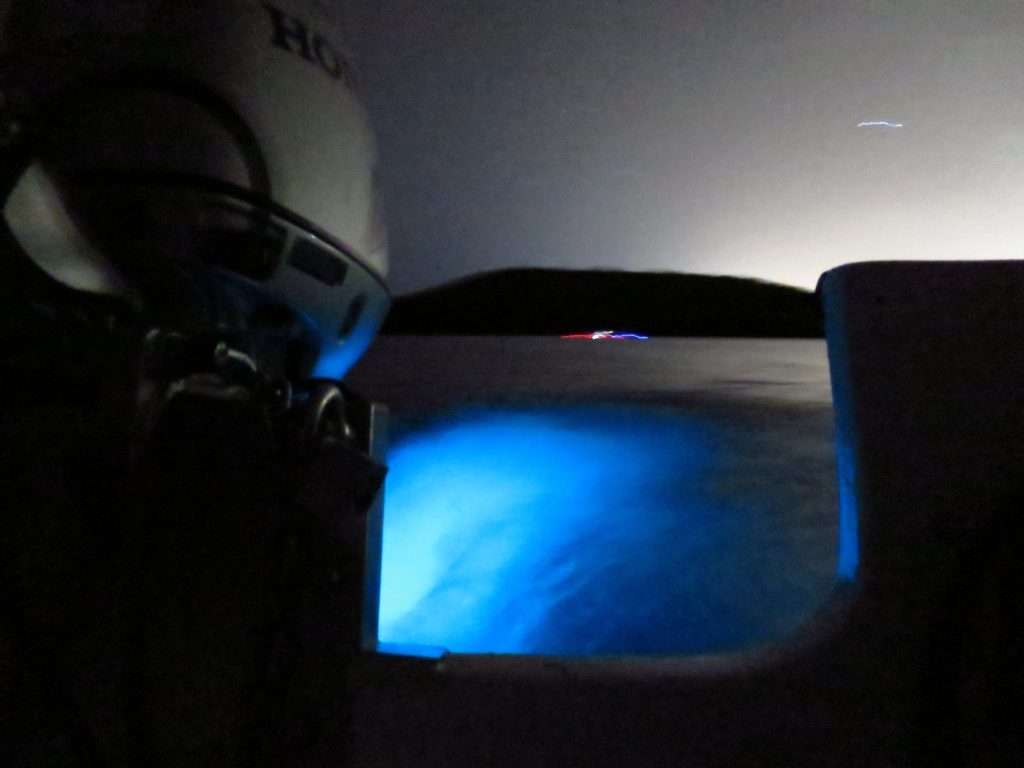
    Fajardo and the Bioluminescent Bay: Lesson learned – plan ahead if you want to go on a bio tour. I only got on one due to a cancellation. Another tip – opt for a boat tour vs a kayak. You’ll stay dry and can use your camera. The bio bay tours leave from a little port village with a few touristy (but quality) vendors and beach bars.

    Note: Saturday night traffic in Condado is terrible, and there aren’t many gas stations. Fill up your car before getting back into the heart of San Juan, or be prepared to spend 2 hours in traffic.


    Sunday

    Time to go home!

    Puerto Rico photos>>
     

  • Downtown Los Angeles Travel Guide

    In February 2014 I traveled to Los Angeles for a conference. I had one extra day to explore Downtown L.A. Here’s what I did:

    Bradbury Building: A quick stop in the lobby is all you need to appreciate the elaborate ironwork and elegant architecture of this 19th century building.

    Walt Disney Concert Hall: You don’t even have to go inside; the best part about this building is the photogenic undulating metallic exterior. The Los Angeles Philharmonic plays here.

    Los Angeles Central Library: Take a walk through and marvel at the beautiful interiors — especially the mosaic room with a large globe hanging from the ceiling.

    Grand Central Market: Every city needs a gourmet market hub, like Reading Terminal and Pike Place. Grand Central is L.A.’s answer and, at nearly 100 years old, it does not disappoint.

    Museum of Contemporary Art, L.A.: The Broad hadn’t opened yet, but this nearby one had an interesting collection of large-scale contemporary works.

    The Varnish: A speakeasy behind Cole’s bar, this spot serves awesome Prohibition-style craft cocktails.

    Spring St. Bar: Craft beers and industrial decor in Downtown L.A.

    Ace Hotel: Downtown L.A.’s version of the hipster hotel chain. The bar here is small, and the

    Angel City Brewery: Super laidback and spacious brewery that’s well-lit and well-entertained, with games and music (and craft beers, of course).

    Villains Tavern: Weird and wonderfully eclectic, this vintage bar feels out of place among the empty lots that surround it. But it’s a hipster haven, with live bands, awesome cocktails, and L.A.’s equivalent of the fedora crowd.

  • Long Weekend in Hawaii… from the East Coast

    Long Weekend in Hawaii… from the East Coast

    surfboards at Pipeline

    Published on March 1, 2013 on Fodors.com || Hawaii in four days? From the East Coast? Crazy, right?

    Maybe not.

    With non-stop routes between New York City and Honolulu, a time zone difference that works in East Coasters’ advantage, and airline prices hovering under $500 round-trip to Honolulu, a long weekend in paradise is easier than you think.

    Okay, let me bring you up to speed—in my opinion, a trip to Hawaii is always a good idea. To prove my own point, I set out on a quick jaunt from NYC this past December and while my lazing-on-the-beach time was indeed short, I was able to see tons of fantastic Oahu sights in four days without losing any sleep. Here’s how I did it… Read more…

    Click here to see more Oahu photos!