Tag: writing

  • The 2020 Food & Drink ‘It List’

    The 2020 Food & Drink ‘It List’

    Marriott Bonvoy Traveler, January 2020 || Each year, thousands of chefs and bartending pros from across the Americas flex their culinary and mixology skills in the epic, hemisphere-spanning Masters of the Craft epicurean challenge. After weeks of challenges and eliminations, the competition names two winners — one culinary star, and one beverage star.

    We caught up with all 24 contestants at the competition’s culmination — the annual Masters of the Craft showdown in Washington, D.C., to learn a bit more about their restaurants, bars and the cities where they live and get their inspiration.

    Read the full story on Marriott Bonvoy Traveler >>

  • 10 Weird and Wise Ways to Celebrate Washington D.C.’s Power Women

    10 Weird and Wise Ways to Celebrate Washington D.C.’s Power Women

    binspired, March 2019 | In honour of International Women’s Day, which takes place on 8 March, Jess Moss tracks down a host of female pioneers in America’s capital city…

  • Planning a Trip to Cuba: Your Questions Answered

    Planning a Trip to Cuba: Your Questions Answered

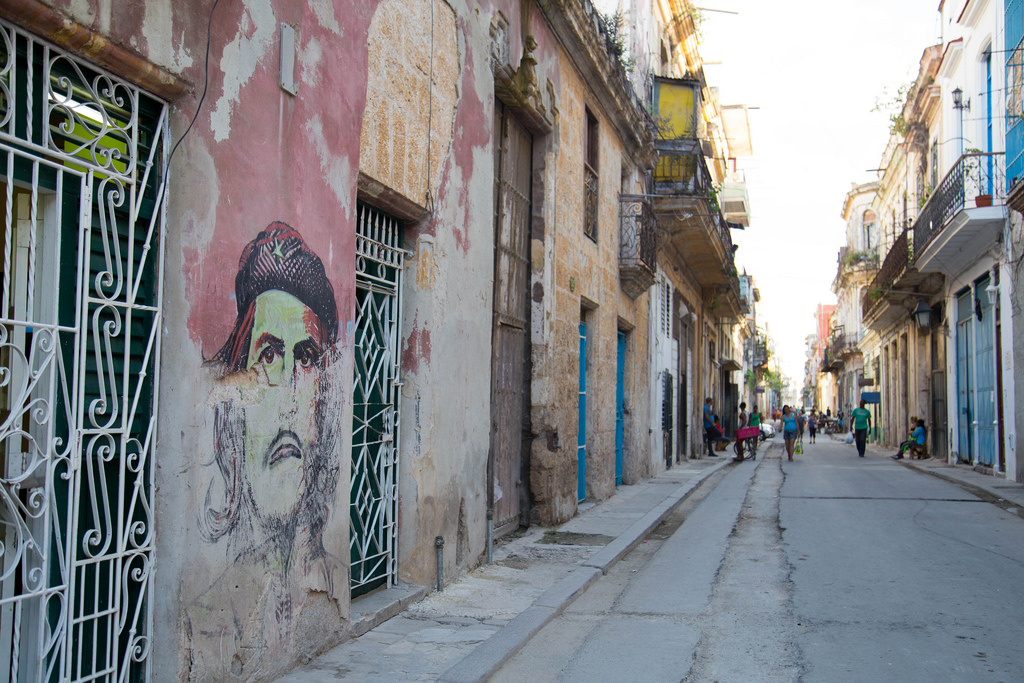
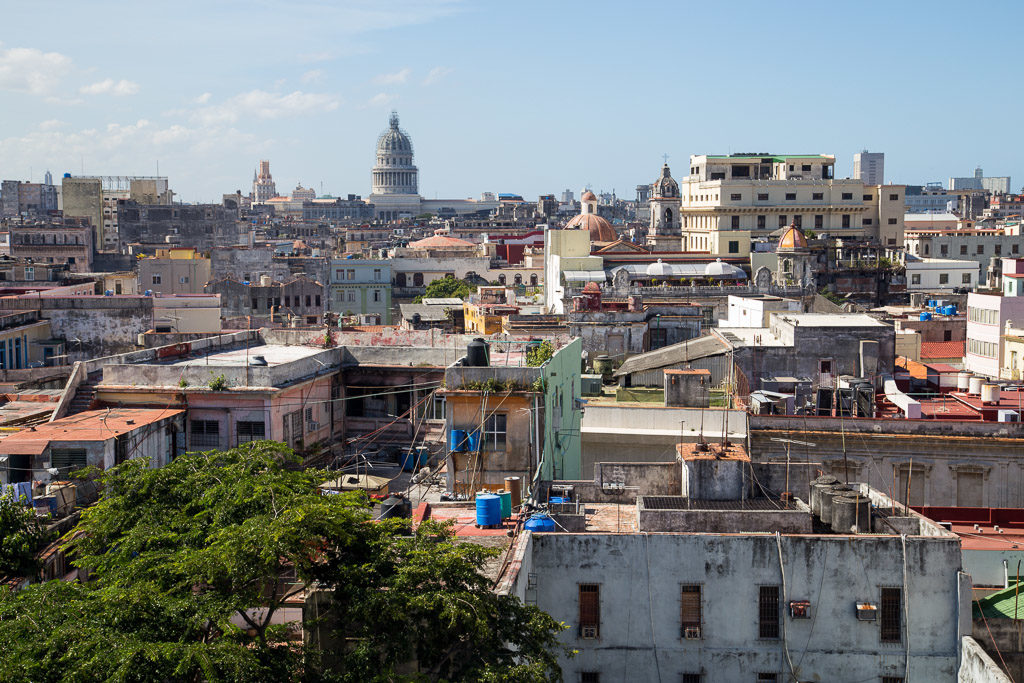
    Traveling to Cuba awesome, but it’s work. It’s more backpackery and rugged than most Americans are used to. Think dirty cities (like, severed pigs heads sitting on the street corner), a decent amount of hustling for taxis (and pens…), diesel cars whose fumes fill the city air and can make long rides dizzying. Poverty. Dilapidated buildings that haven’t been used in years. But also amazing music, people, colors, scenery, history …

    The people are wonderful and it’s very safe, but it’s an assault on the senses and is not relaxing. Especially if you travel on the cheap. Even things like buying water or a snack aren’t as easy as you’re used to. You can walk blocks without seeing a shop, and to-go food is rare outside the big cities. 

    So … should you go to Cuba? Absolutely. But be prepared — here are some tips I learned while planning a trip to Cuba and traveling around the country.
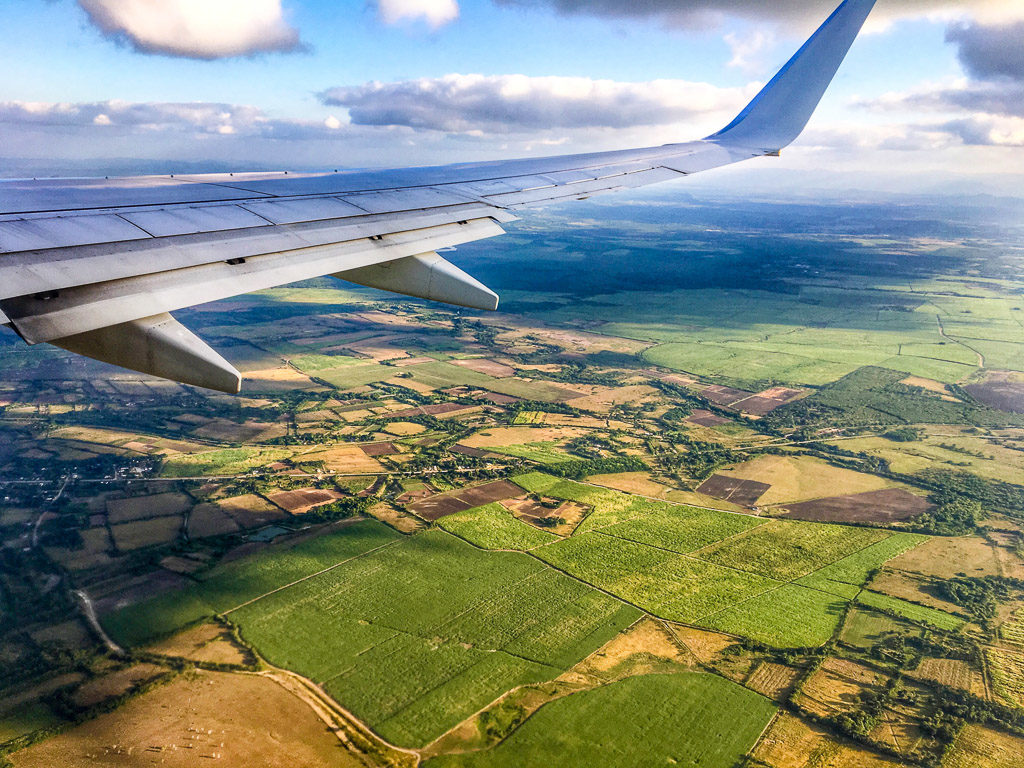
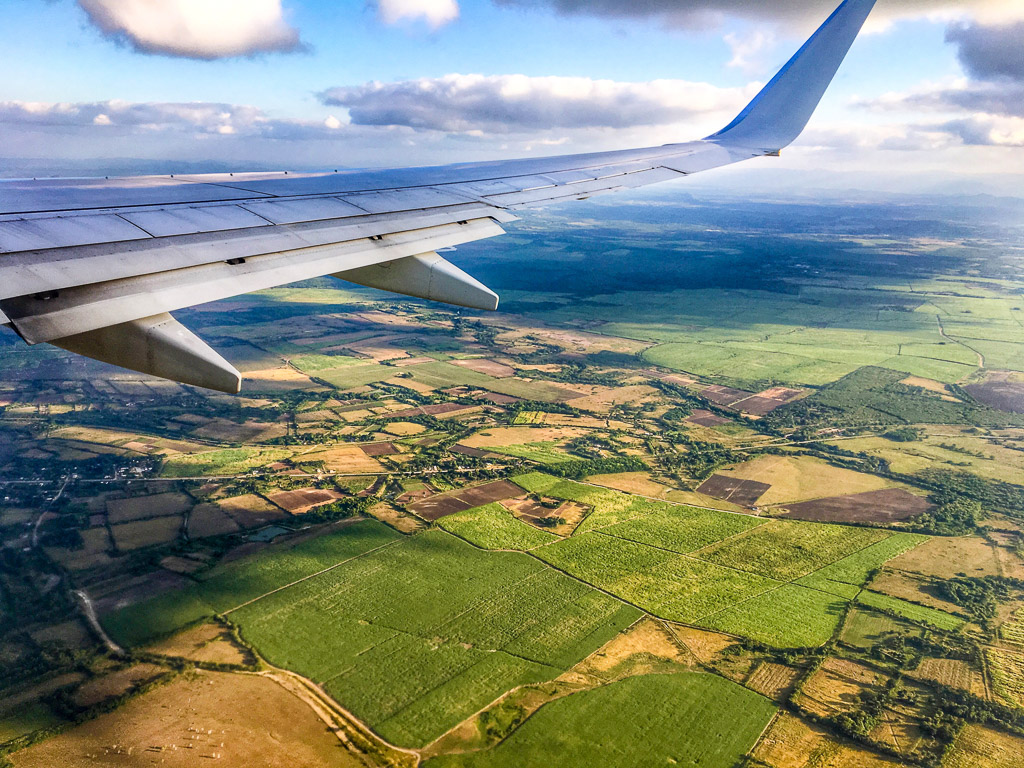
    plane wing over cuba

    What do I need to get into Cuba?

    Now that restrictions are lifted, as long as you fit one of the 12 visa categories, you don’t need much formal paperwork to visit. Here’s what you need:

    • Airplane ticket: hooray! You can book directly on a number of U.S. carriers now!
    • Insurance: this was included in my airline ticket, so you may not have to buy it separately
    • Visa: $85 plus $25 shipping if you order it on Cubavisaservices.com
    • Stamped boarding pass: you’ll have to visit the Cuba Ready booth at Miami airport to show your visa, passport, and boarding pass. Then keep this boarding pass with you at all times during your trip — it’s proof of your insurance.
    • Passport: duh
    • Itinerary: not officially required, but recommended to show proof of your reason for visit

    How much money do I need to bring?

    Credit cards and ATMs don’t work in Cuba so you have to bring cash and exchange it there. Okay, but how much cash do you need? I wasn’t crazy about the idea of lugging around tons of money, but wasn’t sure if I could get by on $50 a day or $200 a day. This Lonely Planet post helps break it down a bit:

    • $60/day: budget trip with casa particulares and gov’t restaurants
    • $60-$120/day: mid-range with hotels, private restaurants and some bus travel
    • $120+/day: upscale trip with resorts, top tier restaurants, and high-end entertainment

    Bartering is also common here, so you can try to negotiate prices for taxis and souvenirs.

    —

    Okay, I wrote the above bit while planning the trip. Now that I’ve been to Cuba, here’s what I found. Money is tough. You can get by on $50 a day, at a bare minimum, if you book lodging through Airbnb and pay before your trip. We traveled reasonably – $5 breakfast at our casas, $20 lunch (for 2 ppl) and $30 dinner (for 2 ppl), plus taxis and a few cocktails/cervezas (which are fairly cheap). We spent about $70/day not including lodging.

    While you can figure out many things (lodging, transportation, activities) while on the ground in Cuba, money is something you definitely need to plan for. You can’t use credit cards at all here (unless they’re from a foreign bank) and you can’t use ATMs for cash from U.S. banks. That means you have to bring cash – all the cash you’ll use for the trip, plus some extra to be safe. If you have the chance to take out Euros or Canadian dollars before leaving home, do it, as there’s a 10% fee to exchange U.S. dollars in Cuba.

    There are two currencies in Cuba: CUC (called “cooks” – this is what tourists use), and CUP (mostly used at local vendors, you’ll likely never use these). To change money, you’ll have to go to a Cadeca (casa de cambio). You’ll need your passport too, and in some places (Havana, for example) there may be a long line. It’s useful to look up hours of operation before you arrive. Some places, like Santa Clara, close their Cadeca at 5, so if your plane gets in later than that (or customs take some time), you won’t be able to exchange, and you’ll have no money. You may be able to exchange under the table – a casa particular host could possibly arrange that for you to hold you over until you get to the Cadeca the next day.

    But be sure to plan your day’s activities if you’re running low on cash. If you get to dinner and realize you don’t have enough cash, you’ll be out of luck until the exchange opens the next day.
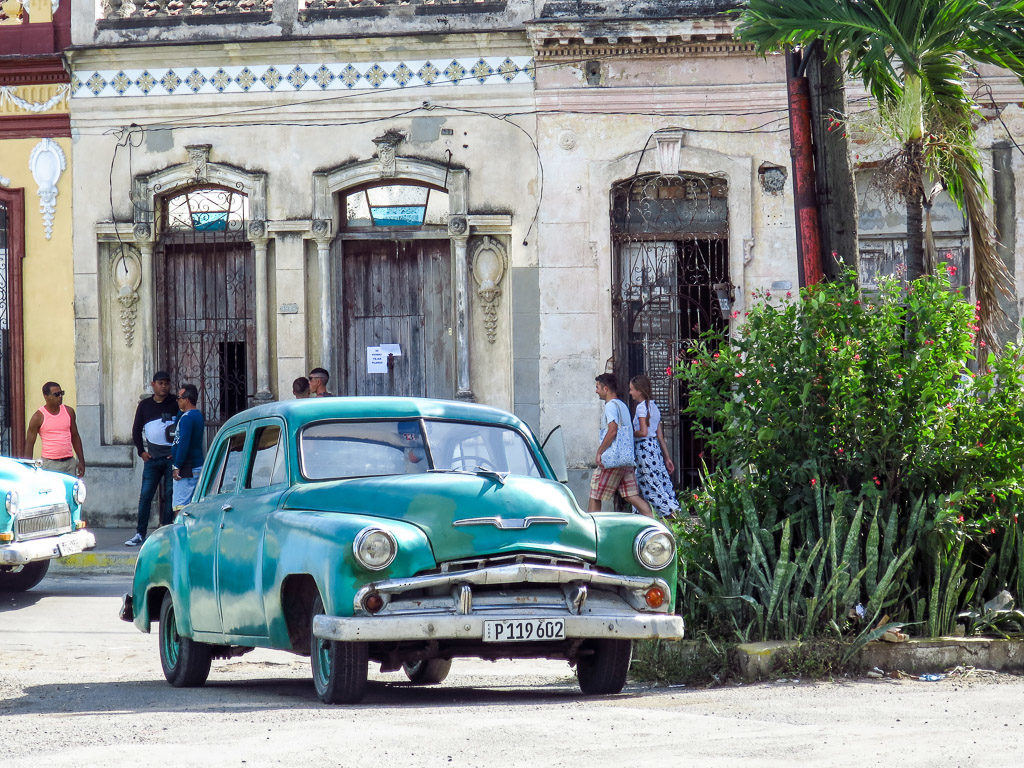
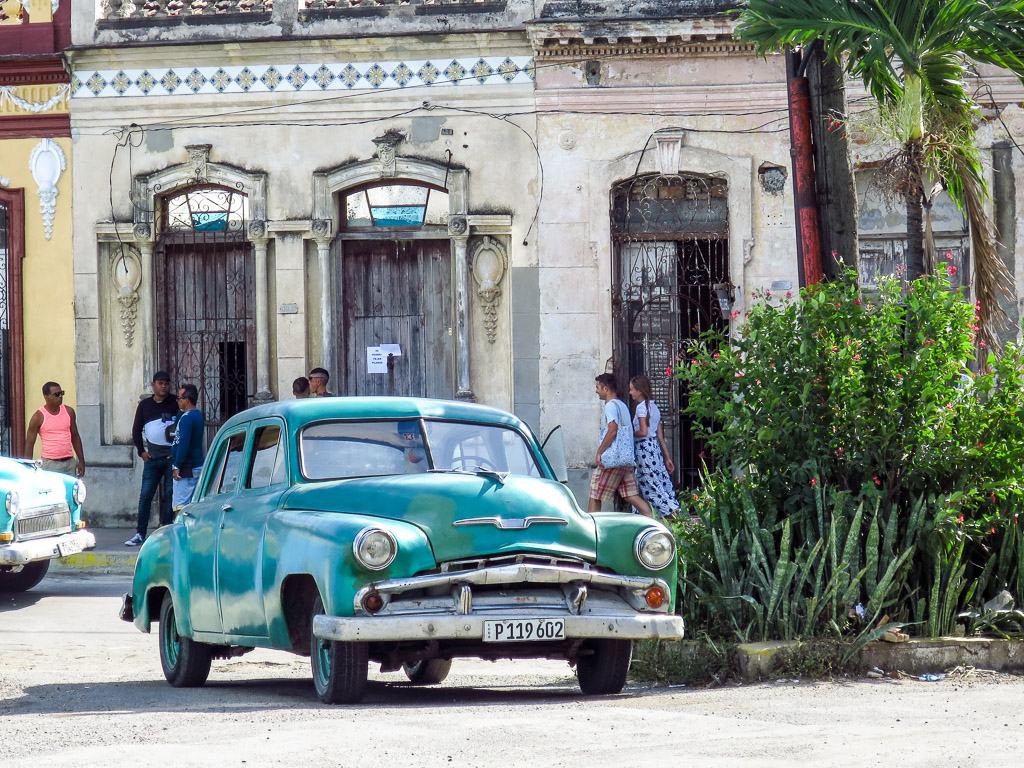
    cuba car

    Do you tip in Cuba?

    Some restaurants will include a 10% service fee in their price. Others – like taxis, tour guides, etc. appreciate small tips. Casa particulars go both ways – some will refuse extra money while others accept it.

    Another way to tip at casa particulars is to give your hosts items from the U.S. that aren’t readily available in Cuba – makeup, like lipstick and bath products; extra clothes, pens, etc.

    Curiously, Throughout Cuba, more so than money, you’ll find people begging for things like pens. We heard “un stilo / un lapiz?” everywhere. There’s such a poverty that many people are lacking access to basic things like pens, soap, bras, etc. I gave out about 10 pens while here, and had I known to expect this I would have bought some packs to and out more.

    How do I get around?

    If saving money is more important than saving time, take the bus. Viazul has routes between most cities and tourist spots. But bus travel can suck up a lot of time (and patience) – expect lines at the station (and arrive about an hour before your trip to be safe), break-downs and delays, and extra stops that add more time to your trip. The buses themselves are well-air conditioned and comfortable (though the seats do recline quite far into the space behind you). You can buy tickets online from the U.S., but don’t worry if the route is sold out. The company actually holds a number of tickets for sale in person (many Cubans don’t have access to Internet so need to buy in person), so you can go to the station a day or so in advance and buy a ticket. When you buy online from the U.S. you’ll get a receipt but you still have to wait in line at the station and turn that into printed tickets. If you have luggage, you can check it below the bus (often costs about 2 CUC).

    If time is more valuable than money, consider taxis or car hire. These are easy to find in any city, and you can ask your casa particular or hotel to arrange for you – you don’t need to plan or book before you’re trip. A good compromise is a shared taxi. You can join a private car of people traveling from, say Trinidad to Santa Clara. It’s more pleasant than the bus, and you’ll get to know other travelers along the way.

    Where do I stay?

    The most prevalent and authentic places to stay in Cuba are casa particulars – home stays. You can tell a casa particular by the blue eye-like symbol that hangs outside.

    You can now book many of these on Airbnb; a convenience because you can pay in advance via credit card (cash only once in Cuba, remember), and you can see reviews/solidify plans before your arrival. Keep in mind, however, that there are local agents in Cuba that manage properties on behalf of the hosts. So you may communicate in English with someone and arrive to find your hosts only speak Spanish.

    You may also arrive to find that your reservation never made its way from the agent to the host, and the room you thought you booked is not available. In that case the agent and host should find another place for you to stay and the agent will pay (since you already paid via Airbnb). Bring a print-out of your reservation.

    A typical casa particular stay includes a small room (2 beds, often), private bathroom/shower (with varying degrees of water pressure), air conditioning sometimes. For 5 CUC you can get a large (but sometimes flavorless) breakfast prepared by the host. Some hosts won’t accept tips but will accept items like makeup from the U.S. Or shampoo/bath supplies.

    Beware jinteros – a growing problem in towns like Trinidad. Basically they stand at the bus station and claim to lead you to your reserved house, only to take you to another house and have you pay to stay there. To combat this, make sure you know the name and exact street address of your casa. Clear up any arrival plans with the host before you arrive (will you arrive by taxi? Will they send a taxi/someone holding a sign with your name? Will you walk on your own?). Confirming this info will lead to less confusion upon arrival.
    What do I need to pack?

    Plan on bringing most things that you need. If you forget something, odds are you can’t just pick it up in Cuba. Bring:

    • CASH
    • All toiletries
    • Medicine: pain killers/Advil, immodium, cipro
    • Bug spray
    • First aid
    • Febreeze and stain remover
    • Kleenex or toilet paper (some restaurants and bars won’t have TP in their bathrooms)
    • Purel/hand sanitizer
    • Plastic bags
    • Sun screen/hat/sunglasses
    • Jacket for cooler nights
    • Books & entertainment
    • Notebook
    • Offline apps on your phone (translator, etc.)
    • Printed versions of all reservations, lodging, etc.
    • Camera equipment & memory cards
    • Extra toiletries, cosmetics, or pens for hosts

    Will my phone work? Is there wifi?

    AT&T and Verizon phones will work in many Cuban cities. Just keep in mind that your plan is pay-as-you-go, (there aren’t international plans for Cuba) so charges can rack up quickly. Don’t expect to find WiFi at restaurants or casa particulars; you have to buy internet cards from a local Etesca store (10 CUC = 5 hours at one spot I found), or the nicer hotels also sell cards (hotel national in Havana was 7 CUC for 1 hour). Etesca has hotspots in some parks and squares, though we found it more pleasant to hole up at a hotel bar for an hour to check in.

    Is it safe for female travelers?

    Yes, very safe.

    Do I need Spanish?

    Yes. You don’t need to be fluent but a basic understanding and ability to ask/answer questions, give directions, is important. Do not expect your casa particular hosts to speak English. If something goes wrong, being able to communicate in Spanish can be a trip saver.

    Related Posts

    How to Travel to Cuba Without a Tour Group

    20 Adventure-Inspiring Photos of Cuba


  • What to Do with One Day in Seattle: Travel Guide

    What to Do with One Day in Seattle: Travel Guide

    Seattle was the second stop on my Canada-to-Mexico trip. I only had a short amount of time — 24 hours, to be exact — and it rained for some of it (duh), but I was still able to see a lot of the city. 

    How I Got Here

    Since I was coming from Vancouver, I took the scenic Amtrak Cascades train down from Canada. I wrote up some things you should know if you take that train here. I took the 6:30 train from Vancouver, which got me into Seattle’s King Street Station around 11 a.m.

    Where I Stayed

    I’m lucky to have a friend in Seattle, so I skipped the hotel and stayed with her.

    Day 1

    Pike Place Market: Tourist central, but when in Seattle you’ve gotta check it out. And despite the tourists and the crowds, it felt legit — like you’d totally buy the stuff here, rather than it being full of tacky souvenirs.

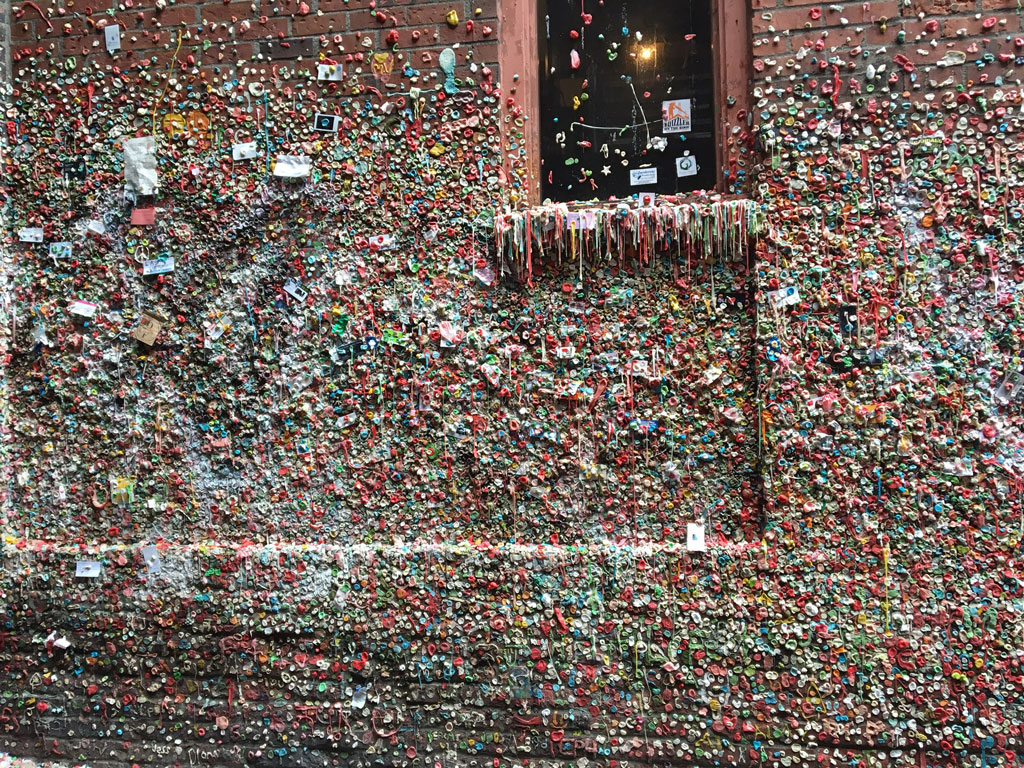
    Gum Wall: To one side of the market, this alley is pockmarked with chewed gum wads. The city actually removed it all recently because the gum was so heavy it was weighing down the buildings. But that didn’t discourage chewers, and the wall is back in action.

    Beecher’s Cheese: Seattle’s favorite cheesemonger is heaven for mac and cheese lovers like me. The cheese curds were pretty incredible, too. Worth the wait in line. 

    Original Starbucks: It’s a Starbucks with an old logo. And a really long line. I stopped for a pic, but I’m pretty sure the coffee inside is the same as all the other Starbucks you’ve ever had.

    Cloudburst Brewing: A new brewery that’s taking Seattle by storm. The brewers used to work for popular local brand Elysian but when that company was bought out by Anheuser-Busch, so they went out on their own and cook up a new type of beer every batch. The taproom is a casual and inviting industrial space.

    Gas Works Park: This park on Lake Union has giant rusted out gas tanks rising out of hte green grass. There’s also a covered pavilion with brightly painted iron gears, pipes and other machinery. Surrounding the park are a number of pretty houseboat communities and there’s a great skyline view of the city and Space Needle.

    Freemont Brewing: A short walk from Gasworks Park, this is one of the breweries to hang out at in Seattle. There’s a nice outdoor area that apparently gets packed on nice days (it wasn’t too crowded on this cloudy Saturday afternoon). Inside they have big bowls of free pretzels and apples that you can munch on with your beers.

    Stroup Brewing: Tucked in the Ballard neighborhood between residential houses, this little brewery has a funky beer garden patio and a local food truck parked outside. We got a growler to go on our way to Discovery Park. 

    Discovery Park: A massive green space with odd buildings reminiscent of Lost’s Darma Initiative, this park has a lot of nice walking trails and some great views of the Olympic Peninsula and mountains. It also has a bunny problem; apparently Seattleites? have been releasing their pet rabbits here and they’re reproducing like, well, rabbits. You’ll probably see them nibbling around the park. 

    Ballard Neighborhood: This used to be the salty seamen’s hangout; now it’s one of Seattle’s hipster hoods. Ballard Ave is lined with boutique bars and shops.

    Percy’s & Co.: An apothecary-themed spot, there are jars of cocktail concoctions and eyedroppers of drink elixirs on the back bar of the brick-walled bar. I told the bartender I was in the mood for a mule and she whipped up some mint-mule-champagne concoction that was amazing. 

    Sexton: Another really good cocktail spot, plus solid modern American food: think boar burgers, chicken pot pie, and a few types of mac and cheese. The cocktails here were good too, and there’s an outdoor back patio for when the weather cooperates. 

    Day 2

    Pioneer Square: Seattle’s historic heart, this square was overrun with film crews shooting the sequel of 50 Shades of Grey. (They asked, but I declined to be an extra…) It’s a nice space, but there are a lot of homeless people nearby — some were super friendly, others were pretty aggressive.

    Underground Tour: Seattle was originally built lower than it is now; to make up for the tides and sewer issues the city rebuilt itself a whole level higher after it burned down in the late 1800s. You can still go underground and see the old storefronts and sidewalks, plus a lot of crap that people threw down there. Speaking of crap, the word apparently comes from Crapper, the man who popularized the modern toilet, which played a big role in Seattle’s development. The tour cost $19 for about 75 minutes of Seattle history, underground exploring, and toilet jokes. 

  • The Most Instagrammable ‘Love Walls’ in the World

    The Most Instagrammable ‘Love Walls’ in the World

    Conde Nast Traveler – February 2017  || Need a backdrop for that Valentine’s ‘gram? Find a love wall.
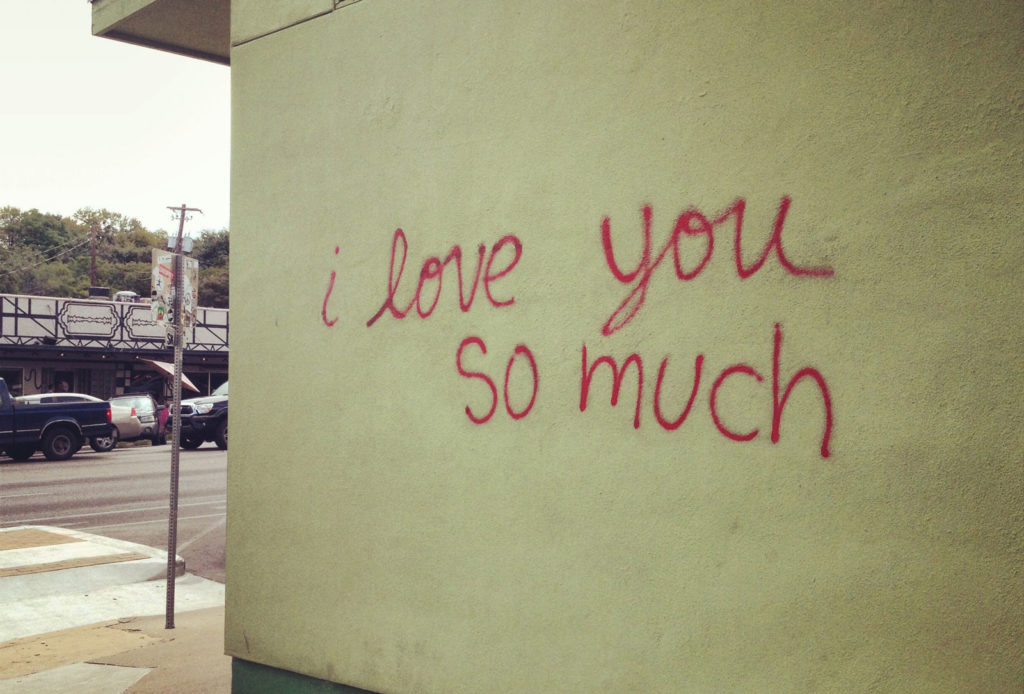
    What is a love wall? Exactly what it sounds like—an expression of love captured on the facade of a building, structure, or public space. Sometimes these walls are impromptu, like New York’s “Subway Therapy” wall comprised of emotive post-it notes that popped up temporarily after the 2016 election. Others are more, well, set in stone.

    Read full article>>

  • How to Visit Washington D.C. for Inauguration Weekend

    How to Visit Washington D.C. for Inauguration Weekend

    January 5, 2017 on Fodors.com || All eyes will be on Washington D.C. this January for Inauguration Weekend. The city’s preparing for over 1 million visitors, coming in for everything from celebrations to protests to getting a glimpse of history. Here’s a quick guide to visiting Washington for the Inauguration, the Women’s March on Washington, or any other events on tap from January 19-21, 2017.

    Read full article>>


  • 2016 Holiday Travel Gift Guide

    November 2016 on Marriott Traveler  || Holiday shopping season is upon us, and you’re probably well on your way to making a list and checking it twice. If you planned ahead, your gift-buying was taken care of months ago with awesome local mementos and souvenirs you picked up on your travels … Wait, you didn’t remember to buy gifts when you were on your vacation back in April? Don’t worry, we’ve got you covered. From stocking stuffers to high-tech travel gear, these nine gifts will wow everyone on your list.

    Read full article>>

    marriott traveler logo


  • Holiday Travel Survival Guide

    Holiday Travel Survival Guide

    October 2016 on Marriott Traveler || Delayed. Delayed. Delayed. Delayed. If you’re gearing up to travel this holiday season, that is the last word you want to see on the airport departures board. Fortunately, there are steps you can take to try to avoid some of the season’s biggest transportation nightmares.

    We checked in with Marriott Rewards Insiders and other frequent travelers and asked them to spill their secrets for traveling between Thanksgiving and New Years. Below are some of the top tips for surviving holiday travel.

    Read full article>>

    marriott traveler logo

  • How to Spend 2 Days in Austin: Travel Guide

    How to Spend 2 Days in Austin: Travel Guide

    I went to Austin for a few days for a work summit. Most of our time was spent in meeting rooms in the W hotel, but I was able to check out a few things while there. Here’s what I did:

    How I Got There

    There aren’t too many direct flights from D.C. to Austin; I flew United nonstop from Dulles. 

    Where I Stayed

    W Hotel: Good location a short walk from Sixth Street. The hotel had a chic design with an industrial edge. Large rooms had awesome attention to detail, especially the bathroom toiletries. Two words: face wash!!! 

    Day 1

    Blue Dahlia: Cute spot for tartines and breakfast/brunch food. It’s a bit dark inside, but there’s a nice outdoor seating area if it’s not too hot out. 

    La Condesa: Upscale Tex Mex is the name of the game at this large high-ceilinged restaurant with moody lighting. 

    Rainey Street: When this residential area was rezoned into commercial real estate, historic houses were turned into quirky bars. Most of them have back yards or outdoor patios, and food trucks pull up to serve eats. Basically it feels like you’re drinking in a buddy’s backyard, not a bar.

    Day 2

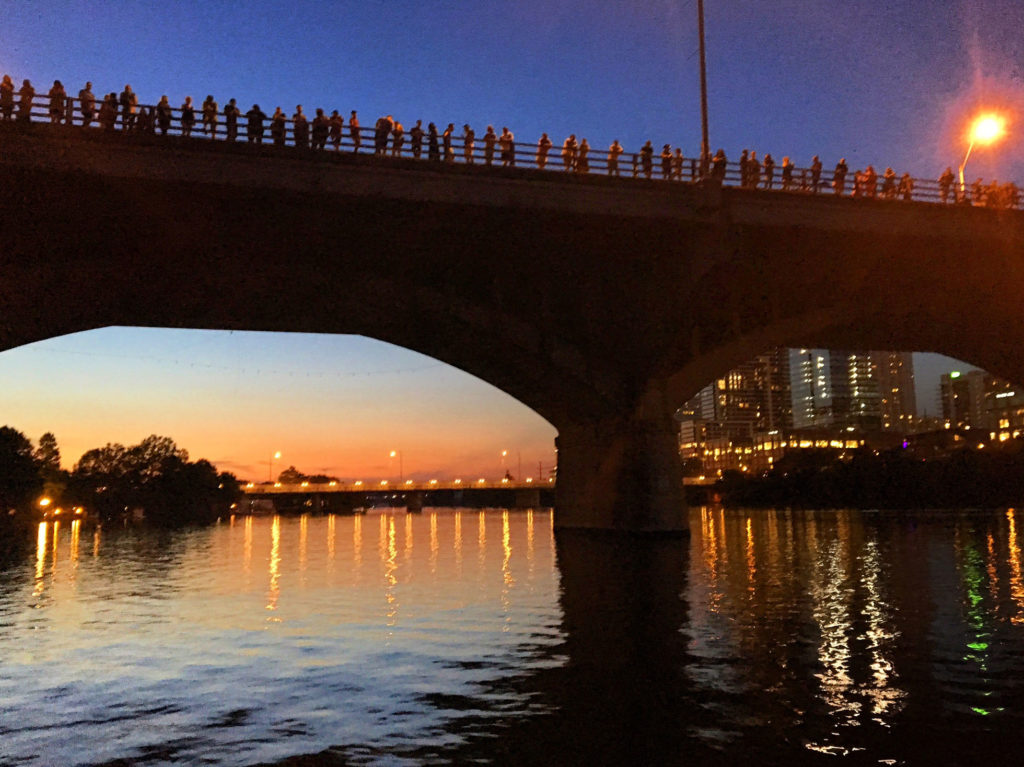
    Bat Cruise: Every night between March and November thousands of bats that live in the crevasses under the South Congress bridge fly out around sundown to feed. You can stand on the bridge to look down at them, or hop on a boat cruise to tour a bit of Lady Bird Johnson Lake. The boats float beneath the bridge to watch the bats. You’ll get better photo ops from the boat because you get the bridge scene too. Tip: get a boat with a covered roof; it’ll protect you from the bat droppings.  

    Swifts Attic: Not your average menu here. Inventive courses whip up weirdness like spicy edamame with pop rocks and bacon-wrapped Gorgonzola. Try the ball cocktails: the flavored ingredients are frozen in an ice cube ball that flavors the liquor in the glass as it melts.  

    White Horse: An east side honky tonk where you’ll find a quirky mix of folks. Think sleeve tattoos and ironic hipster t-shirts with unironic cowboy hats and two-step dancing. 

    Rain on 4th: This gay bar on 4th Street has a dance floor with cages and an outdoor back bar. 

  • The 8 Best New Rooftop Bars in Washington, D.C.

    The 8 Best New Rooftop Bars in Washington, D.C.

    August 2, 2016 on Conde Nast Traveler || Want to find D.C.’s hottest bars? Just look up.

    There’s something missing from the D.C. skyline: skyscrapers. A height limit has kept most of the District’s buildings shorter than the Capitol dome, creating a town-like atmosphere while offering unobstructed views. It’s the perfect recipe for rooftop bars—and this summer, the city’s nightlife mavens have taken note. D.C.’s in a rooftop boom, with nearly a dozen new drinking perches open this year. From cozy cornertops where you can people-watch the street below, to Instagram-ready sunset and stadium views, here are some of Washington’s best new rooftop bars.

    Read full article>>