Category: Blog

  • Planning a Trip to Cuba: Your Questions Answered

    Planning a Trip to Cuba: Your Questions Answered

    Traveling to Cuba awesome, but it’s work. It’s more backpackery and rugged than most Americans are used to. Think dirty cities (like, severed pigs heads sitting on the street corner), a decent amount of hustling for taxis (and pens…), diesel cars whose fumes fill the city air and can make long rides dizzying. Poverty. Dilapidated buildings that haven’t been used in years. But also amazing music, people, colors, scenery, history …

    The people are wonderful and it’s very safe, but it’s an assault on the senses and is not relaxing. Especially if you travel on the cheap. Even things like buying water or a snack aren’t as easy as you’re used to. You can walk blocks without seeing a shop, and to-go food is rare outside the big cities. 

    So … should you go to Cuba? Absolutely. But be prepared — here are some tips I learned while planning a trip to Cuba and traveling around the country.
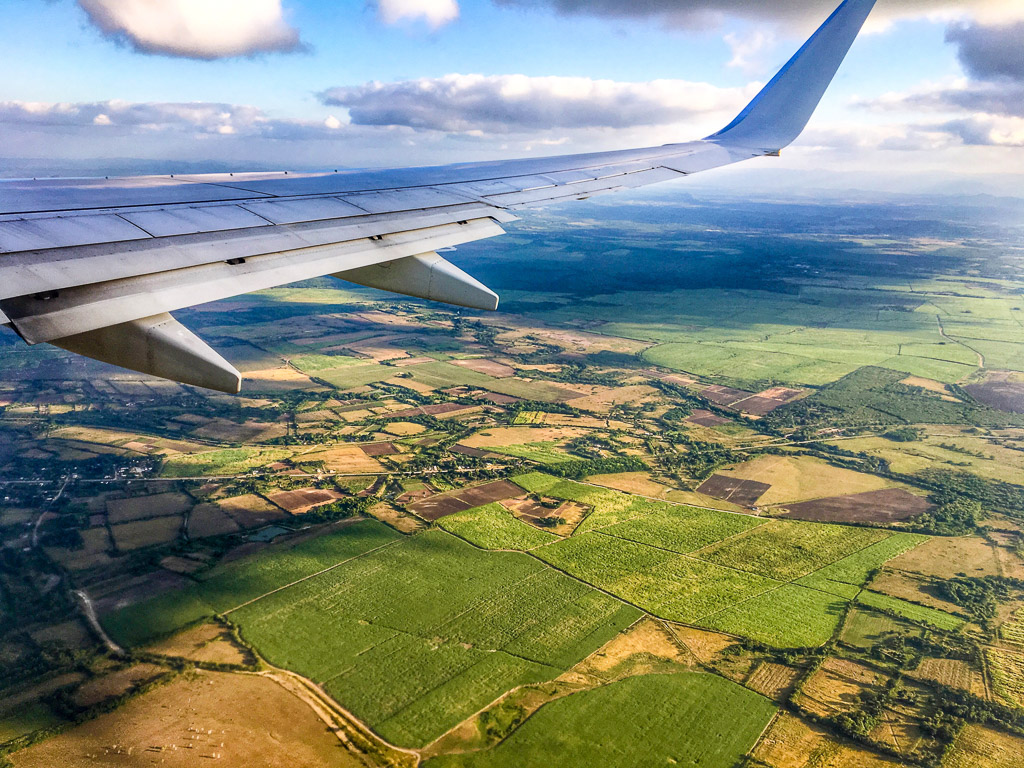
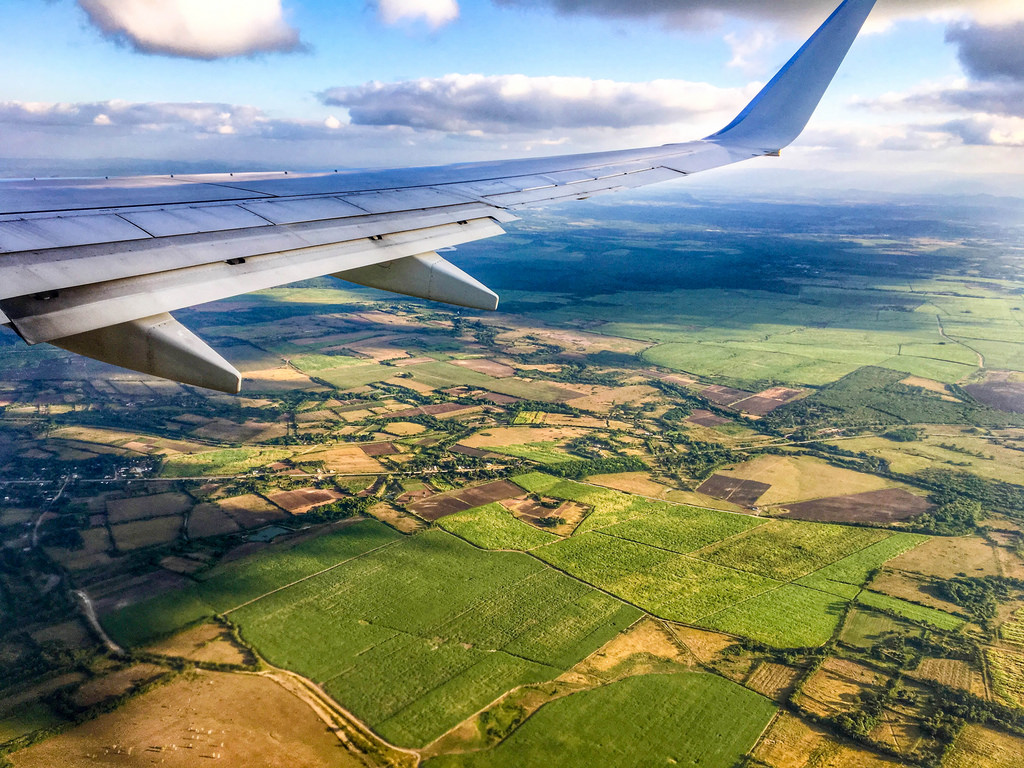
    plane wing over cuba

    What do I need to get into Cuba?

    Now that restrictions are lifted, as long as you fit one of the 12 visa categories, you don’t need much formal paperwork to visit. Here’s what you need:

    • Airplane ticket: hooray! You can book directly on a number of U.S. carriers now!
    • Insurance: this was included in my airline ticket, so you may not have to buy it separately
    • Visa: $85 plus $25 shipping if you order it on Cubavisaservices.com
    • Stamped boarding pass: you’ll have to visit the Cuba Ready booth at Miami airport to show your visa, passport, and boarding pass. Then keep this boarding pass with you at all times during your trip — it’s proof of your insurance.
    • Passport: duh
    • Itinerary: not officially required, but recommended to show proof of your reason for visit

    How much money do I need to bring?

    Credit cards and ATMs don’t work in Cuba so you have to bring cash and exchange it there. Okay, but how much cash do you need? I wasn’t crazy about the idea of lugging around tons of money, but wasn’t sure if I could get by on $50 a day or $200 a day. This Lonely Planet post helps break it down a bit:

    • $60/day: budget trip with casa particulares and gov’t restaurants
    • $60-$120/day: mid-range with hotels, private restaurants and some bus travel
    • $120+/day: upscale trip with resorts, top tier restaurants, and high-end entertainment

    Bartering is also common here, so you can try to negotiate prices for taxis and souvenirs.

    Okay, I wrote the above bit while planning the trip. Now that I’ve been to Cuba, here’s what I found. Money is tough. You can get by on $50 a day, at a bare minimum, if you book lodging through Airbnb and pay before your trip. We traveled reasonably – $5 breakfast at our casas, $20 lunch (for 2 ppl) and $30 dinner (for 2 ppl), plus taxis and a few cocktails/cervezas (which are fairly cheap). We spent about $70/day not including lodging.

    While you can figure out many things (lodging, transportation, activities) while on the ground in Cuba, money is something you definitely need to plan for. You can’t use credit cards at all here (unless they’re from a foreign bank) and you can’t use ATMs for cash from U.S. banks. That means you have to bring cash – all the cash you’ll use for the trip, plus some extra to be safe. If you have the chance to take out Euros or Canadian dollars before leaving home, do it, as there’s a 10% fee to exchange U.S. dollars in Cuba.

    There are two currencies in Cuba: CUC (called “cooks” – this is what tourists use), and CUP (mostly used at local vendors, you’ll likely never use these). To change money, you’ll have to go to a Cadeca (casa de cambio). You’ll need your passport too, and in some places (Havana, for example) there may be a long line. It’s useful to look up hours of operation before you arrive. Some places, like Santa Clara, close their Cadeca at 5, so if your plane gets in later than that (or customs take some time), you won’t be able to exchange, and you’ll have no money. You may be able to exchange under the table – a casa particular host could possibly arrange that for you to hold you over until you get to the Cadeca the next day.

    But be sure to plan your day’s activities if you’re running low on cash. If you get to dinner and realize you don’t have enough cash, you’ll be out of luck until the exchange opens the next day.
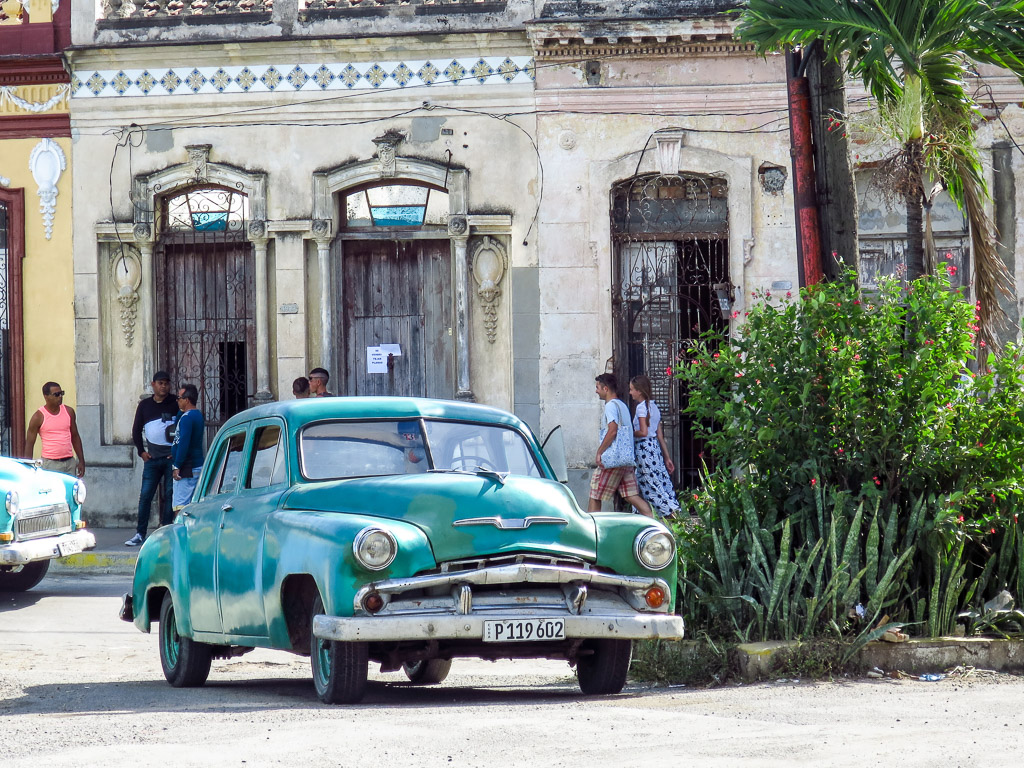
    cuba car

    Do you tip in Cuba?

    Some restaurants will include a 10% service fee in their price. Others – like taxis, tour guides, etc. appreciate small tips. Casa particulars go both ways – some will refuse extra money while others accept it.

    Another way to tip at casa particulars is to give your hosts items from the U.S. that aren’t readily available in Cuba – makeup, like lipstick and bath products; extra clothes, pens, etc.

    Curiously, Throughout Cuba, more so than money, you’ll find people begging for things like pens. We heard “un stilo / un lapiz?” everywhere. There’s such a poverty that many people are lacking access to basic things like pens, soap, bras, etc. I gave out about 10 pens while here, and had I known to expect this I would have bought some packs to and out more.

    How do I get around?

    If saving money is more important than saving time, take the bus. Viazul has routes between most cities and tourist spots. But bus travel can suck up a lot of time (and patience) – expect lines at the station (and arrive about an hour before your trip to be safe), break-downs and delays, and extra stops that add more time to your trip. The buses themselves are well-air conditioned and comfortable (though the seats do recline quite far into the space behind you). You can buy tickets online from the U.S., but don’t worry if the route is sold out. The company actually holds a number of tickets for sale in person (many Cubans don’t have access to Internet so need to buy in person), so you can go to the station a day or so in advance and buy a ticket. When you buy online from the U.S. you’ll get a receipt but you still have to wait in line at the station and turn that into printed tickets. If you have luggage, you can check it below the bus (often costs about 2 CUC).

    If time is more valuable than money, consider taxis or car hire. These are easy to find in any city, and you can ask your casa particular or hotel to arrange for you – you don’t need to plan or book before you’re trip. A good compromise is a shared taxi. You can join a private car of people traveling from, say Trinidad to Santa Clara. It’s more pleasant than the bus, and you’ll get to know other travelers along the way.

    Where do I stay?

    The most prevalent and authentic places to stay in Cuba are casa particulars – home stays. You can tell a casa particular by the blue eye-like symbol that hangs outside.

    You can now book many of these on Airbnb; a convenience because you can pay in advance via credit card (cash only once in Cuba, remember), and you can see reviews/solidify plans before your arrival. Keep in mind, however, that there are local agents in Cuba that manage properties on behalf of the hosts. So you may communicate in English with someone and arrive to find your hosts only speak Spanish.

    You may also arrive to find that your reservation never made its way from the agent to the host, and the room you thought you booked is not available. In that case the agent and host should find another place for you to stay and the agent will pay (since you already paid via Airbnb). Bring a print-out of your reservation.

    A typical casa particular stay includes a small room (2 beds, often), private bathroom/shower (with varying degrees of water pressure), air conditioning sometimes. For 5 CUC you can get a large (but sometimes flavorless) breakfast prepared by the host. Some hosts won’t accept tips but will accept items like makeup from the U.S. Or shampoo/bath supplies.

    Beware jinteros – a growing problem in towns like Trinidad. Basically they stand at the bus station and claim to lead you to your reserved house, only to take you to another house and have you pay to stay there. To combat this, make sure you know the name and exact street address of your casa. Clear up any arrival plans with the host before you arrive (will you arrive by taxi? Will they send a taxi/someone holding a sign with your name? Will you walk on your own?). Confirming this info will lead to less confusion upon arrival.
    What do I need to pack?

    Plan on bringing most things that you need. If you forget something, odds are you can’t just pick it up in Cuba. Bring:

    • CASH
    • All toiletries
    • Medicine: pain killers/Advil, immodium, cipro
    • Bug spray
    • First aid
    • Febreeze and stain remover
    • Kleenex or toilet paper (some restaurants and bars won’t have TP in their bathrooms)
    • Purel/hand sanitizer
    • Plastic bags
    • Sun screen/hat/sunglasses
    • Jacket for cooler nights
    • Books & entertainment
    • Notebook
    • Offline apps on your phone (translator, etc.)
    • Printed versions of all reservations, lodging, etc.
    • Camera equipment & memory cards
    • Extra toiletries, cosmetics, or pens for hosts

    Will my phone work? Is there wifi?

    AT&T and Verizon phones will work in many Cuban cities. Just keep in mind that your plan is pay-as-you-go, (there aren’t international plans for Cuba) so charges can rack up quickly. Don’t expect to find WiFi at restaurants or casa particulars; you have to buy internet cards from a local Etesca store (10 CUC = 5 hours at one spot I found), or the nicer hotels also sell cards (hotel national in Havana was 7 CUC for 1 hour). Etesca has hotspots in some parks and squares, though we found it more pleasant to hole up at a hotel bar for an hour to check in.

    Is it safe for female travelers?

    Yes, very safe.

    Do I need Spanish?

    Yes. You don’t need to be fluent but a basic understanding and ability to ask/answer questions, give directions, is important. Do not expect your casa particular hosts to speak English. If something goes wrong, being able to communicate in Spanish can be a trip saver.

    Related Posts

    How to Travel to Cuba Without a Tour Group

    20 Adventure-Inspiring Photos of Cuba
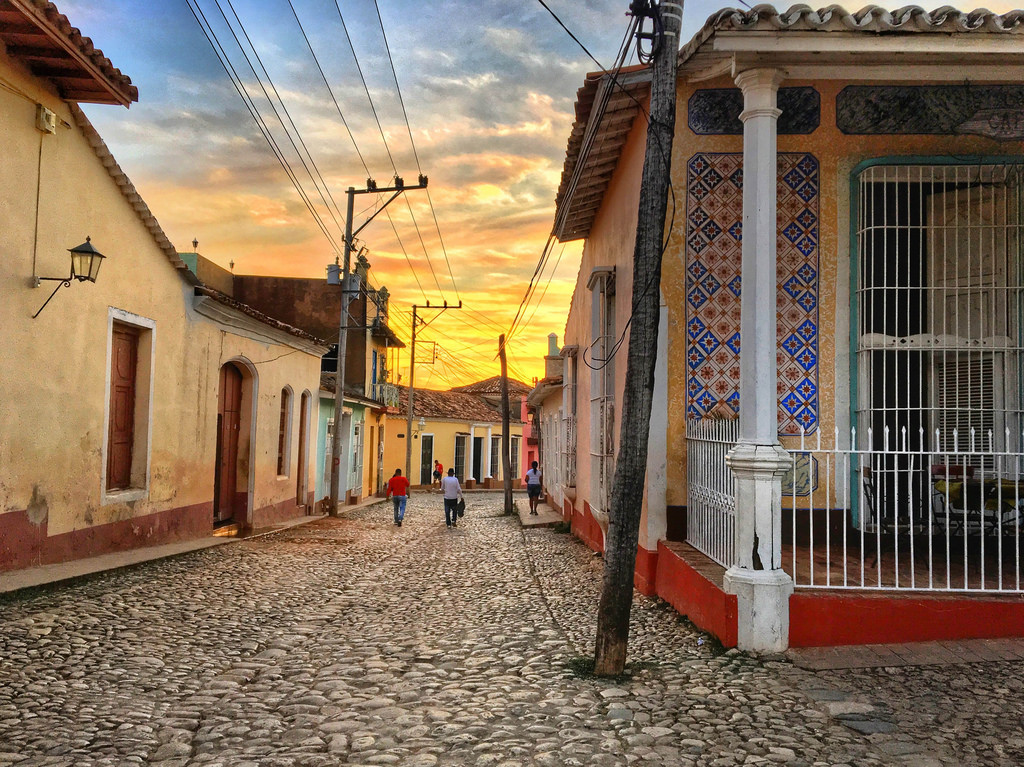
     

  • Photo Editing Tips: How I Made This Sunset Image

    Photo Editing Tips: How I Made This Sunset Image

    Here’s a shot from Trinidad, Cuba, and the steps I took to put together to turn a kind of blah pic into a pretty nice sunset image:

    1. Shoot pic a little underexposed, to maintain the sunset colors. 
    2. Open your fave photo editing app (mine is Snapseed)
    3. Add a slight HDR filter to brighten shadows and boost sunset colors. Adjust filter strength to avoid too much of a painting look
    4. Increase saturation to bring out the colors in the sky 
    5. Boost the structure to add definition to the cobblestones 
    6. Straighten image, then save
    7. Open pic in Instagram, adding a touch of Lux contrast
    8. Voila!

    You can play with this slider to see the before and after:

  • What to Do with One Day in Seattle: Travel Guide

    What to Do with One Day in Seattle: Travel Guide

    Seattle was the second stop on my Canada-to-Mexico trip. I only had a short amount of time — 24 hours, to be exact — and it rained for some of it (duh), but I was still able to see a lot of the city. 

    How I Got Here

    Since I was coming from Vancouver, I took the scenic Amtrak Cascades train down from Canada. I wrote up some things you should know if you take that train here. I took the 6:30 train from Vancouver, which got me into Seattle’s King Street Station around 11 a.m.

    Where I Stayed

    I’m lucky to have a friend in Seattle, so I skipped the hotel and stayed with her.

    Day 1

    Pike Place Market: Tourist central, but when in Seattle you’ve gotta check it out. And despite the tourists and the crowds, it felt legit — like you’d totally buy the stuff here, rather than it being full of tacky souvenirs.

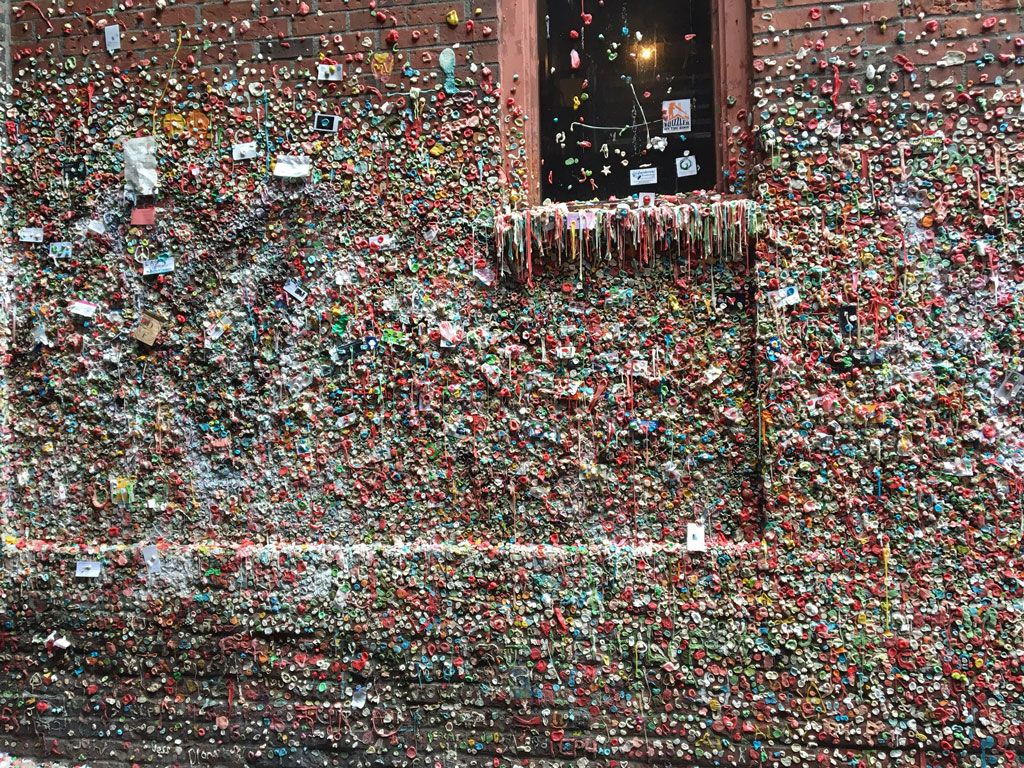
    Gum Wall: To one side of the market, this alley is pockmarked with chewed gum wads. The city actually removed it all recently because the gum was so heavy it was weighing down the buildings. But that didn’t discourage chewers, and the wall is back in action.

    Beecher’s Cheese: Seattle’s favorite cheesemonger is heaven for mac and cheese lovers like me. The cheese curds were pretty incredible, too. Worth the wait in line. 

    Original Starbucks: It’s a Starbucks with an old logo. And a really long line. I stopped for a pic, but I’m pretty sure the coffee inside is the same as all the other Starbucks you’ve ever had.

    Cloudburst Brewing: A new brewery that’s taking Seattle by storm. The brewers used to work for popular local brand Elysian but when that company was bought out by Anheuser-Busch, so they went out on their own and cook up a new type of beer every batch. The taproom is a casual and inviting industrial space.

    Gas Works Park: This park on Lake Union has giant rusted out gas tanks rising out of hte green grass. There’s also a covered pavilion with brightly painted iron gears, pipes and other machinery. Surrounding the park are a number of pretty houseboat communities and there’s a great skyline view of the city and Space Needle.

    Freemont Brewing: A short walk from Gasworks Park, this is one of the breweries to hang out at in Seattle. There’s a nice outdoor area that apparently gets packed on nice days (it wasn’t too crowded on this cloudy Saturday afternoon). Inside they have big bowls of free pretzels and apples that you can munch on with your beers.

    Stroup Brewing: Tucked in the Ballard neighborhood between residential houses, this little brewery has a funky beer garden patio and a local food truck parked outside. We got a growler to go on our way to Discovery Park. 

    Discovery Park: A massive green space with odd buildings reminiscent of Lost’s Darma Initiative, this park has a lot of nice walking trails and some great views of the Olympic Peninsula and mountains. It also has a bunny problem; apparently Seattleites? have been releasing their pet rabbits here and they’re reproducing like, well, rabbits. You’ll probably see them nibbling around the park. 

    Ballard Neighborhood: This used to be the salty seamen’s hangout; now it’s one of Seattle’s hipster hoods. Ballard Ave is lined with boutique bars and shops.

    Percy’s & Co.: An apothecary-themed spot, there are jars of cocktail concoctions and eyedroppers of drink elixirs on the back bar of the brick-walled bar. I told the bartender I was in the mood for a mule and she whipped up some mint-mule-champagne concoction that was amazing. 

    Sexton: Another really good cocktail spot, plus solid modern American food: think boar burgers, chicken pot pie, and a few types of mac and cheese. The cocktails here were good too, and there’s an outdoor back patio for when the weather cooperates. 

    Day 2

    Pioneer Square: Seattle’s historic heart, this square was overrun with film crews shooting the sequel of 50 Shades of Grey. (They asked, but I declined to be an extra…) It’s a nice space, but there are a lot of homeless people nearby — some were super friendly, others were pretty aggressive.

    Underground Tour: Seattle was originally built lower than it is now; to make up for the tides and sewer issues the city rebuilt itself a whole level higher after it burned down in the late 1800s. You can still go underground and see the old storefronts and sidewalks, plus a lot of crap that people threw down there. Speaking of crap, the word apparently comes from Crapper, the man who popularized the modern toilet, which played a big role in Seattle’s development. The tour cost $19 for about 75 minutes of Seattle history, underground exploring, and toilet jokes. 

  • Where to Go with 1 Week in Australia

    Where to Go with 1 Week in Australia

    A friend purchased a super cheap ticket to Sydney and is visiting Australia for the first time. They’re looking for a mix of city, beach, and active/adventure. Here’s what I recommended:

    With 7 days I recommend sticking to the East Coast — Australia is about the size of the continental U.S. so flying from Sydney to, say, Cairns is kind of like flying from Charlotte to Boston.

    Option 1: Sydney + Day Trips

    This would be the easiest to coordinate and the least amount of hopping around, still with plenty to see, though it might not feel as exotic as the other options.

    You could spend 1-2 days exploring the city, 1 day out at the eastern & southern beaches where there’s a great coastal walking trail connecting main beaches (Bondi, Coogee, etc.), 1 day taking a ferry across to Manly for the beach and zoo, 1 day trip to Hunter Valley for a “wobbly wine” bike trip (you bike vineyard to vineyard), day or overnight trip to the Blue Mountains/Katoomba for hiking and rappelling.

    Option 2: Cairns + Sydney

    This would be a good mix of beach and adventure (Great Barrier Reef and rainforest) and city, but more travel time and less time in Sydney.

    Get in and fly up to Cairns which is the gateway to the Great Barrier Reef. Spend 1-2 days out on the reef (day trips or you can do a scuba liveaboard for overnights), then 1 day in Daintree Rainforest where you’ll see crocs and other weird Aussie animals. Then fly down to Sydney and do the city/beach stuff in the above option.

    Option 3: Whitsunday Islands + Sydney

    Similar to option 2, except instead of Cairns you could base yourself in the Whitsunday Islands on the southern part of the reef (google image it, one of the most beautiful places ever), like on Hamilton Island. A bit more sailing/beach and less jungle adventure. Also would up your in-transit time though.

    Option 4: Sydney + Melbourne

    This would be a much more urban combo, but also one of my fave road trips in the world, the Great Ocean Road.

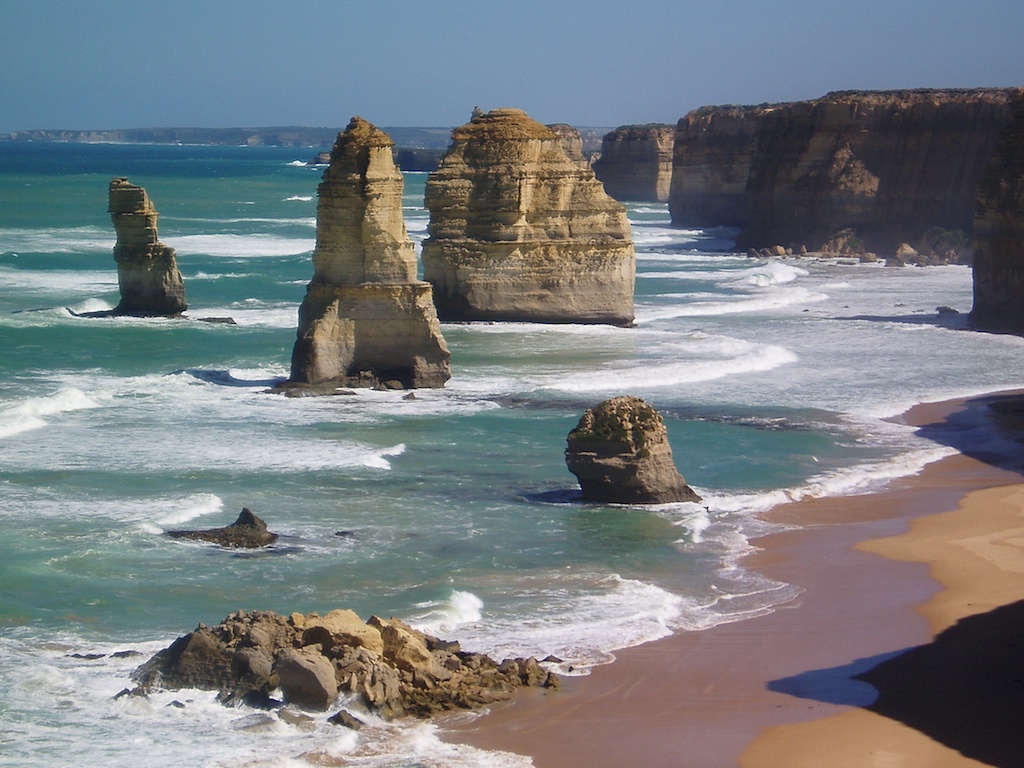
    Melbourne is the artsier edgier Aussie city, like the Seattle to Sydney’s LA. You can spend a day or two exploring, and a day doing the Great Ocean Road drive along the coast to the Twelve Apostles.


  • How to Spend 9 Days in Peru: Travel Guide

    How to Spend 9 Days in Peru: Travel Guide

    I spent a week in Peru in November (over Thanksgiving) with a friend. We visited Cusco, Lima, and hiked the Inca Trail to Machu Picchu. Here’s what we did:

    How I Got There

    We flew Avianca from Dulles to Cusco, transferring through San Salvador and Lima (and snoozing in that airport for a bit since there was a latenight layover).

    Where I Stayed

    Cusco: Hotel Marqueses: About a 5-minute walk from the Plaza de Armas, this charming little hotel was quiet, clean, and rooms overlooked a nice little interior courtyard with a fountain. Because the hotel was next door to our Inca Trail trekking company, they let us store our bags there during our trip (though they might do that anyway, the staff was super accommodating).

    Aguas Calientes: Hostel Viajeros: If you’re coming off four days of Inca Trail hiking, this place is fine (it has toilets and marginally functional showers, which is all you’ll care about at this point). Otherwise steer clear; it’s old, dark, and dingy.

    Lima: Hotel Antigua Miraflores: A cute and quirky hotel in Miraflores. It kind of feels like staying in someone’s mansion, and the restaurant is good.

    What I Did

    Day 1: Cusco

    Plaza de Armas: The main square in Cusco, and my favorite spot. Come here any time of day, but at sunset the dusk light is beautiful. There are two churches here — the Cathedral and Iglesia de la Compañía de Jesús, where you can climb up for a good view of the square. There are also a handful of restaurants and bars surrounding the plaza where you can get seats on balconies overlooking everything.

    San Cristobal Church: Since we, like many visitors to Cusco, were here to acclimate before hitting the high-altitude Inca trail, we figured we’d start exploring with a bit of a hike up to this church overlooking the city. This. Was. Hard. Altitude is no joke. But the view from this church is a great one, and worth the breathlessness.

    San Francisco Church and Monastery: We “popped” in to see the bones in the church’s catacombs, but didn’t realize this meant joining a very long and uninteresting tour. There was some nice art (and some very strange fantastical modern art), but plan for an hour if you’re going to visit/do the tour.

    Papachos: A contemporary burger restaurant with balconies overlooking Plaza de Armas. There’s a good alpaca burger here (alpaca is one of your “must try” Peruvian dishes). Gaston Acurio, the chef, is a big deal in Peru.
    San Pedro Market: Food, crafts, and alpaca knits. This big market is a great place for snacks or to load up on local knick knacks for people back home.

    Qurikancha: You can see layers of history here. It once was the most important Incan temple, covered in gold to honor the sun god. Then Spanish colonialists took all the gold and built a church on the site. Now you can see the ancient temple walls as well as the church, a convent, and a nice little garden.

    Pisco Museum: Museum is a strong term, this is really just a bar with an enormous pisco selection and some enlightening wall art about how the drink is made.

    Calle del Medio Restaurant: You can try fancy cuy (guinea pig) here. “Fancy” because your dish won’t look like a roasted rat (as other places serve it) … the cuy here comes in more of a filet form, adorned with flowers and salad.

    Day 2: Cusco

    San Blas: An artsy neighborhood up a hill. It’s an easy walk from the Plaza de Armas and a great place for eating, shopping, and wandering. The small square around the San Blas church has lots of local craft and jewelry vendors, and some shops nearby sell alpaca knits.

    Cafe Loco: Supposedly one of the best coffee spots in Cusco. I don’t drink coffee so have to defer to others on this.

    Jack’s Cafe: One of the most popular expat hangouts, this place has HUGE sandwiches and is a good brunch spot. There’s no WiFi (they’re so popular they can’t give people more reason to linger longer).

    Cava Mora Restobar: A balcony bar and restaurant overlooking Plaza de Armas.

    Cicciolina: An upstairs, upscale tapas and wine bar, this place buzzes at dinner time. The food is excellent, and ranges from Italian to Spanish to Peruvian.

    Day 3: Inca Trail

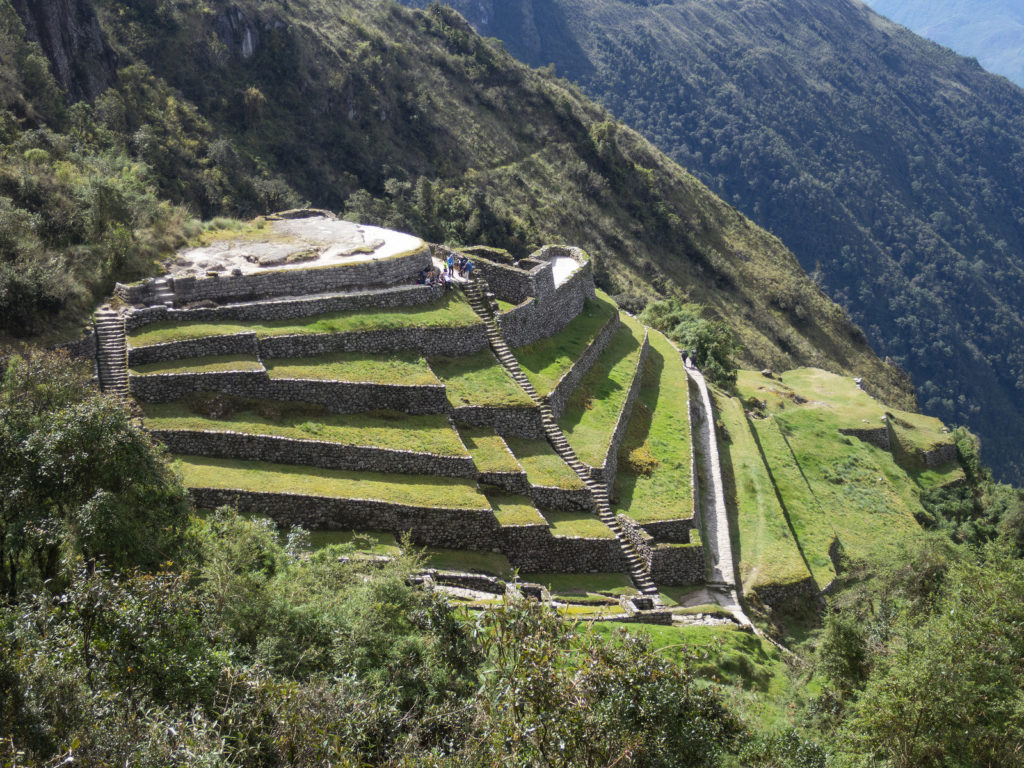
    Inca Trail: this is the “easy” day. (Easy is all relative.) See my Inca Trail post for full details.

    Day 4: Inca Trail

    The “challenge” day of the Inca Trail. Basically you climb straight up, then down, a 14,000-foot Andean peak. Diamox is essential.

    Day 5: Inca Trail

    The “unforgettable” day – you’ll start seeing more and more Incan archaeological sites. But it’s also the longest day, with lots of tromping down stairs.

    Day 6: Inca Trail & Machu Picchu

    Machu Picchu! Thank god.

    Doing the hike, you arrive in the early morning at the Sun Gate. Then you’ll have to climb down and grab tickets and re-enter to tour the site.

    Aguas Calientes: The little tourist hub at the base of Machu Picchu. I don’t have a lot of great things to say about this town, except that there are toilets with seats and beds with sheets. And pizza. Believe me, after 4 days of trekking these were all incredible luxuries. Otherwise it’s a town of kitschy souvenirs and tourist restaurants and bars.

    Day 7: Machu Picchu & Cusco

    Huayna Picchu: You need a timed ticket to climb the iconic mountain at Machu Picchu. It’s about a 45-minute hike up the mountain, once at the top you’ll have awesome views of the site below. There are some viewing ledges where many people stop their climb, though you can go all the way to the boulder-y top. Coming down you have two choices: the short way, which is NOT for anyone who’s scared of heights (these stairs are part of the route), or the long way around the mountain past the Temple of the Moon. The long way is LONG — for me, after 4 days of Inca Trail trekking, the extra 3 hours of hiking up and down through the humid jungle this was the last straw for my legs. So I’d recommend the shorter route unless you find heights debilitating.

    Train from Aguas Calientes to Cusco: The tourist train has big windows so you can take in the sights. Unfortunately ours broke down and then had to pull another broken train so it was dark for most of the ride. The train doesn’t connect all the way to Cusco; you have to take a bus for the last 45 mins or so.

    McDonalds: Yes, we ate McDonalds in Peru. For Thanksgiving dinner. We were supposed to arrive back in Cusco around 7 pm but because of delays we didn’t get back til closer to 11. So, McDonalds it was.

    Day 8: Lima

    La Mar Cebicheria: Lima’s not my favorite place, but the food here is definitely worth a stop. This trendy restaurant is in a fringe part of the Miraflores neighborhood, but once inside we were wowed by the cocktails and tasting flights of ceviche. One of the best meals of our Peru trip.

    Huaca Pucllana: An ancient, pre-Incan ruin, right in the middle of urban Miraflores. Honestly, historical significance aside, this site was super underwhelming; it looks like a big pile of bricks. Worth a 10 minute visit, or better yet, come at night when the ruins are lit.

    Costa Verde and Larcomar: This coastal string of parks and upscale shopping mall built into a sea cliff is a nice way to stretch your legs in Miraflores. There are art installations and workout stations along the way.

    Barranco: This is Lima’s coolest hood — for nightlife, come here. Bars and restaurants are hopping, galleries and outdoor art bring the culture, and you’ll find random pop-up street performances.

    Orient Express: This tiny bar in Barranco is modeled after a train car. Climb aboard and sip some delicious pisco sours.

    Day 9: Lima

    Plaza de Armas: Downtown Lima’s central square is grander than its Cusco counterpart.

    Convento de San Francisco: The catacombs here are the real deal. You also have to join a tour to visit the skulls and bones in the crypt. Photography isn’t technically allowed here.

    La Casa de la Literatura: A museum honoring Peruvian writers, this place is a must for any book nerds.

    Hotel Bolivar: This classic hotel in downtown Lima claims to have the best pisco sours in the city.

  • Best Restaurants in D.C. (According to Me)

    Best Restaurants in D.C. (According to Me)

    My ongoing effort to casually document the good (and not so good) restaurants I’ve tried around the District.

    Adams Morgan

    Tail Up Goat: small plates and yummy craft cocktails

    Dupont Circle


    14th Street/U Street

    Compass Rose: awesome menu of street food small plates from around the world

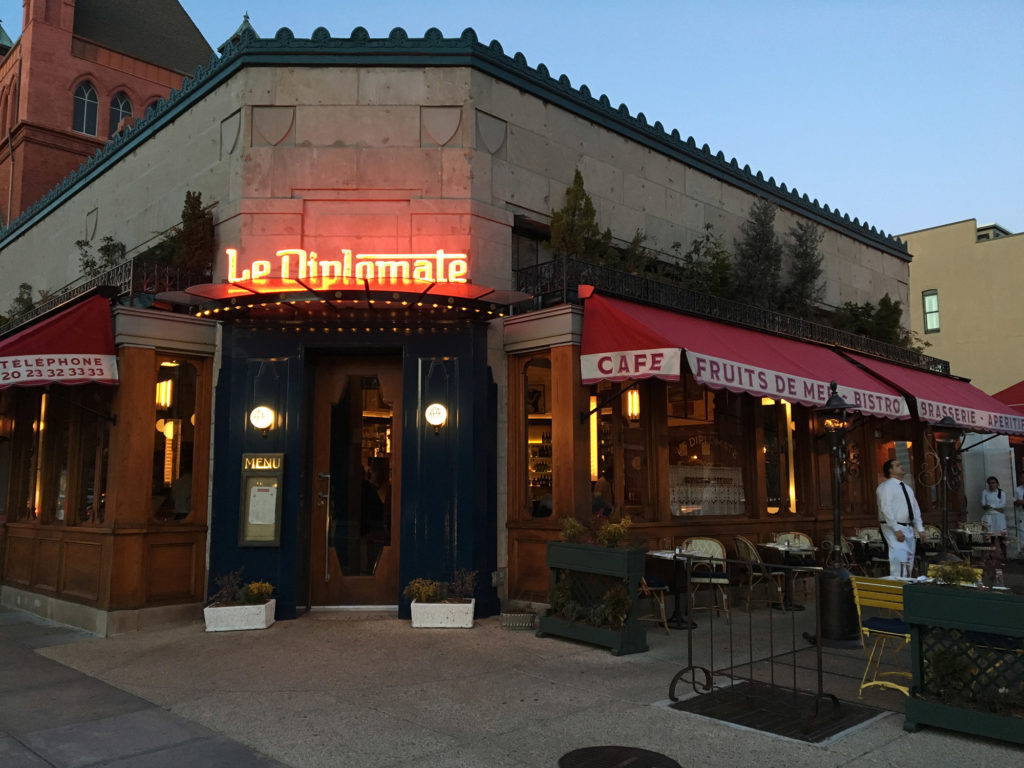
    Le Diplomate: French bistro that’s a standby on 14th street

    Lupo Verde: my favorite Italian restaurant

    Shaw & Bloomingdale

    The Red Hen: perfectly cooked pasta & Italian, in good but not gluttony-inducing portion sizes in a cozy-hip setting

    Columbia Room: a swanky prohibition-style den in Blagden Alley. Their special cocktail tasting menu is worth the $80 splurge.

    Downtown D.C.

    Petworth

    Timber Pizza: small shop with gourmet made-to-order thin crust pizza and an interesting lineup of craft beers

    H Street NE

    Arlington

    Ambar: Balkan tapas in a airy plant-filled corner space in Clarendon.

    Lyon Hall: Belgian beer, mussels and subway tile in a moody-mod space (think candle bulbs and subway tiles)

    Yona

    Northside Social

    Pupatella

    Alexandria

    On My Radar (Haven’t Tried Yet, but Worth Mentioning)

    Pineapple and Pearls or Roses Luxury: two of the foodiest spots in DC


  • What to Do When You Visit D.C. in Winter

    What to Do When You Visit D.C. in Winter

    A friend wrote me in late December asking for some tips for some friends visiting D.C. Since a lot of my favorite spots are better in summer, here’s a list of some winter recommendations I sent over.
    Overall for food/drinks I’d recommend going to these neighborhoods: 14th St./Logan Circle, U Street and Shaw. 14th/U is really the hub of dining and nightlife so you can walk along til you find a place that has something you like. Shaw is a tad less corridor-like; you need to have more of a destination, but it’s where a lot of the new hotspots are opening. Dupont Circle and Adams Morgan are still good food and drinks spots. I wouldn’t recommend Gtown these days, except for a few spots or for shopping during the day.

    A few of my favorite bars are:

    • Churchkey: beer galore (we got drinks here when you were in town a while back)
    • Bar Pilar: cozy & classic bar on 14th
    • McClellan’s Retreat: a good one for history nerds, this bar is Civil War themed
    • Board Room: board game-themed bar, good for holing up on cold nights
    • Vegas Lounge: live band turns this place into a Motown/Pop dance party
    • Wok and Roll: drunk latenight (or not so latenight) karaoke

    Some restaurants to look at:

    Local Booze: there are a ton of great local beers to try/breweries (3 Stars, Atlas, DC Brau, Right Proper, Port City), but other local booze is also buzzy, like the ANXO Cidery and District Distilling Co.

    Quintessential “DC” spots:

    • The rooftop bar at the W Hotel is probably one of the best views in DC, overlooking WH/Mall
    • Off the Record in the Hay Adams hotel has fun political cartoon coasters you can steal
    • The Watergate Hotel opened and I think it’s overdone but if it happens to be warm there’s a great new rooftop bar overlooking Gtown

    Other things to do:

    • I’d say good luck getting tickets to the new African American museum … they’re booked til April, though there are some daily giveaways I think.
    • The East Wing of the National Gallery of Art just reopened and is cool
    • The Renwick Gallery is really fun for some Instagram action
    • One of my favorite lesser known spots on the Mall is the US Botanical Garden – in winter it’s a nice tropical jungle to escape into.
    If they’re Hamilton fans, then this guide might be of interest 🙂
  • 2017 Travel Trends to Watch

    2017 Travel Trends to Watch

    To make sense of the avalanche of trends pieces that storms in this time of year, I’ve put together some notes on what industry leaders say are the top travel trends for 2017. Some are familiar (green travel is by no means news), while others are refreshing innovations from tech advances (AI) and stealing ideas from other successful fields (rental travel clothes ala Rent the Runway).

    U.S. News: The Biggest Travel Trends to Watch in 2017

    • Artificial Intelligence
    • Green getaways
    • Urgency to see disappearing destinations
    • Digital booking for experiences/attractions (led by Airbnb)
    • River cruising
    • Airline rewards for higher paying customers
    • Cuba
    • Smartphone photography

    Euromonitor/MSN: 10 Travel Trends to Watch for in 2017

    • Co-living communities
    • Supersonic travel
    • Micro-adventures
    • The Middle East
    • Wilderness spas & wellness
    • Chinese theme parks
    • Making India friendlier toward female travelers
    • Cuba
    • VR (especially for travel agents)
    • Bag-free travel (ship to hotel or rental programs)

    2017 Virtuoso Luxe Report

    • Multigenerational travel
    • Active or adventure trips
    • River cruising
    • Travel with immediate family
    • Celebration travel

    Forbes: The Experts’ Views: Five Travel Trends for 2017

    • The pared-back hotel
    • European islands and islets
    • The edible resort
    • Affordable sailing adventures
    • Polar travel

    Huffington Post: 8 Coming Travel Trends for 2017

    • Wellness vacations (growing 50% faster than regular travel)
    • Connected world (more regional flights and airports)
    • Competitive Travel
    • Xenophobic Travel
    • Demand making once bucket-list places commonplace and expensive
    • Protest Tourism
    • Bargain Travel (60% travelers are ‘price driven’)
  • The Ultimate List of Best Places to Go in 2017

    The Ultimate List of Best Places to Go in 2017

    Around this time each year, travel sites flood us with their “must see” lists. Not only are these a way to round up interesting destinations that either have big stuff going on (Canada for the 150th anniversary, Seoul for all the new openings, Cuba because for a second year in a row everyone’s obsessed with Cuba…), they’re also a consistent way for these media companies to flex their web design muscles.

    To make matters easy for my own research (and for you! You’re welcome!) here’s a list of lists: all the major travel sites’ top lists for where to go in 2017.

    Also, just for fun, here’s an aggregated look at the places that appeared on the most lists … you might say this is the consensus list of the best places to travel in 2017:

    • Canada
    • India
    • Russia
    • Colombia
    • Finland
    • Nepal
    • Cape Town
    • Portugal
    • Peru
    • New Zealand
    • Chile
    • Italy
    • Belize
    • Japan
    • Bermuda
    • Switzerland
    • Hamburg
    • Madagascar

    Ok, now the lists of lists…

    National Geographic: Best Trips 2017

    This list is broken down into Nature trips, City trips, and Culture trips. Hats off to the web design team and editors; lots of great videos, photography (obvi, it’s Nat Geo), social plugins, and little tips and tidbits.

    • Kauai
    • Finland
    • Baja California
    • Banff
    • Ecuador Cloud Forest
    • Via Dinarica, Western Balkans
    • Tiger National Parks, Central India
    • Marrakech
    • Madrid
    • Anchorage
    • Seoul
    • Moscow
    • Cartagena
    • Hamburg
    • Malta
    • Papua New Guinea
    • Chengdu, China
    • Canton Uri, Switzerland
    • Guadeloupe, Caribbean
    • Georgia, USA
    • Cradle of Humankind, South Africa

    Lonely Planet: Best in Travel 2017

    This one is broken down into Countries, Cities, Region, and Value. Nice hero images pull in video for a sense of place, and wire-icons keep the destination blurbs clean. Also, like previous years, it’s sponsored so comes with a photo contest for a free trip.

    • Canada
    • Colombia
    • Finland
    • Dominica
    • Nepal
    • Bermuda
    • Mongolia
    • Oman
    • Myanmar
    • Ethiopia
    • Bordeaux, France
    • Cape Town
    • Los Angeles
    • Merida, Mexico
    • Ohrid, Macedonia
    • Pistoia, Italy
    • Seoul
    • Lisbon
    • Moscow
    • Portland, Oregon
    • Choquequirao, Peru
    • Taranaki, NZ
    • The Azores, Portugal
    • North Wales, UK
    • South Australia
    • Aysen, Chile
    • The Tuamotus, French Polynesia
    • Coastal Georgia, USA
    • Perak, Malaysia
    • The Skellig Ring, Ireland
    • Namibia
    • Porto, Portugal
    • Venice
    • Debrecen, Hungary
    • Belize
    • Morocco
    • Russia
    • Bellarine Peninsula, Australia
    • Upper Peninsula, Michigan

    AFAR: The AFAR 100

    I’m not going to list 100 things here … and neither did AFAR. Their best of list is more of a collection of articles and round-ups.

    Insider: 50 Places to Travel to in 2017

    This is the first I’m hearing of Insider, and I’m not totally sure what it is. But their list is pretty extensive, and includes a lot of spots on other lists (Finland, Malta, Seoul, Nepal…) so it’s worth a look.

    Fodor’s Travel: Fodor’s Go List 2017

    I’m biased because this is done by my former colleagues. But Fodors’ annual list is always a thoughtful assortment with some unexpected spots featured. This year’s list feels a tad more evergreen than usual (why do Cyprus this year?), though others nail it (free Canada National Park entry all year!?).

    • Helsinki, Finland
    • Hokkaido, Japan
    • Lima, Peru
    • Canada’s National Parks
    • Chiang Mai, Thailand
    • Medellin, Colombia
    • Aarhus, Denmark
    • Madagascar
    • Cyprus
    • Hong Kong
    • Oaxaca, Mexico
    • Edinburgh
    • Alaska
    • Saxony, Germany
    • Wellington, New Zealand
    • Marfa, Texas
    • Kiev, Ukraine
    • Laos
    • Denver
    • Minho Region, Portugal
    • Yorkshire, England
    • Washington D.C.
    • Bordeaux
    • Cape Town
    • Antigua & Barbuda

    Booking.com: Travel trends for 2017

    • Reykjavik
    • Copenhagen
    • Hanoi
    • Bari, Italy
    • Ubud, Bali

    Conde Nast Traveler: The Best Places to Travel in 2017

    This year, slideshows are out and image-rich lists are in. That’s what Conde Nast Traveler does here

    • Canada
    • Midwest U.S.A.
    • Cuba (beyond Havana)
    • Bermuda
    • Athens
    • Scotland
    • Scandinavia
    • Portugal & Azores
    • Croatia’s coast
    • Jerusalem
    • New Zealand
    • Tokyo-Kyoto
    • Zimbabwe
    • Rwanda
    • Buenos Aires
    • Chilean Patagonia
    • Uruguay

    Orbitz: 17 Amazing Places to Travel in 2017

    Some simple content marketing right here: round up a blog post of places + reasons to go, then link to the site’s booking options for each destination.

    • Washington, D.C.
    • United Kingdom
    • Iceland
    • Paso Robles, CA
    • Canada
    • Mid-Beach Miami
    • Colombia
    • St. Louis
    • Stockholm
    • Abu Dhabi
    • Philippines
    • Bosnia and Herzegovina
    • Rwanda
    • Papua New Guinea
    • Nevis
    • Uttar Pradesh, India
    • Merida, Mexico

    New York Times: 52 Places to Go in 2017

    This is hands down my favorite list every year, both because the places go beyond the usual suspects, there’s always a timely angle to picks, and most importantly, the web design is always fresh. This year is no exception: an amazing full-screen video hero kicks things off, then mobile-friendly 360-degree video features let you pan around to pretend you’re on a ski lift in Switzerland or trail in Wyoming.

    I’ll spare you the full list, but it’s worth reading — especially the shout out to Minneapolis!

    Travel + Leisure: Best Places 2017

    Nothing groundbreaking with the design of this one, but a comprehensive list of 50 places (which, again, I’m going to avoid regurgitating here — just click the link) hits 2017 faves (Hamburg, Helsinki, and the likes) as well as some new ideas (Pisco Province, Peru and Honolulu…).

    Harper’s Bazaar: The 17 Best Places to Travel in 2017

    • New Zealand
    • Canada
    • Finland
    • Pittsburgh
    • Portugal
    • India’s Golden Triangle
    • Rwanda
    • Israel
    • Cape Town
    • Warsaw
    • Madagascar
    • Japan
    • Colombia
    • Sanya, China
    • Scotland
    • Vietnam
    • Asheville

    Matador: 35 of the World’s Best Places to Travel in 2017

    • Jordan
    • Los Angeles
    • Yucatan Peninsula, Mexico
    • Sisimiut, Greenland
    • Peninsula Valdes, Argentina
    • Hamburg
    • Faroe Islands
    • Auckland
    • Dominical, Costa Rica
    • Montreal
    • Portmagee, Ireland
    • Belfast, Maine
    • Havana
    • New York City
    • Franklin, Tennessee
    • Durango, Colorado
    • Abu Dhabi
    • Seattle
    • Sicily
    • Varanasi, India
    • St. Petersburg
    • Quebec City
    • Charleston, SC
    • Montreux, Switzerland
    • Obidos, Portugal
    • Pokhara, Nepal
    • Cabo San Lucas
    • Nelson, British Columbia
    • Alter do Chao, Brazil
    • George Town, Malaysia
    • Luang Prabang, Laos
    • Ottawa
    • Montagu, South Africa
    • Leipzig
    • Curanipe, Chile

    Conde Nast Traveller: The Top 10 Destinations to Watch for in 2017

    • California
    • Cambodia
    • Denmark
    • Hampi, India
    • Paphos, Cyprus
    • Canada
    • Maldives
    • St. Helena
    • Belize
    • Chile

    TripAdvisor: 2017 Travelers’ Choice, 25 Best Destinations: World

    Since TripAdvisor’s list is crowd-sourced, it tends to be a lot more mainstream and less timely. Nonetheless, there are a few unexpected options (Belize’s Ambergris Caye, for example). The design isn’t anything groundbreaking, but it’s set up to promote other TripAdvisor content (photos, things to do, hotel bookings) in a simple but prominent way.

    • Bali
    • London
    • Paris
    • Rome
    • New York
    • Crete
    • Barcelona
    • Siem Reap, Cambodia
    • Prague
    • Phuket
    • Istanbul
    • Jamaica
    • Hoi An, Vietnam
    • St. Petersburg, Russia
    • Roatan
    • Marrakech
    • Ambergris Caye, Belize
    • Rio de Janeiro
    • St. Maarten-St. Martin
    • Playa del Carmen
    • Dubai
    • Grand Cayman
    • Kathmandu, Nepal
    • Bora Bora
    • Cusco, Peru
  • How to Spend 2 Days in Austin: Travel Guide

    How to Spend 2 Days in Austin: Travel Guide

    I went to Austin for a few days for a work summit. Most of our time was spent in meeting rooms in the W hotel, but I was able to check out a few things while there. Here’s what I did:

    How I Got There

    There aren’t too many direct flights from D.C. to Austin; I flew United nonstop from Dulles. 

    Where I Stayed

    W Hotel: Good location a short walk from Sixth Street. The hotel had a chic design with an industrial edge. Large rooms had awesome attention to detail, especially the bathroom toiletries. Two words: face wash!!! 

    Day 1

    Blue Dahlia: Cute spot for tartines and breakfast/brunch food. It’s a bit dark inside, but there’s a nice outdoor seating area if it’s not too hot out. 

    La Condesa: Upscale Tex Mex is the name of the game at this large high-ceilinged restaurant with moody lighting. 

    Rainey Street: When this residential area was rezoned into commercial real estate, historic houses were turned into quirky bars. Most of them have back yards or outdoor patios, and food trucks pull up to serve eats. Basically it feels like you’re drinking in a buddy’s backyard, not a bar.

    Day 2

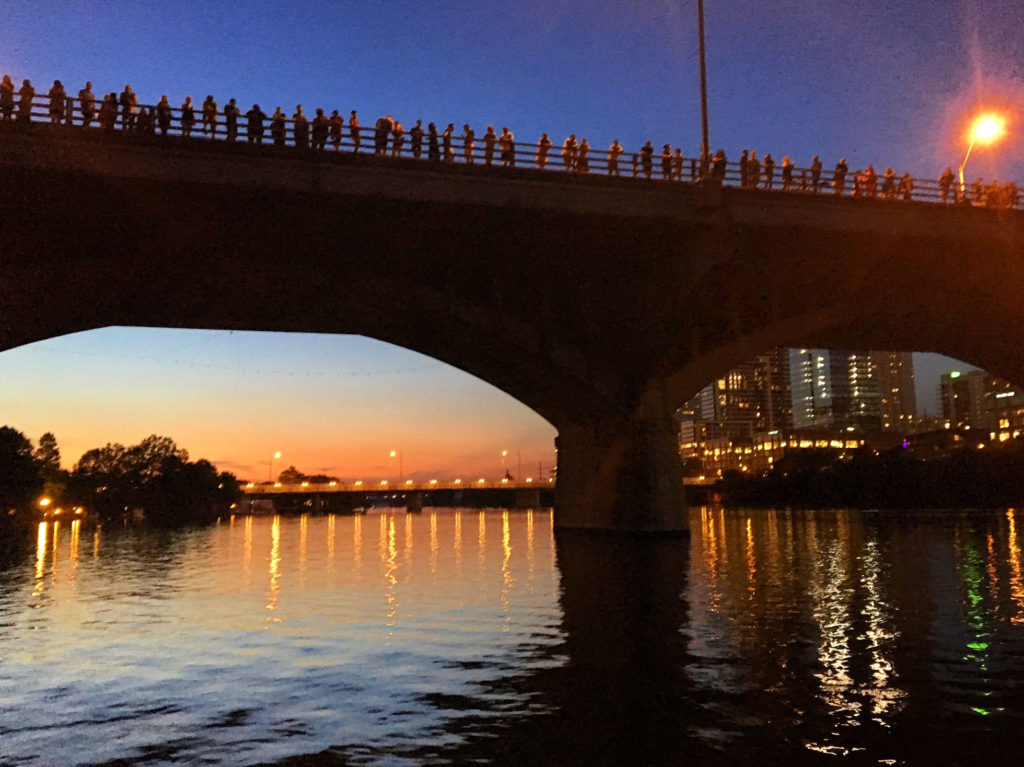
    Bat Cruise: Every night between March and November thousands of bats that live in the crevasses under the South Congress bridge fly out around sundown to feed. You can stand on the bridge to look down at them, or hop on a boat cruise to tour a bit of Lady Bird Johnson Lake. The boats float beneath the bridge to watch the bats. You’ll get better photo ops from the boat because you get the bridge scene too. Tip: get a boat with a covered roof; it’ll protect you from the bat droppings.  

    Swifts Attic: Not your average menu here. Inventive courses whip up weirdness like spicy edamame with pop rocks and bacon-wrapped Gorgonzola. Try the ball cocktails: the flavored ingredients are frozen in an ice cube ball that flavors the liquor in the glass as it melts.  

    White Horse: An east side honky tonk where you’ll find a quirky mix of folks. Think sleeve tattoos and ironic hipster t-shirts with unironic cowboy hats and two-step dancing. 

    Rain on 4th: This gay bar on 4th Street has a dance floor with cages and an outdoor back bar.